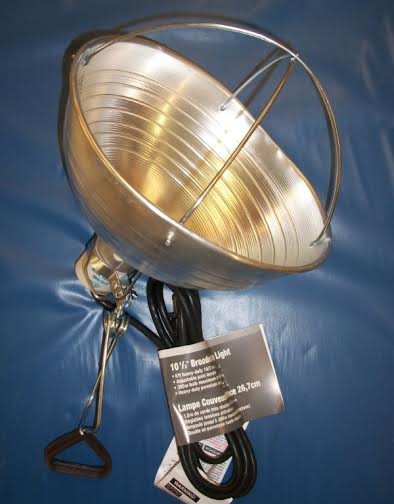
Brooder Equipment for Baby Chicks
Shop brooder equipment from cackle hatchery. Explore chick heating equipment, brooder guards and other supplies for preparing a warm, clean and properly managed environment before your baby chicks arrive.
A well-prepared brooder supports newly hatched chicks during the period when they cannot regulate their body temperature effectively. Set up and test every component before delivery day.
Baby Chick Brooder Supplies
A basic brooder setup normally requires a secure enclosure, dependable heat, dry bedding, chick starter feed, a suitable feeder and a chick-safe waterer. The required size and equipment capacity depend on the species and number of birds.
Useful brooder supplies may include:
- Chick heaters and heat sources
- Brooder guards and enclosure panels
- Thermometers and monitoring equipment
- Chick feeders and waterers
- Safe, absorbent bedding
- Equipment for reducing drafts
- Cleaning and maintenance supplies
Choosing Chick Heating Equipment
Select heating equipment based on the brooder’s dimensions, room temperature, number of chicks and manufacturer specifications. The heat source should warm an appropriate portion of the brooder while allowing chicks to move to a cooler area.
Chick behavior provides important information. Chicks crowding tightly beneath the heater may be cold, while chicks avoiding the heated area may be too warm. Even distribution generally indicates more comfortable conditions.
Temperature recommendations change as chicks grow and can differ between poultry species. Follow current species-appropriate guidance rather than applying one setting to every bird.
Brooder Safety
Install every heater according to the manufacturer’s instructions. Secure equipment carefully and keep combustible materials away from hot components. Electrical cords and connections should be protected from water, bedding and curious birds.
Do not depend on improvised mounting methods. Inspect heating equipment frequently for damage, overheating, unstable positioning or other hazards.
Provide suitable ventilation without exposing chicks to direct drafts. The brooder should remain clean and dry, as damp bedding and contaminated equipment can create health and safety problems.
Feeders and Waterers for Chicks
Use feeders and waterers appropriate for the chicks’ size and age. Equipment intended for adult birds may be difficult or unsafe for newly hatched chicks.
Provide sufficient access so all chicks can eat and drink without excessive competition. Clean waterers and feeders regularly and remove wet or contaminated bedding promptly.
Preparing the Brooder Before Chicks Arrive
Assemble, clean and test the brooder in advance. Confirm that the heat source functions correctly and that temperature can be monitored at chick level.
Place feed and water where the chicks can find them easily without forcing them to remain directly beneath the heat source. Keep replacement bedding and essential supplies available so routine maintenance can be completed without delay.
Explore Related Poultry Supplies
Frequently Asked Questions
What equipment is needed for a chick brooder?
A typical setup requires a secure enclosure, dependable heater, thermometer, dry bedding, chick feeder and chick-safe waterer. Requirements vary by species and flock size.
When should I prepare the brooder?
Prepare and test it before the chicks are scheduled to arrive. This provides time to correct temperature, equipment or safety problems.
How can I tell whether chicks are too hot or cold?
Observe their distribution and behavior. Crowding beneath the heat may indicate cold conditions, while consistently avoiding it may indicate excessive heat.
How often should brooder bedding be changed?
Remove wet or heavily contaminated material promptly and maintain clean, dry bedding. The required frequency depends on the number of chicks, enclosure size and bedding type.
When can chicks leave the brooder?
The timing depends on feather development, species, weather and the temperature of their next environment. Reduce supplemental heat gradually using current care guidance.