Feed Treats for Chickens and Backyard Poultry
Shop feed treats from cackle hatchery. Browse poultry snacks and feeding products that can add variety and enrichment to an appropriately balanced flock diet.
Treats should complement, rather than replace, a complete feed formulated for the bird’s species, age and production stage. Review every product label and follow the manufacturer’s feeding directions.
Chicken Treats for Flock Enrichment
Offering suitable chicken treats can encourage natural scratching, pecking and foraging behaviors. Treats may also help poultry owners interact with their birds and guide them into a coop or enclosure.
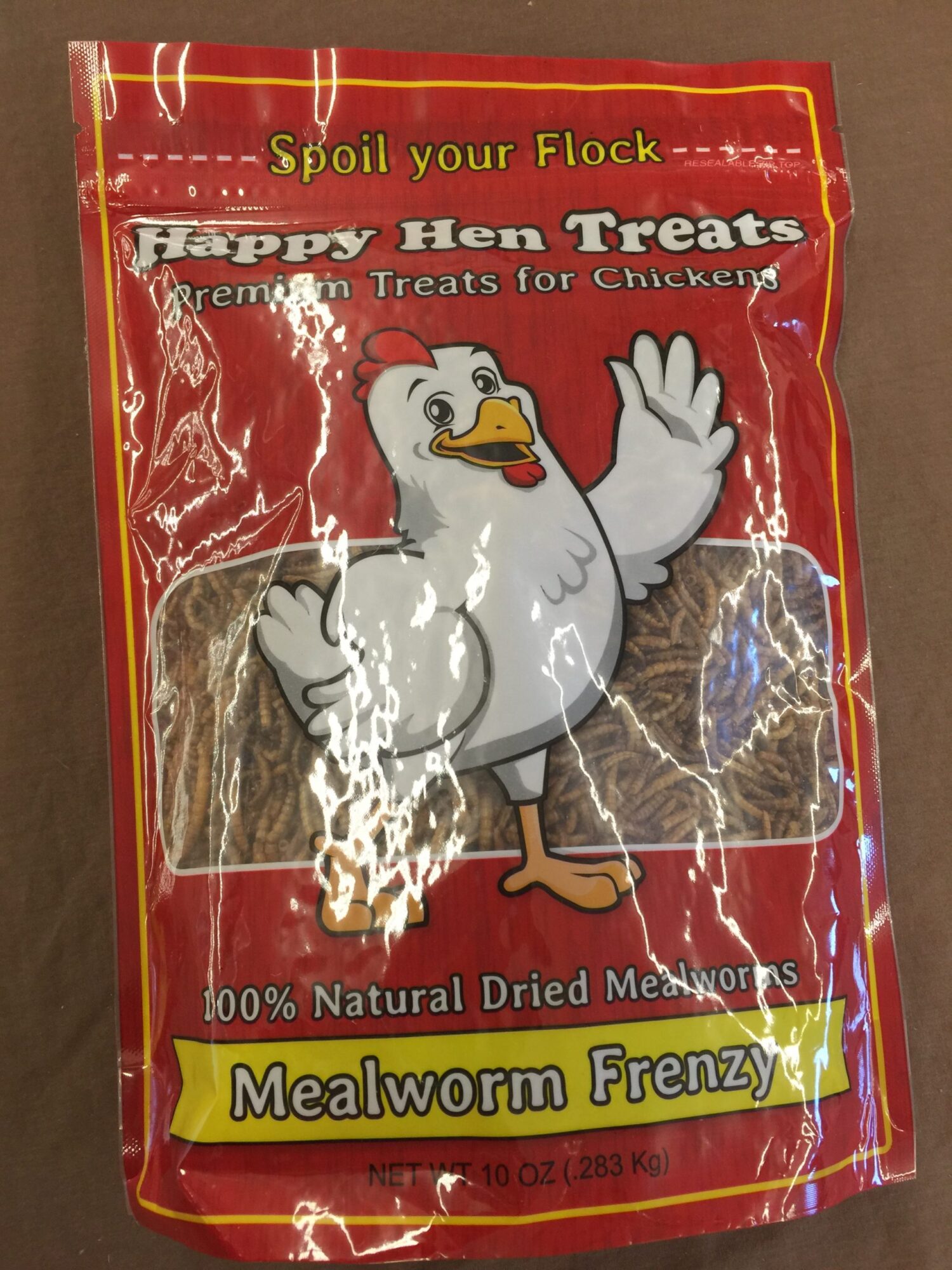
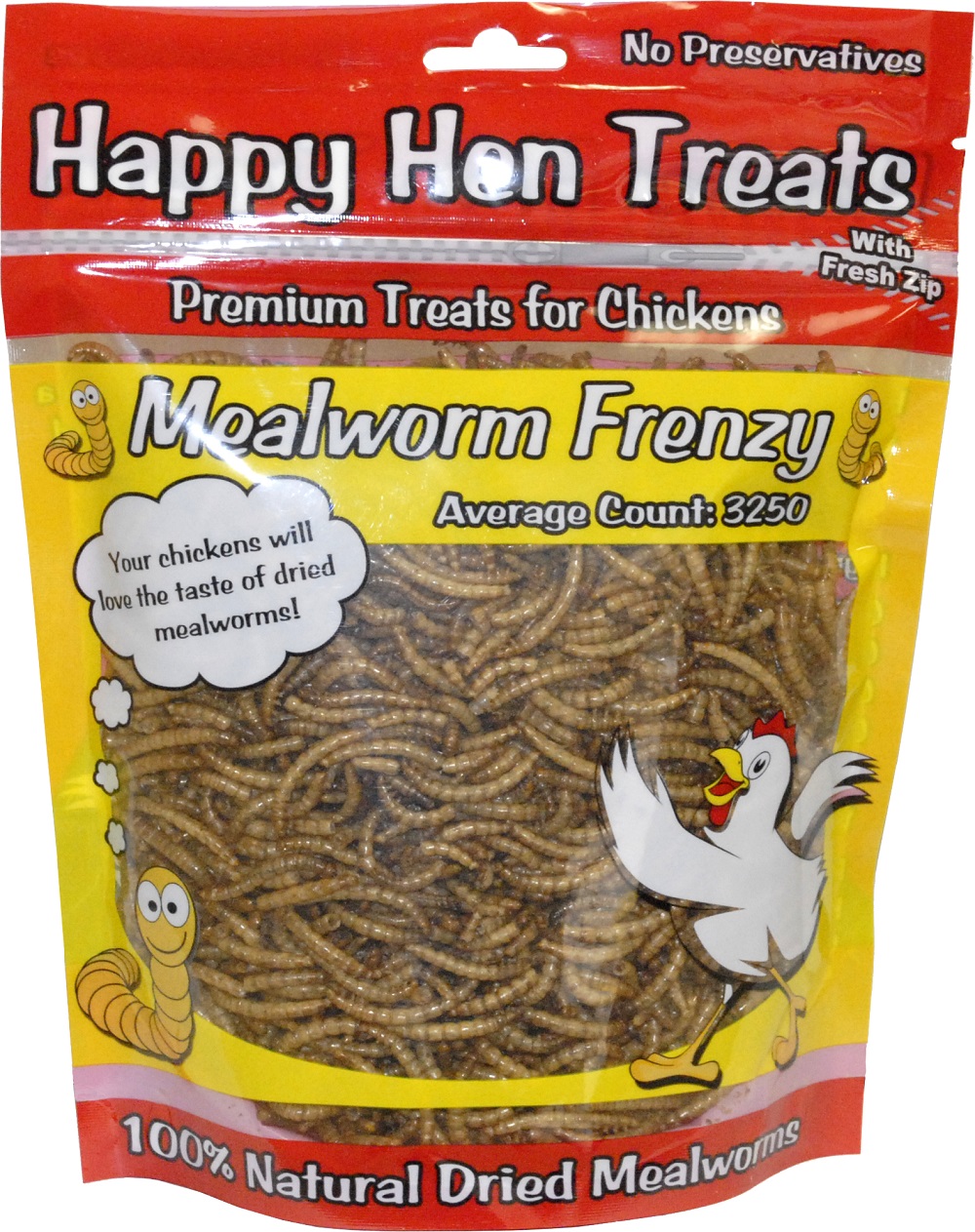
Available products may include dried insects, seed mixtures, forage-based snacks and other poultry feeding items. Ingredients, serving sizes and nutritional values differ, so check the individual product information before feeding.
Choosing Suitable Poultry Treats
Select treats according to the bird’s species, age, size and health. A product intended for mature chickens may not be suitable for newly hatched chicks or another poultry species.
Before purchasing a feed treat, consider:
- The poultry species and recommended age
- The complete ingredient list
- Manufacturer feeding directions
- Serving size and feeding frequency
- Storage requirements
- Expiration or best-use dates
- Possible compatibility with an existing diet
When changing or adding foods, introduce them gradually and observe the flock. Contact a qualified poultry veterinarian or nutrition professional if you have concerns about a bird’s dietary needs.
Treats for Laying Hens
Laying hens require balanced nutrition appropriate to egg production. Excessive treats can dilute the nutrients supplied by a complete layer feed, even when the treat contains ingredients commonly considered wholesome.
Offer treats in controlled quantities and ensure hens continue eating their primary feed. Clean water should remain available throughout the day.
Safe Feeding Practices
Serve treats in a clean feeder or suitable area to reduce contamination. Remove wet, spoiled or uneaten material before it attracts pests or develops mold.
Do not feed products that smell spoiled, show moisture damage or have compromised packaging. Store feed treats in a dry, secure container protected from rodents, insects and severe temperature changes.
Provide enough feeding space to reduce crowding and competition. When treats are scattered for enrichment, ensure the area is clean and safe for foraging.
Feed Treats for Different Poultry Species
Chickens, turkeys, waterfowl, game birds and other poultry can have different nutritional and physical feeding requirements. Never assume that a treat marketed for one species is automatically suitable for another.
Consult the product label and current species-appropriate feeding guidance. Young birds may require smaller pieces or may need to avoid certain treats until they reach a suitable age.
Explore Related Poultry Supplies
Frequently Asked Questions
What are good treats for chickens?
Suitable options depend on the chickens’ age, health and regular diet. Choose products specifically labeled for poultry and follow the manufacturer’s feeding instructions.
Can chickens eat treats every day?
Treats should be limited so they do not replace or substantially dilute a nutritionally complete poultry feed. Follow product guidance and consider the flock’s overall diet.
Can baby chicks eat poultry treats?
Some treats are unsuitable for young chicks. Chick starter should remain their primary food, and any additional product must be appropriate for their age and development.
Do chickens need grit when eating treats?
Some foods may require access to appropriately sized grit for normal grinding in the gizzard. Requirements depend on the birds’ diet and access to natural ground.
How should chicken treats be stored?
Store them in a cool, dry and secure container according to the product instructions. Protect the contents from moisture, pests and contamination.