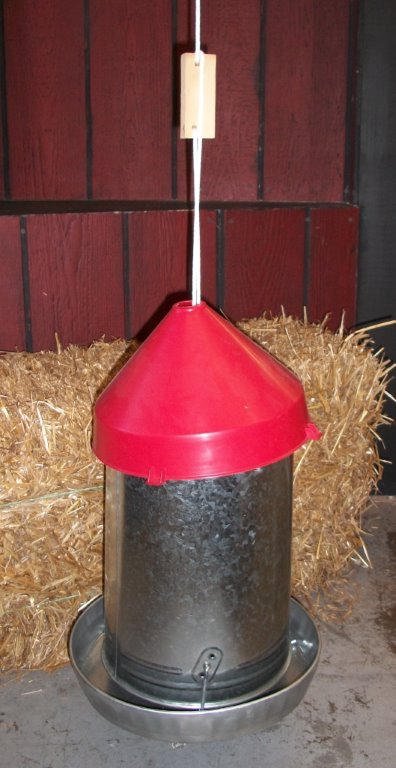
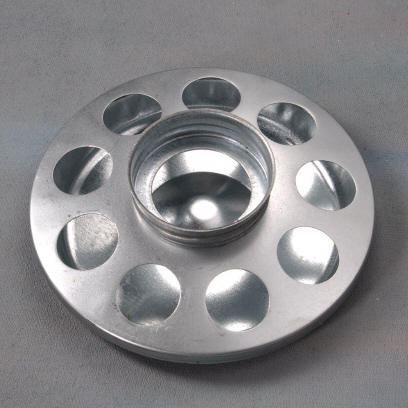
Chicken Feeders and Poultry Feeding Equipment
Shop poultry feeders from cackle hatchery. Explore chick feeders, chicken feed containers and poultry feeding equipment for backyard flocks, farms, brooders and poultry houses.
An appropriately sized feeder helps birds access their food while reducing unnecessary waste and contamination. Select equipment according to the species, age, flock size and feed type.
Chicken Feeders for Backyard Flocks
Chicken feeders are available in different capacities, materials and designs. Smaller feeders may be suitable for brooders or limited flocks, while larger-capacity equipment can reduce the frequency of refilling for mature birds.
When selecting a chicken feeder, consider:
- The number and mature size of the birds
- The poultry species and age
- Indoor or outdoor placement
- Feed type and particle size
- Feeder capacity and dimensions
- Ease of cleaning and refilling
- Protection from rain, rodents and wild birds
Chick Feeders for Brooder Use
Newly arrived chicks need feeding equipment they can reach easily and use safely. Feeders intended for adult chickens may be too tall or otherwise unsuitable for very young birds.
Position chick feeders where birds can access them without remaining directly beneath the heat source. Provide enough feeding space to reduce crowding and ensure smaller chicks are not excluded.
Inspect feeders frequently and remove bedding, droppings or moisture-contaminated feed. Adjust the feeder height or replace the equipment as the birds grow.
Reducing Feed Waste
A suitable feeder design and proper placement can help reduce spilled feed, but no feeder eliminates waste under every condition. Avoid overfilling and select a capacity appropriate to the flock.
Raise equipment to a suitable height for mature birds when recommended by the manufacturer. The feeder should remain stable and accessible without forcing birds into an unnatural position.
Clean spilled feed promptly because it can attract rodents, wild birds and insects. Store unused poultry feed in a dry, secure and pest-resistant container.
Indoor and Outdoor Poultry Feeders
Confirm whether a feeder is intended for indoor, sheltered or outdoor use. Feed exposed to rain or excessive moisture can spoil and should be discarded.
Outdoor feeders should be positioned in an appropriately protected location. Inspect plastic, metal and moving components for damage, corrosion or sharp edges that could injure birds.
Feeding Different Poultry Species
Chickens, turkeys, ducks, geese, quail, pheasants and other poultry may require different feeder dimensions and feed formulations. A design suitable for adult chickens may not work safely for smaller game bird chicks or waterfowl.
Review the product description and manufacturer information to confirm species suitability before purchasing.
Explore Related Poultry Supplies
Frequently Asked Questions
How do I choose the right poultry feeder?
Choose according to the species, age and number of birds, feed type, desired capacity and placement. Confirm dimensions and product suitability before ordering.
How many feeders does a chicken flock need?
The correct number depends on flock size, feeder capacity and available feeding space. Every bird should be able to access feed without excessive competition.
How often should chicken feeders be cleaned?
Inspect them daily and clean them whenever feed becomes wet or contaminated. A regular cleaning schedule should also be maintained.
Can the same feeder be used for chicks and adult chickens?
Not always. Young chicks need smaller, easily accessible equipment. Feeders may need to be adjusted or replaced as the birds grow.
Where should an outdoor feeder be placed?
Place it in a stable and appropriately sheltered location that helps protect the feed from rain, pests and contamination while remaining accessible to the flock.