Chicken Coops and Poultry Transport Supplies
Shop chicken coops and transports from cackle hatchery. Explore poultry housing, carriers and transportation equipment designed to support safer flock management at home, around the farm and during necessary travel.
Selecting suitable housing and transport equipment depends on the number, age, size and species of birds. Review the measurements, materials, capacity and intended use of each product before ordering.
Chicken Coops and Poultry Housing
A properly designed chicken coop provides protection from predators, severe weather and environmental hazards. It should also offer sufficient floor space, ventilation, roosting areas and access for routine cleaning.
When comparing chicken coops, consider:
- The number and mature size of the birds
- Available indoor and outdoor space
- Ventilation without strong drafts
- Predator-resistant doors and openings
- Roosting and nesting requirements
- Ease of cleaning and maintenance
- Local climate and weather exposure
No prefabricated coop should be assumed to accommodate the maximum advertised number of birds comfortably in every situation. Evaluate usable space and your flock’s particular needs.
Portable Chicken Coops
Portable chicken coops may help owners rotate birds between suitable areas while providing shelter and containment. Portability depends on the structure’s size, weight, materials and design.
Inspect portable housing regularly for weakened panels, loose fasteners, damaged wire or gaps that could permit predators to enter. Place the structure on stable ground and secure it appropriately.
Chicken Carriers and Poultry Transport Equipment
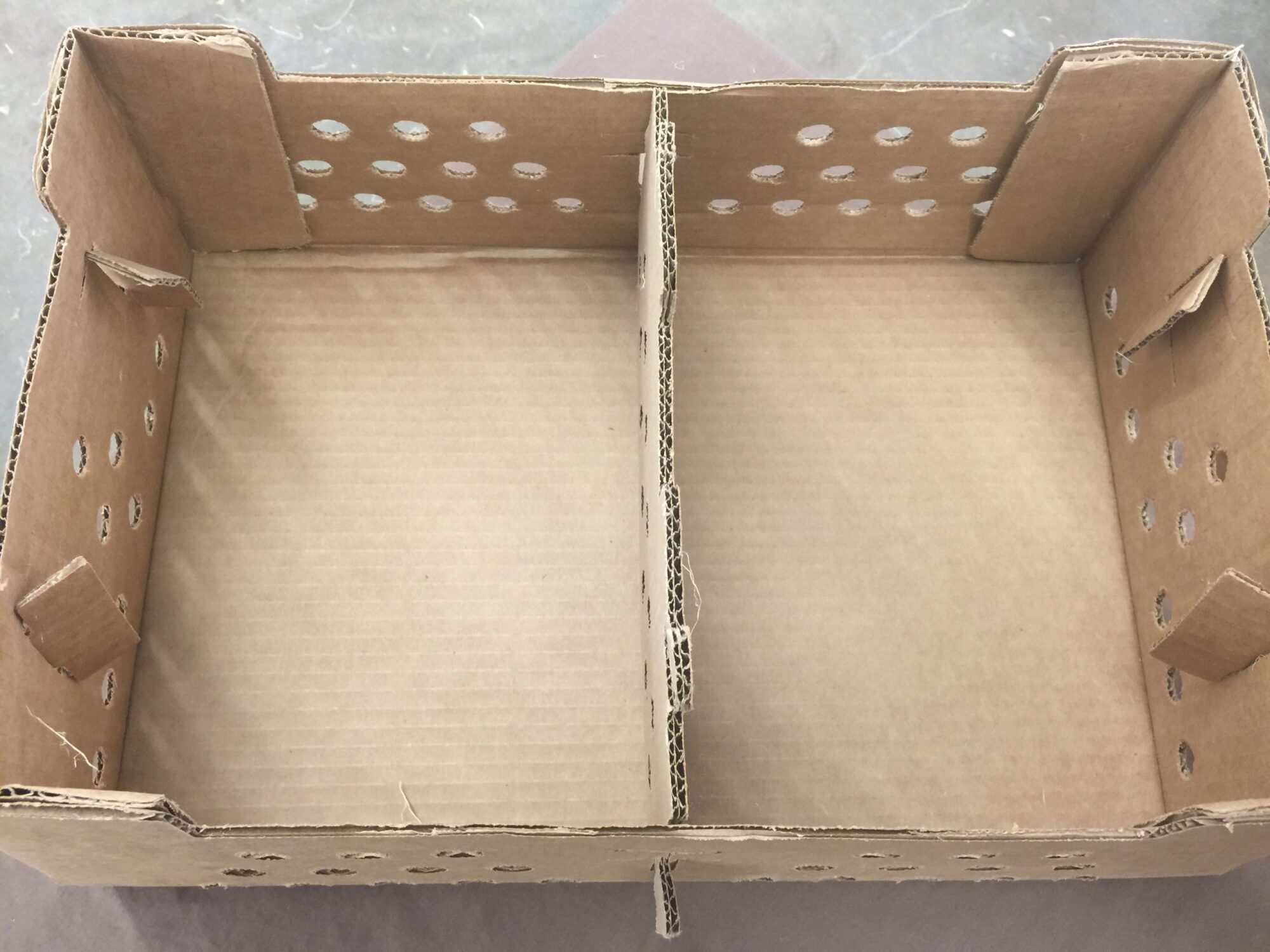
A suitable chicken carrier helps contain birds during necessary transportation. The carrier should provide sufficient space and ventilation while limiting excessive movement that may cause injury.
Avoid overcrowding and protect birds from extreme temperatures, direct wind and prolonged exposure to sunlight. Travel during suitable conditions whenever possible and keep transportation time to the practical minimum.
Preparing Poultry for Transportation
Inspect the carrier before use and confirm that doors, latches and ventilation openings are secure. Use a carrier appropriate to the bird’s size and species.
Never place an unsecured poultry carrier in a vehicle. Position it where it will remain stable and where ventilation can be maintained. Do not leave birds unattended inside a parked vehicle.
Clean and disinfect reusable transport equipment between groups of birds to support biosecurity. Keep newly acquired birds separated from an established flock for an appropriate observation period.
Explore Related Poultry Supplies
Frequently Asked Questions
How much coop space do chickens need?
Space requirements depend on breed size, flock size, climate and access to an outdoor area. Provide enough usable space to prevent crowding and resource competition.
What should I look for in a chicken coop?
Look for suitable dimensions, ventilation, predator resistance, secure doors, roosting space, nesting areas and convenient access for cleaning.
How do I choose a poultry carrier?
Choose according to the species, mature size, number of birds and journey length. The carrier should be secure, stable and adequately ventilated.
Can chickens travel in an ordinary cardboard box?
A purpose-designed poultry carrier is generally more secure and reusable. Any temporary container must provide appropriate ventilation, stability and protection from escape or injury.
Should transport equipment be disinfected?
Yes. Reusable carriers should be cleaned and appropriately disinfected between different birds or flocks to support good biosecurity.