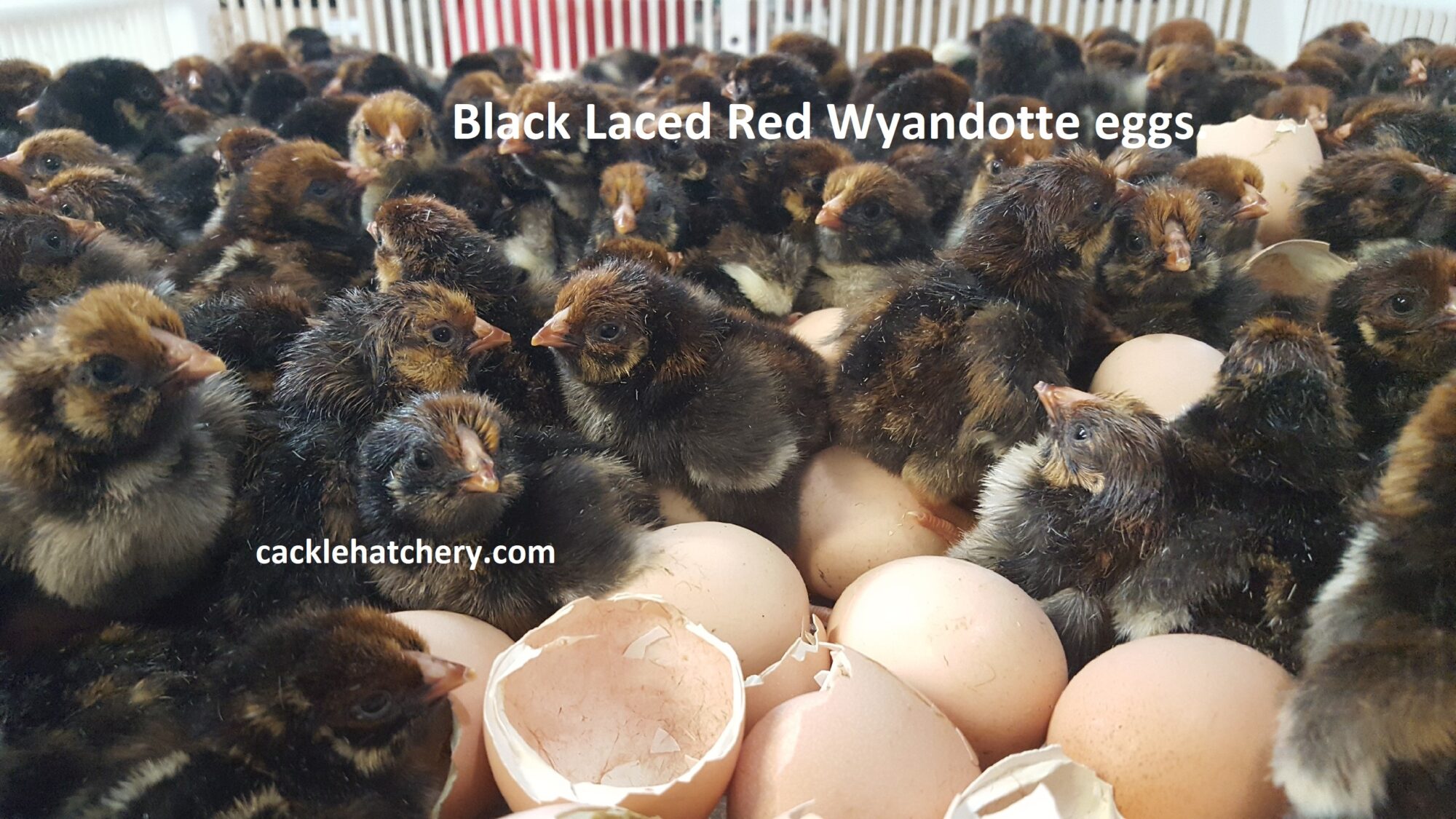
Hatching Eggs for Sale
Explore hatching eggs from cackle hatchery. This collection may include fertile poultry eggs from available chicken, quail and game bird breeds for customers with suitable incubation equipment and experience.
Incubating eggs is an educational and rewarding project, but successful hatching requires properly functioning equipment, consistent environmental control and careful monitoring. Review every product listing for breed details, quantity, availability and ordering information.
Fertile Eggs for Hatching
Fertile eggs contain the potential to develop when stored, handled and incubated under suitable conditions. Fertility does not guarantee that every egg will hatch because development can be affected by handling, storage duration, transportation, incubator performance and environmental conditions.
Available hatching eggs may include:
- Chicken hatching eggs
- Quail hatching eggs
- Chukar Partridge hatching eggs
- Other available poultry and game bird eggs
The breeds and species offered can change with laying cycles, breeding schedules, season and availability.
Choosing Poultry Hatching Eggs
Select eggs according to the species or breed you are prepared to raise. Before ordering, research the mature bird’s housing, nutrition, temperament, space requirements and any regulations that may apply.
Consider whether you have:
- A dependable incubator suitable for the selected species
- Equipment for monitoring temperature and humidity
- A secure brooder for newly hatched chicks
- Appropriate starter feed, feeders and waterers
- Suitable long-term housing for the mature birds
- A plan for managing males and surplus birds responsibly
Preparing Your Egg Incubator
Clean, disinfect and test your incubator before the eggs arrive. Follow the manufacturer’s operating instructions and verify that the equipment can maintain stable conditions.
Incubation temperature, humidity, turning requirements and expected incubation periods differ among poultry species. Use current species-specific guidance instead of assuming that all eggs require identical settings.
Allow the incubator to stabilize before setting the eggs. Keep accurate records and minimize unnecessary opening, temperature fluctuations and handling during incubation.
Receiving Shipped Hatching Eggs
Inspect the package carefully after delivery and follow the handling guidance provided with the order. Shipped eggs may need an appropriate resting period before incubation, depending on their condition and current instructions.
Do not wash eggs unless the supplied guidance specifically recommends an appropriate method. Improper cleaning can damage the protective outer layer or introduce contamination.
Preparing for Newly Hatched Chicks
Set up the brooder before the expected hatch date. Newly hatched birds require dependable warmth, dry bedding, clean water, appropriate starter feed and protection from drafts and predators.
Species differ in their brooder temperatures, nutritional needs and development rates. Game bird and quail chicks may require different feed and equipment from ordinary chicken chicks.
Explore Related Categories and Equipment
Frequently Asked Questions
Are hatching eggs guaranteed to hatch?
No individual egg can be guaranteed to hatch. Results are affected by fertility, handling, shipping, storage, incubator conditions and the operator’s management.
What equipment do I need to hatch eggs?
You need a suitable incubator, reliable monitoring equipment and a prepared brooder for the newly hatched birds. Exact requirements depend on the poultry species.
Do all poultry eggs use the same incubation settings?
No. Temperature, humidity, turning and incubation periods can differ among chickens, quail, pheasants and other birds. Follow current species-specific guidance.
Can grocery-store eggs be used for hatching?
Ordinary grocery-store eggs are generally intended for consumption and should not be assumed to be fertile or suitable for incubation.
What should I prepare before ordering fertile eggs?
Prepare and test the incubator, arrange suitable brooder equipment and ensure you have appropriate feed and long-term housing for the birds that may hatch.