Incubators for Hatching Chicken Eggs
Shop incubators from cackle hatchery for hatching chicken and other poultry eggs. Compare available egg capacities, controls and features for home, farm, classroom and breeding projects.
A dependable egg incubator helps maintain the temperature and humidity required for embryo development. Successful hatching also depends on fertile egg quality, handling, monitoring and correct operation throughout incubation.
Choosing an Egg Incubator
Select an incubator according to the poultry species, number of eggs and level of control required. Larger equipment is not automatically the best option for every customer; the incubator should match the scale and frequency of your hatching projects.
Important features to compare include:
- Recommended egg capacity
- Manual or automatic egg turning
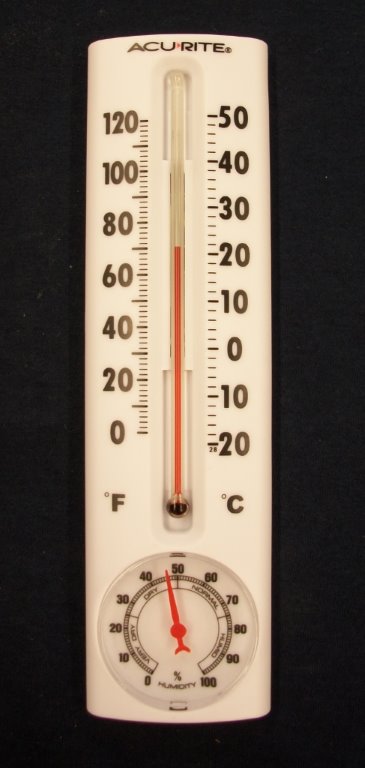
- Temperature controls and display
- Humidity monitoring or management
- Viewing windows
- Ventilation design
- Power requirements
- Ease of cleaning and maintenance
Review the manufacturer’s specifications carefully because capacity can vary according to egg size and poultry species.
Chicken Egg Incubators
Chicken egg incubators are designed to create a controlled environment for developing fertile eggs. Temperature, humidity, ventilation and turning must be managed according to current chicken-incubation guidance.
Test the incubator before setting valuable eggs. Allow it to operate long enough to confirm that conditions remain stable and that all controls, alarms and turning mechanisms function correctly.
Automatic Egg Incubators
Automatic egg incubators may include features that reduce some repetitive tasks, such as automatic turning or digital temperature control. These features can improve convenience, but they do not eliminate the need for observation and management.
Check the incubator daily and maintain independent monitoring equipment when appropriate. Mechanical components, sensors and power supplies can fail, so operators should have a plan for responding to unexpected problems.
Incubating Different Poultry Eggs
Chicken, turkey, duck, goose, quail, pheasant and other poultry eggs can have different incubation periods, humidity needs and turning schedules. Do not assume that one set of instructions applies to every species.
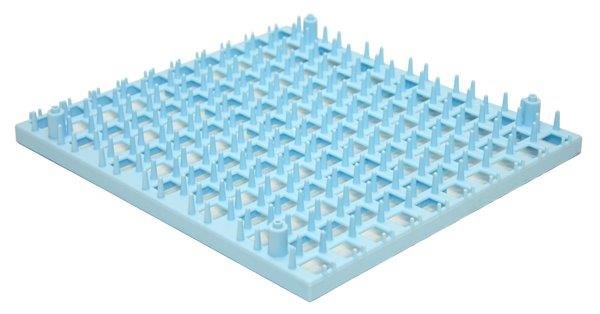
Confirm that the incubator and available trays can accommodate the selected egg size. Follow current species-specific guidance and the manufacturer’s operating instructions.
Cleaning and Maintaining an Incubator
Clean and appropriately disinfect the incubator between hatches. Remove shells, debris and organic material before applying any compatible cleaning product.
Protect electrical components and sensors from improper moisture exposure. Only use cleaning methods approved for the equipment’s materials and design.
Inspect cords, plugs, fans, trays and turning mechanisms for wear or damage. Store the incubator in a clean and dry location when it is not in use.
Prepare the Brooder Before Hatch Day
Set up the brooder before the expected hatch. Newly hatched chicks require dependable warmth, dry bedding, fresh water and feed appropriate for their species and age.
Hatching eggs successfully is only the first stage. Ensure you have suitable long-term housing, nutrition and management plans for every bird that may hatch.
Explore Related Hatching Supplies
Frequently Asked Questions
What size incubator should I buy?
Choose according to the number and type of eggs you expect to set. Check the stated capacity because different egg sizes can change how many will fit.
Do automatic incubators guarantee successful hatching?
No. Automatic features can improve convenience, but hatch results also depend on fertility, egg handling, stable conditions, equipment performance and operator management.
Can one incubator hatch different poultry species?
Some models can accommodate several species, but egg sizes and incubation requirements differ. Confirm equipment compatibility and follow species-specific settings.
Should I test an incubator before adding eggs?
Yes. Run and monitor it before setting eggs to confirm that temperature, humidity controls, ventilation and turning features operate properly.
How often should an incubator be cleaned?
Clean it after every hatch and before storing or beginning another incubation cycle. Follow the manufacturer’s maintenance and disinfection instructions.