Peafowl for Sale
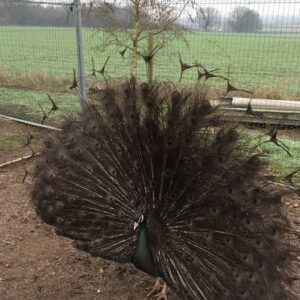
Explore Peafowl from cackle hatchery. These ornamental birds are admired for their elegant appearance, distinctive calls and the impressive train feathers developed by mature males.
Our selection may include peachicks and different peafowl varieties for lawful breeding, exhibition, educational programs, farms and properly managed ornamental flocks. Review each listing for current availability, hatch dates and ordering details.
Peachicks and Peafowl Varieties
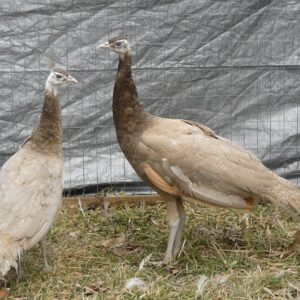
Young peafowl are called peachicks. An adult male is called a peacock, while an adult female is called a peahen. “Peafowl” is the correct collective term for the species.
Available varieties can differ in plumage color, markings and mature appearance. Individual coloration may also be influenced by genetics, sex, age and feather development.
Product photographs represent the general variety but cannot guarantee the exact markings or appearance of every individual bird.
Choosing Peafowl for Your Property
Peafowl require a substantial long-term commitment. Before ordering, consider their mature size, flight ability, noise level, housing needs and compatibility with your property.
Prospective owners should consider:
- Available space and secure housing
- Noise and proximity to neighbors
- Predator protection
- Climate and weather shelter
- Species-appropriate nutrition
- Long-term veterinary and management needs
- Local zoning and poultry regulations
Peafowl can live for many years when properly managed. Customers should have a realistic plan for housing and caring for the birds throughout their lives.
Preparing for Peachicks
Prepare and test a clean brooder before your peachicks arrive. It should provide dependable warmth, dry bedding, clean water and age-appropriate feed formulated for developing game birds or peafowl.
Monitor the peachicks frequently and provide enough room for them to move between warmer and cooler parts of the brooder. Avoid damp bedding, crowding and equipment that creates a drowning or entrapment risk.
Temperature, space and nutritional requirements change as peachicks grow. Follow current species-appropriate care recommendations throughout their development.
Housing Adult Peafowl
Peafowl can fly and often seek elevated roosting locations. Secure, appropriately designed housing is important for preventing escape and protecting birds from predators.
Provide sufficient space, good ventilation, shelter from severe weather and strong elevated roosts. The enclosure must accommodate the mature size of the birds and the long train feathers developed by adult peacocks.
Peafowl may roam beyond property boundaries when permitted to range freely. Owners should use suitable containment and management practices appropriate to their location.
Feeding and Daily Care
Provide balanced nutrition appropriate to the bird’s species, age and reproductive stage. Peachicks may require a game bird starter rather than feed formulated for ordinary chicken chicks.
Fresh water should always be available. Inspect feeders, waterers, housing and perimeter security regularly. Observe birds daily and obtain assistance from an experienced avian veterinarian when illness or injury is suspected.
Local Regulations and Responsible Ownership
Local zoning, noise, flock and containment rules may apply to peafowl. Contact the appropriate local authorities before ordering, particularly when keeping birds in residential or suburban areas.
Owners are responsible for preventing nuisance, escape and uncontrolled breeding while providing appropriate lifelong care.
Explore Related Poultry Categories
Frequently Asked Questions
What is the difference between Peafowl and peacocks?
“Peafowl” refers collectively to the species. Adult males are peacocks, adult females are peahens and young birds are peachicks.
Can Peafowl fly?
Yes. Peafowl can fly and commonly seek elevated roosting locations. Appropriate containment and predator-resistant housing are important.
Are Peafowl noisy?
Peafowl can produce loud and repeated calls, particularly during certain seasons. Consider neighbors and local noise requirements before purchasing.
What should peachicks eat?
Peachicks generally require feed formulated for developing game birds or peafowl. Obtain current feeding guidance appropriate to their age.
Can Peafowl live with chickens?
They may share a property when carefully managed, but they have different space, nutritional and behavioral requirements. Separate housing and feeding arrangements may be necessary.

Adult Fowl