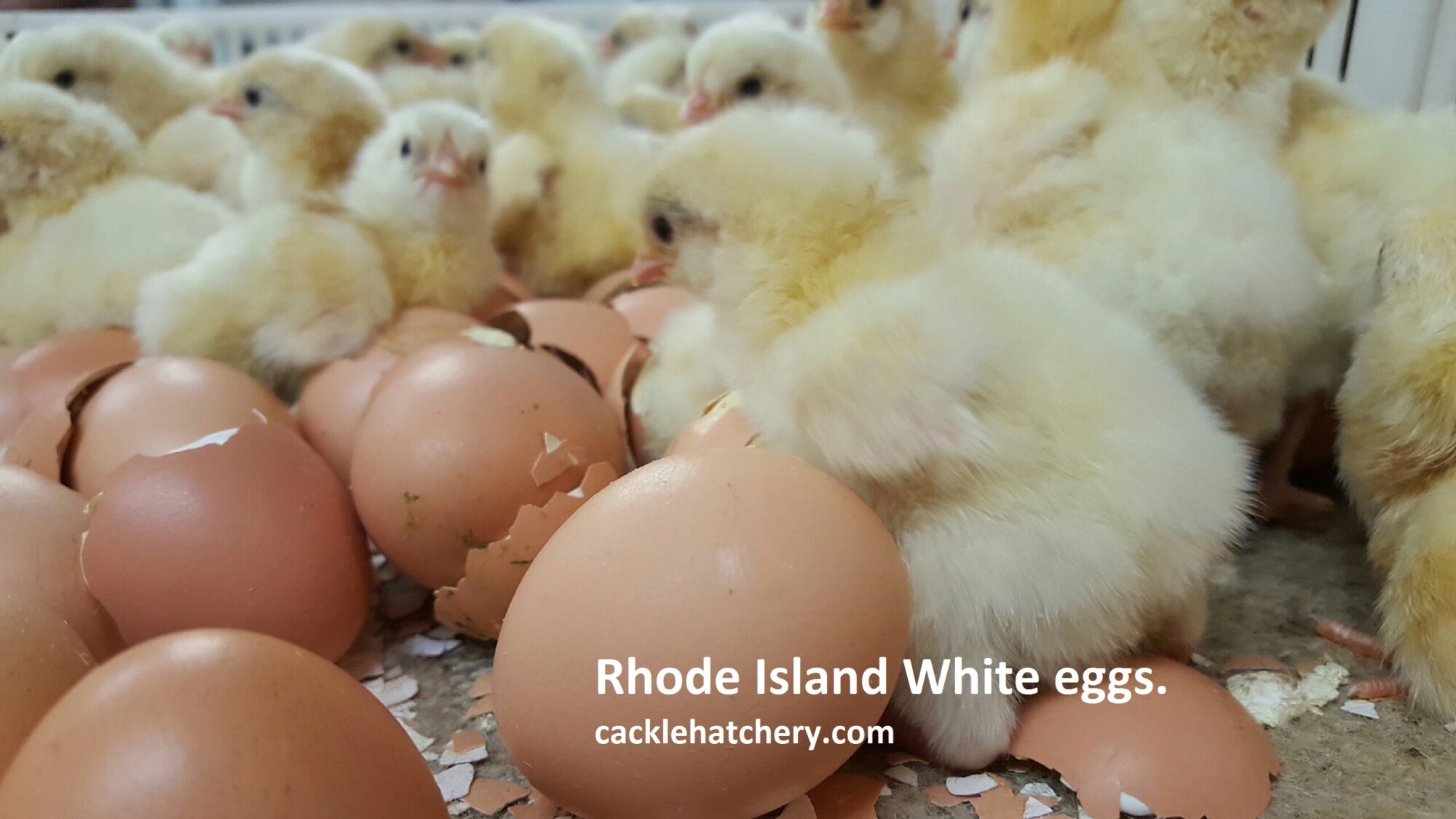


Buy Rhode Island White Chicken Online
Buy rhode island white chicken online from cackle hatchery. Compare the bird or breed details, available options, current availability and delivery conditions before ordering.
Rhode Island White Chicken
Breed Facts
- Poultry Show Class: Not applicable
- Weights: Hen—–6 1/2 lbs
Rooster——8 1/2 lbs
Pullet—5 1/2 lbs
Cockerel—–7 1/2 lbs - Purpose and Type: Primary production, Egg Laying & Pet/Secondary meat source
- Egg Shell Color: Brown
- Egg Production: 220-280 eggs per year (estimates only, see FAQ)
- Egg Size: Large
- Temperament: Active
- Gender Accuracy: 80-85%
- Fertility Percentage: 65-80%
- Broody: Variable
- Mating Ratio: 10 Females to 1 Male
- Roost Height: 2 to 4 feet
- Country of Origin: United States, Rhode Island
- APA: Yes, Rosecomb recognized by the American Standard of Perfection in 1922. We offer only the single comb variety not APA.
- TLC: Yes, Watch Status, Considered a sustainable heritage chicken breed
- BREEDER FARM SOURCE: Cackle Hatchery® Poultry Breeding Farm has been developing our bloodline or strain of pure Rhode Island White since 1993.
Rhode Island White Chicken
Breed Overview and Origin
The Rhode Island White Chicken is a docile, productive, dual-purpose breed known for large brown eggs, winter laying ability, a broad brick-like body, friendly temperament, and useful meat value. If you want a dependable brown egg layer with calm flock manners, the Rhode Island White is a practical and enjoyable choice.
The Rhode Island White originated in 1888 in Rhode Island. John Alonzo Jocoy of Peacedale, Rhode Island developed the breed by crossing White Wyandottes, Partridge Cochins, and Rose Comb White Leghorns. The Livestock Conservancy confirms this origin story and notes that Jocoy introduced the breed to the public in 1903.
The rose comb Rhode Island White entered the American Poultry Association Standard of Perfection in 1922. However, Cackle Hatchery® offers only the single-comb production type, which is not APA recognized. Cackle Hatchery® also lists Rhode Island Whites with The Livestock Conservancy Watch Status and notes that Cackle Hatchery® Poultry Breeding Farm has developed its pure Rhode Island White bloodline since 1993.
Important Variety Note: Single Comb Production Type
Cackle Hatchery® offers the single-comb production type Rhode Island White, not the APA-recognized rose comb variety. This distinction matters because the Standard of Perfection recognizes the rose comb Rhode Island White, while Cackle’s line focuses on practical production traits.
Cackle’s Rhode Island White line makes an excellent choice for customers who want:
- Large brown eggs
- Winter laying ability
- Friendly hens
- Dual-purpose value
- A strong backyard or homestead bird
- A production-type Rhode Island White
In addition, Cackle uses Rhode Island White hens in the creation of its Cinnamon Queen and Golden Comet breeds.
Appearance and Characteristics
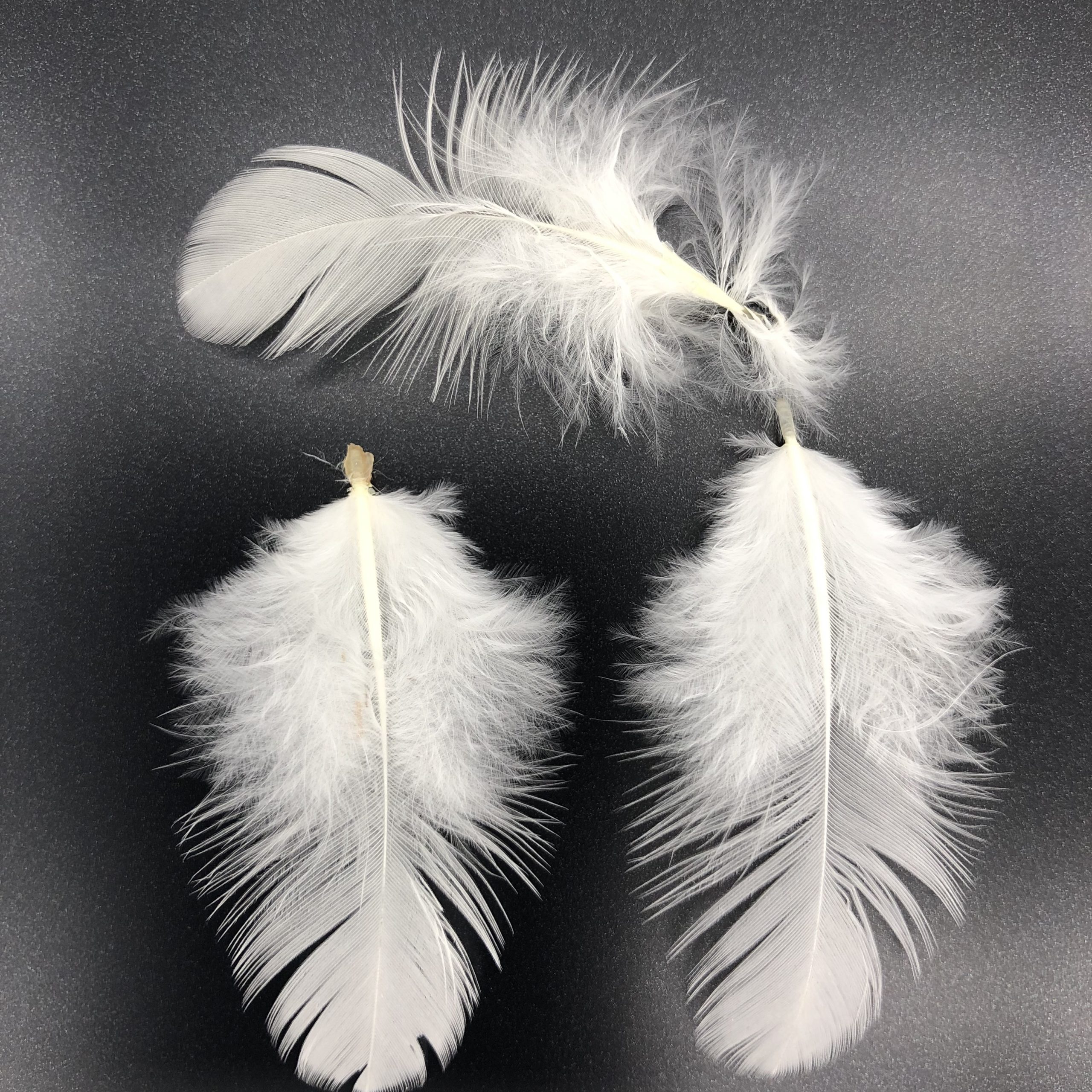
Rhode Island White chickens have a broad, deep body with a horizontal carriage. Their close-fitting feathers create a brick-like appearance, while their broad, flat head gives them a strong and practical look.
Expected traits include:
- White plumage
- Single comb in Cackle Hatchery’s production type
- Broad, deep body
- Horizontal carriage
- Close, tight feathering
- Broad, flat head
- Large brown eggs
- Docile temperament
- Winter laying ability
- Dual-purpose egg and meat value
Cackle’s production type will show some leg color variation. About 60% of the birds will have yellow legs, while about 40% will have a dirty or greenish leg color. This variation is normal for the production-type line.
Egg Production and Brown Eggs
Rhode Island White hens lay large brown eggs and perform especially well as winter layers. This makes them a useful choice for customers who want steady egg production when some other breeds slow down.
The breed has long carried a reputation for utility. General Rhode Island White breed information describes the breed as dual-purpose and suitable for both eggs and meat, with hens laying light to dark brown eggs.
Egg production can vary by individual hen, feed, daylight, age, season, and flock management. However, Rhode Island Whites remain a strong option for customers who want dependable brown eggs from a calm, friendly bird.
Dual-Purpose Value
Rhode Island Whites offer both egg and meat value. Their broad, deep bodies and practical build make them more versatile than lightweight laying breeds.
This breed can work well for:
- Backyard egg flocks
- Winter egg production
- Homesteads
- Family flocks
- Dual-purpose poultry setups
- Brown egg baskets
- Customers wanting friendly hens
- Customers who like production-type utility breeds
Because of their size and body type, Rhode Island Whites can provide more meat value than many lighter egg breeds. At the same time, hens remain useful brown egg layers.
Temperament and Backyard Suitability
Rhode Island Whites have a docile, friendly temperament. Their calm nature makes them enjoyable for families, backyard keepers, and customers who want easygoing hens.
This breed can be a good fit for:
- Beginners
- Families
- Backyard flocks
- Mixed flocks
- Homesteads
- Brown egg customers
- Winter egg flocks
Raising chickens can be fun and enjoyable with these friendly hens. In addition, their calm personality makes them easier to manage than more flighty or nervous breeds.
Rhode Island White and Hybrid Egg Layers
Cackle Hatchery® uses Rhode Island White hens to help create its Cinnamon Queen and Golden Comet breeds. These popular sex-link-style production birds rely on carefully selected parent stock to create dependable egg-laying offspring.
Choose Rhode Island Whites if you want the pure production-type parent breed. Choose Cinnamon Queens or Golden Comets if you want a hybrid-style brown egg layer bred specifically for strong laying performance.
Rhode Island White vs Rhode Island Red
Rhode Island Whites and Rhode Island Reds share a similar body style and regional history, but they are separate breeds.
A Rhode Island White has white plumage, large brown eggs, docile temperament, and dual-purpose value. Cackle Hatchery® offers the single-comb production type.
A Rhode Island Red chicken has red plumage and is one of the most popular brown egg layers in the United States.
Choose Rhode Island Whites if you want a white-feathered, docile brown egg layer with winter laying strength.
Choose Rhode Island Reds if you want the classic red production layer known for strong brown egg production.
Rhode Island White vs Cinnamon Queen
Rhode Island Whites and Cinnamon Queens are closely connected through breeding, but they serve different customer goals.
A Rhode Island White is a production-type breed that Cackle Hatchery® uses in the creation of Cinnamon Queens.
A Cinnamon Queen chicken is a hybrid-style layer bred for strong brown egg production and customer-friendly utility.
Choose Rhode Island Whites if you want the parent breed with dual-purpose value and white plumage.
Choose Cinnamon Queens if you want a high-performing hybrid brown egg layer.
Rhode Island White vs Golden Comet
Rhode Island Whites also help create Cackle Hatchery’s Golden Comet line.
A Rhode Island White is a docile production-type chicken with white plumage, large brown eggs, and winter laying ability.
A Golden Comet chicken is a hybrid-style brown egg layer bred for efficient egg production.
Choose Rhode Island Whites if you want a production-type heritage-style breed.
Choose Golden Comets if you want a hybrid layer focused heavily on egg output.
Is the Rhode Island White Chicken Right for Your Flock?
Choose Rhode Island White chickens if you want:
- A docile brown egg layer
- Large brown eggs
- Good winter laying ability
- A dual-purpose bird for eggs and meat
- A broad, deep, brick-like body type
- Friendly hens for backyard flocks
- Cackle Hatchery’s single-comb production type
- A breed connected to Cinnamon Queen and Golden Comet production
- A practical chicken for homesteads and families
However, consider another breed if you specifically need the APA-recognized rose comb Rhode Island White, a high-output hybrid layer, or a bird with perfectly uniform leg color. In short, Rhode Island Whites are best for customers who want friendly, practical, large-brown-egg chickens with winter laying value.
Care and Housing Tips
Rhode Island Whites are practical, easy-to-enjoy chickens when customers provide clean housing, balanced feed, fresh water, and predator protection.
For best results, provide:
- A dry, well-ventilated coop
- Predator-resistant fencing
- Clean bedding
- Fresh water at all times
- Balanced chick starter and age-appropriate feed
- Nest boxes for large brown eggs
- Roost poles about 2 to 4 feet high
- Shade and airflow during hot weather
- Protection from drafts and damp bedding in cold weather
- Enough space for dual-purpose birds
The general mating ratio for Rhode Island Whites is 10 females to 1 male for birds 6 months to 2 years of age. In addition, the recommended sleeping or roosting comfort height is 2 to 4 feet.
Recognition and Availability
The rose comb Rhode Island White was admitted to the American Poultry Association Standard of Perfection in 1922. However, Cackle Hatchery® offers only the single-comb production type, which is not APA recognized.
Cackle Hatchery® Poultry Breeding Farm has developed its pure Rhode Island White bloodline since 1993, and Cackle lists the breed with The Livestock Conservancy Watch Status. Since hatch dates and availability can change, customers should check Cackle Hatchery’s Chicken Availability Chart before ordering.
Related Breeds and Helpful Cackle Hatchery® Resources
Customers who like Rhode Island Whites may also enjoy other brown egg layers, production breeds, dual-purpose chickens, and related hybrid layers.
Helpful Cackle Hatchery® links for this product page include:
- Rhode Island Red chickens
- Cinnamon Queen chickens
- Golden Comet chickens
- Brown Egg Layers for Sale
- Dual Purpose Chickens for Sale
- Cold Weather Chickens for Sale
- Baby chicks for sale
- Chicken Breed Selector
- Chicken Breeds List Comparison Chart
- Chicken Availability Chart
FAQ: Rhode Island White Chicken
What is a Rhode Island White Chicken?
A Rhode Island White Chicken is a docile, dual-purpose chicken known for white plumage, a broad deep body, large brown eggs, winter laying ability, and friendly backyard temperament.
Where did Rhode Island Whites originate?
Rhode Island Whites originated in Rhode Island in 1888. John Alonzo Jocoy of Peacedale developed the breed by crossing White Wyandottes, Partridge Cochins, and Rose Comb White Leghorns.
When were Rhode Island Whites admitted to the APA Standard?
The rose comb Rhode Island White was admitted to the American Poultry Association Standard of Perfection in 1922.
Does Cackle Hatchery® offer the APA-recognized rose comb Rhode Island White?
No. Cackle Hatchery® offers only the single-comb production type, which is not APA recognized.
What do Rhode Island White chickens look like?
They have white plumage, a broad deep body, horizontal carriage, close tight feathering, and a broad flat head.
What color eggs do Rhode Island Whites lay?
Rhode Island White hens lay large brown eggs.
Are Rhode Island Whites good winter layers?
Yes. Rhode Island Whites are strong winter egg layers and can be a good choice for customers who want brown eggs during colder months.
Are Rhode Island Whites good egg layers?
Yes. Rhode Island Whites are practical brown egg layers, especially for customers who want a dual-purpose bird rather than a lightweight production-only layer.
Are Rhode Island Whites dual-purpose chickens?
Yes. Rhode Island Whites offer both egg and meat value.
Are Rhode Island Whites friendly?
Yes. Rhode Island Whites are very docile and friendly.
Are Rhode Island Whites good for beginners?
Yes. Their calm temperament, egg production, and practical body type make them a good option for many beginner poultry keepers.
Are Rhode Island Whites good for families?
Yes. Their friendly hens can make chicken keeping fun and enjoyable for family backyard flocks.
Do Rhode Island Whites have yellow legs?
Cackle’s production type usually produces about 60% birds with yellow legs and about 40% with dirty or greenish leg color.
Why do some Rhode Island Whites have greenish legs?
This leg-color variation appears in Cackle Hatchery’s production-type line and is normal for that line.
What breeds use Rhode Island White hens in their creation?
Cackle Hatchery® uses Rhode Island White hens in the creation of Cinnamon Queen and Golden Comet chickens.
What is the difference between Rhode Island White and Rhode Island Red?
Rhode Island Whites have white plumage, while Rhode Island Reds have red plumage. Both offer practical brown egg value, but they are separate breeds.
What is the difference between Rhode Island White and Cinnamon Queen?
Rhode Island Whites are a production-type parent breed. Cinnamon Queens are hybrid-style brown egg layers created using selected parent stock, including Rhode Island White hens.
What is the difference between Rhode Island White and Golden Comet?
Rhode Island Whites are a production-type breed with white plumage and dual-purpose value. Golden Comets are hybrid-style brown egg layers bred for strong egg output.
What mating ratio is recommended for Rhode Island Whites?
The general mating ratio is 10 females to 1 male for birds 6 months to 2 years of age.
What roost height is best for Rhode Island Whites?
The general roosting comfort height for Rhode Island Whites is 2 to 4 feet.
What is Cackle Hatchery’s Rhode Island White bloodline history?
Cackle Hatchery® Poultry Breeding Farm has developed its pure Rhode Island White bloodline since 1993.
Where can I check Rhode Island White availability?
Customers can check Cackle Hatchery’s Chicken Availability Chart for current hatch and breed availability updates.
Ordering Information
Check the current price, stock status and selectable options displayed on this page. Read the product information and applicable policies before adding this item to your cart.
Related Products
Related products