



Buy New Hampshire Chicken Online
Buy new hampshire chicken online from cackle hatchery. Compare the bird or breed details, available options, current availability and delivery conditions before ordering.
New Hampshire Chicken
Breed Facts
- Poultry Show Class: American Class
- Weights: Hen ——-6 1/2 lbs Rooster——8 1/2 lbs
Pullet——-5 1/2 lbs Cockerel—–7 1/2 lbs - Purpose and Type: Primary production, Egg Laying & Pet/Secondary meat source
- Egg Shell Color: Brown
- Egg Production: 200-280 eggs per year (estimates only, see FAQ)
- Egg Size: Large-Extra Large
- Temperament: Docile
- Gender Accuracy: 85-90%
- Fertility Percentage: 65-80%
- Broody: Variable
- Mating Ratio: 10 Females to 1 Males
- Roost Height: 2 to 4 feet
- Country of Origin: United States (New England)
- APA: Yes, Recognized by American Standard of Perfection in 1935.
- TLC: Yes, Threatened status, A Sustainable Heritage Chicken Breed.
- BREEDER FARM SOURCE: Cackle Hatchery® Poultry Breeding Farm has been developing our bloodline or strain of pure New Hampshire since 1945.
New Hampshire Chicken
Breed Overview and Origin
The New Hampshire chicken is a practical American breed with Rhode Island Red roots and a personality all its own. If you want a bird that matures early, lays well, and carries good body weight, this is the kind of chicken that makes sense in a working backyard flock.
Breeders in New Hampshire and Massachusetts developed this breed in the early 1900s by selecting Rhode Island Red strains for faster feathering, quicker growth, earlier maturity, and vigor. Over time, that careful selection created a distinct breed rather than just another Rhode Island Red line. The American Poultry Association recognized the New Hampshire in 1935.
Cackle Hatchery® has worked with its pure New Hampshire bloodline since 1945. The line traces back to the “Newcomer” strain, an egg-laying strain that Cackle has continued improving through its own breeding program.
Appearance and Characteristics
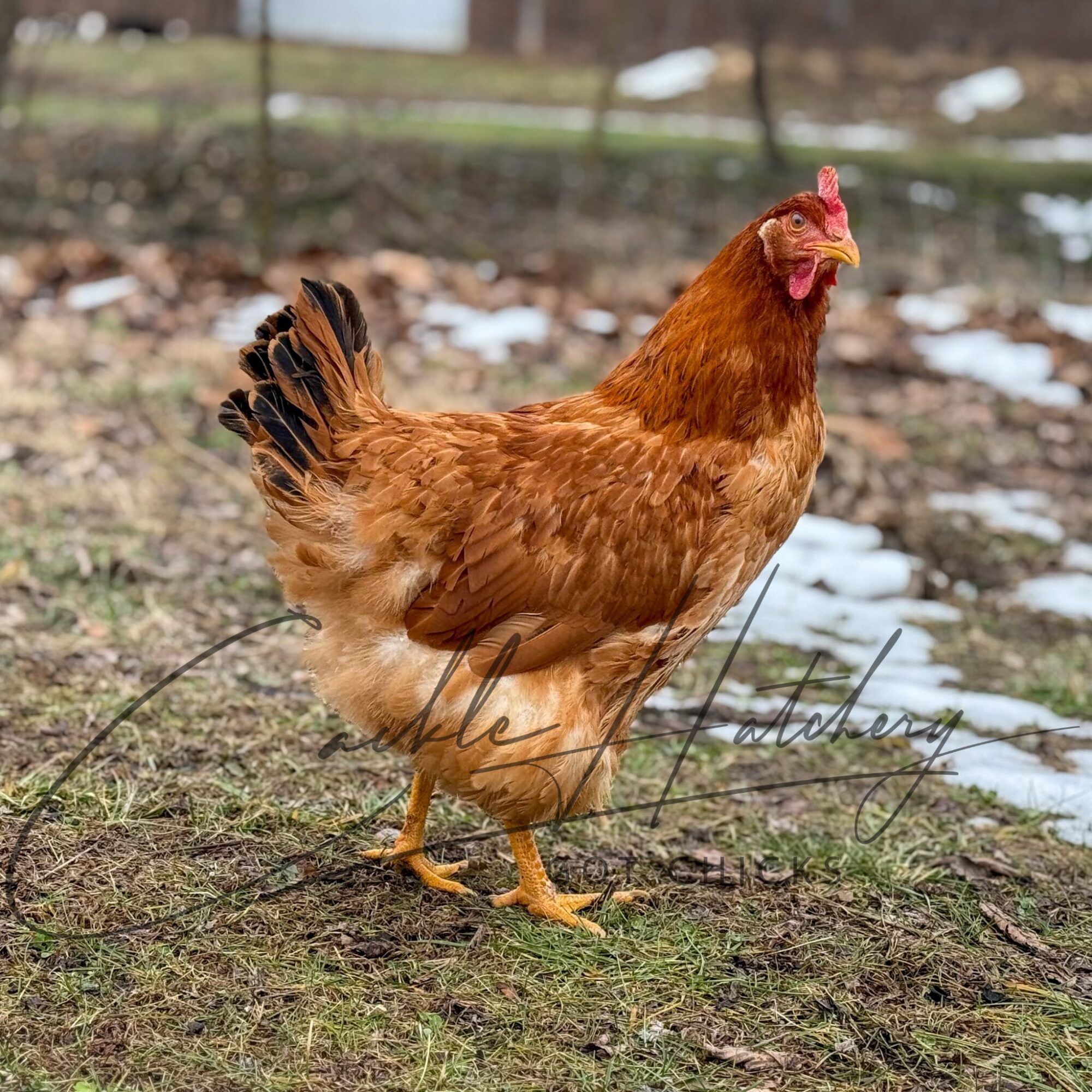
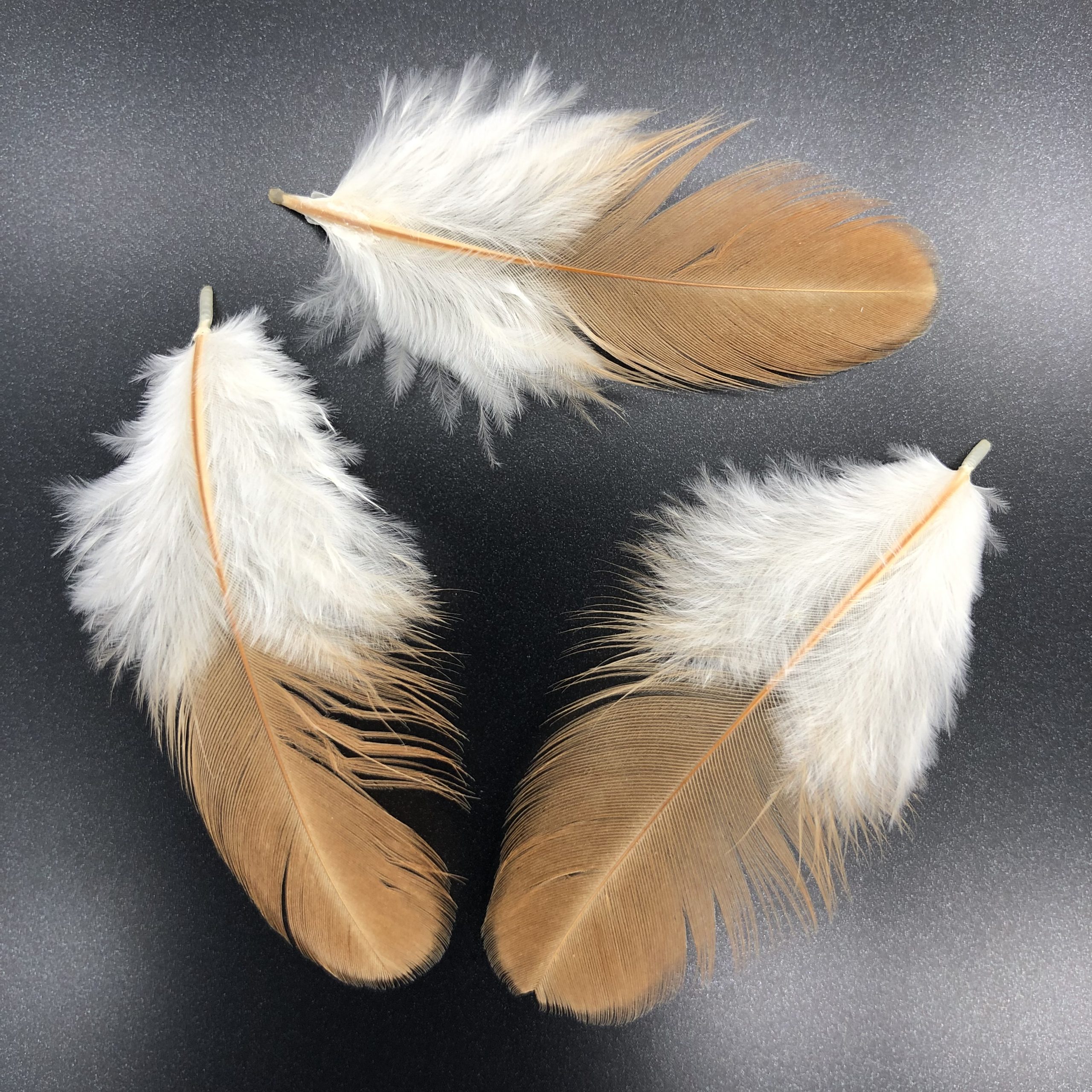
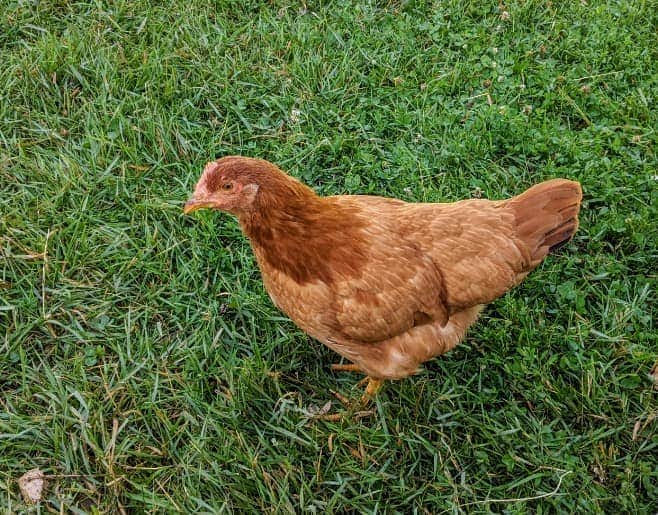
New Hampshires have a warm chestnut-red color, a single comb, yellow skin, and a sturdy body. They look similar to Rhode Island Reds at first glance, but they usually show a lighter, more golden-red shade and a broader, meatier build.
This is not a tiny, flighty layer. New Hampshires have good size and substance, which helps explain their old farm popularity. They grow quickly, mature early, and keep enough body weight to serve as a dual-purpose breed.
Cackle lists hens at about 6 1/2 pounds and roosters at about 8 1/2 pounds. Pullets average about 5 1/2 pounds, while cockerels average about 7 1/2 pounds.
New Hampshire vs Rhode Island Red: Which Should You Choose?
The New Hampshire came from Rhode Island Red ancestry, so the two breeds naturally share some traits. Both are American brown egg layers with useful body size and strong backyard value.
Choose New Hampshires if you want a bird selected for faster maturity, quicker growth, and a somewhat heavier farm-chicken build. Choose Rhode Island Red chickens if you prefer the older, darker red breed with a long reputation for brown egg production.
Neither choice is wrong. If eggs and utility matter most, both breeds can serve a backyard or homestead flock well. However, New Hampshires are especially appealing when you want a bird that grows out faster and still lays large brown eggs.
Egg Production and Utility
New Hampshire hens lay brown eggs and have a strong reputation as practical production birds. Cackle lists them as primary production chickens for egg laying and pets, with secondary meat value. Estimated production runs about 200–280 eggs per year, though actual laying can vary with age, daylight, feed, weather, housing, and overall care.
These birds also bring useful meat qualities. Because they mature early and carry good body weight, they fit homesteads and small farms where a chicken needs to do more than one job.
If you want to compare other brown egg breeds, browse brown egg laying chickens or use the Chicken Breed Selector to narrow your flock choices.
Temperament and Suitability
New Hampshires are generally docile, hardy, and easy to manage. They can work well for backyard keepers, homesteaders, and families who want dependable brown egg layers with a little more size than many lighter breeds.
They enjoy free range and can do well when they have room to move, scratch, and forage. A coop and run can also work if you provide enough space, clean bedding, good ventilation, shade, and fresh water.
Since they have single combs, winter care still matters. Keep the coop dry and draft-protected, especially during severe cold. In hot weather, give them shade and cool water. Cackle also lists New Hampshires under hot weather chickens, which makes them a flexible choice for many climates.
Is the New Hampshire Chicken Right for Your Flock?
Choose New Hampshires if you want:
A heritage American chicken breed
A large brown egg layer
A bird that matures early
A heavier chicken with meat value
A docile backyard breed
A practical homestead chicken
A breed developed from Rhode Island Red ancestry
A sustainable heritage chicken
A flock bird that can free range well
Overall, this is a good choice if you want an honest, useful chicken. New Hampshires may not be the flashiest birds in the catalog, but they bring steady egg production, good size, and old-fashioned farm value to the flock.
If you are still comparing breeds, the Chicken Breeds List Comparison Chart can help you sort options by purpose, egg color, temperament, and flock needs.
Breed History and Preservation
New Hampshire breeders started with Rhode Island Red stock in the early 1900s. Instead of selecting only for the traits that defined Rhode Island Reds, they chose birds that feathered faster, grew quicker, matured earlier, and showed strong vigor. That selection gradually produced a new breed.
The Livestock Conservancy credits University of New Hampshire professor A. W. “Red” Richardson with making an important breakthrough in the breed’s development. His work helped move the New Hampshire from a selected Rhode Island Red strain toward a distinct breed identity.
The American Poultry Association recognized the New Hampshire in 1935. Today, Cackle lists the breed as a sustainable heritage chicken with The Livestock Conservancy Threatened status.
Cackle’s own strain has a long history, too. The breeding farm has developed its pure New Hampshire bloodline since 1945, building from the Newcomer egg-laying strain and improving it over the years.
Recognition and Availability
The American Poultry Association recognizes New Hampshires in the American class. The breed entered the Standard of Perfection in 1935.
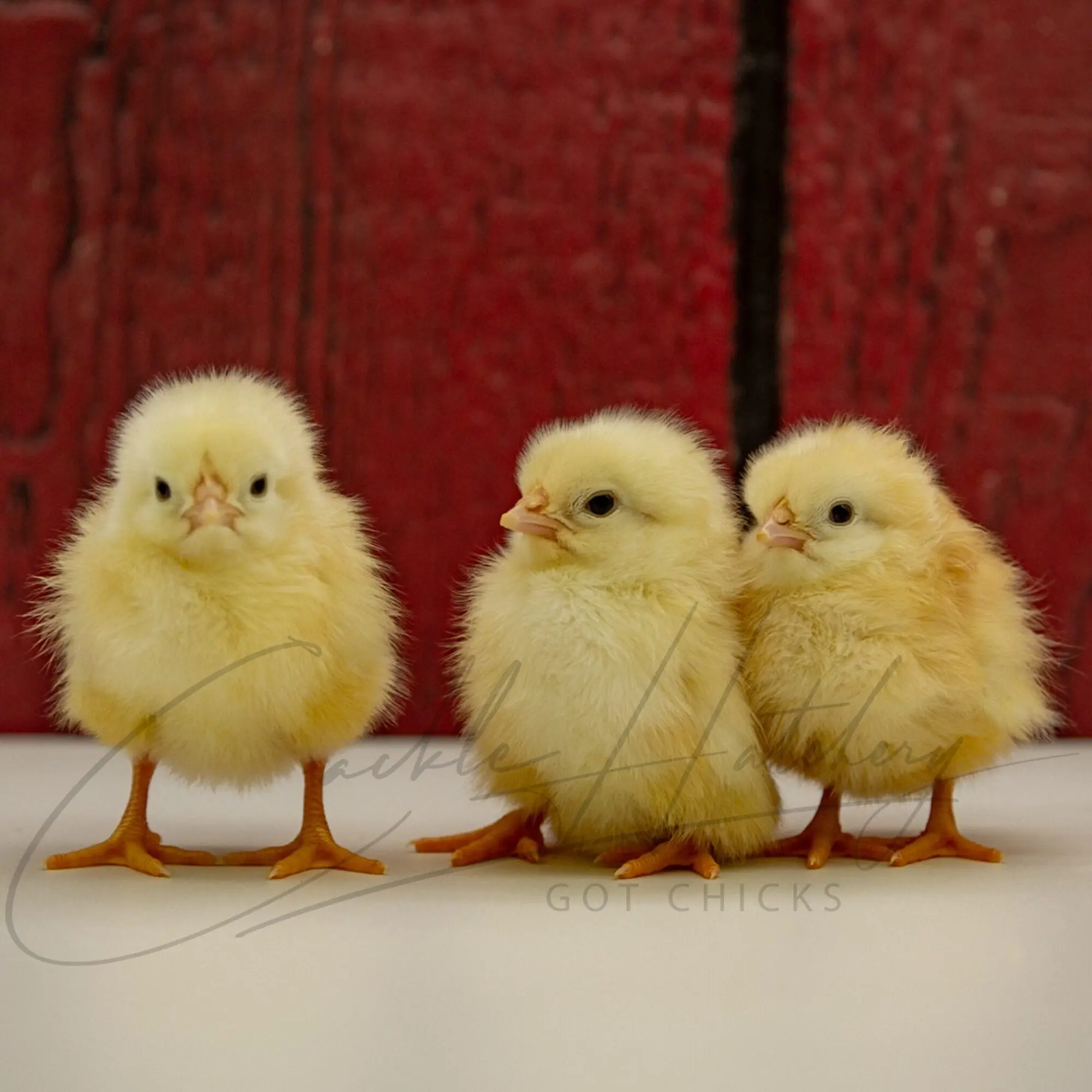
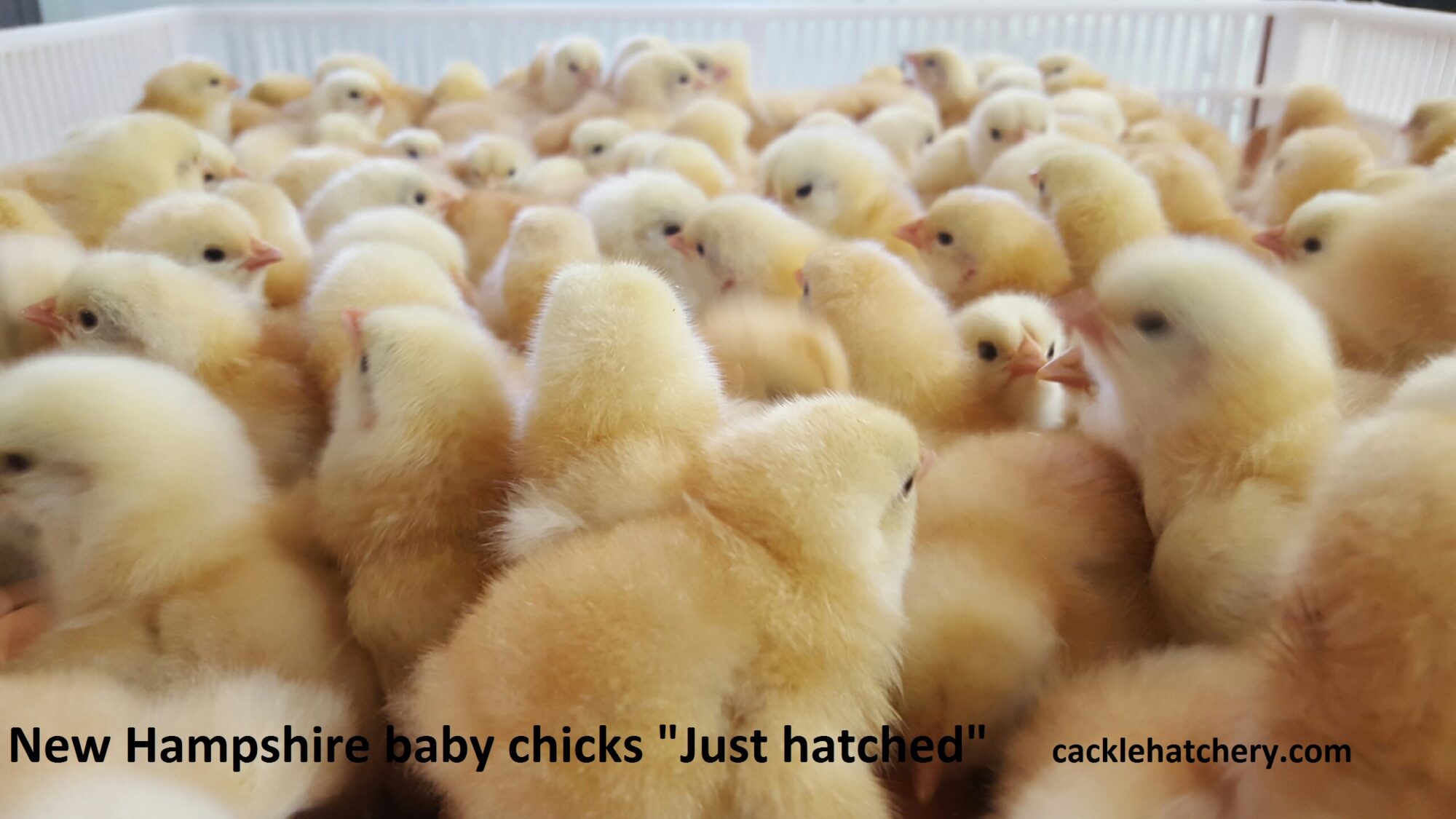
You can choose New Hampshire chicks when they are in season. Cackle also offers a Free Range New Hampshire option for customers who want a line especially suited to free-range settings.
Before you plan your order, check the Availability Chart for current hatch and shipping options. Availability can change by season, hatch date, and egg numbers.
Related Breeds and Helpful Cackle Hatchery® Resources
If you like New Hampshires, you may also want to compare Rhode Island Red chickens, Production Red chickens, Barred Rock chickens, and Delaware chickens. The Delaware is especially connected because breeders developed it from Barred Rock and New Hampshire breeding work.
For broader flock planning, browse brown egg laying chickens, hot weather chickens, baby chicks for sale, and the Chicken Breed Selector.
FAQ: New Hampshire Chicken
What is a New Hampshire chicken?
A New Hampshire chicken is an American heritage breed developed from Rhode Island Red ancestry. It matures early, lays brown eggs, and has enough body size for dual-purpose use.
Where did New Hampshire chickens originate?
They originated in New Hampshire and Massachusetts. Breeders selected Rhode Island Red strains for faster feathering, quicker growth, early maturity, and vigor.
When did the APA recognize the New Hampshire?
The American Poultry Association recognized the New Hampshire in 1935.
Are New Hampshire chickens good egg layers?
Yes. New Hampshire hens lay brown eggs and can be dependable backyard layers. Cackle estimates about 200–280 eggs per year, though actual production can vary with age, daylight, feed, housing, weather, and care.
What color eggs do they lay?
They lay brown eggs, usually large to extra-large in size.
Are New Hampshires good for meat?
Yes. They mature early and carry good body weight, so they have traditional meat value as well as egg value.
Are New Hampshire chickens friendly?
They are generally docile and manageable. With steady handling and good flock care, they can work well in backyard and homestead settings.
Are they good for beginners?
Yes. They can be a good choice for beginners who want a hardy brown egg layer with good size. Like all chickens, they still need clean water, balanced feed, dry housing, predator protection, and enough space.
Are New Hampshires good for free range?
Yes. They often do well when allowed to free range. Cackle also offers a Free Range New Hampshire option for customers who want a line suited to that purpose.
What is the difference between New Hampshire and Rhode Island Red chickens?
New Hampshires came from Rhode Island Red ancestry but were selected for faster feathering, quicker growth, earlier maturity, and vigor. Rhode Island Reds are generally darker red and have a longer history as their own breed.
Are New Hampshire chickens heritage chickens?
Yes. Cackle lists New Hampshires as a sustainable heritage chicken breed, and The Livestock Conservancy lists them with Threatened status.
How big do New Hampshire chickens get?
Cackle lists hens at about 6 1/2 pounds and roosters at about 8 1/2 pounds. Pullets average about 5 1/2 pounds, and cockerels average about 7 1/2 pounds.
What strain does Cackle Hatchery® use?
Cackle’s New Hampshire line traces back to the Newcomer strain, which was known as an egg-laying strain. The breeding farm has developed its pure New Hampshire bloodline since 1945.
Where can I check chick availability?
Check the Availability Chart for current hatch and shipping options. Availability can change by season, hatch date, and egg numbers.
Ordering Information
Check the current price, stock status and selectable options displayed on this page. Read the product information and applicable policies before adding this item to your cart.
Related Products
Related products


