



Lavender Ameraucana Chicken
Breed Facts
- Poultry Show Class: Large Fowl (All Other Standard Breeds)
- Weights: Hen ——-5 1/2 lbs
Rooster—-6 1/2 lb
Pullet——4 1/2 lbs
Cockerel—5 1/2 lbs - Purpose and Type: Laying blue eggs, pets and show: Production
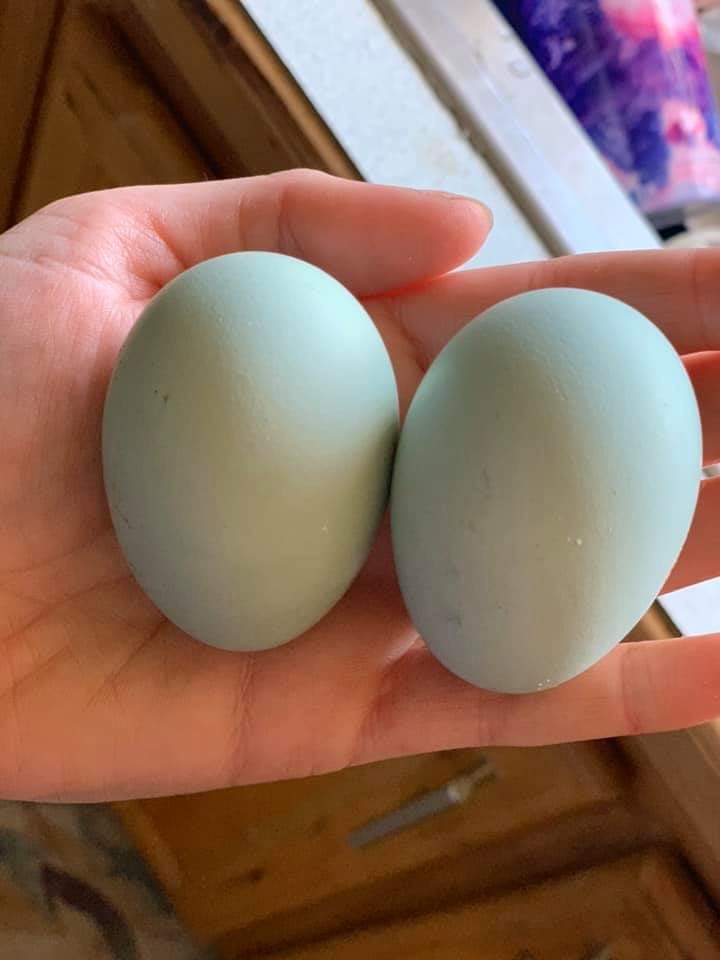
- Egg Shell Color: blue shell a few light green
- Egg Production: 180-200 eggs per year (estimates only, see FAQ)
- Egg Size: Medium-Large
- Temperament: Active/Flighty
- Gender Accuracy: 75-80%
- Fertility Percentage: 65-80%
- Broody: Non Setter
- Mating Ratio: 9 Females to 1 Male
- Roost Height: 4+ feet
- Country of Origin: USA
- APA: No
- TLC: Not Listed
- Breeder Farm Source: Cackle Hatchery® Poultry Breeding Farm has been developing our bloodline/strain of production type Lavender Ameraucana since 2015.
Lavender Ameraucana Chicken
Breed Overview and Origin
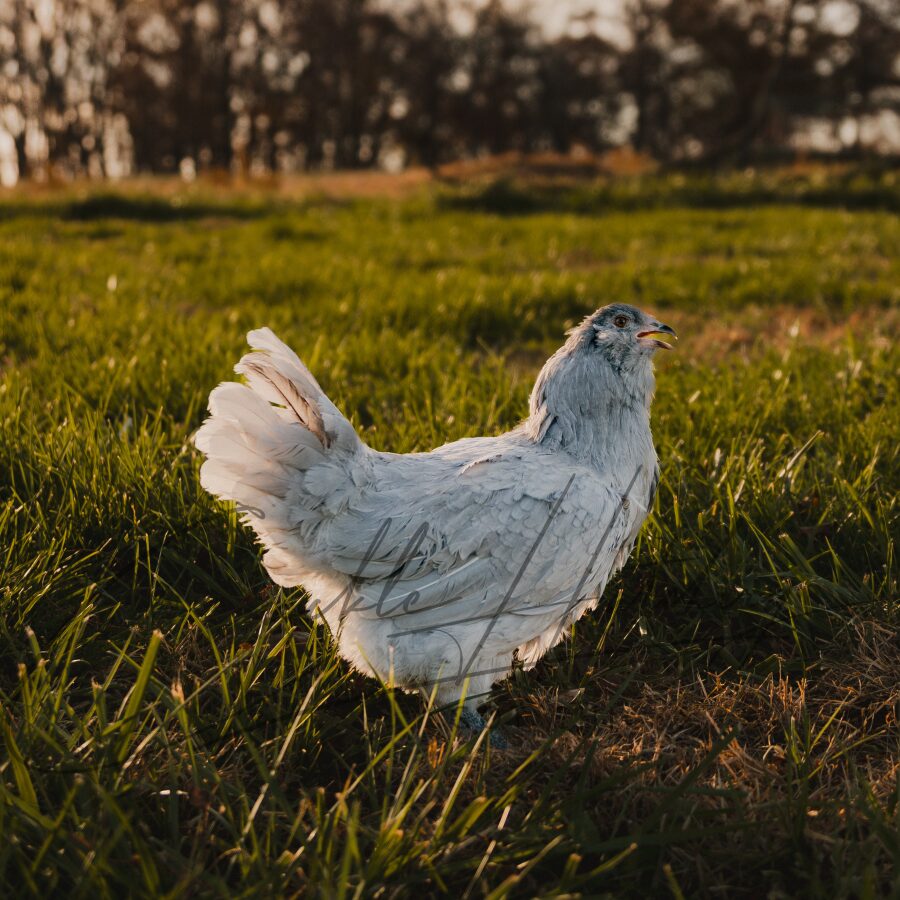
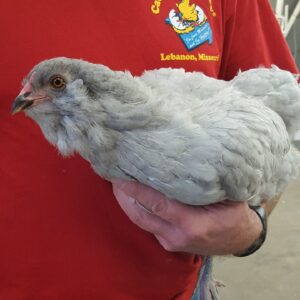
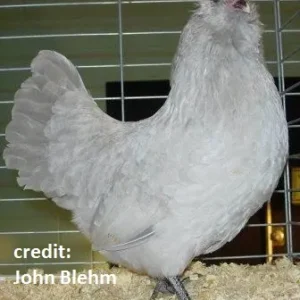
The Lavender Ameraucana Chicken is one of the most popular and sought-after Ameraucana varieties, known for soft lavender plumage, blue egg potential, muffs, beard, pea comb, slate legs, and true Ameraucana breed character. If you want a beautiful blue egg layer with a unique feather color and strong backyard appeal, Lavender Ameraucanas can be an excellent choice.
Cackle Hatchery® has been breeding Lavender Ameraucana chickens since 2015. The large fowl Lavender Ameraucana was originally created by Master Breeder John W. Blehm in 2005, and the variety continues to attract strong interest from Ameraucana breeders, backyard flock owners, and colored egg enthusiasts.
Lavender is also commonly called self blue in poultry standards. While many breeders use the word “lavender” because it refers to the lavender gene, the American Poultry Association uses the name Self Blue for the recognized large fowl Ameraucana variety. This can be confusing for customers, but in practical terms, Lavender Ameraucana and Self Blue Ameraucana often refer to the same color variety.
Because Lavender Ameraucanas are in limited supply, customers should order early. Cackle Hatchery® notes that this variety may be ordered as early as late November for delivery from mid-March through early August, depending on hatch availability.
Appearance and Characteristics
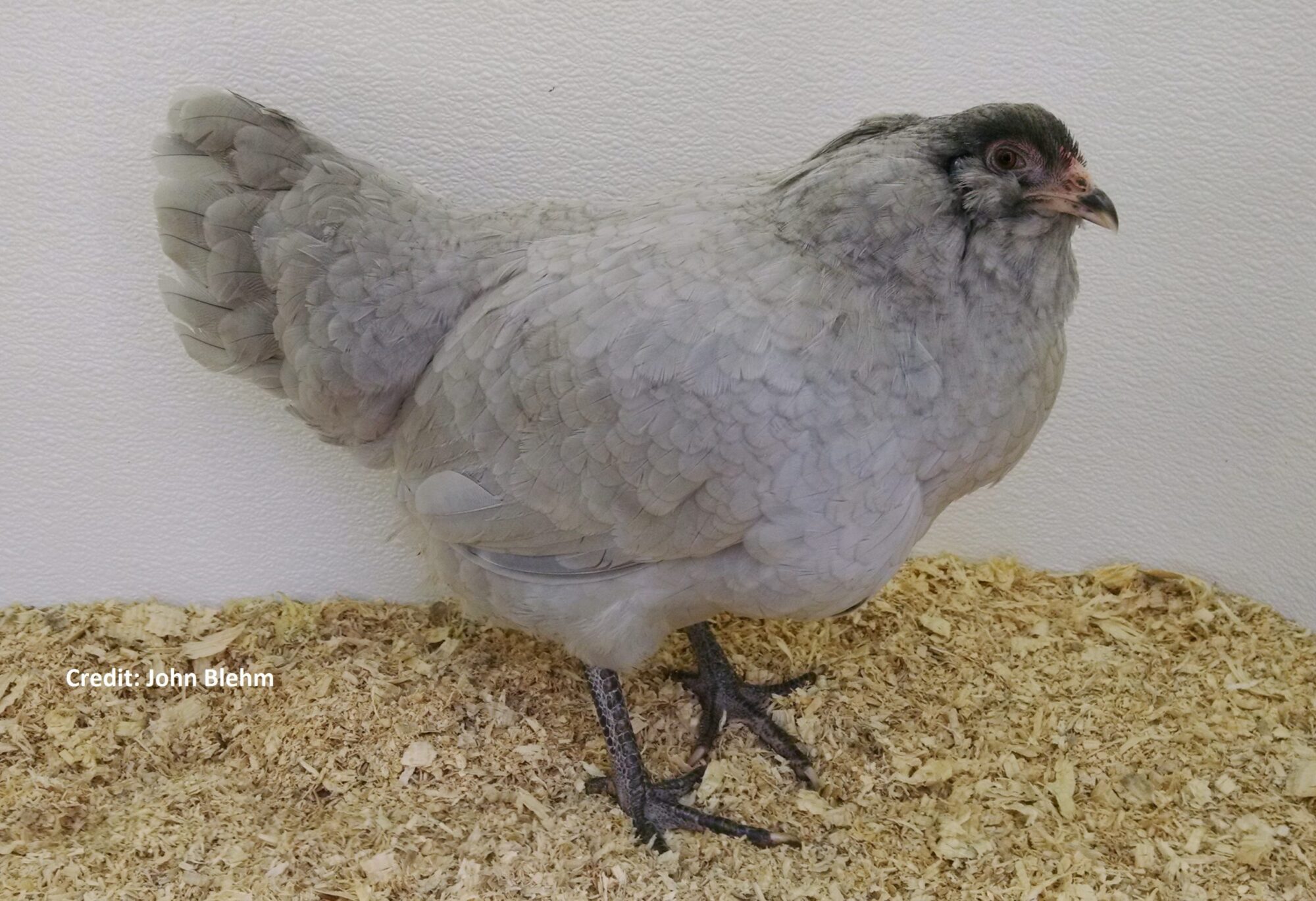
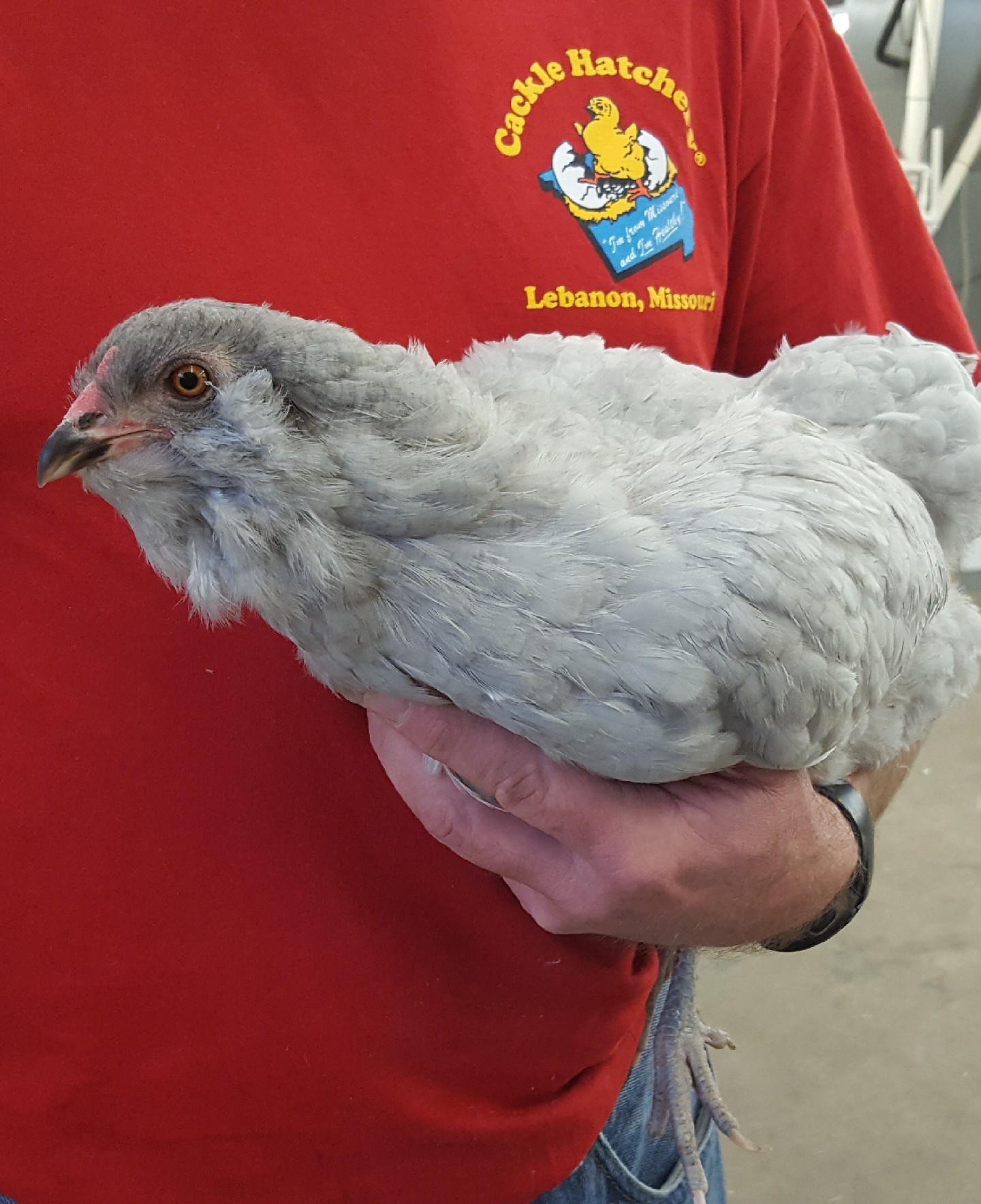
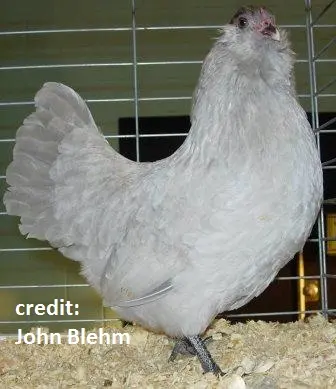
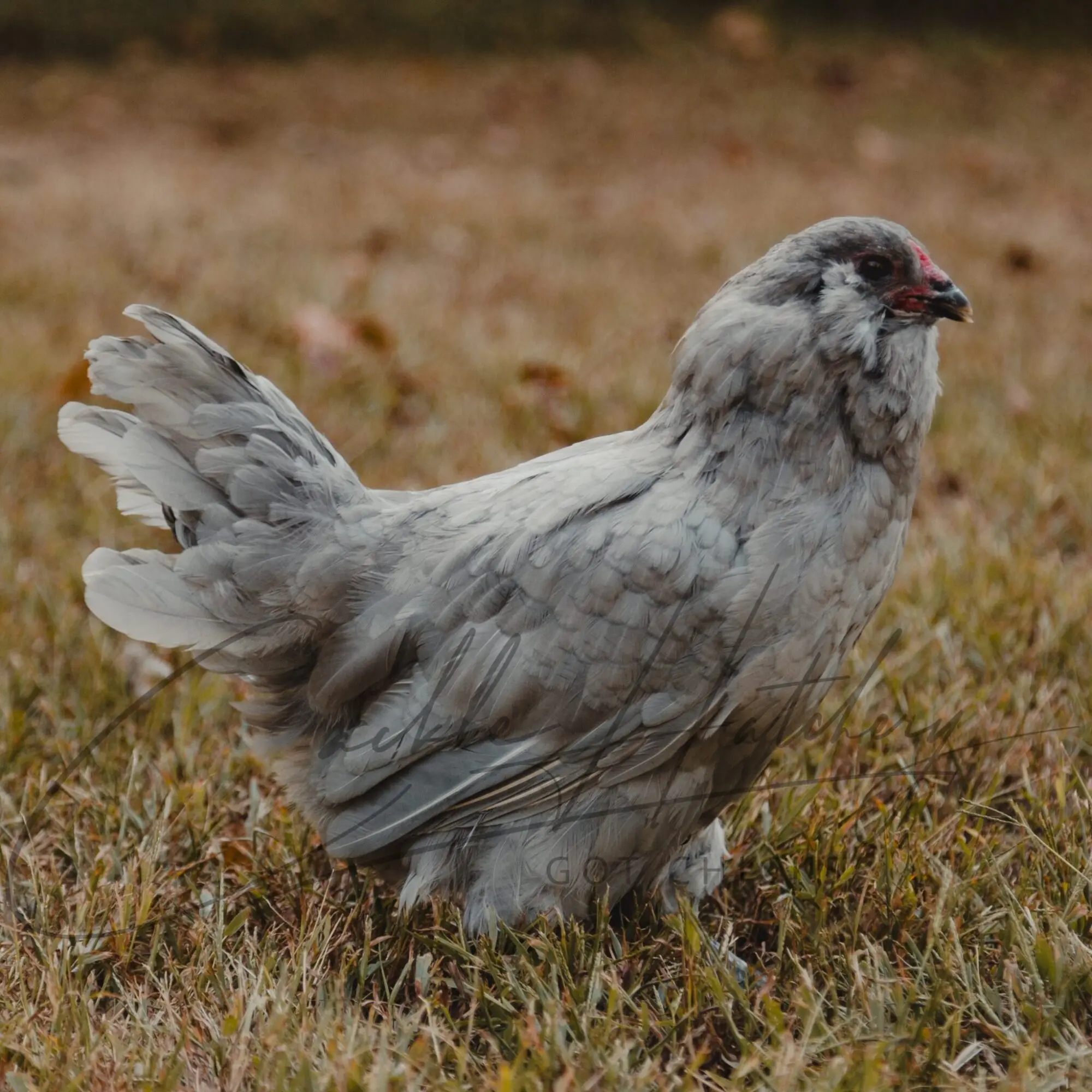
Lavender Ameraucanas have soft, even lavender-gray plumage, a pea comb, muffs, beard, slate-colored legs, and a full tail. Their calm color gives them a refined look that stands out in a mixed flock without the bold contrast of black or splash varieties.
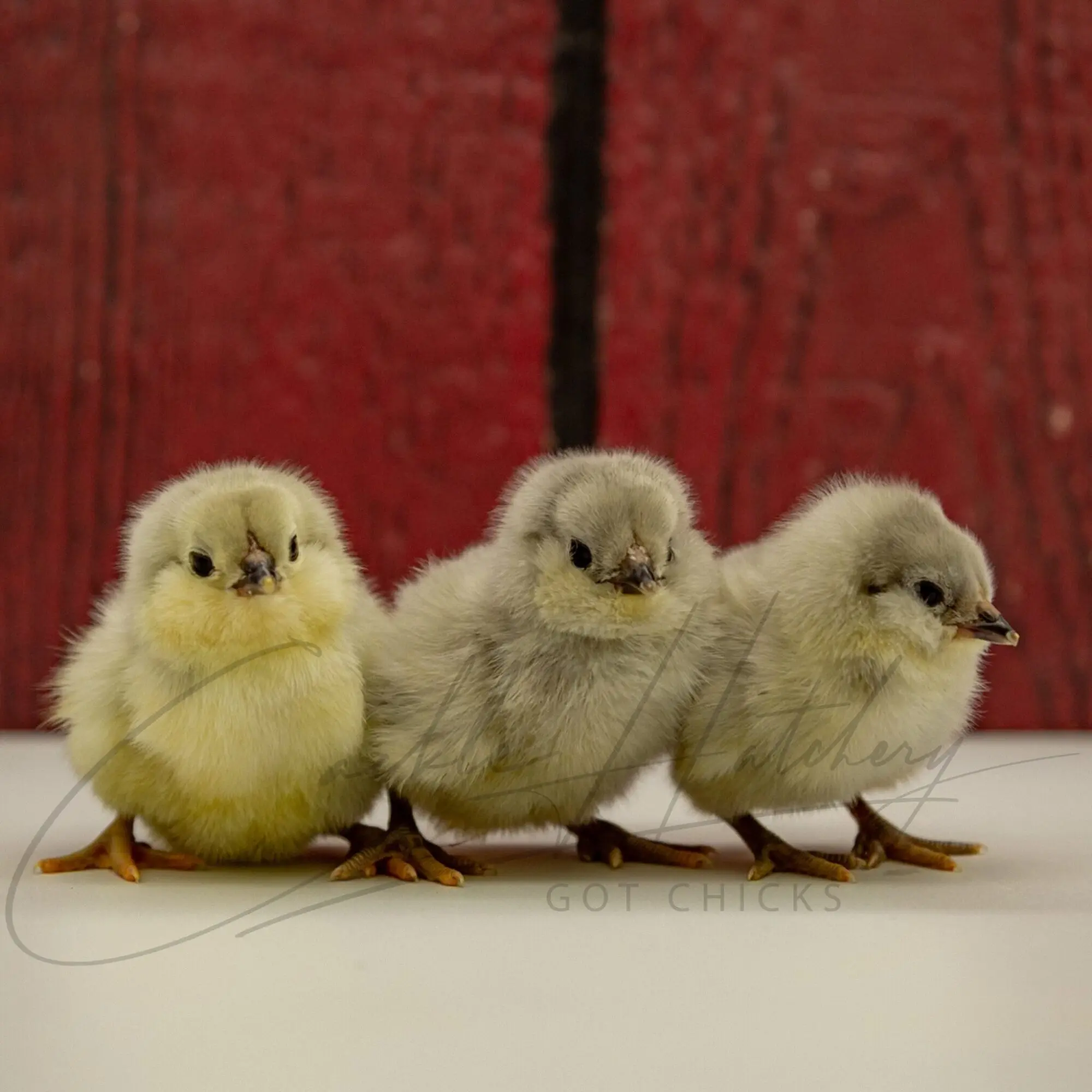
The lavender color is different from blue. Blue Ameraucanas may look similar, but blue does not breed true. Lavender, by comparison, comes from the lavender gene and does breed true when bred lavender to lavender.
These birds are especially popular with customers who want:
- Blue egg potential
- True Ameraucana type
- A rare and attractive feather color
- Muffs and beard
- A pea comb
- Slate legs
- A beautiful addition to a colored egg flock
Lavender Ameraucanas can be a great choice for backyard chicken keepers who want both appearance and egg color in one bird.
Lavender vs Self Blue: What’s the Difference?
The terms lavender and self blue often describe the same visual color in Ameraucanas, but the wording depends on context.
Many breeders prefer the term lavender because the color comes from the lavender gene. The American Poultry Association, however, uses the term Self Blue for the recognized large fowl Ameraucana variety.
For customers, the key point is simple: Cackle Hatchery® Lavender Ameraucanas are bred for that soft, even lavender-gray appearance. In poultry standard language, you may also see this variety called Self Blue Ameraucana.
This distinction matters for customers researching show standards, breed clubs, or genetic discussions. However, for backyard buyers, Lavender Ameraucana and Self Blue Ameraucana usually refer to the same color family.
Lavender Ameraucana vs Blue Ameraucana
Lavender Ameraucanas and Blue Ameraucanas can look similar at first glance, but their color genetics work differently.
A Lavender Ameraucana carries the lavender gene. When bred lavender to lavender, the chicks should be lavender.
A Blue Ameraucana carries blue genetics. Blue does not breed true. Depending on the breeding pair, blue poultry can produce blue, black, and splash offspring.
Choose Lavender Ameraucana if you want a true-breeding lavender/self-blue color variety.
Choose Blue Ameraucana chickens if you like the look of blue plumage and are comfortable with blue breeding genetics.
For customers who want to compare multiple blue egg layers, Cackle’s Best Blue Egg Layers article is a helpful resource.
Egg Color and Laying Expectations
Lavender Ameraucanas are popular because they can grow into hens that lay beautiful blue eggs. Cackle Hatchery® notes that these birds may occasionally lay a light green egg, but customers usually choose them for their blue egg potential.
Ameraucanas are true blue egg breeds, unlike many mixed colored egg layers that may lay a wider range of egg colors. That makes Lavender Ameraucanas especially appealing for customers who want a colorful egg basket with blue eggs, brown eggs, white eggs, and green eggs.
Egg color and production can vary by individual hen, age, season, nutrition, daylight, and flock management. Even so, Lavender Ameraucanas remain one of the most attractive options for customers who want both a blue egg layer and an unusual feather color.
For a broader comparison, customers can browse Cackle’s Colored Egg Layers for Sale category.
Important Note About the Shredder Gene and Feather Quality
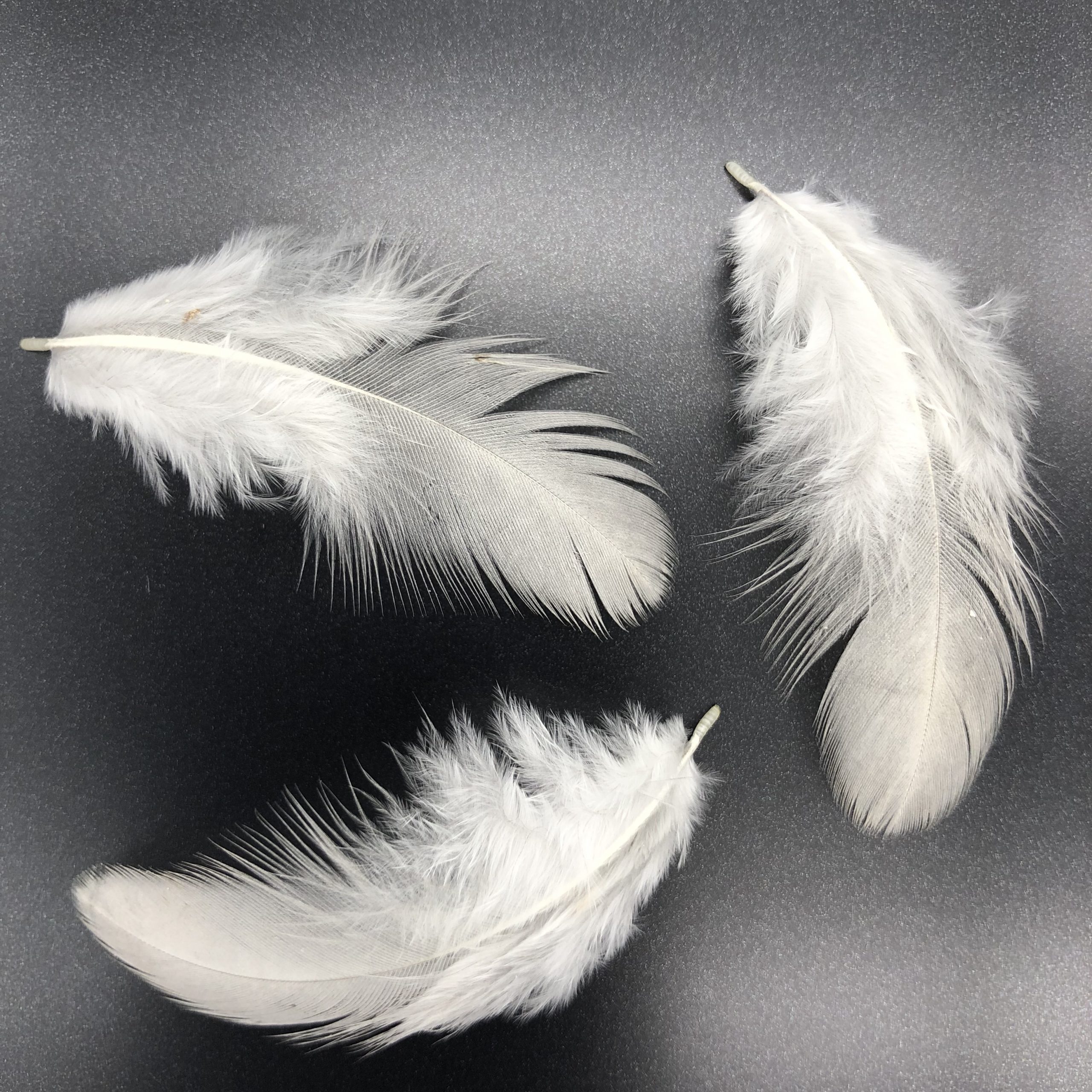
Lavender chickens can have an associated feather-quality issue often called the shredder gene. This issue may cause feathers to look frayed, split, rough, or tattered. It can be especially noticeable in the tails of males.
Cackle Hatchery® explains that the shredder gene in lavender chickens causes feathers to split and feather barbs to detach, which can create rough-looking feather development.
This does not mean every Lavender Ameraucana will have severe feather problems. However, customers should understand the possibility before ordering, especially if they plan to show or breed birds.
Customers who want to learn more should review Cackle Hatchery’s Shredder Gene blog for additional background.
Important Note About Scissor Beak / Cross Beak
Cackle Hatchery® notes that Ameraucanas have an inherent genetic beak issue. About 1 out of 100 chicks may develop some degree of scissor beak or cross beak as they grow.
Scissor beak, also called cross beak, means the top and bottom beak do not align properly. The condition can vary in severity, and it often becomes more noticeable as the chick matures.
Customers should understand this breed note before ordering Ameraucanas. Many chicks grow normally, but the genetic risk exists in the breed. For more information, Cackle Hatchery® recommends reviewing poultry care resources and the Cackle Hatchery blog.
Important Note About Sexing Accuracy
Ameraucanas can be more difficult to vent sex than many other breeds. Cackle Hatchery® notes that sexing accuracy for Ameraucanas averages about 80%, compared with the usual average of about 90% for many other breeds.
This matters most for customers ordering females. If you live where roosters are not allowed, or if you need a very exact male-to-female ratio, keep this lower sexing accuracy in mind before checkout.
Because Lavender Ameraucanas are limited and popular, customers should also review availability carefully before ordering.
Lavender Ameraucana vs Easter Egger
Lavender Ameraucanas and Easter Eggers both appeal to customers who want colored eggs, but they are not the same.
A Lavender Ameraucana is a true Ameraucana variety with more specific breed traits, including muffs, beard, pea comb, slate legs, tail, and blue egg genetics.
An Easter Egger is usually a mixed or non-standard colored egg layer. Easter Eggers can be wonderful backyard chickens, but they may vary widely in feather color, body type, and egg color.
Choose Lavender Ameraucana if you want true Ameraucana type, lavender/self-blue plumage, and blue egg potential.
Choose Easter Egg Chickens if you want a fun, colorful layer and are flexible on final egg shade.
Cackle’s Blue Egg Chicken: Ameraucana or Americana? article is a useful resource for customers comparing Ameraucanas, Americanas, Araucanas, and Easter Eggers.
Lavender Ameraucana vs Other Ameraucana Varieties
Lavender Ameraucanas share the same general Ameraucana traits as other Cackle Ameraucana varieties. The main differences are feather color, genetics, availability, and customer preference.
For customers who want a soft lavender-gray bird with true-breeding color genetics and blue egg potential, Lavender Ameraucana is a strong fit.
If you prefer a classic show favorite with solid black adult plumage, compare Black Ameraucana chickens.
For customers who prefer blue plumage and understand blue genetics, Blue Ameraucana chickens may be a better match.
If you want a lighter variety, White Ameraucana chickens are another option.
Customers who like multiple Ameraucana colors can review Cackle’s Ameraucana Chickens resource, which lists Black, Blue, Lavender, Splash, and White Ameraucanas.
For customers who want a variety of blue egg layers, the Blue Egger Female Surplus may also be worth comparing, depending on availability.
Temperament and Suitability
Lavender Ameraucanas can work well in backyard flocks, colored egg flocks, and small breeding programs. They appeal to customers who want a bird that looks unique, lays blue eggs, and still carries true Ameraucana identity.
This variety can work well for:
- Backyard blue egg flocks
- Colored egg basket projects
- Ameraucana enthusiasts
- Customers who want true Ameraucana traits
- Keepers who like rare feather colors
- Small breeding programs with careful selection
- Flocks with other colored egg layers
However, customers who want the earliest possible egg production may prefer a production layer. Also, customers who want perfect feather quality in every bird should understand the lavender feather-quality note before ordering.
Overall, Lavender Ameraucanas fit best with customers who value blue egg potential, lavender plumage, true Ameraucana traits, and a beautiful colored egg flock.
Is the Lavender Ameraucana Chicken Right for Your Flock?
Choose Lavender Ameraucana chickens if you want:
- Blue egg potential
- Lavender/self-blue plumage
- True Ameraucana type
- Muffs and beard
- Pea comb and slate legs
- A popular colored egg layer
- A true-breeding lavender color variety
- A bird developed from John W. Blehm’s lavender Ameraucana work
- A unique addition to a backyard flock
However, consider another breed if you need very high sexing accuracy, guaranteed perfect feather quality, or a lower-cost colored egg layer. In short, Lavender Ameraucanas are best for customers who want blue eggs, rare color, and true Ameraucana character.
Care and Housing Tips
Lavender Ameraucanas need the same dependable care as other standard-size chickens. They do best with a clean coop, secure run, proper feed, fresh water, and predator protection.
For best results, provide:
- A dry, well-ventilated coop
- Clean bedding
- Predator-resistant fencing
- Fresh water at all times
- Balanced chick starter and age-appropriate feed
- Enough roosting space
- Nest boxes when pullets near laying age
- Shade and ventilation during hot weather
- Protection from drafts and damp bedding in cold weather
Because feather quality can be a concern in lavender chickens, customers should provide good nutrition, clean housing, and enough space to reduce feather damage. If you plan to breed Lavender Ameraucanas, select future breeders carefully for both color and feather condition.
Recognition, Clubs, and Availability
Lavender Ameraucanas are often called Self Blue Ameraucanas in standard language. Cackle Hatchery® notes that it has been breeding Lavender Ameraucanas since 2015 and that its supply is limited.
The Ameraucana Breeders Club states that the APA accepted the standard for Self Blue Ameraucana Large Fowl in January 2020. Because naming can differ between breeders and poultry standards, customers may see both “Lavender Ameraucana” and “Self Blue Ameraucana” used when researching this variety.
Jeff Smith and Cackle Hatchery® are members of the Ameraucana Alliance Club. Customers who want to learn more about Ameraucana standards, history, and breeders can review the Ameraucana Alliance and Ameraucana Breeders Club websites.
Since hatch dates and shipping windows can change during the season, customers should check Cackle Hatchery’s Chicken Availability Chart before ordering.
Related Breeds and Helpful Cackle Hatchery® Resources
Customers who like Lavender Ameraucanas may also enjoy other Ameraucana varieties, Easter Eggers, blue egg layers, and Cackle’s comparison tools.
Helpful Cackle Hatchery® links for this product page include:
- Ameraucana Chickens
- Black Ameraucana chickens
- Blue Ameraucana chickens
- White Ameraucana chickens
- Splash Ameraucana chickens
- Easter Egg Chickens
- Blue Egger Female Surplus
- Colored Egg Layers for Sale
- Cackle Hatchery’s Best Blue Egg Layers
- Blue Egg Chicken: Ameraucana or Americana?
- Ameraucana Chickens in the Spotlight
- Baby chicks for sale
- Chicken Breed Selector
- Chicken Breeds List Comparison Chart
- Chicken Availability Chart
FAQ: Lavender Ameraucana Chicken
What is a Lavender Ameraucana Chicken?
A Lavender Ameraucana Chicken is a true Ameraucana variety with lavender/self-blue plumage, muffs, beard, pea comb, slate legs, tail, and blue egg genetics.
Is Lavender Ameraucana the same as Self Blue Ameraucana?
In most Ameraucana discussions, Lavender and Self Blue refer to the same color variety. Many breeders say lavender because of the lavender gene, while the American Poultry Association uses the name Self Blue.
Are Lavender Ameraucanas recognized by the APA?
The large fowl Self Blue Ameraucana standard was accepted by the APA in 2020. Customers may still see breeders use the name Lavender for the same color variety.
Who created the Lavender Ameraucana?
The large fowl Lavender Ameraucana was created by Master Breeder John W. Blehm in 2005.
Does lavender breed true?
Yes. Lavender bred to lavender should produce lavender chicks.
What is the difference between Lavender Ameraucana and Blue Ameraucana?
Lavender Ameraucanas breed true for lavender color. Blue Ameraucanas do not breed true and may produce blue, black, or splash offspring depending on the breeding pair.
Do Lavender Ameraucanas lay blue eggs?
Yes, Lavender Ameraucanas are bred as blue egg layers. Cackle Hatchery® notes that hens may occasionally lay a light green egg.
Are Lavender Ameraucanas good blue egg layers?
Yes. They are popular with customers who want blue eggs and a beautiful lavender-colored chicken. For more blue egg options, customers can review Cackle Hatchery’s Best Blue Egg Layers blog.
What is the shredder gene in Lavender Ameraucanas?
The shredder gene is a feather-quality issue associated with lavender chickens. It can cause feathers to split, fray, or look rough, especially in the tails of males.
Will every Lavender Ameraucana have feather-quality problems?
No, not every bird will have severe feather issues. However, customers should understand that lavender birds can be more prone to frayed or tattered feathering.
What is scissor beak or cross beak in Ameraucanas?
Scissor beak, also called cross beak, means the top and bottom beak do not align properly. Cackle Hatchery® notes that about 1 out of 100 Ameraucana chicks may develop some degree of this condition.
Does scissor beak get worse as chicks grow?
It can. Cackle Hatchery® notes that the condition typically gets worse as the chick grows, although severity can vary.
Are Lavender Ameraucana chicks easy to sex?
No. Cackle Hatchery® notes that Ameraucanas are harder to vent sex than many breeds. Sexing accuracy averages about 80% for Ameraucanas, compared with about 90% for many other breeds.
Are Lavender Ameraucanas good for backyard flocks?
Yes. Lavender Ameraucanas can work well in backyard flocks for customers who want blue eggs, true Ameraucana traits, and beautiful lavender plumage.
Are Lavender Ameraucanas good for beginners?
They can work for beginners who understand the lower sexing accuracy, possible scissor beak risk, limited availability, and lavender feather-quality note.
What is the difference between Lavender Ameraucana and Easter Egger?
Lavender Ameraucanas are true Ameraucanas with specific breed traits and blue egg genetics. Easter Eggers are mixed or non-standard colored egg layers that may vary widely in appearance and egg color.
What do Lavender Ameraucanas look like?
They have soft lavender-gray plumage, muffs, beard, pea comb, slate legs, and a full tail.
Does Cackle Hatchery® offer other Ameraucana varieties?
Yes. Cackle Hatchery® offers several Ameraucana varieties, including Black, Blue, Lavender, Splash, and White Ameraucanas, depending on availability.
Is Cackle Hatchery® connected with Ameraucana breed clubs?
Yes. Jeff Smith and Cackle Hatchery® are members of the Ameraucana Alliance Club. Customers can also learn more from Ameraucana breed organizations such as the Ameraucana Alliance and Ameraucana Breeders Club.
Where can I check Lavender Ameraucana availability?
Customers can check Cackle Hatchery’s Chicken Availability Chart for current hatch and shipping timing. Since Lavender Ameraucanas are limited, ordering early is recommended.
Order from Cackle Hatchery
Choose Lavender Ameraucana Chicken from cackle hatchery. Review the product information above for current options, availability and ordering details.
Related Products
Related products


