


Jumbo Cornish Cross Chicken
Breed Facts
- Poultry Show Class: Not Applicable
- Weights: Hen—–6 lbs
Rooster——10 lbs
Pullet—5 lbs
Cockerel—-7-8 lbs
6 wk pullets – 4 1/2 lbs Cockerel – 6 lbs - Purpose and Type: Meat; Production
- Egg Shell Color: Light Brown
- Egg Production: Poor
- Egg Size: Large
- Temperament: Docile
- Fertility Percentage:40-55%
- Broody: Non Setter
- Mating Ratio: 4 Females to 1 Male
- Roost Height: Floor
- Country of Origin: United States
- APA: No
- TLC: Not Listed
Jumbo Cornish Cross
Breed Overview and Origin
The Jumbo Cornish Cross chicken is a fast-growing meat bird bred for one main purpose: putting quality chicken meat in your freezer as efficiently as possible. If your goal is homegrown broilers rather than eggs, pets, or breeding stock, this is the bird most people choose.
This cross comes from commercial Cornish and White Rock-type parent stock. You may also hear it called a Cornish broiler, Cornish X, Cornish/Rock, or game hen depending on age and market use. Cackle Hatchery® currently hatches the Ross 308 bloodline/strain, a commercial broiler line known for efficient feed-to-meat performance.
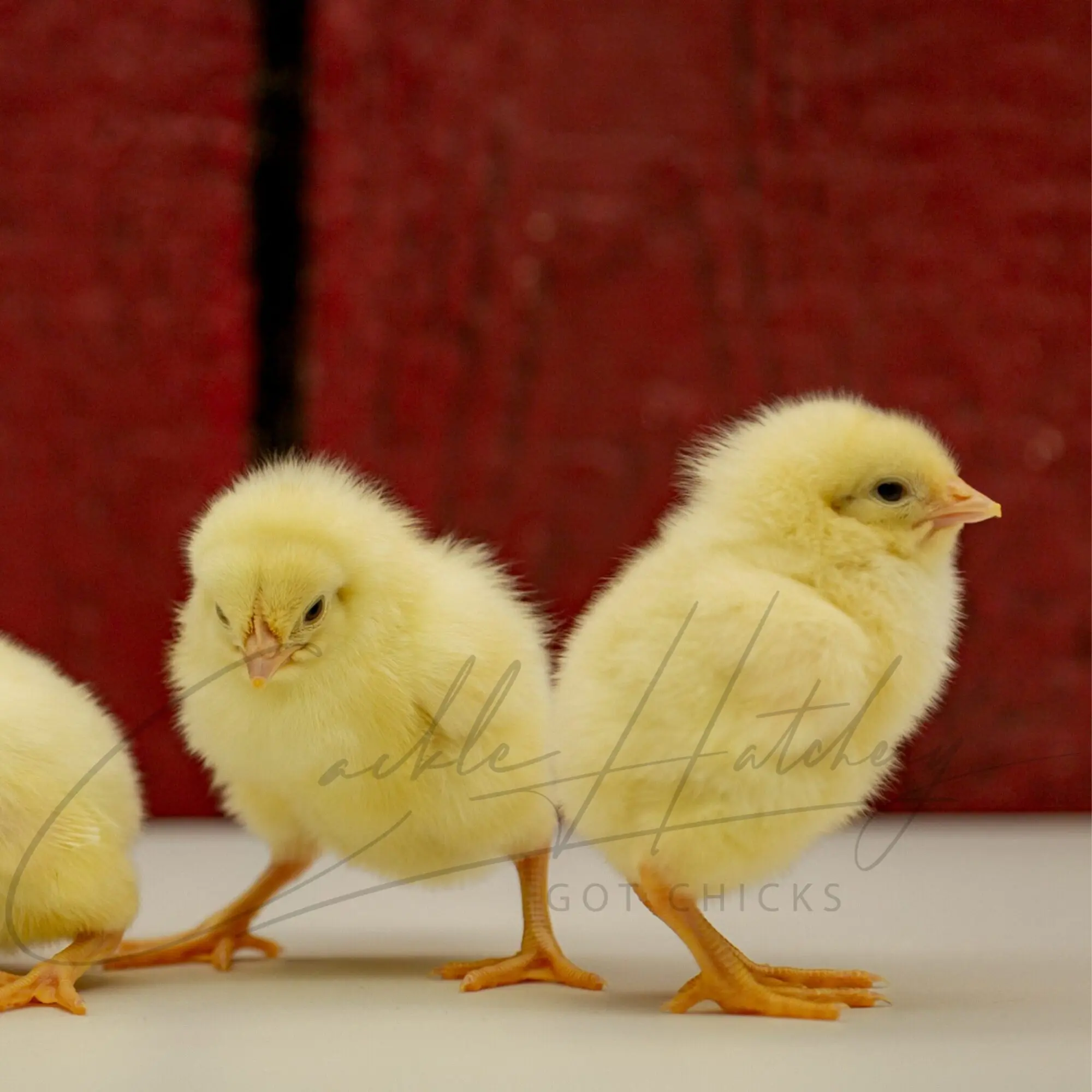
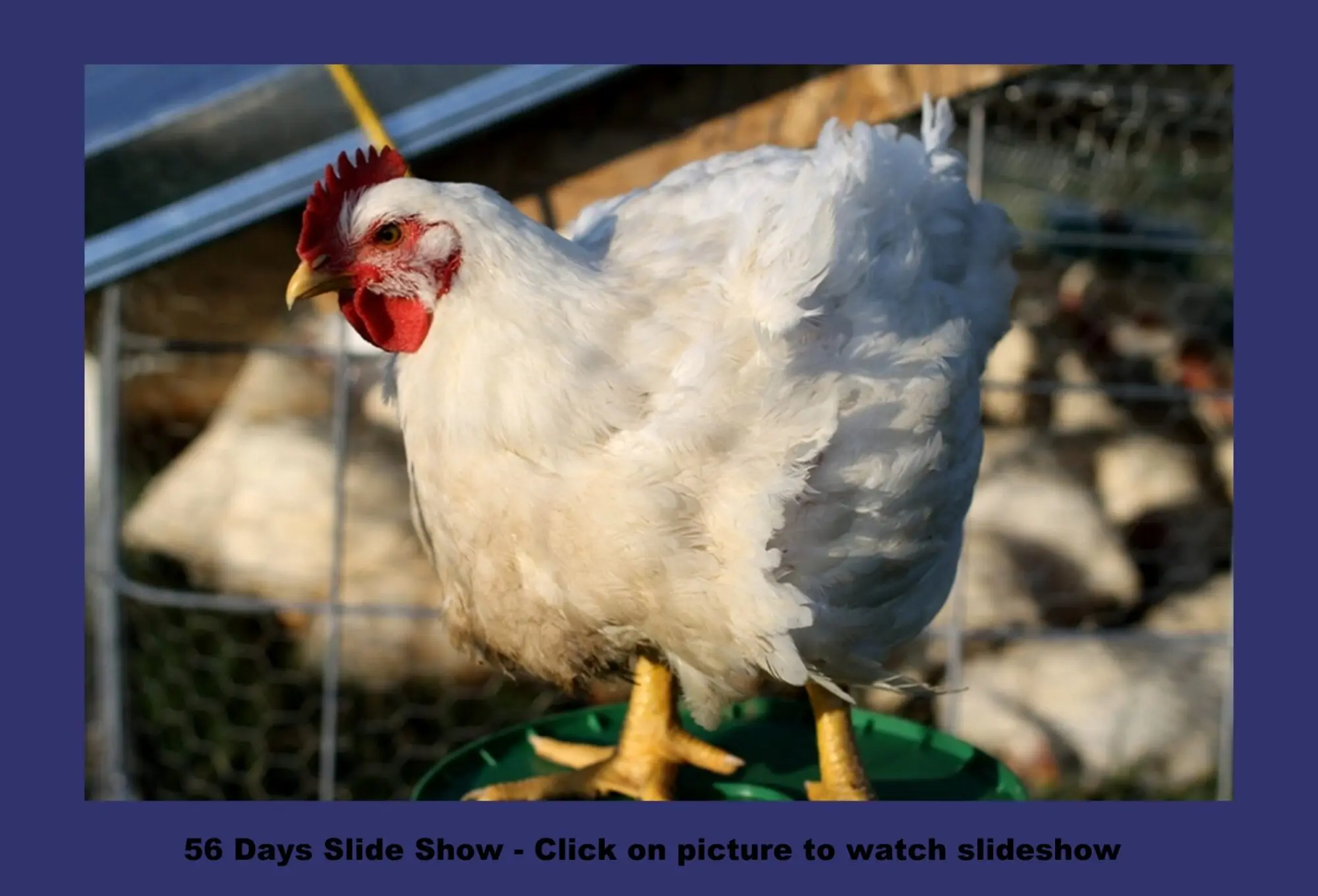
Jumbo Cornish Cross chickens grow much faster than heritage breeds. Cockerels can reach about 6 pounds by 6 weeks, while pullets can reach about 4 1/2 pounds by the same age. By 8 weeks, you can expect an average live weight of about 6 1/2 pounds when averaging males and females.
Appearance and Characteristics
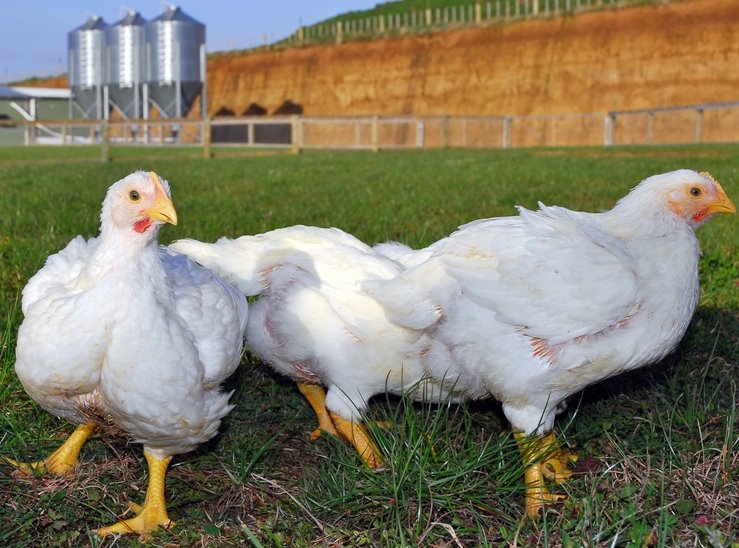
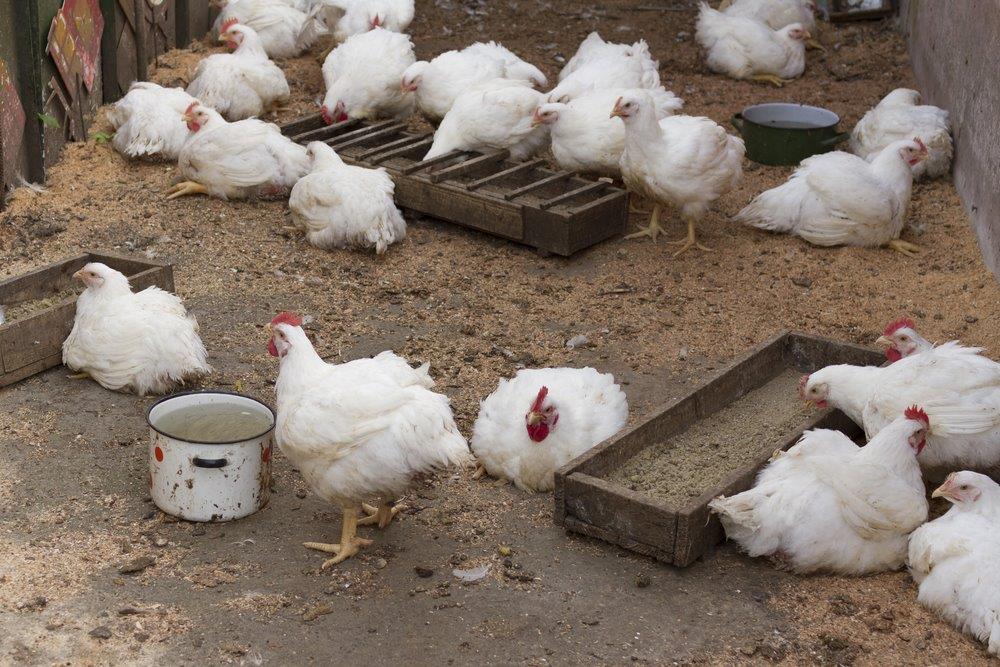
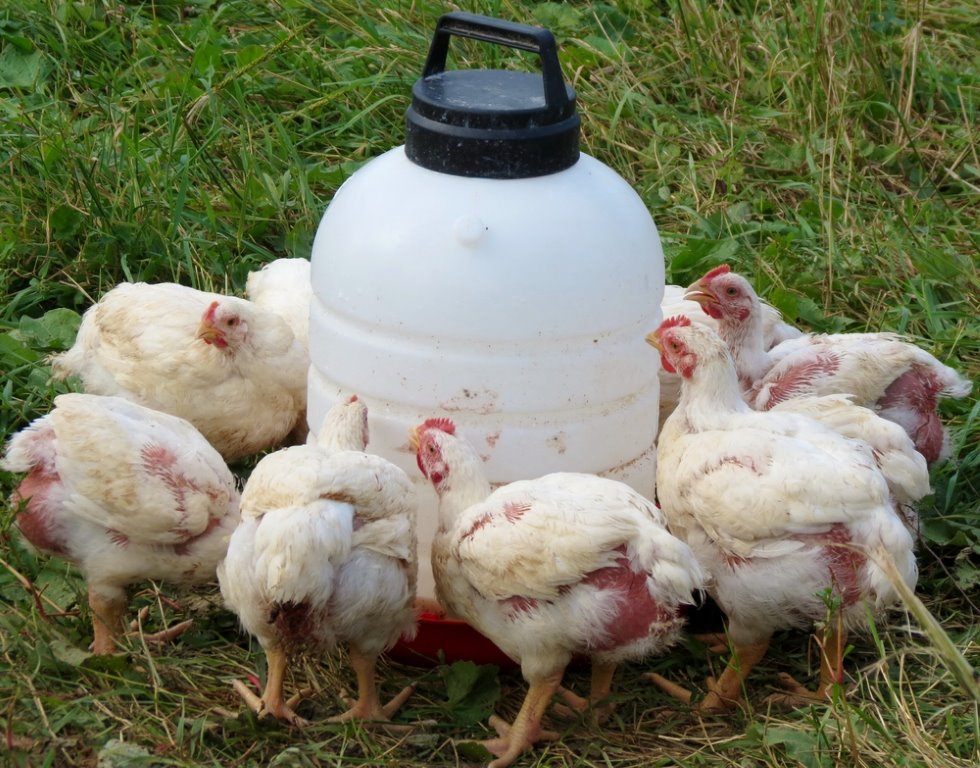
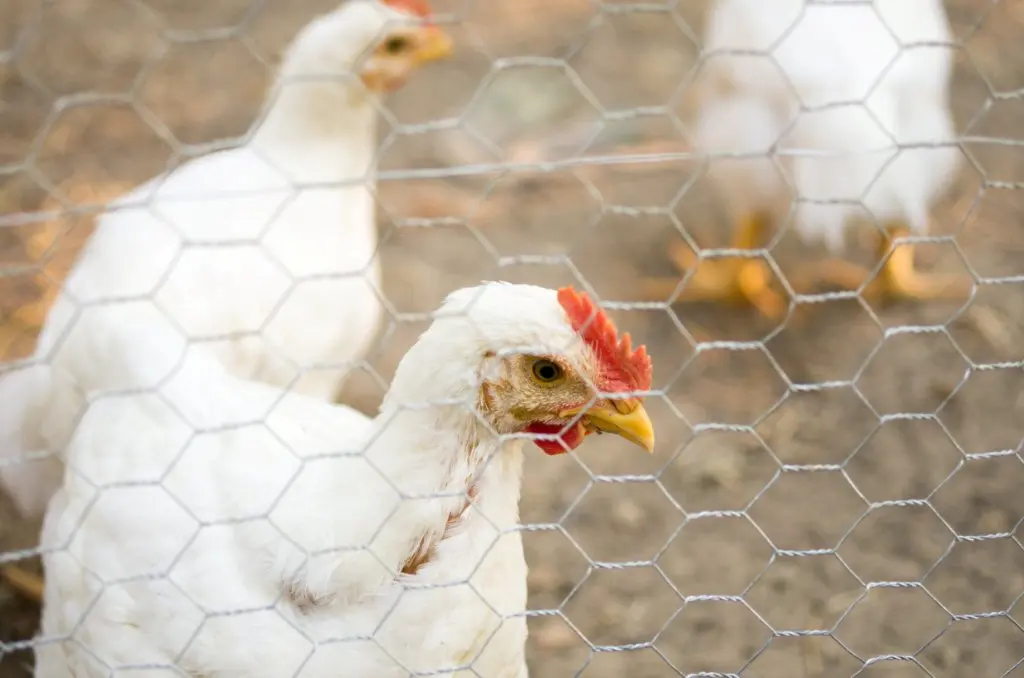
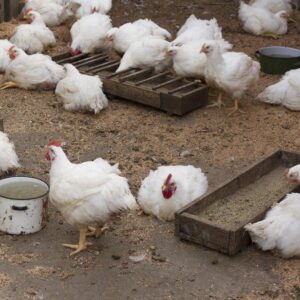
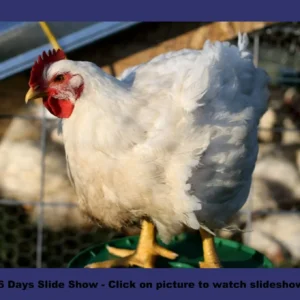
Jumbo Cornish Cross broilers are broad-breasted, white-feathered meat chickens with heavy bodies and fast muscle growth. They do not look or act like a typical laying breed. They spend much of their time eating, resting, and gaining weight.
These birds have light brown eggs listed in the breed facts, but they are poor egg producers and should not be raised for laying. Their purpose is meat. They are also non-setters and do not make sense as breeding birds for the backyard flock.
Because they grow so quickly, they should stay on the floor rather than using high roosts. Cackle lists floor-level roost height for this bird, which makes sense for a heavy broiler with a short harvest window.
Jumbo Cornish Cross vs Heritage Meat Chickens
Choose Jumbo Cornish Cross if you want the fastest route to freezer meat. These birds can reach harvest size in a matter of weeks, while heritage dual-purpose breeds take much longer to grow.
Choose a heritage meat or dual-purpose breed if you want slower growth, more traditional foraging behavior, longer flock life, or birds that can also lay eggs. A Cornish Cross is not built for long-term flock keeping. It is built for efficient meat production.
Cackle’s article Which Is Best for Meat: Cornish Broiler or Heritage Breed? explains that the biggest difference is time from hatch to harvest. Cornish broilers grow much faster than heritage chickens.
Egg Production and Utility
Jumbo Cornish Cross chickens are meat birds, not egg layers. Their value comes from rapid growth, broad breasts, and feed efficiency.
Cackle notes that it takes roughly 14 pounds of feed to raise one chick to 8 weeks of age, with an expected average live weight of about 6 1/2 pounds at 8 weeks. Feed should be high protein, 21% or better, to support proper growth.
Harvest timing usually falls between 4 and 10 weeks, depending on your desired finished weight. Many keepers process around 6 to 8 weeks. Waiting too long can lead to health problems because these birds grow faster than their bones, heart, muscles, and tendons can comfortably support.
Feeding and Management Tips
Jumbo Cornish Cross chickens need careful management. They grow fast, and that fast growth is both the benefit and the challenge.
Feed a high-protein ration of 21% or better. Many keepers remove feed at night to slow growth slightly and give bones and tendons time to keep up with muscle development. If you restrict feed, do not use small-particle bedding such as sawdust or fine shavings. Hungry broilers may eat the bedding, which can make them sick or even kill them.
Raise these broilers separately from smaller or slower-growing poultry. Their size and appetite can overwhelm lighter breeds, and fast-growing broilers may trample smaller chicks.
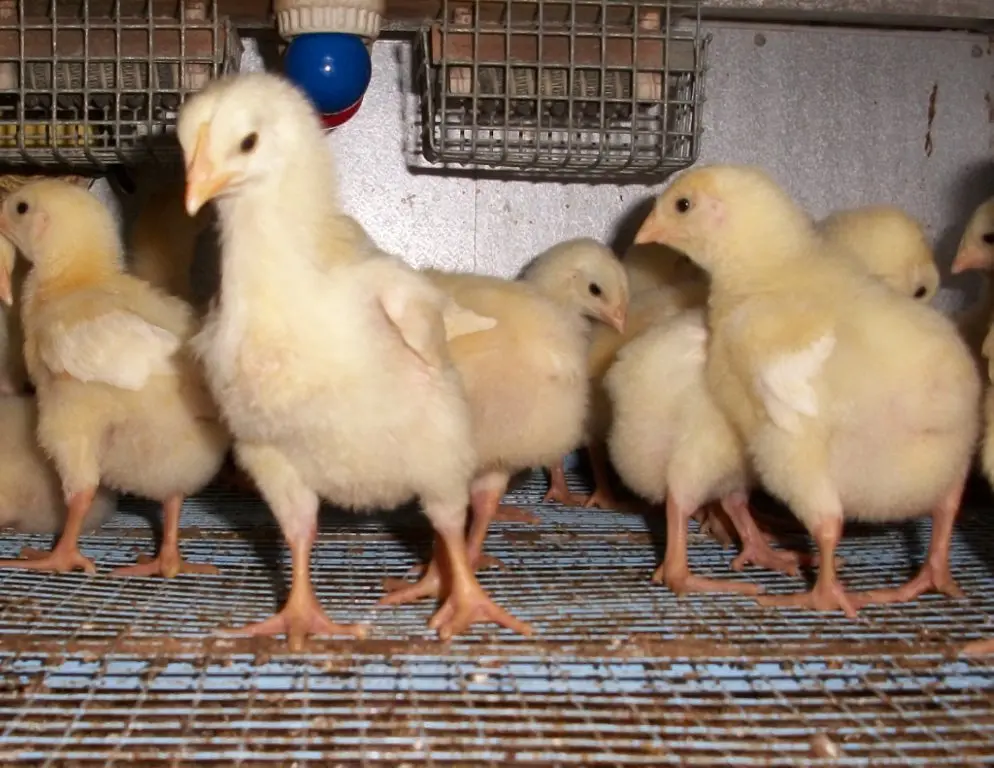
You can raise them in a brooder, tractor, pasture pen, or free-range-style meat setup, but keep the system clean, dry, and easy to manage. These birds gain weight quickly, so good bedding, ventilation, feeder space, and water access matter every day.
For more practical guidance, read Two Ways to Brood Cornish Cross Broiler Chickens and Why Raise Cornish Cross Chickens. Cackle notes that Cornish Cross broilers can put meat in the freezer faster than any other livestock.
Health and Harvest Notes
Because these birds grow so fast, they need a planned harvest date. They are not a long-term backyard chicken.
If you keep Cornish broilers too long, they can develop heart, bone, muscle, tendon, and leg issues. Some birds may also develop sores from sitting too much. Ascites, or fluid buildup in the body cavity, can also occur when growth outruns the bird’s system.
High elevation matters, too. If you live around 5,000 feet or higher, Cornish broilers may have more trouble with heart stress and related health issues. Take that into account before ordering.
Cackle’s Green Muscle Disease in Broiler Chickens article also explains that green muscle disease is not an infectious disease, but a muscle degeneration disorder that affects Cornish-cross broilers.
Temperament and Suitability
Jumbo Cornish Cross chickens are generally docile, but they are not pet chickens. They are bred for meat production, not long-term companionship, broodiness, or breeding.
They can work well for families, homesteads, small farms, and anyone who wants to raise meat at home. Still, they need the right setup. Keep them clean, dry, fed properly, and protected from predators. Plan your processing date before the chicks arrive so you are ready when they reach the right weight.
This is a good bird for meat production. It is not a good bird for a mixed long-term backyard laying flock.
Is the Jumbo Cornish Cross Right for Your Flock?
Choose Jumbo Cornish Cross if you want:
A fast-growing meat chicken
A broad-breasted broiler
A Ross 308 commercial meat strain
Efficient feed-to-meat conversion
A harvest window around 4 to 10 weeks
A freezer-filling project for the homestead
A bird for chicken tractors or broiler pens
A practical meat bird, not a pet or layer
Overall, this is the best choice when your goal is efficient homegrown chicken meat. It is not the right fit if you want eggs, breeding stock, a long-lived backyard pet, or a heritage-style flock bird.
If you are still comparing meat options, browse meat and broiler chickens or read Which Is Best for Meat: Cornish Broiler or Heritage Breed?.
Breed History and Preservation
The Jumbo Cornish Cross is not a heritage breed. It is a modern commercial meat cross developed for fast growth, broad breasts, and efficient feed conversion.
For the past several decades, Cornish Cross-type broilers have dominated the commercial chicken meat market. They grow faster than heritage breeds, dress out well, and produce the broad breast meat many customers expect.
Because this is a production cross, preservation does not work the same way it does for heritage breeds. These birds are not intended for home breeding. If you want consistent results, start with chicks from the proper commercial parent lines.
Recognition and Availability
The American Poultry Association does not recognize the Jumbo Cornish Cross as a standard breed. Cackle lists its poultry show class as not applicable, APA status as no, and The Livestock Conservancy status as not listed.
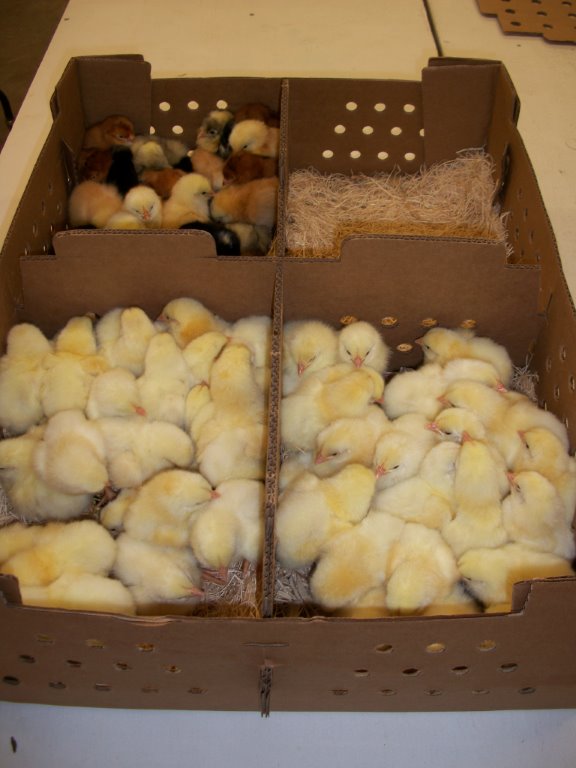
You can order Jumbo Cornish Cross as not-sexed baby chicks only when available. Cackle lists seasonal shipping from February through September. Before you plan your broiler project, check the Availability Chart for current hatch and shipping options.
During hot weather, additional shipping charges may apply to help support safe delivery.
Related Breeds and Helpful Cackle Hatchery® Resources
If you want meat birds, compare meat and broiler chickens, Red Broilers, and heritage dual-purpose breeds before choosing your flock.
Helpful Cackle resources include:
Why Raise Cornish Cross Chickens
Two Ways to Brood Cornish Cross Broiler Chickens
9 Common Questions about Meat Chickens
Green Muscle Disease in Broiler Chickens
Which Is Best for Meat: Cornish Broiler or Heritage Breed?
Raising Cornish-Cross Chickens for Meat
The booklet on raising Cornish Cross chickens covers brooding, feeding, and processing steps for home meat projects.
FAQ: Jumbo Cornish Cross Chicken
What is a Jumbo Cornish Cross chicken?
A Jumbo Cornish Cross is a fast-growing meat chicken made from Cornish and White Rock-type parent stock. It is bred for efficient meat production, not eggs, pets, or home breeding.
Is Jumbo Cornish Cross the same as Cornish X?
Yes. Jumbo Cornish Cross, Cornish X, Cornish/Rock, Cornish broiler, and broiler chicken often refer to the same general type of fast-growing meat bird.
What strain does Cackle Hatchery® use?
Cackle currently hatches the Ross 308 bloodline/strain for Jumbo Cornish Cross broilers.
How fast do Jumbo Cornish Cross chickens grow?
They grow very quickly. Cockerels can reach about 6 pounds by 6 weeks, while pullets can reach about 4 1/2 pounds. By 8 weeks, the average live weight is about 6 1/2 pounds.
When should you butcher Jumbo Cornish Cross chickens?
Most keepers process them between 4 and 10 weeks, depending on desired weight. Many harvest around 6 to 8 weeks.
How much feed does one Jumbo Cornish Cross need?
Cackle estimates about 14 pounds of feed to raise one chick to 8 weeks of age. Feed should be high protein, 21% or better.
Are Jumbo Cornish Cross chickens good egg layers?
No. They are poor egg producers and are bred for meat, not laying.
Can Jumbo Cornish Cross chickens be pets?
They are not recommended as pets. Their bodies grow too fast for long-term health, so they should be raised as meat birds with a planned harvest date.
Can you breed Jumbo Cornish Cross chickens?
Backyard breeding is not recommended. They are a commercial cross, and they are not meant to serve as breeding stock.
Can you raise Jumbo Cornish Cross with other chicks?
It is better to raise them separately. They grow so fast that they may trample or crowd smaller, slower-growing breeds.
Should you restrict feed for Jumbo Cornish Cross chickens?
Many keepers remove feed at night to slow growth and help bones and tendons keep up. When restricting feed, avoid fine bedding because hungry birds may eat it.
Do Jumbo Cornish Cross chickens need high-protein feed?
Yes. Feed a high-protein ration of 21% or better to support proper growth.
Do Jumbo Cornish Cross chickens have health problems?
They can develop leg, heart, muscle, tendon, and sitting-related problems if kept too long. Ascites may also occur when growth is too rapid.
Can you raise Jumbo Cornish Cross at high elevation?
Use caution if you live around 5,000 feet or higher. These broilers may become more prone to heart stress and related health issues at high elevation.
What is green muscle disease in broilers?
Green muscle disease is a muscle degeneration disorder, not an infectious disease. Cackle notes that it affects Cornish-cross broilers, not other meat chicken types.
Where can I check chick availability?
Check the Availability Chart for current hatch and shipping options. Jumbo Cornish Cross chicks ship seasonally, usually February through September.

Order from Cackle Hatchery
Choose Jumbo Cornish Cross Chicken from cackle hatchery. Review the product information above for current options, availability and ordering details.
Related Products
Be the first to review “Jumbo Cornish Cross Chicken”
Related products



Reviews
There are no reviews yet.