


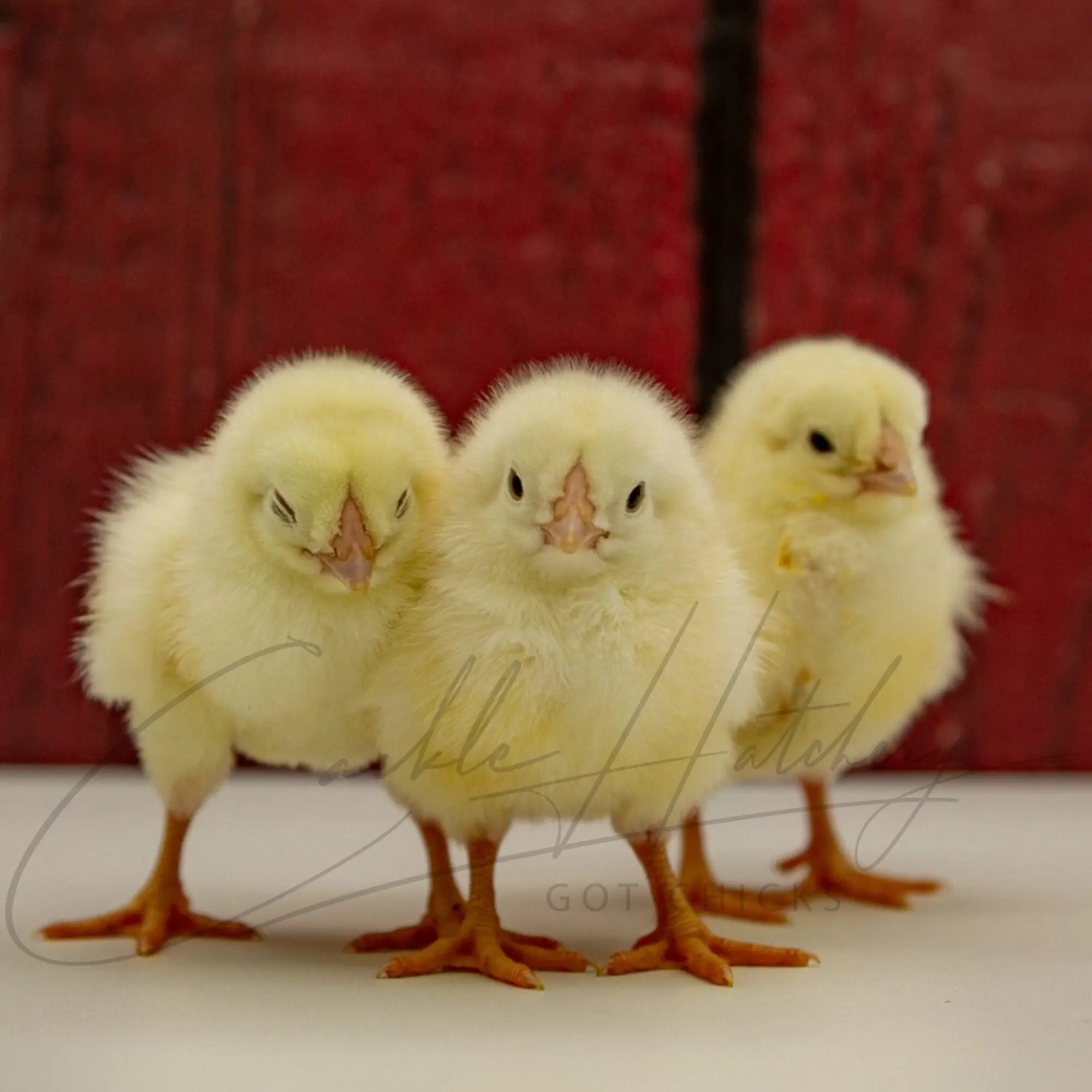




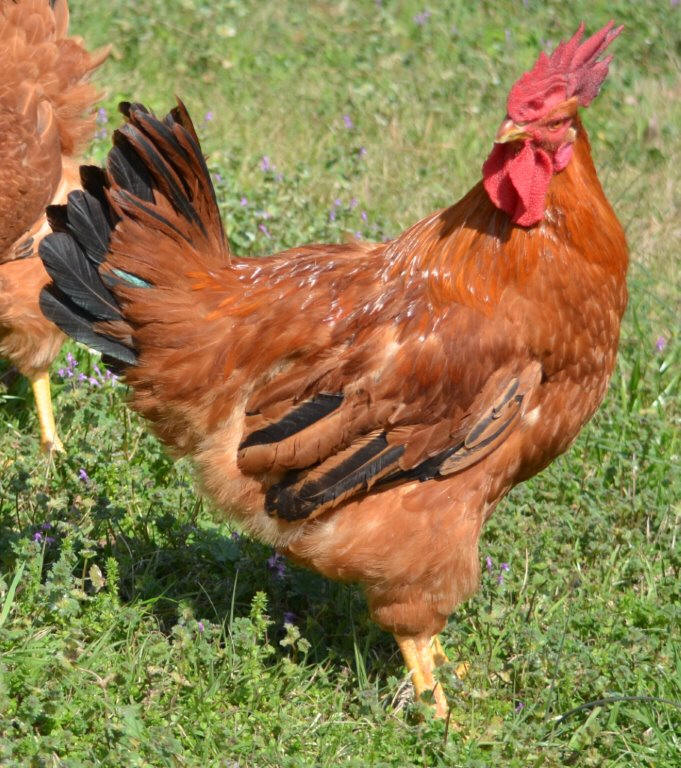
Buy White Chantecler Chicken Online
Buy white chantecler chicken online from cackle hatchery. Compare the bird or breed details, available options, current availability and delivery conditions before ordering.
White Chantecler Chicken
Breed Facts
- Poultry Show Class: American Class
- Weights: Hen—–6 1/2 lbs
Rooster——8 1/2 lbs
Pullet—-5 1/2lbs
Cockerel—–7 1/2 lbs - Purpose and Type: Dual, Egg Laying and meat; Exhibition
- Egg Shell Color: Brown
- Egg Production: 150-200+ eggs per year (estimates only, see FAQ)
- Egg Size: Large
- Temperament: Docile
- Fertility Percentage: 40-55%
- Broody: Variable
- Mating Ratio: 7 Females to 1 Male
- Roost Height: 2 to 4 feet
- Country of Origin: Quebec, Canada
- APA: Yes, Recognized by the American Standard of Perfection in 1921.
- TLC: Watch Status, Considered a sustainable heritage chicken breed
- Breeder Farm Source: Cackle Hatchery® Poultry Breeding Farm used seed stock from Greg Oakes and John W Blehm developing since 2012.
White Chantecler Chicken
Breed Overview and Origin
The White Chantecler chicken is a rare Canadian heritage breed built for cold weather, brown eggs, and practical farm use. If you want a calm, friendly chicken that can handle harsh winters better than many common breeds, the White Chantecler deserves a close look.
This breed originated in Quebec, Canada, under the supervision of Brother Wilfrid Chatelain at the Cistercian Abbey in Oka. The goal was simple: create a vigorous, hardy chicken that could stand up to Canadian winters and still provide both eggs and meat. Cackle Hatchery’s article Heritage Chicken Breed: The White Chantecler explains that the breed was developed for white plumage, tight feathering, winter laying, a frost-resistant cushion comb, and tiny wattles.
The White Chantecler was introduced to the public in 1918 and entered the American Poultry Association Standard of Perfection in 1921. It also holds the honor of being the first Canadian chicken breed.
Appearance and Characteristics
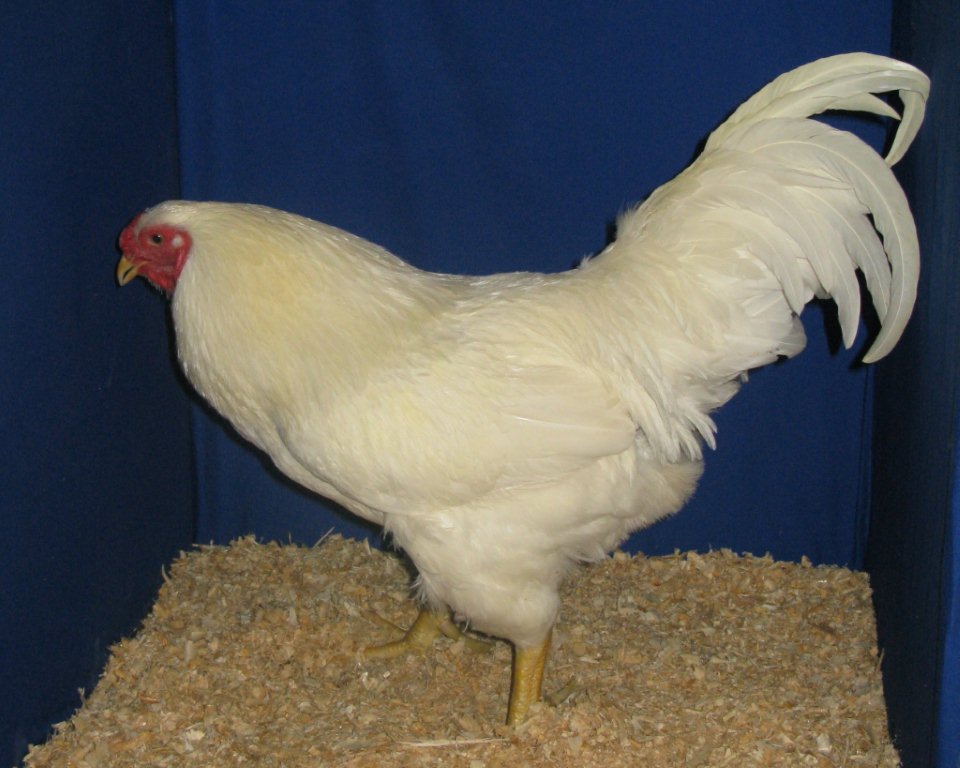
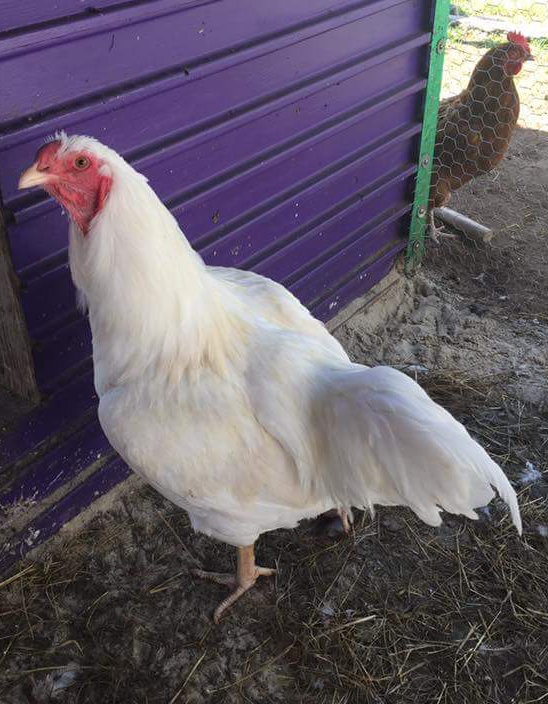
White Chanteclers have white plumage, a sturdy dual-purpose body, and a small cushion comb that sits low on the head. That comb can look almost like a small round button. They also have nearly no wattles, which gives them less exposed flesh in cold weather.
That matters in winter. Large combs and wattles can be prone to frostbite, but the Chantecler’s small comb and tiny wattles help protect it in cold climates. Cackle’s cold weather chicken category notes that many winter-hardy breeds have smaller combs and wattles, which lowers frostbite risk.
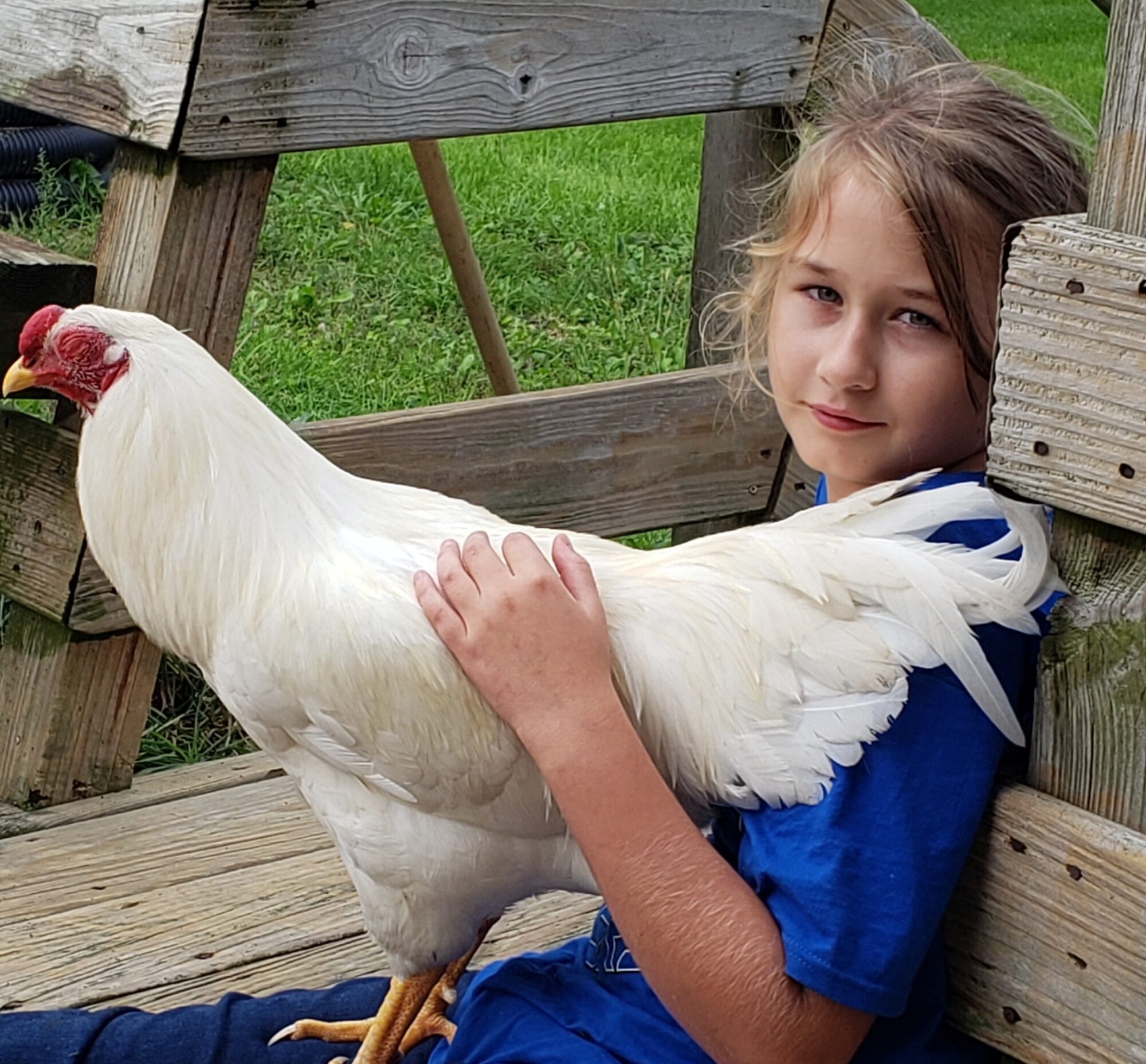
These birds are also large and substantial. Your source copy lists 20-week average live weights for males around 7 pounds 8 ounces to 9 pounds, which gives the breed real dual-purpose value.
White Chantecler vs Other Cold-Hardy Breeds
White Chanteclers stand out because breeders created them specifically for cold Canadian conditions. Many breeds tolerate winter well, but few were developed with cold weather as such a central goal.
Choose White Chanteclers if you want a rare, calm, cold-hardy dual-purpose bird with a cushion comb and tiny wattles. Choose Brahmas if you want feathered legs and extra-large size. Choose Wyandottes if you like rose combs and more color variety. Choose Plymouth Rocks if you want a classic American farm breed with strong brown egg value.
If winter performance matters most, the White Chantecler has a strong case. It was built for that job from the beginning.
Egg Production and Utility
White Chanteclers are excellent brown egg layers and good winter layers. That makes them useful for backyard keepers who want eggs during the colder months, when many other breeds slow down.
They also have traditional meat value. Their large frame and dual-purpose background make them useful for homesteads and small farms that want a bird for both eggs and meat.
Actual laying can vary with age, daylight, feed, weather, housing, and overall care. Even a winter-hardy breed still needs clean water, quality feed, dry bedding, good ventilation, and protection from drafts.
Cackle lists the White Chantecler as a rare, cold-resistant breed developed in Quebec for both egg and meat production.
Temperament and Suitability
White Chanteclers are calm, gentle, and personable. They can make a great choice for backyard flocks, family flocks, homesteads, and anyone who wants a large but friendly chicken.
They do especially well in cold climates. Their tight feathering, small cushion comb, and tiny wattles help them handle winter more comfortably than many large-combed breeds.
They can also work in standard backyard setups when you provide enough room. Give them a dry coop, clean bedding, balanced feed, fresh water, shade in summer, and predator protection. With that basic care, these giant and friendly chickens can become one of the most enjoyable breeds in the flock.
Is the White Chantecler Chicken Right for Your Flock?
Choose White Chanteclers if you want:
A rare Canadian heritage chicken
A cold-hardy brown egg layer
A dual-purpose bird for eggs and meat
A calm, gentle flock bird
A small cushion comb and tiny wattles
A good winter laying breed
A large, friendly backyard chicken
A breed developed specifically for harsh climates
A bird with conservation value
A flock addition that is useful and uncommon
Overall, this is a strong choice if you live in a cold climate or want a rare heritage breed with a gentle nature. White Chanteclers bring winter hardiness, brown eggs, meat value, and Canadian breed history together in one practical bird.
If you are still comparing breeds, the Chicken Breed Selector and Chicken Breeds List Comparison Chart can help you sort birds by egg color, climate, size, and flock goals. Cackle’s breed finder includes White Chantecler among its standard chicken breeds.
Breed History and Preservation
Brother Wilfrid Chatelain and the monks at the Cistercian Abbey in Oka, Quebec, developed the White Chantecler to serve Canadian farmers. They wanted a bird with strong winter hardiness, good egg laying, and useful meat qualities.
The name Chantecler comes from French words tied to clear singing and also connects to a famous rooster character from the play Chantecler. Cackle’s heritage article explains that the breed’s name comes from “chanter,” meaning to sing, and “clair,” meaning clear.
The White Chantecler reached the public in 1918 and gained APA recognition in 1921. Today, the breed remains rare and valuable. Cackle lists White Chanteclers with The Livestock Conservancy Watch status and notes that its breeding farm used seed stock from Greg Oakes and John W. Blehm in 2012 to start its breeding program.
Recognition and Availability
The American Poultry Association recognizes the White Chantecler, which entered the Standard of Perfection in 1921. This rare breed belongs to Canada’s poultry history and remains a meaningful choice for customers who value heritage chickens.
You can choose White Chantecler chicks when they are available. Cackle places this breed in rare chickens, cold weather chickens, and meat/broiler categories because it offers rarity, winter hardiness, and dual-purpose value.
Before you plan your order, check the Availability Chart for current hatch and shipping options.
Related Breeds and Helpful Cackle Hatchery® Resources
If you like White Chanteclers, you may also want to compare other cold weather chickens, rare chicken breeds, and dual-purpose chickens.
For more background, read Heritage Chicken Breed: The White Chantecler and Chantecler Chickens in the Heritage Breed Spotlight. The newer heritage spotlight covers Chanteclers as a rare Canadian breed known for cold hardiness, winter egg production, gentle temperament, and dual-purpose value.
For broader flock planning, browse baby chicks for sale, the Chicken Breed Selector, and the Chicken Breeds List Comparison Chart.
FAQ: White Chantecler Chicken
What is a White Chantecler chicken?
A White Chantecler is a rare Canadian dual-purpose chicken known for cold hardiness, brown eggs, winter laying, a cushion comb, tiny wattles, and a calm temperament.
Where did White Chanteclers originate?
White Chanteclers originated in Quebec, Canada. Brother Wilfrid Chatelain and the monks at the Cistercian Abbey in Oka developed the breed for Canadian farm conditions.
Is the Chantecler the first Canadian chicken breed?
Yes. The Chantecler is recognized as the first Canadian chicken breed.
When did the APA recognize White Chanteclers?
The American Poultry Association admitted the White Chantecler to the Standard of Perfection in 1921.
Are White Chanteclers good egg layers?
Yes. White Chanteclers are excellent brown egg layers and are especially valued as good winter layers.
What color eggs do White Chanteclers lay?
They lay brown eggs.
Are White Chanteclers good for meat?
Yes. They are dual-purpose chickens with useful body size for both eggs and meat.
Are White Chanteclers cold hardy?
Yes. This breed was developed for Canadian winters. The cushion comb, tiny wattles, and tight feathering help reduce cold-weather problems.
What kind of comb does a White Chantecler have?
White Chanteclers have a small cushion comb that sits low on the head and looks almost like a small round button.
Do White Chanteclers have wattles?
They have very small wattles or nearly no wattles. That gives them less exposed flesh in cold weather.
Are White Chanteclers friendly?
Yes. They are known for being calm, gentle, and personable.
Are White Chanteclers good for beginners?
Yes, they can work well for beginners who want a calm, hardy, dual-purpose breed. Like all chickens, they still need clean water, balanced feed, dry housing, predator protection, and enough space.
How big do White Chanteclers get?
Your source copy lists 20-week average live weights for males around 7 pounds 8 ounces to 9 pounds, making them a large and useful dual-purpose bird.
Are White Chanteclers rare?
Yes. Cackle lists them as rare breed chickens and notes The Livestock Conservancy Watch status.
What seed stock started Cackle’s White Chantecler program?
Cackle used seed stock from Greg Oakes and John W. Blehm in 2012 to start its White Chantecler breeding program.
Where can I check chick availability?
Check the Availability Chart for current hatch and shipping options.
Ordering Information
Check the current price, stock status and selectable options displayed on this page. Read the product information and applicable policies before adding this item to your cart.
Related Products
Related products


