


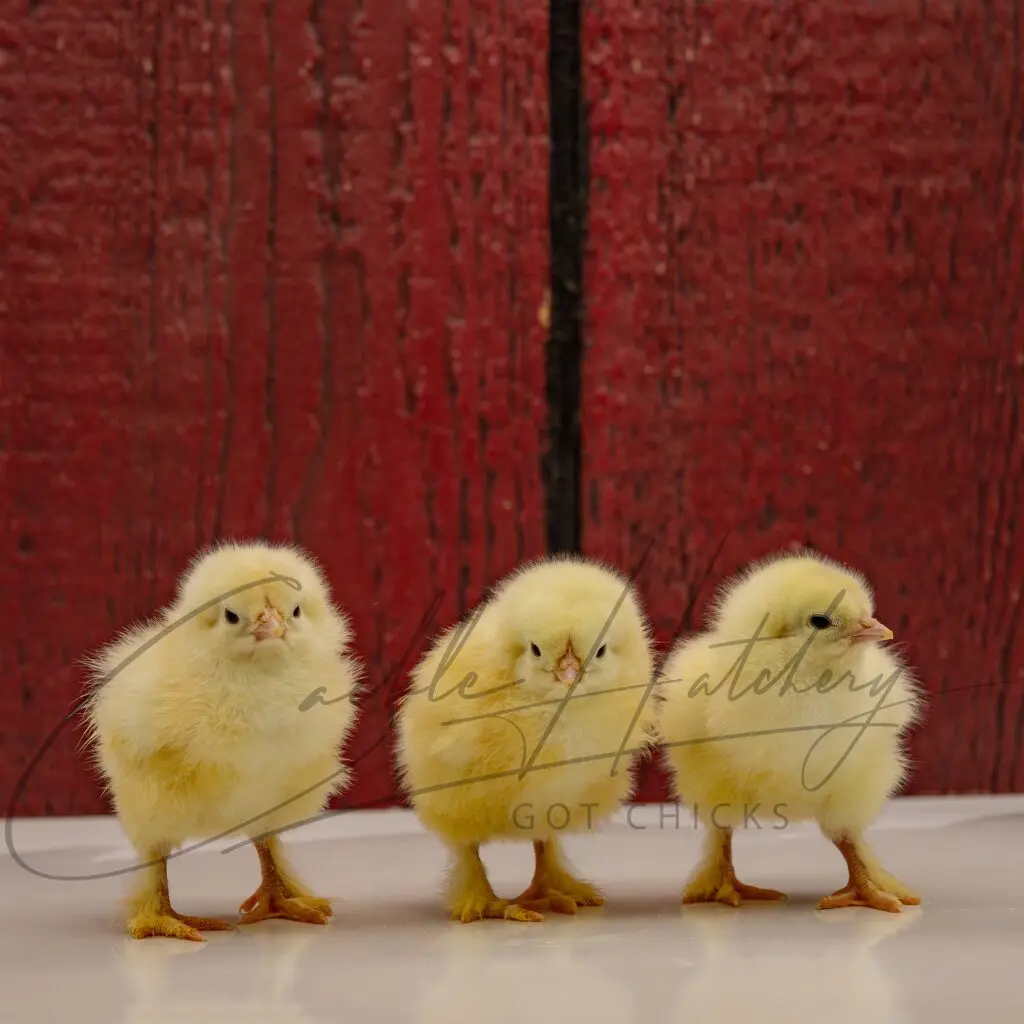


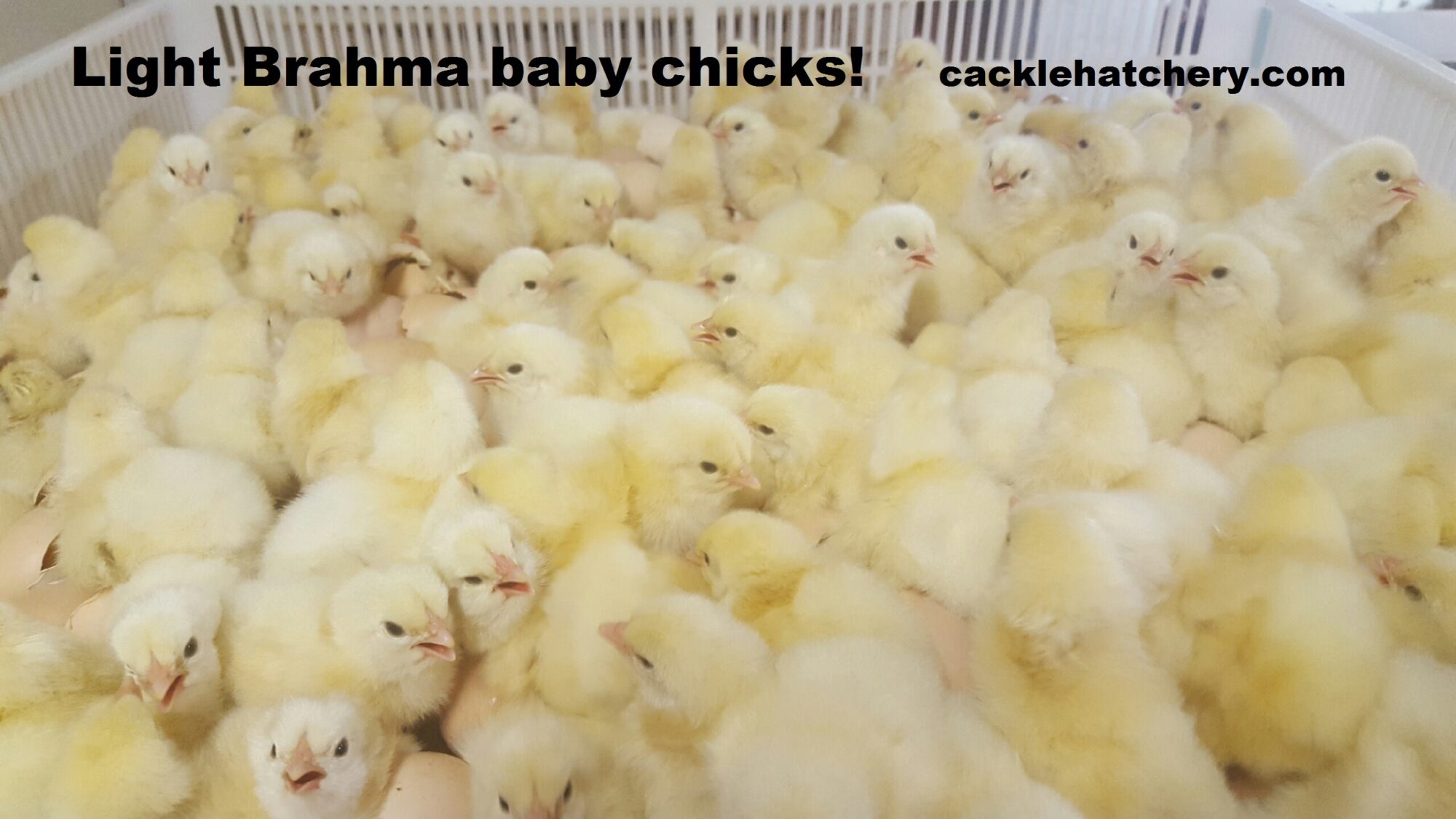


Buy Light Brahma Chicken Online
Buy light brahma chicken online from cackle hatchery. Compare the bird or breed details, available options, current availability and delivery conditions before ordering.
Light Brahma Chicken
Breed Facts
- Poultry Show Class: Asiatic Class
- Weights: Hen—–9 1/2 lbs
Rooster——12 lbs
Pullet—-8 lbs
Cockerel—–10 lbs - Purpose and Type: Primary Egg production, Dual Purpose
- Egg Shell Color: Brown
- Egg Production: 150-200 eggs per year (estimates only, see FAQ)
- Egg Size: Medium-Large
- Temperament: Docile
- Gender Accuracy: 85-90%
- Fertility Percentage: 65-80%
- Broody: Setter
- Mating Ratio: 8 Females to 1 Male
- Roost Height: 2 to 4 feet
- Country of Origin: Asia
- APA: Yes, Recognized by the Standard of Perfection in 1874.
- TLC: Not Listed
- Breeder Farm Source: Cackle Hatchery® Poultry Breeding Farm has been developing our bloodline/strain of pure Light Brahma since 1979.
Light Brahma Chicken
Breed Overview and Origin
The Light Brahma chicken is a big, beautiful, gentle breed that brings a calm presence to the backyard flock. If you want a chicken that is easy to admire and easy to enjoy, this old favorite is hard to overlook. Brahmas stand out for their large size, feathered legs, quiet nature, and steady usefulness as brown egg layers and meat birds.
The breed’s early history traces back to large feather-legged chickens that came through Asian trade routes in the 1800s. The Livestock Conservancy notes that extremely large chickens with feathered shanks and toes came from areas near Shanghai after Chinese ports opened to trade in the 1840s. American breeders later shaped those birds into the Brahma we know today.
Cackle Hatchery® offers Light Brahma chicks for sale as a production-type Brahma. These are not the exhibition-type birds. They are bred for customers who want a useful, gentle, cold-hardy chicken for the backyard, homestead, or family flock.
Appearance and Characteristics
Light Brahmas have mostly white plumage with black in the neck feathers, black tail feathers, and a grand, stately look. Their feathered legs and feet make them especially eye-catching, and their size gives them a presence that few backyard breeds can match.
These chickens also have a small pea comb. That small comb, along with their heavy body and thick feathering, helps them handle cold weather better than many large single-comb breeds. Cackle notes that Brahmas adapt to most climates and are especially cold tolerant because of their size, pea comb, and heavy plumage.
Because they have feathered feet, they need a little extra attention in wet or snowy weather. Mud can collect on the feathers during rainy seasons, and snow can build up in winter. So, if you keep Brahmas, check their feet regularly and clean them when needed. Cackle gives the same practical care reminder on its Light Brahma started pullet page.
Light Brahma vs Exhibition Light Brahma: Which Should You Choose?
Cackle Hatchery® offers production-type Light Brahmas and also lists an Exhibition Light Brahma option. These two choices serve different flock goals.
Choose the production type if you want a gentle, useful bird for brown eggs, meat value, cold hardiness, and backyard enjoyment. This is the practical choice for many families, homesteaders, and small flock owners.
Choose the exhibition type if you care more about breed-standard appearance and show potential. Cackle’s Exhibition Light Brahma page notes that Cackle Hatchery® has developed its pure Light Brahma bloodline since 1979.
For most backyard keepers, the production type gives you the classic Brahma experience: a large, quiet, feather-legged chicken that looks impressive and acts gentle.
Egg Production and Utility
Light Brahmas are useful dual-purpose chickens. They lay brown eggs, and their large bodies also give them traditional meat value. Cackle describes Brahmas as good brown egg layers and notes that their size makes them useful for meat.
These birds are not tiny, nervous egg machines. Instead, they are big, steady chickens that bring a balanced mix of eggs, meat, broodiness, and calm personality. Actual egg production can vary with age, daylight, feed, housing, weather, and overall flock care.
Because of their size, Brahmas often appeal to homesteaders who like practical birds with old-fashioned usefulness. They may take more feed than lighter laying breeds, but they also offer a lot in return: size, temperament, winter hardiness, and family-friendly charm.
Cackle Hatchery® also offers Light Brahma Started Pullets for customers who want birds closer to laying age. In addition, Cackle lists Light Brahma hatching eggs seasonally through its Brahma category feed.
Temperament and Suitability
Light Brahmas are known for being quiet, gentle, and easy to handle. That is one of the biggest reasons families like them. If you want a large chicken that still feels calm around people, this breed is a strong choice.
Their gentle nature also makes them a good option for children, pets, and relaxed backyard flocks. Of course, every bird has its own personality, and roosters always need respectful handling. Still, Brahmas generally have a reputation for being steady and approachable.
They do well in cold climates, and they can adapt to warmer weather when they have shade, cool water, and good ventilation. Because they are large and heavily feathered, they need extra care during summer heat. In the right setup, though, they can fit many backyard and homestead flocks.
Is the Light Brahma Chicken Right for Your Flock?
Choose Light Brahmas if you want:
A large, gentle backyard chicken
A cold-hardy brown egg layer
A feather-legged breed
A quiet chicken for a family flock
A dual-purpose bird for eggs and meat
A good broody hen and mother
A calm bird that is easy to handle
A production-type Brahma from Cackle Hatchery®
A chicken that stands out in the flock
This breed is a good match if you like calm, heavy chickens and do not mind giving feathered feet a little extra care. If your flock goals are fast egg production from a lightweight layer, you may want to compare other brown egg breeds. However, if you want a gentle giant with beauty, size, and usefulness, the Light Brahma is a wonderful choice.
If you are still comparing breeds, Cackle Hatchery’s Chicken Breed Selector and Chicken Breeds List Comparison Chart can help you choose birds by purpose, egg color, size, and flock needs.
Breed History and Preservation
The Brahma has a long and interesting history. Its ancestry ties back to large feather-legged fowl that came to the United States through Asian trade in the 1800s. Once American breeders began working with these birds, the Brahma developed into one of the great large breeds of poultry.
The breed became famous for its size, calm nature, feathered legs, and usefulness as a table bird. Heritage Poultry Conservancy describes the Brahma as an Asiatic class breed that was traditionally raised for meat and lays brown eggs.
The American Poultry Association recognizes Light, Dark, and Buff Brahmas. The breed has also made conservation progress. The Livestock Conservancy reports that Brahmas graduated from its Conservation Priority List in 2023, which shows how renewed interest has helped this historic breed.
Recognition and Availability
The American Poultry Association recognizes Brahmas in the Asiatic class, with Light, Dark, and Buff among the recognized varieties. The breed’s large frame, feathered legs, pea comb, and calm temperament all help define its classic type.
Cackle Hatchery® offers several Brahma options, including Light Brahma chicks, Light Brahma Started Pullets, Exhibition Light Brahma chicks, and additional Brahma color varieties through its Brahma chickens for sale category.
Availability can change by season, hatch date, egg numbers, and order timing. Therefore, customers should check Cackle Hatchery’s Availability Chart before planning an order.
Related Breeds and Helpful Cackle Hatchery® Resources
If you like the Light Brahma, you may also want to look at other Brahma chicken color options, including Buff, Dark, Lavender, Isabel, and Partridge varieties when available. Cackle’s Brahma category is a helpful place to compare options in one spot.
For more background on the breed, read Cackle Hatchery’s blog post, Breed Spotlight: Brahma Chickens. It gives customers a friendly overview of why Brahmas have such a loyal following.
For broader flock planning, browse Cackle Hatchery’s brown egg laying chickens, cold weather chickens, Chicken Breed Selector, and Chicken Breeds List Comparison Chart.
FAQ: Light Brahma Chicken
What is a Light Brahma chicken?
A Light Brahma chicken is the light-colored variety of the Brahma breed. It is a large, gentle, feather-legged chicken known for cold hardiness, brown eggs, meat value, and a calm temperament.
Are Light Brahmas good egg layers?
Yes. They are good brown egg layers, especially for a large dual-purpose breed. However, actual egg production can vary with age, daylight, feed, weather, housing, and overall care.
What color eggs do they lay?
They lay brown eggs. This makes them a good choice for families who want a calm, cold-hardy brown egg layer.
Are these chickens friendly?
Yes. Light Brahmas are usually quiet, gentle, and easy to handle. That calm nature makes them popular with families, children, and backyard chicken keepers.
Are they good for beginners?
Yes. They can work well for beginners who have enough coop space and do not mind caring for feathered feet. Like all chickens, they still need clean water, balanced feed, predator protection, ventilation, and dry bedding.
Are Light Brahmas cold hardy?
Yes. Their pea comb, large body, and heavy feathering help them handle cold weather well. Even so, they still need a dry, draft-protected coop with good ventilation.
Are they heat tolerant?
They can adapt to warm weather if you provide shade, fresh water, and airflow. However, their large bodies and heavy feathering make summer care important.
Are Light Brahmas good for free range?
Yes, they can enjoy ranging, but they are not as quick or lightweight as some breeds. They also do well in a roomy coop and run when they have enough space and enrichment.
Do Light Brahmas have feathered feet?
Yes. They have feathered legs and feet. Because of that, mud and snow can collect on their foot feathers, so keepers should check and clean them when needed.
Are Light Brahmas good for meat?
Yes. Their large size gives them traditional meat value. Roosters can reach up to about 12 pounds, and hens can weigh close to 10 pounds, according to Cackle’s Brahma category information.
Are Light Brahmas broody?
Yes, many Brahma hens can go broody and make good mothers. That can be helpful if you want hens to raise chicks naturally, but broodiness may pause egg laying.
What is the difference between production type and exhibition type Light Brahmas?
Production-type birds focus more on practical flock use, such as eggs, meat value, hardiness, and backyard temperament. Exhibition-type birds focus more on breed-standard appearance and show potential.
Are Light Brahmas heritage chickens?
Yes. Brahmas are historic large fowl with deep roots in 19th-century poultry development. The Livestock Conservancy also notes that the breed graduated from its Conservation Priority List in 2023.
Does Cackle Hatchery® offer Light Brahma Started Pullets?
Yes. Cackle Hatchery® offers Light Brahma Started Pullets for customers who want older birds instead of day-old chicks.
Does Cackle Hatchery® offer other Brahma colors?
Yes. Cackle Hatchery® offers several Brahma chicken color options, depending on season and availability.
Where can I check chick availability?
You can check Cackle Hatchery’s Availability Chart for current hatch and shipping availability. Availability can change by season, hatch date, and egg numbers.
Ordering Information
Check the current price, stock status and selectable options displayed on this page. Read the product information and applicable policies before adding this item to your cart.
Related Products
Related products


