

Buy Buff Orpington Chicken Online
Buy buff orpington chicken online from cackle hatchery. Compare the bird or breed details, available options, current availability and delivery conditions before ordering.
Buff Orpington Chicken
Breed Facts
- Poultry Show Class: English Class
- Weights: Hen—–8 lbs
Rooster——10 lbs
Pullet—7 lbs
Cockerel—-8 1/2 lbs - Purpose and Type: Dual Purpose, Primary production
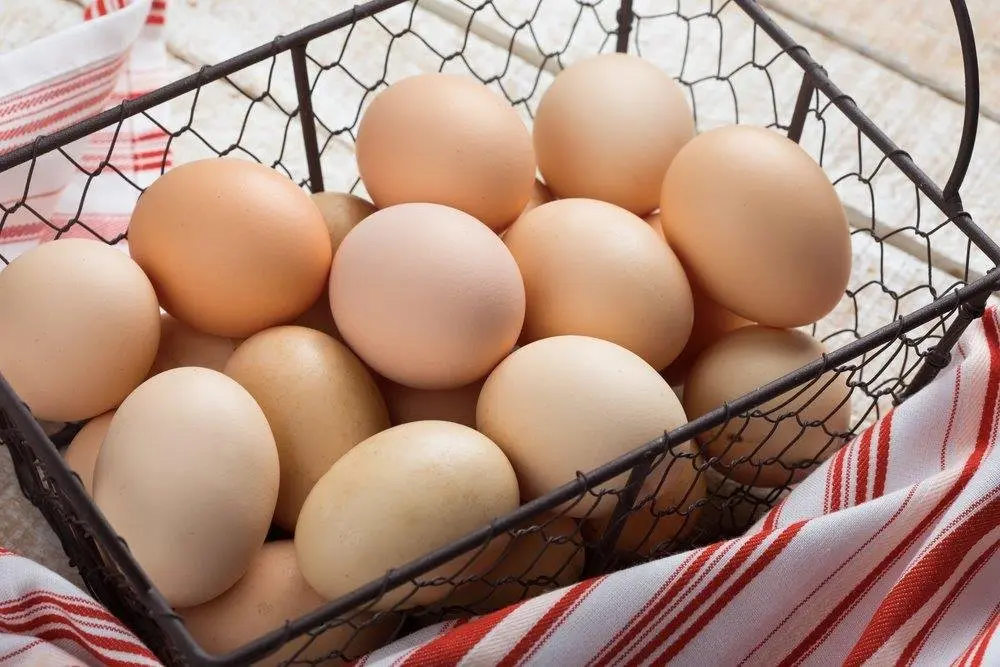
- Egg Shell Color: Light Brown
- Egg Production: 150 – 280 eggs per year (estimates only, see FAQ)
- Egg Size: Large
- Temperament: Docile
- Gender Accuracy: 85-90%
- Fertility Percentage: 65-80%
- Broody: Setter
- Mating Ratio: 9 Females to 1 Male
- Roost Height: 2 to 4 feet
- Country of Origin: England
- APA: Yes, Recognized by the American Standard of Perfection in 1902.
- TLC: No
- BREEDER FARM SOURCE: Cackle Hatchery® Poultry Breeding Farm has been developing our bloodline or strain of pure Buff Orpington since 1979.
Buff Orpington Chicken
Breed Overview and Origin
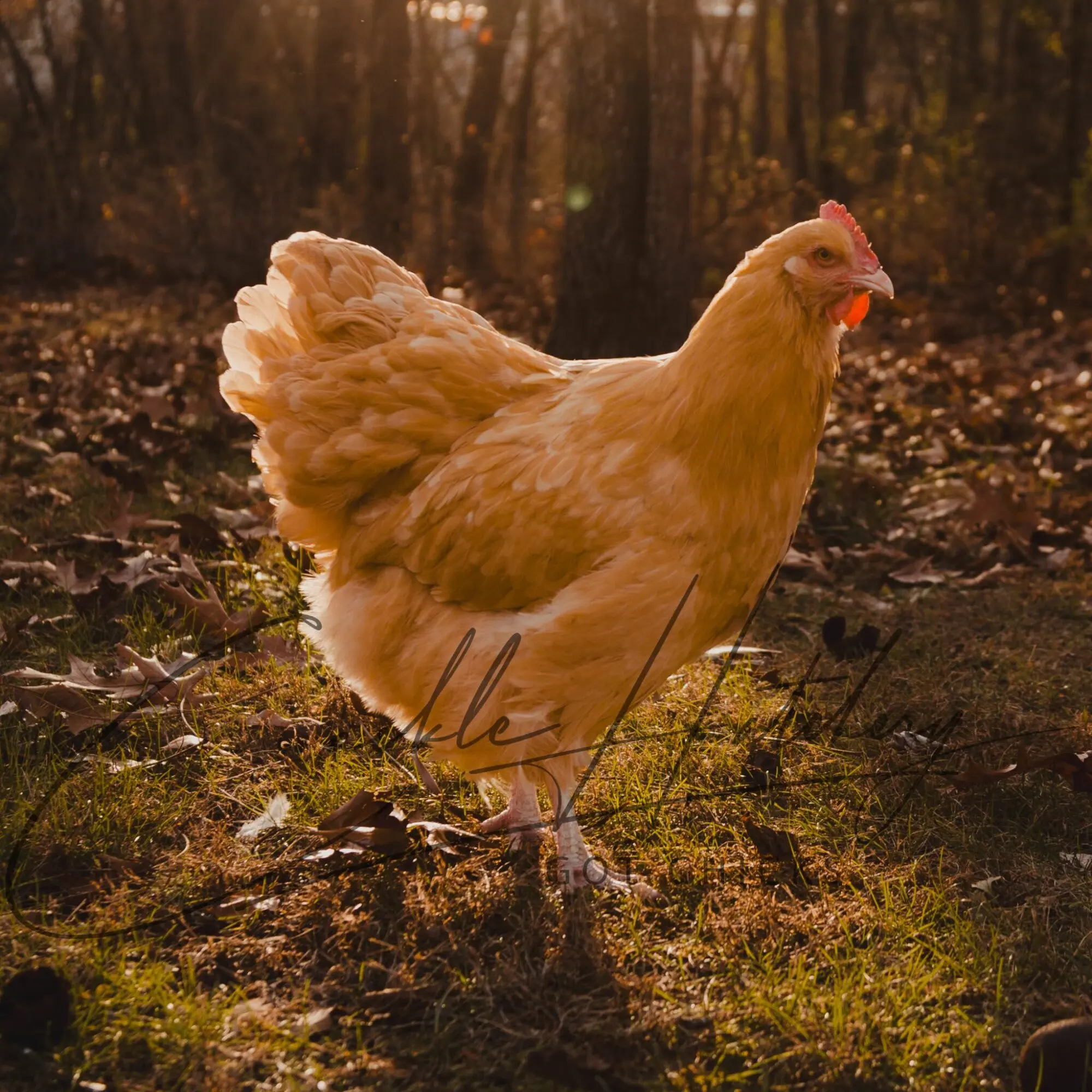
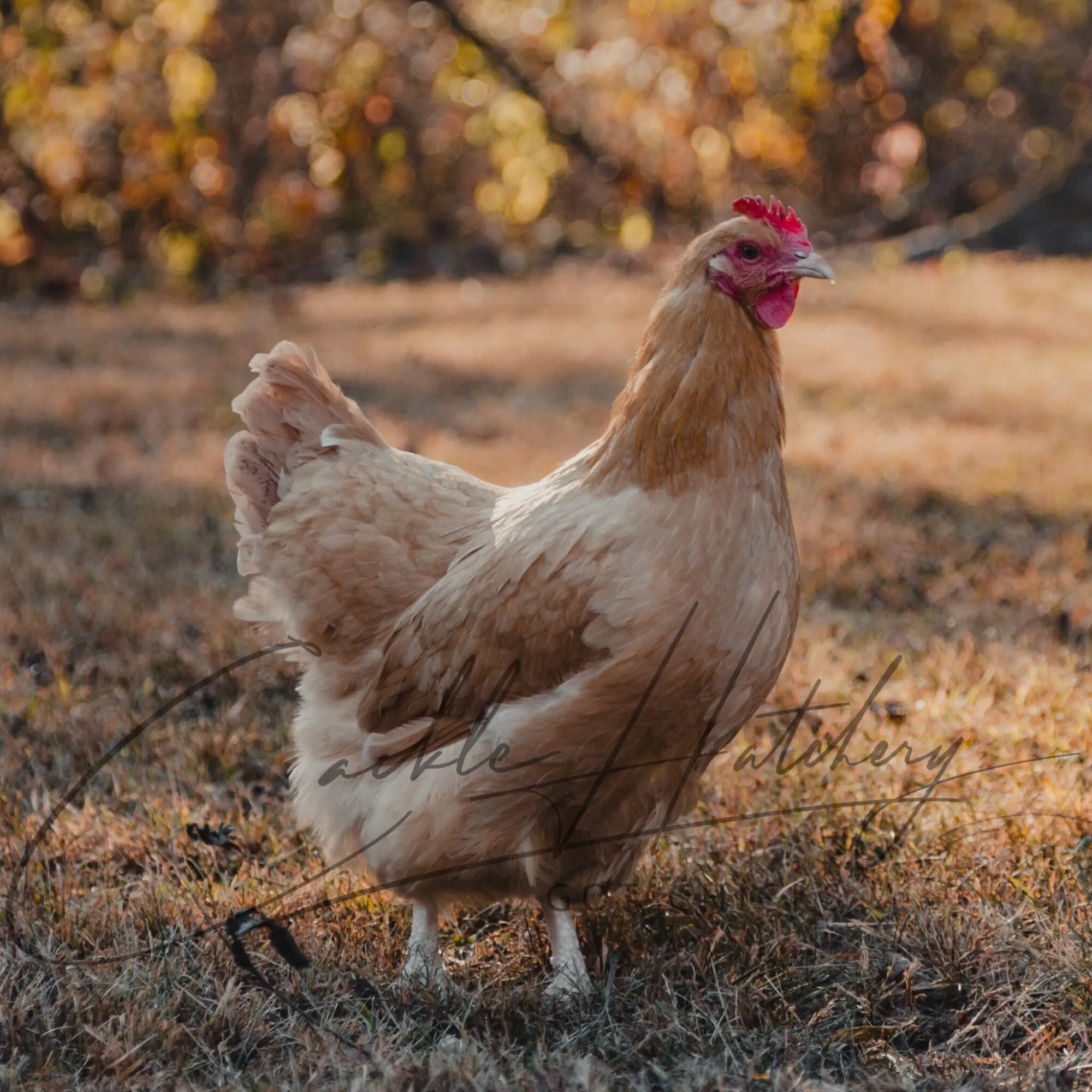
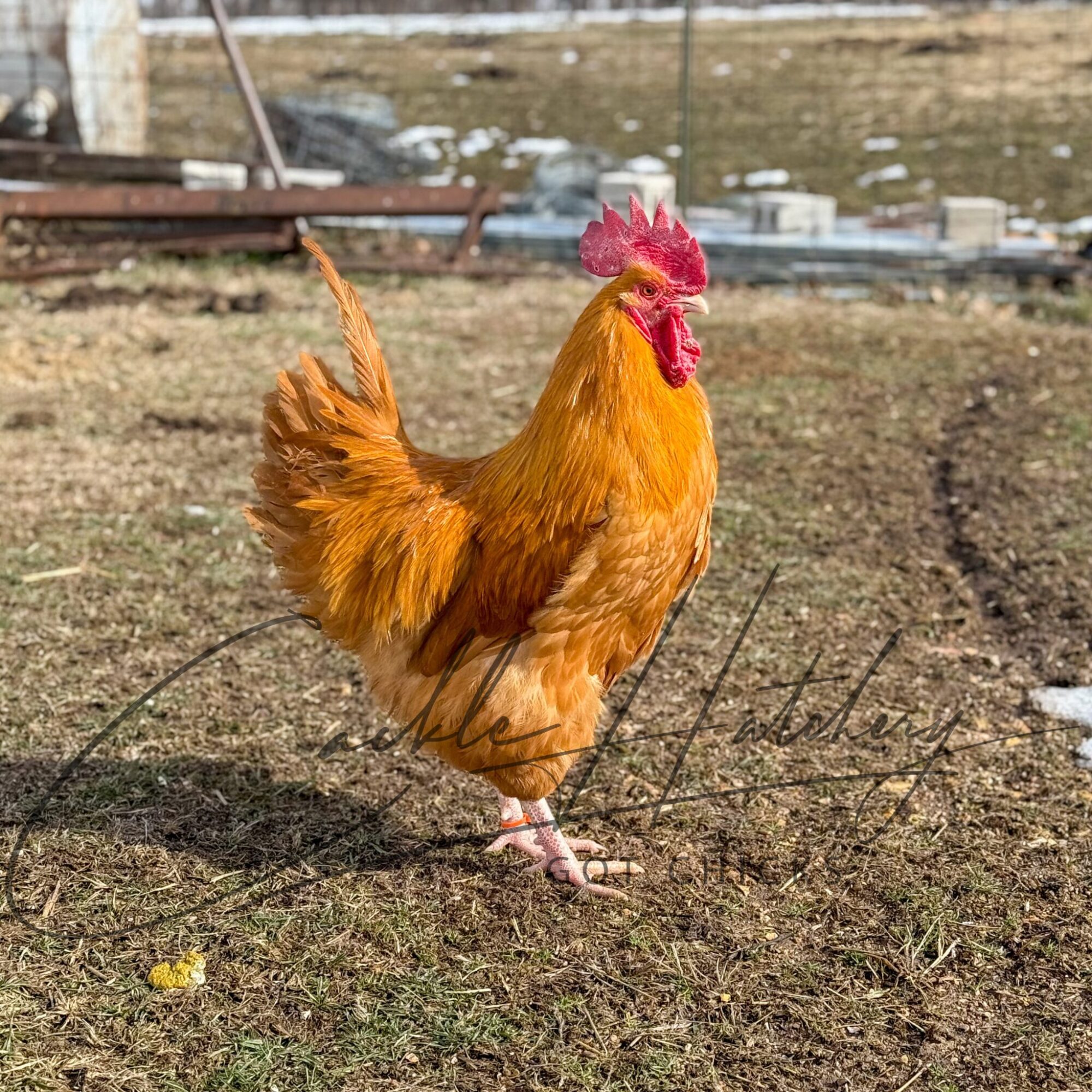
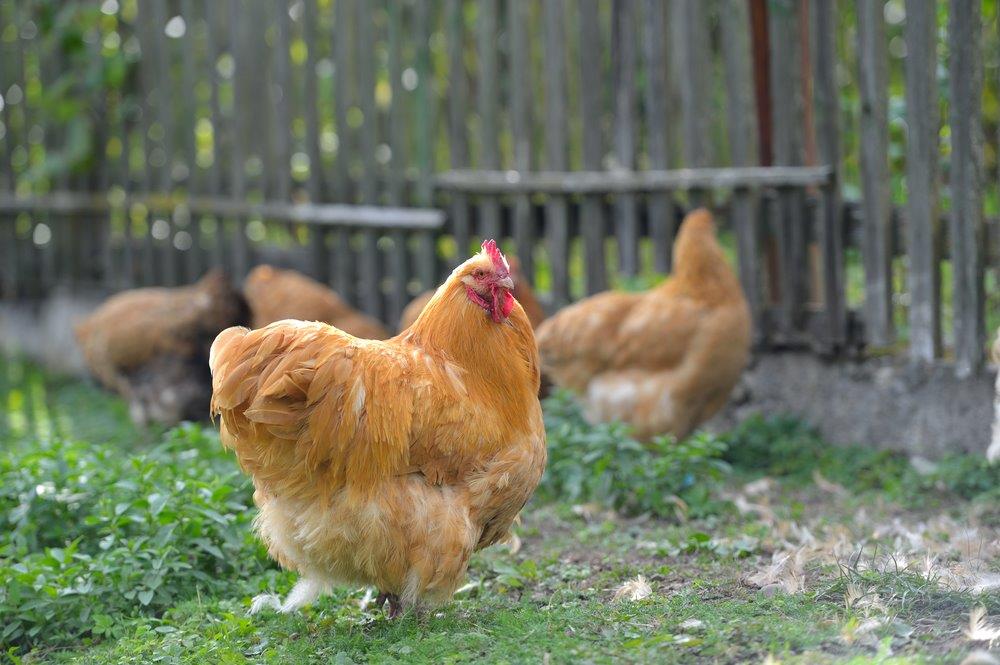
The Buff Orpington chicken is a large, gentle English breed known for its golden-buff plumage, quiet disposition, brown eggs, and useful dual-purpose qualities. Many keepers call these birds “golden chicken beauties” because they bring a soft, stately look to the backyard flock.
William Cook developed the Orpington breed in England during the late 1800s. The breed quickly gained attention because it offered both egg production and table qualities in a heavy, attractive bird. The Buff variety became especially popular in the United States and earned American Poultry Association recognition in 1902. (unitedorpington.com)
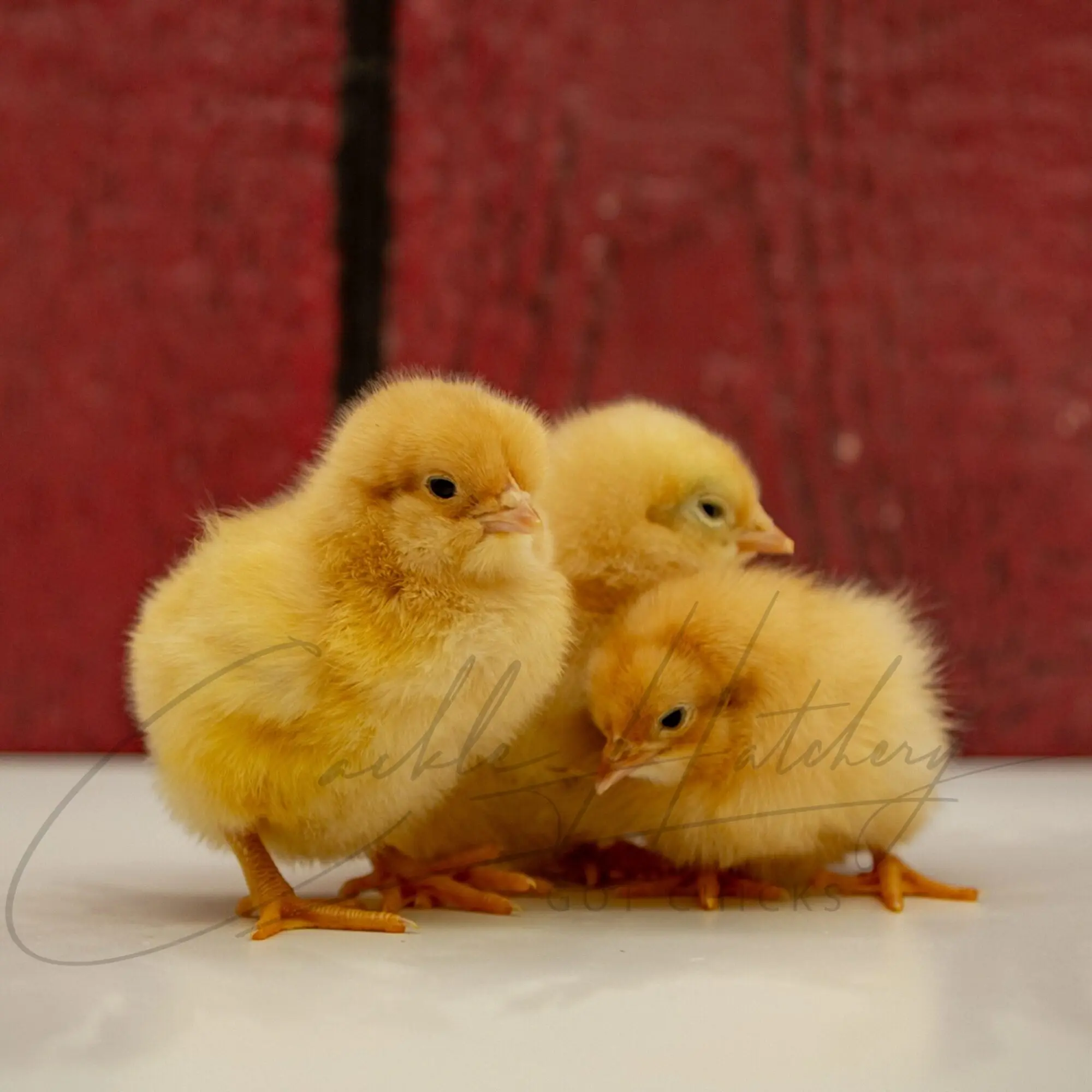
Today, Cackle Hatchery® offers Buff Orpington chicks for sale for customers who want friendly, heavy-bodied brown egg layers with classic backyard appeal. Cackle Hatchery® has developed its pure production-type strain since 1979.
Appearance and Characteristics
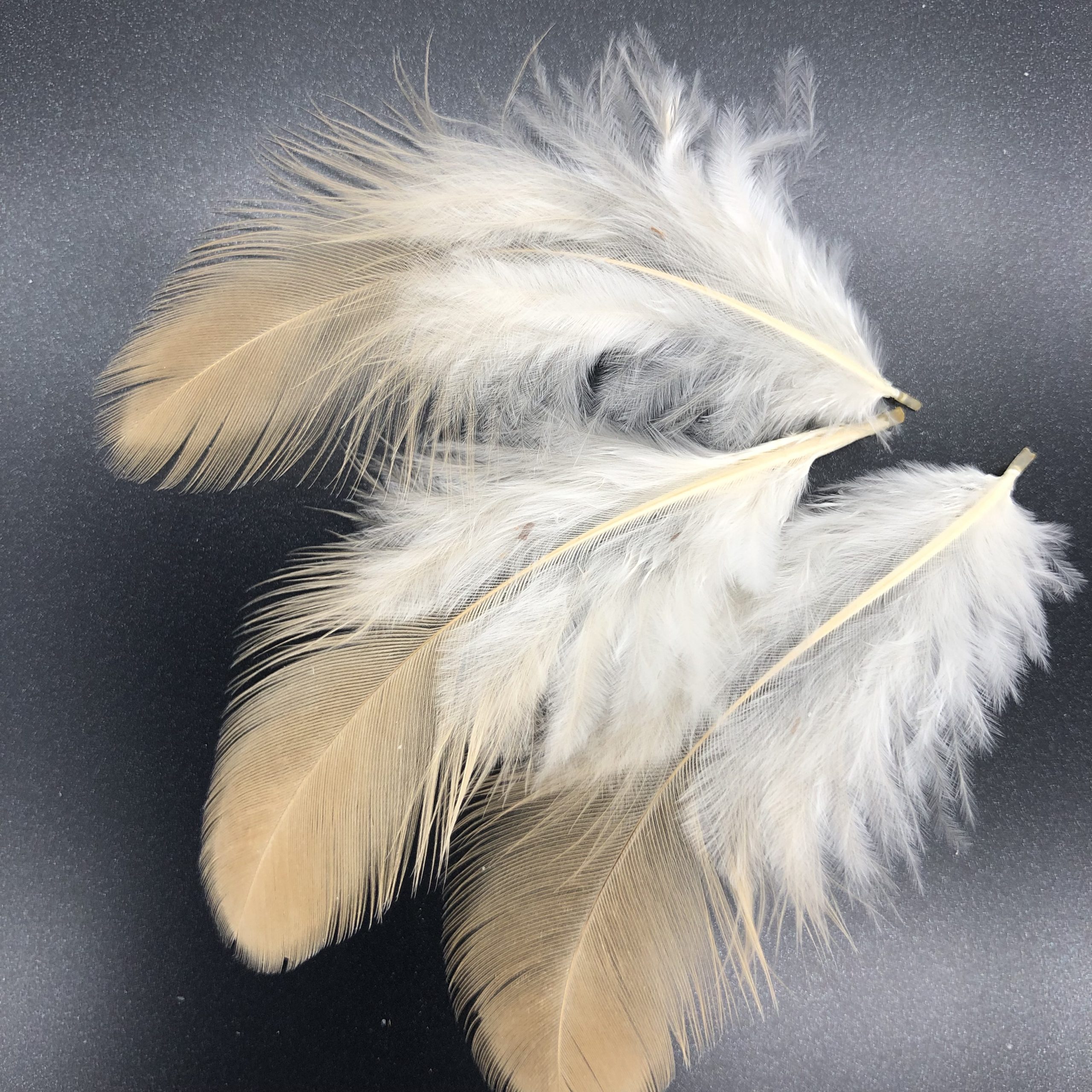
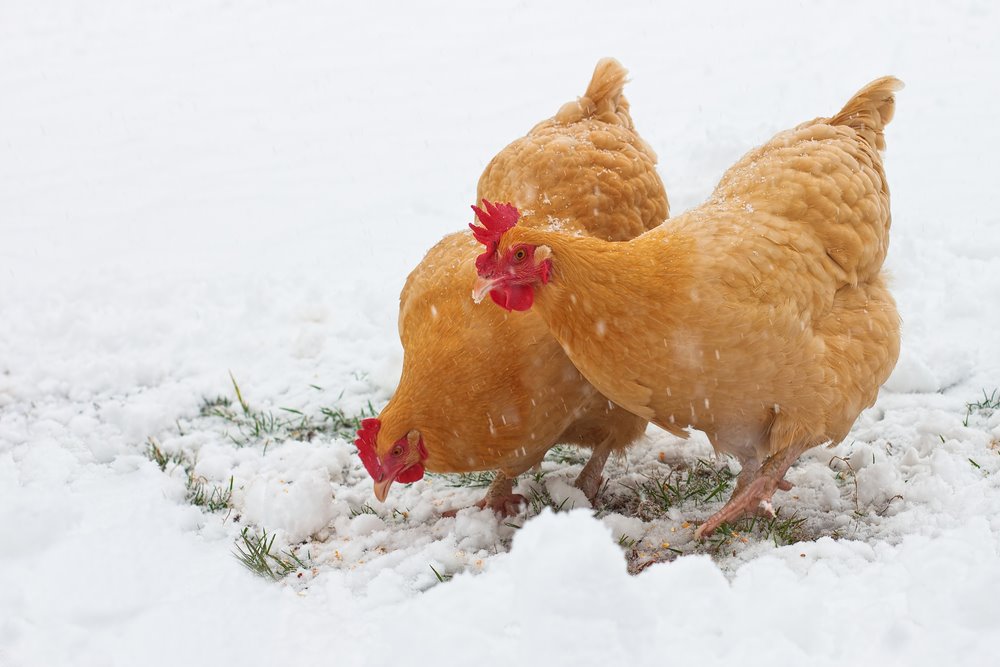
Buff Orpingtons have broad bodies, soft feathering, white skin, clean legs, and a warm golden-buff color. Their full feathering gives them a rounded, fluffy appearance, while their size gives them a stately presence in the flock.
The buff color can vary. Some birds may molt into a lighter buff or almost white feathering as new feathers grow in. Over time, the color may deepen again, although buff feather color can be difficult to maintain consistently.
Because of their heavy build and soft feathering, these chickens often look larger than many common laying breeds. However, a bigger hen does not always lay a bigger egg. Most breed charts list this variety as a dual-purpose bird that lays medium brown eggs.
Production Type vs Exhibition Type Buff Orpingtons
Cackle Hatchery® offers both production-type birds and Buff Orpington Exhibition Type chicks. However, these two types serve different flock goals.
Choose the production type if you want a practical backyard chicken for eggs, meat, brooding, and family flock use. This line suits customers who care most about utility, temperament, and everyday flock value.
By comparison, choose the exhibition type if you want birds bred more toward show qualities, breed-standard appearance, and exhibition potential. Cackle lists its exhibition type as an English Class bird and notes that its exhibition breeding stock came from Fred Farthing in 2022.
For more help comparing those goals, read Cackle Hatchery’s guide to the difference between production chickens and show chickens. In that article, Cackle explains that production chickens focus on efficient egg or meat output, while show chickens focus more on appearance and breed-standard qualities.
Egg Production and Utility
This breed works well as a dual-purpose chicken for both eggs and meat. Hens lay medium brown eggs, and their heavy bodies also make them useful table birds. As a result, many homesteaders and traditional poultry keepers appreciate their practical value.
Cackle Hatchery® lists the production type under brown egg laying chickens and describes these birds as large, stately brown egg layers ideal for eggs and meat. Actual egg production can vary with age, daylight, nutrition, weather, housing, and overall flock management.
Many flock owners use a simple rotation with dual-purpose hens. They keep the younger hens for egg production and replace older layers with new chicks over time. This approach can help balance feed cost, egg output, and meat value in a practical homestead flock.
Cackle Hatchery® also offers Buff Orpington Started Pullets for customers who want birds closer to laying age. At limited times of the year, Cackle offers Buff Orpington Fertile Hatching Eggs for customers who want to hatch their own chicks.
Temperament and Suitability
Buff Orpingtons generally have calm, gentle, and friendly personalities. Because of that quiet disposition, many families choose them for backyard flocks, children’s poultry projects, and small homesteads.
These chickens often tolerate confinement better than more active breeds, provided they have enough space, clean bedding, ventilation, and enrichment. They can also enjoy supervised ranging, although their size and calm nature mean they still need good predator protection.
Orpington hens often go broody and can make excellent mothers for baby chicks. That trait appeals to keepers who want a more natural flock cycle. However, broodiness can also pause egg laying, so customers focused only on maximum egg output should keep that in mind.
Temperament can vary by individual bird, handling, flock setup, and environment. Even so, this breed’s steady nature makes it a favorite among beginners, families, and keepers who want pet-like chickens with practical value.
Is This Breed Right for Your Flock?
Choose Buff Orpingtons if you want:
A large, gentle backyard chicken
A dual-purpose bird for eggs and meat
A brown egg layer
A calm chicken for families
A breed that often goes broody
A good mother hen for baby chicks
A heavy-bodied English breed
A production type or exhibition type option
A bird available as chicks, started pullets, and hatching eggs
Overall, these golden birds suit customers who want friendly, useful chickens with a soft look and a quiet temperament. They work especially well for backyard flocks, homesteads, and families who value both eggs and old-fashioned flock charm.
If you still want to compare breeds, Cackle Hatchery’s Chicken Breed Selector and Chicken Breeds List Comparison Chart can help you choose birds by purpose, appearance, egg color, and flock needs.
Breed History and Preservation
William Cook created the Orpington breed in Kent, England, during the late 1800s. He first developed the Black Orpington, and then other color varieties followed. The Buff variety quickly became one of the most popular, especially in the United States.
The Livestock Conservancy notes that Orpingtons reached America by 1891. In 1903, William Cook brought a large importation to the United States and showed them in America. Midwestern farmers favored the Buff variety for its table qualities and unique color. (livestockconservancy.org)
The American Poultry Association admitted the Buff variety to the Standard of Perfection in 1902. Later, the APA recognized additional Orpington colors, including Black and White in 1905 and Blue in 1923. (unitedorpington.com)
Cackle Hatchery® has developed its own pure production-type bloodline since 1979. In addition, Cackle offers exhibition-type birds for customers who want a show-focused option with separate breeding stock.
Recognition and Availability
The American Poultry Association recognizes Orpingtons in the English class. The Buff variety entered the Standard of Perfection in 1902 and remains one of the best-loved colors.
Cackle Hatchery® offers several options for this breed. Customers can order Buff Orpington baby chicks, Buff Orpington Started Pullets, Buff Orpington Fertile Hatching Eggs, and Buff Orpington Exhibition Type chicks when available.
Many customers who like the standard-size bird also enjoy the Buff Orpington Bantam Chicken, the miniature version of this gentle breed.
Availability can vary by hatch date, season, egg numbers, and order timing. Therefore, customers should check Cackle Hatchery’s Availability Chart for current hatch and shipping availability.
Related Breeds and Helpful Cackle Hatchery® Resources
If you like these gentle golden chickens, you may also like the Buff Orpington Bantam Chicken, the miniature version of the breed. For a show-focused option, compare the Buff Orpington Exhibition Type.
Customers learning about this breed group should read Cackle Hatchery’s article on Orpington chickens in the heritage breed spotlight. Likewise, customers deciding between practical layers and show birds should review Cackle’s article on the difference between production chickens and show chickens.
For broader flock planning, browse Cackle Hatchery’s brown egg laying chickens, Chicken Breed Selector, and Chicken Breeds List Comparison Chart.
FAQ: Buff Orpington Chicken
What is a Buff Orpington chicken?
A Buff Orpington chicken is the golden-buff variety of the English Orpington breed. It is a large, gentle, dual-purpose chicken known for brown eggs, meat value, broodiness, and a calm backyard temperament.
Are Buff Orpingtons good egg layers?
Yes. These hens lay brown eggs and work well for backyard egg baskets. However, actual laying can vary with age, season, daylight, feed, housing, broodiness, and flock care.
What color eggs do they lay?
They lay brown eggs, usually medium in size. Although the hens are large, bigger birds do not always lay bigger eggs.
Are these chickens good for meat?
Yes. This breed has white skin, a plump body, and a traditional dual-purpose build. As a result, many homesteaders value it for both eggs and meat.
Are Buff Orpingtons friendly?
Yes. They generally have calm, gentle, and friendly personalities. Because of that, many families choose them for backyard flocks and children’s poultry projects.
Are they good for beginners?
Yes. This breed can work well for beginners because it is calm, useful, and generally easy to handle. Even so, these chickens still need proper housing, balanced feed, clean water, predator protection, and enough space.
Are Buff Orpingtons broody?
Yes. Orpington hens often go broody and can make excellent mothers for baby chicks. However, broodiness may reduce egg production while the hen sits and raises chicks.
Are they cold hardy?
Yes. Their large bodies and full feathering can help them handle cool weather. However, keepers should still provide a dry, draft-protected coop with good ventilation.
Are they heat tolerant?
They can handle warm weather with proper care, but their large bodies and full feathering make shade, airflow, cool water, and ventilation especially important during hot weather.
Are they good for free range?
Yes. These birds can enjoy supervised ranging, although they may not range as actively as lighter breeds. They can also adapt well to a roomy coop and run.
What is the difference between production type and exhibition type?
Production-type birds focus more on practical eggs, meat, brooding, and flock utility. By contrast, exhibition-type birds focus more on breed-standard appearance and show qualities. Cackle Hatchery’s article on the difference between production chickens and show chickens explains this difference in more detail.
Are Buff Orpingtons heritage chickens?
Yes. Orpingtons are historic English chickens, and the APA recognized the Buff variety in 1902. Cackle Hatchery® also highlights Orpingtons in its heritage breed spotlight article.
Why do some Buff Orpingtons molt lighter?
Some birds may molt into lighter buff or almost white feathering as new feathers grow. Over time, color may deepen again, although the buff shade can be difficult to maintain consistently.
Does Cackle Hatchery® offer Buff Orpington Bantams?
Yes. Cackle Hatchery® offers the Buff Orpington Bantam Chicken, the miniature version of this gentle breed.
Does Cackle Hatchery® offer started pullets?
Yes. Cackle Hatchery® offers Buff Orpington Started Pullets for customers who want started birds instead of day-old chicks.
Where can I check chick availability?
You can check Cackle Hatchery’s Availability Chart for current hatch and shipping availability. Availability can change by season, hatch date, egg numbers, and order timing.
Ordering Information
Check the current price, stock status and selectable options displayed on this page. Read the product information and applicable policies before adding this item to your cart.
Related Products
Related products