




Lavender Guinea
Breed Facts
- Poultry Show Class: Helmeted Guinea Fowl
- Weights: Hen—-3-4 lbs
Cock—–4-5 lbs
Pullet—3 lb
Cockerel—-3 1/2 lbs - Purpose and Type: Egg Laying and meat; Exhibition
- Egg Color: Dark and Spotted
- Egg Production:Good, between 60-100
- Egg Size: Small
- Temperament: Active
- Fertility Percentage: 60-75%
- Broody: Setters
- Mating Ratio: 9 Females to 1 Male
- Roost Height: 4+ feet
- Country of Origin: Western Africa
- APA: No
- TLC: No
- Breeder Farm Source: “Cackle Hatchery® Poultry Breeding Farm” developing our bloodline or strain of four pure colors of Guinea Fowl since 1977.
Lavender Guinea Fowl
Breed Overview and Origin
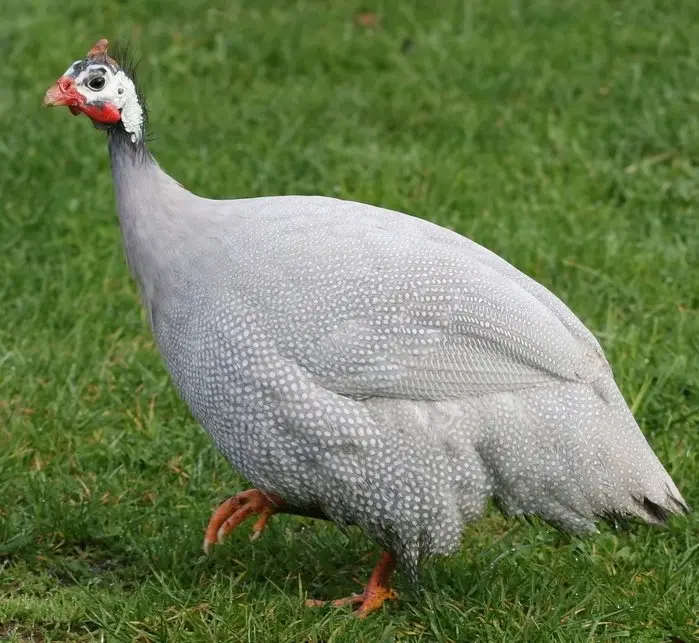
The Lavender Guinea Fowl is a soft blue-gray guinea variety known for its active foraging, loud alarm calls, flock instincts, and useful outdoor pest-control value. If you want a beautiful guinea that can help patrol for ticks and insects while also alerting the farmyard when something unusual appears, Lavender Guineas make a practical and attractive choice.
Guinea fowl are not chickens. They are active, independent, flock-oriented birds that originated along the west coast of Africa. Cackle Hatchery® notes that historical records show guinea fowl in ancient Egypt as far back as 2400 B.C., and by 400 B.C. the Greeks considered guinea meat and eggs delicacies. Cackle has also developed bloodlines of its White, Lavender, Pearl, and Royal Purple guinea varieties since 1977.
Cackle Hatchery® raises White African, Pearl Grey, Royal Purple, and Lavender Guinea Fowl, and guinea keets are sold only as not-sexed keets. Cackle also hatches and sells thousands of guinea keets weekly from May through August.
Because Lavender Guineas are alert, vocal, and excellent foragers, they work best for farms, homesteads, orchards, pastures, and rural properties. However, they are not quiet backyard pets, so customers with close neighbors should consider their noise level before ordering.
Appearance and Characteristics
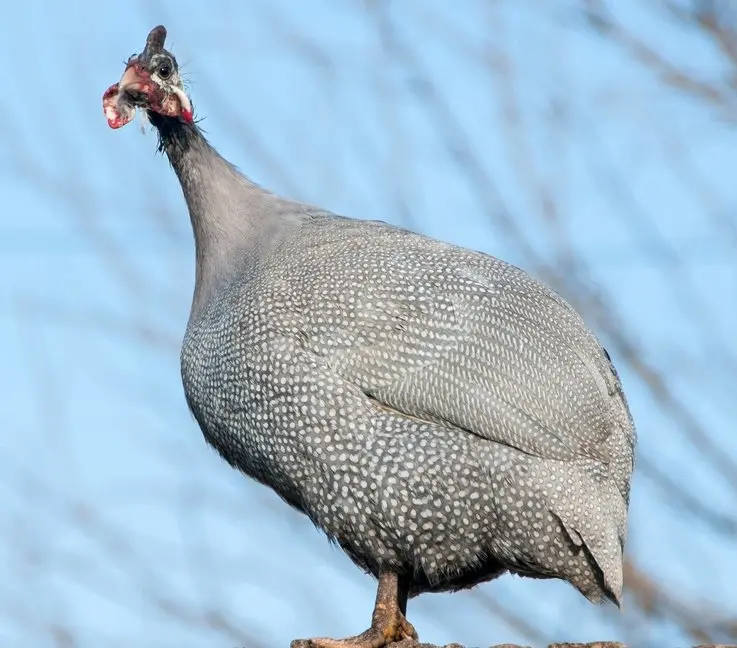
Lavender Guinea Fowl have soft blue-gray plumage with a lighter, more muted look than Pearl Grey Guineas. Cackle’s Selecting Guinea Fowl article describes Lavender Guineas as similar in appearance to Pearl Guineas, but with a softer blue-gray shade.
Like other guinea fowl, Lavender Guineas have an upright posture, quick movement, strong flock instincts, and a watchful nature. They often notice movement, predators, strangers, or changes in the yard before other poultry do. As a result, many keepers value them as natural alarm birds.
Guineas also like to roost high when allowed to choose their own roosting spots. However, training them to return to a coop at night is safer than letting them sleep in trees, where predators and weather can become serious risks.
Since Lavender Guineas can fly and wander, they need early training, a secure brooder, predator protection, and a consistent coop routine.
Lavender Guinea Fowl vs Other Guinea Colors: How to Choose
Lavender Guineas share the same general guinea fowl behavior as Pearl Grey, Royal Purple, and White African Guineas. The main difference is feather color.
Choose Lavender Guinea Fowl if you want a softer blue-gray guinea with strong foraging instincts, useful alarm-bird behavior, and a lighter look than Pearl Grey.
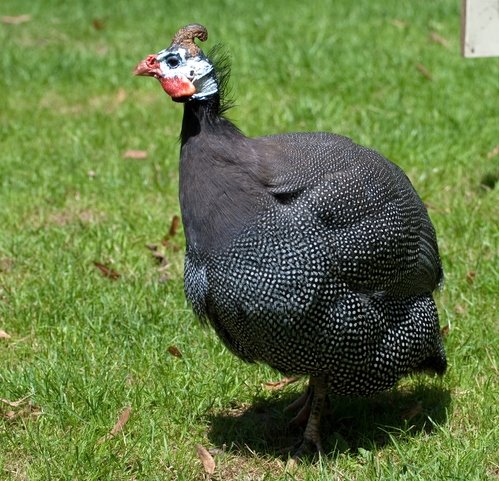
Choose Pearl Grey Guinea Fowl if you want the traditional dark gray guinea with rows of tiny white pearl-like spots. Cackle describes Pearl Guineas as the most popular guinea variety.
Choose Royal Purple Guinea Fowl if you prefer darker plumage with an iridescent purple sheen and white spotting mainly on the wings.
Choose White African Guinea Fowl if you prefer pure white plumage with the same alert, useful guinea behavior.
For customers who want a variety of guinea colors, the Hatchery Choice Guinea Special may be worth comparing. Cackle notes that this special may include White, Lavender, Pearl, and Royal Purple Guinea keets.
Foraging, Tick Control, and Watch-Bird Value
Lavender Guineas are excellent foragers. They naturally search for ticks, insects, grubs, worms, and other small pests in lawns, gardens, pastures, and along wooded edges.
Cackle’s Guinea Fowl on Tick Patrol article explains that many rural keepers raise guinea fowl primarily to patrol for ticks and other insects. When allowed to roam, a flock can cover a lawn, pasture, or woodlot edge.
In addition, guineas are known for their loud alarm calls. That can be a major benefit if you want watch birds around a farmyard, but it can be a drawback for close neighbors or quiet settings. Therefore, customers should think carefully about noise tolerance before ordering.
Lavender Guineas can be especially useful for:
- Tick control around lawns, pastures, and wood lines
- Garden, orchard, and barnyard insect patrol
- Alerting to unusual activity
- Homestead and farmyard pest management
- Customers who enjoy active, independent birds
- 4-H or FFA students interested in showing or breeding guinea fowl
However, a different bird may suit you better if you want quiet poultry, heavy egg production, or a bird that behaves like a tame chicken.
Egg Production and Utility
Lavender Guineas are usually raised for pest control, foraging, alert behavior, ornamental value, and farmyard utility. They may lay seasonal eggs, but customers usually do not choose them as primary egg-laying birds.
Guinea eggs are smaller than many chicken eggs and have thick shells. Even so, they have a long history as a specialty food, and Cackle notes that guinea meat and eggs were considered delicacies by the Greeks as early as 400 B.C.
In addition, guineas have strong flock instincts and usually do best in a group. A single guinea may be stressed, noisy, or difficult to manage, while a group can behave more naturally and work together as a watchful flock.
Temperament and Suitability
Lavender Guineas are lively, alert, vocal, and active. When raised from keets, they may become familiar with their owners, feeding routine, and home area. Even so, they remain more independent than most chickens.
They are often calm toward familiar caretakers, but they are not usually cuddly lap birds. Instead, guineas shine as useful outdoor poultry with strong survival instincts, sharp awareness, and constant movement.
This variety can work well for:
- Farms and homesteads
- Orchards and garden areas
- Pastures and rural properties
- Customers who want tick patrol
- Keepers who can handle loud birds
- Flocks with secure nighttime housing
- Customers who enjoy active, free-ranging poultry
- 4-H and FFA students interested in poultry projects
On the other hand, Lavender Guineas may not be ideal for close neighborhoods, small quiet yards, or customers who want very tame pet poultry. Overall, they fit best with customers who want alert, useful, outdoor birds with strong foraging instincts.
Brooding and Raising Guinea Keets
Guinea keets need careful brooder management. They are small, active, and more delicate than they may look, especially during the first days after arrival.
Cackle’s 3 Ways to Brood Guinea Fowl and 1 Way Not To article warns that letting a free-range guinea raise her own keets often ends badly because keets can chill in wet grass while trying to keep up. Therefore, customers should prepare a warm, dry, protected brooder before keets arrive.
For best results, provide:
- A warm brooder before keets arrive
- Clean, dry bedding with good traction
- Fresh water in safe, shallow waterers
- Proper game bird or keet starter feed
- Protection from drafts and dampness
- Enough space to prevent piling
- A secure brooder lid as keets grow active
Cackle Hatchery® also notes that guinea keets must ship in a separate compartment from other poultry because the small keets may peck the toes of other birds and injure them during shipment. This is an important ordering detail for customers planning mixed poultry purchases.
Keeping Guinea Fowl Close to Home
Guineas are known for wandering and flying, so training matters. Customers who want them to stay near the barn, coop, garden, or pasture should raise them from keets and establish a consistent home base.
Cackle’s Raising Guinea Fowl article recommends starting with keets rather than adult guineas because birds raised from keets are more likely to stay around as adults.
Cackle’s How to Keep Guinea Fowl from Flying Away resource explains that guineas are known for flying away, especially after being moved to an unfamiliar location. Because of that, early training and a consistent home routine matter.
To help them return at night, Cackle’s Getting Guinea Fowl to Roost Indoors at Night article is a helpful companion resource for customers trying to build a nighttime coop habit.
Sexing Guinea Keets
Cackle Hatchery® sells guinea keets only as not-sexed. This is because young guineas are difficult to sex.
Cackle’s Sexing Turkey Poults and Guinea Keets article explains that guinea keets are even harder to sex than turkey poults. Mature males and females may differ in behavior, size, posture, and headgear, but those differences appear later. The article also notes that one of the most useful clues is the female’s two-syllable call, which often starts around 6 weeks of age.
In practical terms, males often make a one-syllable call, while females make a two-syllable “buck-wheat” style call. For that reason, customers should not expect sexed Lavender Guinea keets at ordering time.
Is the Lavender Guinea Fowl Right for You?
Choose Lavender Guinea Fowl if you want:
- A soft blue-gray guinea variety
- Active birds for tick and insect control
- Alert farmyard watch birds
- Strong foragers for rural properties
- A useful addition to gardens, orchards, or pastures
- A flock-oriented bird that works best in groups
- A seasonal keet order from Cackle Hatchery®
- A guinea variety for 4-H or FFA poultry projects
However, consider another poultry type if you want quiet birds, steady egg production, a cuddly pet, or poultry that stays close without training. In short, Lavender Guineas fit best with customers who want active, alert, useful birds for outdoor pest patrol and farmyard awareness.
Shipping and Availability Notes
Cackle Hatchery® ships baby guinea keet orders seasonally, generally from May through August. Cackle recommends ordering in March or April to reserve keets before the main shipping season fills.
Cackle’s guinea category also states that customers may order as early as November and should check the availability chart for current shipping months.
Important shipping notes:
- Guinea keets must ship in a separate compartment from other poultry.
- Guinea keets are sold only as not-sexed.
- Guinea fowl cannot ship to Hawaii.
- Availability can change by hatch date and season.
Customers should check Cackle Hatchery’s Chicken Availability Chart before ordering.
Related Guinea Fowl and Helpful Cackle Hatchery® Resources
Customers comparing Lavender Guineas may also want to review Cackle’s other guinea colors and care articles. Start with Guinea Fowl for Sale to compare Pearl Grey, Lavender, Royal Purple, and White African Guinea Fowl. Cackle notes that guinea keets are sold not-sexed and hatch weekly during the season.
Helpful Cackle Hatchery® links for this product page include:
- Guinea Fowl for Sale
- Pearl Grey Guinea Fowl
- Royal Purple Guinea Fowl
- White African Guinea Fowl
- Hatchery Choice Guinea Special
- Selecting Guinea Fowl
- Raising Guinea Fowl
- 3 Ways to Brood Guinea Fowl and 1 Way Not To
- Guinea Fowl on Tick Patrol
- How to Keep Guinea Fowl from Flying Away
- Getting Guinea Fowl to Roost Indoors at Night
- Sexing Turkey Poults and Guinea Keets
- Chicken Availability Chart
FAQ: Lavender Guinea Fowl
What is a Lavender Guinea Fowl?
A Lavender Guinea Fowl is a soft blue-gray guinea variety known for active foraging, loud alarm calls, flock behavior, and useful tick and insect patrol.
Are Lavender Guineas good for tick control?
Yes. Lavender Guineas are excellent foragers and can help patrol for ticks, insects, grubs, and other small pests in lawns, pastures, gardens, and wooded edges.
Are Lavender Guineas loud?
Yes. Guineas are loud, alert birds. They often call loudly when they notice predators, strangers, movement, or anything unusual in their territory.
Are Lavender Guineas good watch birds?
Yes. Their alert nature and loud calls make them useful watch birds around farms, homesteads, orchards, and rural properties.
Are Lavender Guineas friendly?
When raised from keets, Lavender Guineas can become familiar with their owners and routines. However, they are usually more independent than chickens and should not be expected to act like lap pets.
Are Lavender Guineas good for beginners?
They can work for beginners who understand their noise, flight ability, brooder needs, and flock behavior. New keepers should prepare a secure brooder and have a plan for training them to return to the coop.
Do Lavender Guineas lay eggs?
Yes, guinea hens may lay seasonal eggs. However, customers usually choose guineas for pest control, alert behavior, and foraging rather than steady egg production.
Can Lavender Guinea keets be sexed?
No. Cackle Hatchery® sells guinea keets only as not-sexed because young guineas are difficult to sex. The female’s two-syllable call may become a useful clue at around 6 weeks of age.
What sound does a male guinea make?
A male guinea usually makes a one-syllable call, often repeated several times. Many keepers describe it as a “chit, chit, chit” or similar sharp call.
What sound does a female guinea make?
A female guinea can make a two-syllable call often described as “buck-wheat, buck-wheat.” This call is one of the most useful ways to identify females as they mature.
When does Cackle Hatchery® ship guinea keets?
Cackle Hatchery® generally ships guinea keets from May through August. Cackle recommends ordering early, often in March or April, to help reserve keets before the season fills.
Can Cackle Hatchery® ship guinea fowl to Hawaii?
No. Cackle Hatchery® cannot ship guinea fowl to Hawaii.
Why do guinea keets ship separately from other poultry?
Cackle Hatchery® ships guinea keets in a separate compartment because small keets may peck the toes of other poultry and injure them during shipment.
What do Lavender Guinea keets need in the brooder?
Lavender Guinea keets need warmth, dry bedding, safe waterers, proper starter feed, ventilation without drafts, and protection from dampness or chilling.
Are guinea keets hard to raise?
They need careful early brooding. Keets are small and active, so warmth, dryness, safe water, and good feed access are important during the first days.
Will Lavender Guineas stay on my property?
They are more likely to stay if you raise them from keets, train them to a coop, and keep a consistent feeding routine. However, guineas can wander and fly, especially if moved to a new location.
How do I get guineas to roost indoors at night?
Start training early. Raising keets with chicks, using a consistent coop routine, and feeding near the coop can help encourage guineas to return indoors at night.
What is the difference between Lavender and Pearl Grey Guinea Fowl?
Lavender Guineas have softer blue-gray plumage. Pearl Grey Guinea Fowl have darker gray plumage covered with rows of small white pearl-like spots.
What is the difference between Lavender and Royal Purple Guinea Fowl?
Lavender Guineas have a soft blue-gray look. Royal Purple Guinea Fowl are darker and have an iridescent purple sheen.
Does Cackle Hatchery® offer other guinea colors?
Yes. Cackle Hatchery® offers several guinea fowl colors, including Lavender, Pearl Grey, Royal Purple, and White African Guinea Fowl. Customers can compare them in the Guinea Fowl for Sale category.
Where can I check Lavender Guinea Fowl availability?
Customers can check Cackle Hatchery’s Chicken Availability Chart for current hatch and shipping timing. Guinea availability can change during the season, so checking the chart helps customers plan ahead.
Order from Cackle Hatchery
Choose Lavender Guinea from cackle hatchery. Review the product information above for current options, availability and ordering details.
Related Products
Related products


