






Buy Blue Silkie Bantam Online
Buy blue silkie bantam online from cackle hatchery. Compare the bird or breed details, available options, current availability and delivery conditions before ordering.
Blue Silkie Bantam
Breed Facts
- Poultry Show Class: Feather Legged Bantams
- Weights – Hen ——-32 oz Rooster—-36 oz
Pullet——28 oz Cockerel—-32 oz - Purpose and Type: Ornamental; Exhibition
- Egg Shell Color: Cream or Tinted Bantam Sized Egg
- Egg Production: Good
- Egg Size: Small
- Temperament: Docile
- Fertility Percentage: 40-55%
- Broody: Setters
- Mating Ratio: 6 Females to 1 Male
- Roost Height: 0 to 2 feet
- Country of Origin – Asia
- APA:Yes, Recognized by the Standard of Perfection in 1996
- TLC: No
- Breeder Farm Source: “Cackle Hatchery® Poultry Breeding Farm” developing our bloodline or strain of pure Silkie Bantams since 1973.
Blue Bearded Silkie Bantam Chicken
Breed Overview and Origin
The Blue Bearded Silkie Bantam chicken is a calm, ornamental bantam known for its soft blue plumage, full beard, fluffy feathering, black skin, five toes, and excellent broody mothering instinct. If you want a small chicken that can work as a backyard pet, show bird, or natural mother hen, this variety is one of the most charming choices Cackle Hatchery® offers.
Silkies are one of the most recognizable bantam breeds in the world. Cackle Hatchery’s Silkie Bantam Chickens in the Breed Spotlight explains that the breed’s exact origin is uncertain, but Marco Polo described chickens with fur-like feathers and black skin in his 13th-century writings about Asia.
Cackle Hatchery® has developed its pure Silkie Bantam bloodline since 1973, and Cackle’s Silkie Bantam Special lists Silkies as ornamental, exhibition bantams with cream or tinted bantam-sized eggs, docile temperament, broody behavior, and feather-legged bantam show classification.
Because Blue Bearded Silkies are calm and easy to enjoy, they are especially popular with families, hobby keepers, 4-H exhibitors, and backyard flock owners who want a gentle bantam with a one-of-a-kind look.
Appearance and Characteristics
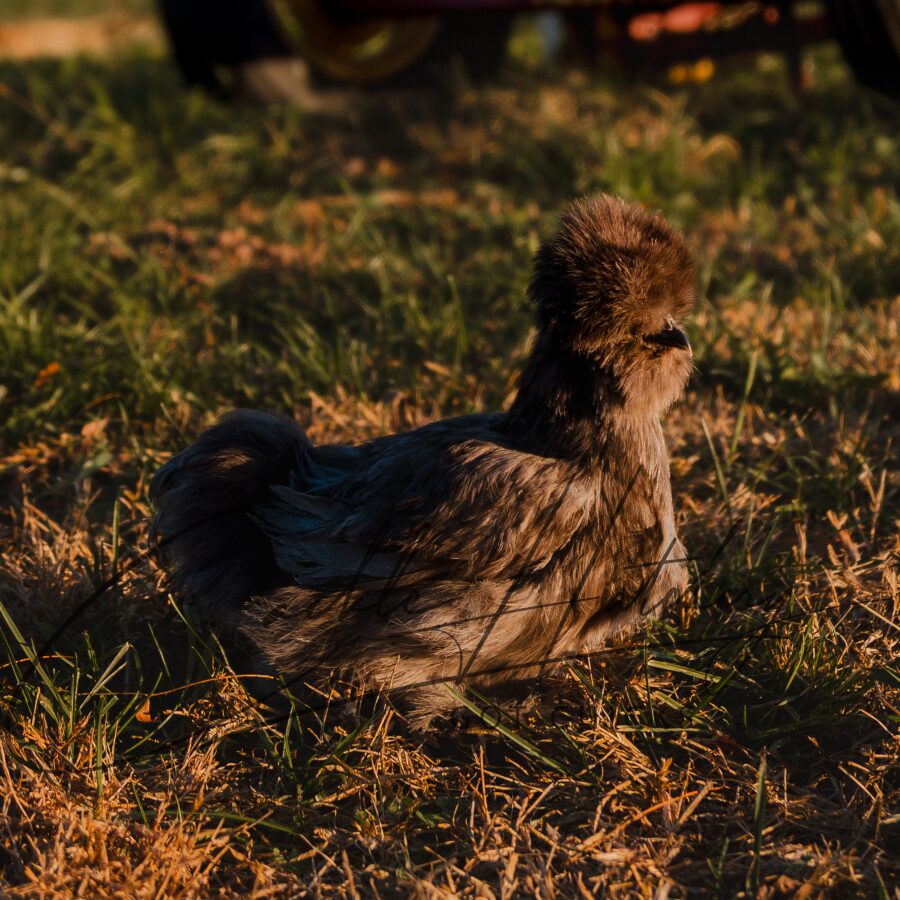
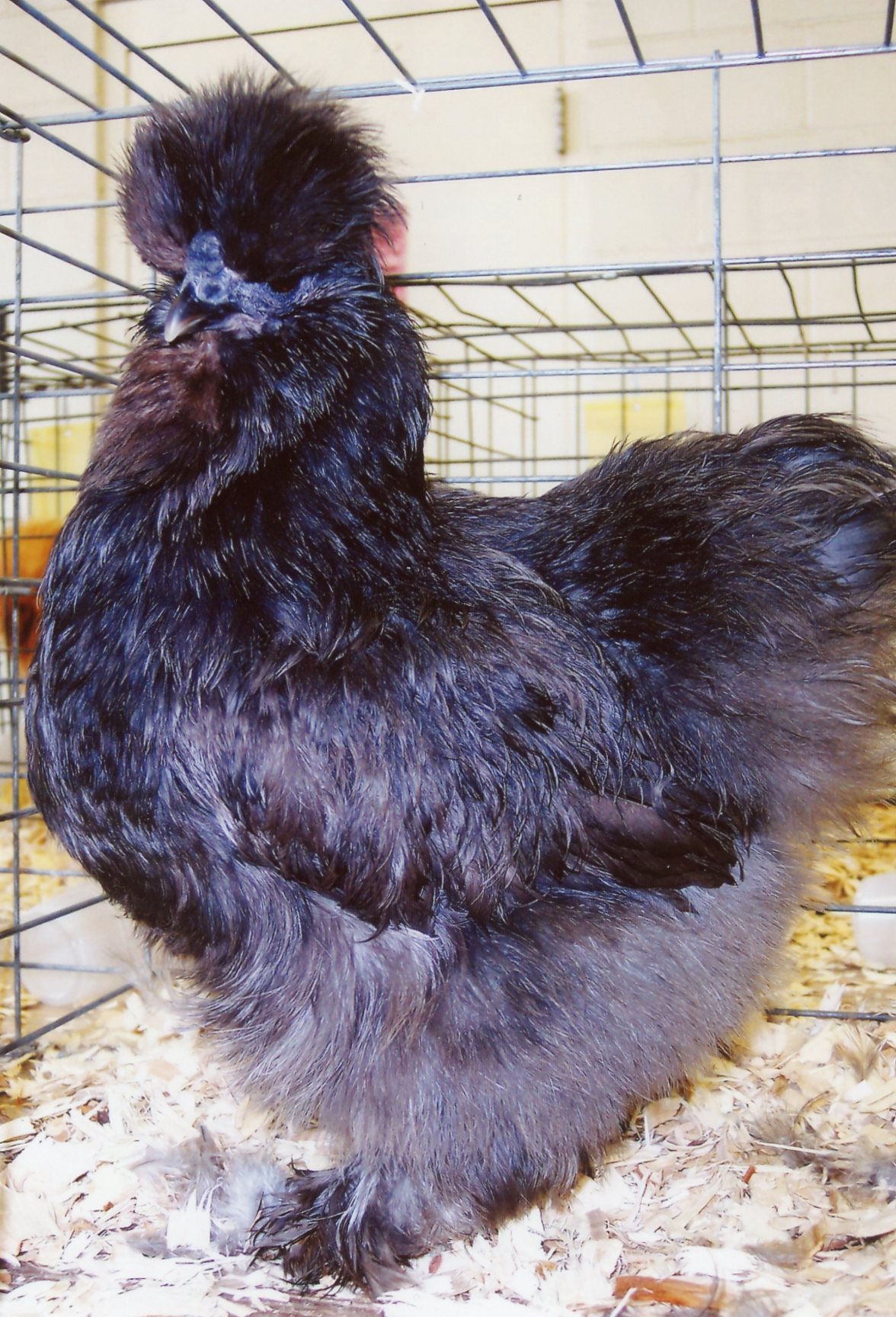
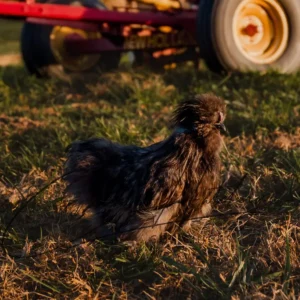
Blue Bearded Silkie Bantams have soft, fluffy plumage with a blue to blue-gray appearance. Their feathers lack the firm structure of regular chicken feathers, which gives Silkies their famous soft, silky look. In addition, the beard creates a full, rounded facial appearance that many customers love in pet and show Silkies.
Silkies also have several unusual breed traits. They have black skin, dark bones, feathered legs, and five toes on each foot. Cackle Hatchery’s article 5 Chicken Breeds that Have 5 Toes explains that most chickens have four toes, while Silkies are one of the breeds that typically have five toes on each foot.
Since they have feathered feet and soft feathering, Blue Bearded Silkies need clean, dry housing. Mud, wet bedding, and rough ground can soil or damage their foot feathers. Therefore, a dry coop, well-drained run, and clean bedding will help keep them comfortable and attractive.
Cackle’s Silkie Chickens for Sale category includes multiple Silkie color options and notes that Silkies typically hatch and ship weekly from February through August, with customers encouraged to check the availability chart for current shipping dates.
Blue Bearded Silkie vs Other Silkie Bantams: How to Choose
Blue Bearded Silkies share the same calm temperament, fluffy feathering, five toes, and broody instinct as other Silkie Bantams. The main difference is color and whether you want a specific variety or an assortment.
Choose Blue Bearded Silkie Bantam if you want a calm, blue-colored ornamental bantam with a full beard, soft feathering, and strong pet or show appeal.
Choose White Silkie Bantam chickens if you prefer a clean white Silkie variety. Cackle lists White Silkie Bantams as baby chicks only, with no sexing available and seasonal shipping from early February through mid-August.
Choose Splash Silkie Bantam chickens if you like a lighter patterned Silkie from the blue/black/splash color family. Cackle’s Splash Silkie listing highlights their unique coloring, friendly nature, and exhibition appeal.
Choose Silkie Bantam Special if you like several Silkie colors and do not need one exact variety. This hatchery-choice special is sold as baby chicks only with no sexing available and includes Silkie breed facts such as docile temperament, broody behavior, cream or tinted bantam-sized eggs, and ornamental/exhibition purpose.
For customers comparing all available Silkie options, the Silkie Chickens for Sale category is the best place to review Cackle’s current color varieties.
Egg Production and Utility
Blue Bearded Silkie Bantams serve mainly as ornamental, pet, broody, and exhibition chickens. Therefore, customers should choose them for temperament, beauty, small size, and mothering instinct rather than heavy egg production.
Hens may lay small cream or tinted bantam-sized eggs. However, Silkies are not production layers, and their eggs will be smaller than standard-size chicken eggs. Cackle’s Silkie Bantam Special lists Silkie egg production as good for the breed type, with small cream or tinted bantam-sized eggs, but customers should still view them as ornamental bantams rather than high-volume layers.
These birds do not serve as meat chickens either. Instead, their value comes from their gentle behavior, fluffy appearance, broody instinct, pet appeal, and small-flock enjoyment.
Temperament and Suitability
Blue Bearded Silkies are extremely calm, gentle, and easy to enjoy. They often do well in confinement, which makes them a practical option for small coops, backyard runs, and protected bantam setups.
In addition, Silkie hens are famous for broodiness. Many keepers use Silkie hens as natural mothers for hatching eggs or raising chicks. However, broodiness can vary by individual bird, age, season, and flock setup.
This variety can work well for:
- Families with children
- Backyard pet flocks
- Bantam hobby flocks
- 4-H and youth poultry projects
- Poultry exhibitors
- Keepers who want broody mother hens
- Small coops or protected runs
- Flocks with other gentle bantams
On the other hand, a different breed may suit you better if you want a heavy egg layer, a meat bird, or a rugged free-range chicken. Overall, Blue Bearded Silkies shine when customers want a calm, fluffy, people-friendly bantam with strong broody potential.
Is the Blue Bearded Silkie Bantam Chicken Right for Your Flock?
Choose Blue Bearded Silkie Bantam chickens if you want:
- A calm backyard pet chicken
- A small ornamental bantam
- A blue-gray Silkie with a full beard
- A bird that can do well in confinement
- A bantam for pets, exhibition, or 4-H
- A hen with strong broody mothering potential
- A chicken breed with five toes
- A soft-feathered bird with black skin
- A related option to Cackle’s other Silkie color varieties
However, consider another breed if you want large eggs, high production, strong flight ability, or a chicken for rough outdoor conditions. In short, Blue Bearded Silkies fit best with customers who value temperament, beauty, broodiness, and classic Silkie charm.
Note About Breeding Blue Silkies
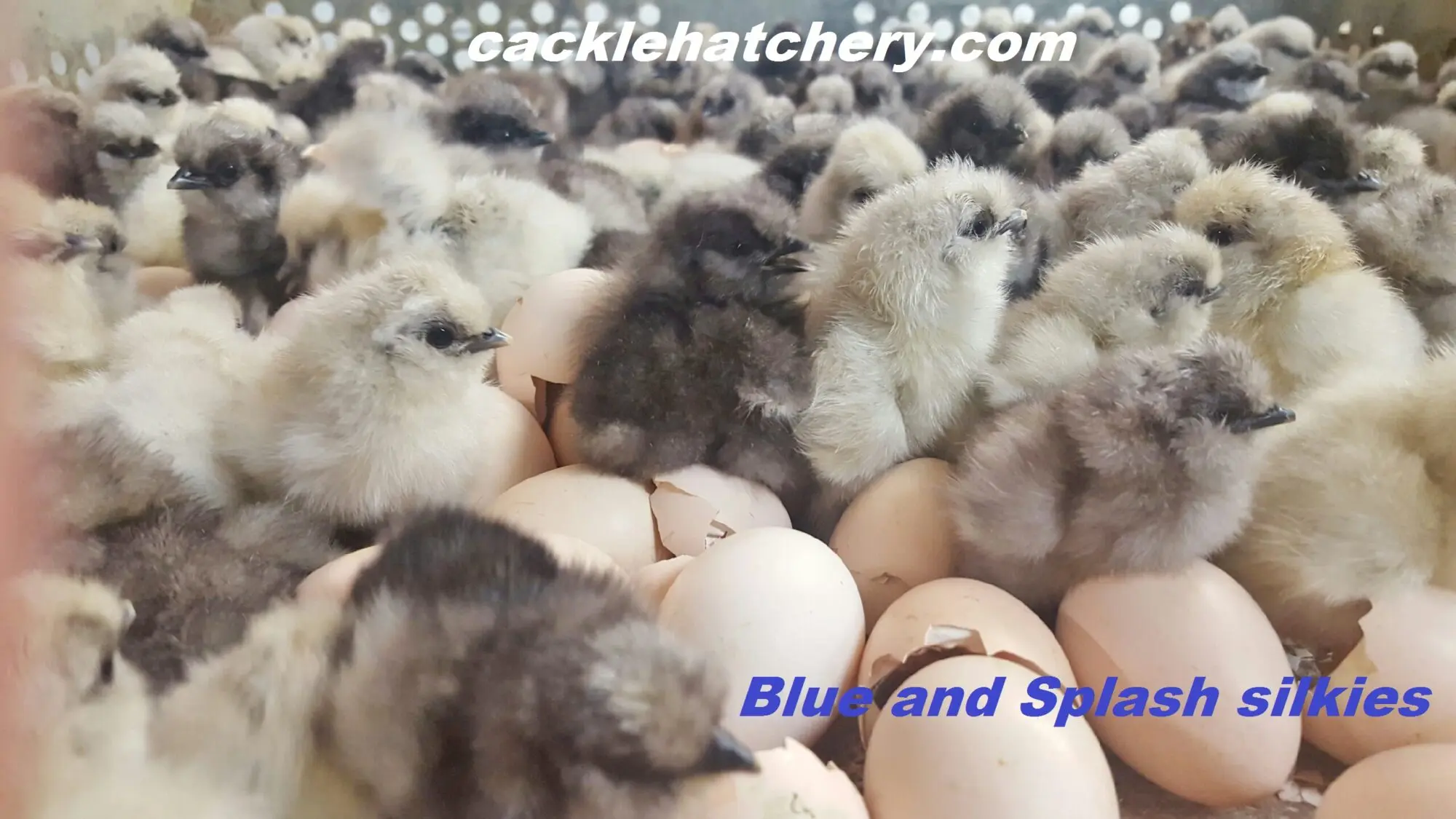
Blue Silkie color does not breed 100% true. If you breed a blue bearded Silkie to another blue Silkie, you should not expect every chick to hatch blue.
In many blue poultry breeding programs, blue-to-blue matings can produce approximately:
- 50% blue chicks
- 25% dark blue or black chicks
- 25% splash chicks
As a result, customers who plan to breed Blue Bearded Silkies should expect some color variation. For backyard keepers, that variation can be fun and attractive. For breeders and exhibitors, however, blue/black/splash genetics become an important part of flock planning and bird selection.
Care Notes for Silkies
Blue Bearded Silkies need the same basic care as other chicks, plus extra attention to their feather type, foot feathering, and smaller bantam size. Since their feathers are soft rather than slick and weather-shedding, they need protection from wet, muddy, or harsh conditions.
For best results, provide:
- A dry, draft-free coop
- Clean bedding
- Good ventilation
- A predator-safe run
- Dry footing around feeders and waterers
- Low, easy-to-reach roosts
- Protection from heavy rain and mud
- Regular checks for mud buildup on foot feathers
In addition, Silkies cannot fly as well as many other chickens, and their crest or beard may limit vision in some birds. For that reason, secure housing and predator protection matter more than open free range.
Breed History and Preservation
Silkies have a long and fascinating history. Cackle Hatchery’s Silkie breed spotlight explains that Marco Polo mentioned chickens with fur-like feathers and black skin in the 13th century, and Silkies have remained one of the most beloved ornamental breeds ever since.
Cackle Hatchery® has developed its pure Silkie Bantam bloodline since 1973, according to Cackle’s Silkie Bantam Special breed facts. That page also lists Silkies as recognized by the American Standard of Perfection and classed as Feather Legged Bantams.
For customers who enjoy unusual poultry, Blue Bearded Silkies offer more than a pretty color. They bring together ancient breed history, gentle personality, unusual five-toed feet, soft feathering, broodiness, and strong ornamental appeal.
Recognition and Availability
Silkie Bantams have a long-standing place in poultry exhibition, and Cackle lists Silkies in the Feather Legged Bantams show class. Cackle’s Silkie Bantam Special also lists Silkies as ornamental/exhibition birds with docile temperament, broody behavior, and American Standard of Perfection recognition.
Cackle’s Silkie category notes that Silkie Bantams are available in several colors, including black, blue, and white, and that Cackle hatches and delivers Silkies weekly from February through August. Customers can also order early to improve their chances of receiving their preferred variety.
Since Silkie availability can change during the season, customers should check the Chicken Availability Chart before ordering.
Related Breeds and Helpful Cackle Hatchery® Resources
Customers who like Blue Bearded Silkies may also enjoy other Silkie varieties, feather-legged bantams, and small ornamental chickens. Start with Cackle Hatchery’s Silkie Chickens for Sale category to compare current Silkie color options.
For customers who like variety, the Silkie Bantam Special can be a useful option when an exact color is not required. Cackle’s 5 Chicken Breeds that Have 5 Toes and Silkie Bantam Chickens in the Breed Spotlight are also helpful resources for customers learning about Silkie traits.
Helpful Cackle Hatchery® links for this product page include:
- Silkie Chickens for Sale
- Silkie Bantam Special
- White Silkie Bantam chickens
- Splash Silkie Bantam chickens
- 5 Chicken Breeds that Have 5 Toes
- Silkie Bantam Chickens in the Breed Spotlight
- Breed Spotlight: Silkie Bantam Chickens
- Bantam Chickens for Sale
- Feather Legged Bantam Assortment
- Assorted Purebred Bantam Chicken Special
- Baby chicks for sale
- Chicken Breed Selector
- Chicken Breeds List Comparison Chart
- Chicken Availability Chart
FAQ: Blue Bearded Silkie Bantam Chicken
What is a Blue Bearded Silkie Bantam chicken?
A Blue Bearded Silkie Bantam chicken is a small ornamental Silkie with blue-gray plumage, a full beard, soft feathering, black skin, feathered feet, five toes, and a calm temperament.
Are Blue Bearded Silkies good pets?
Yes. Blue Bearded Silkies make excellent pet chickens because they are calm, gentle, and easy to enjoy. Their small size and docile personality make them popular with families and backyard keepers.
Are Blue Bearded Silkies good for children?
Yes, they can be a good choice for families with children. Even so, adults should supervise children when handling any chicken because bantams are small and delicate.
Are Blue Bearded Silkies good for beginners?
Yes, they can work well for beginners who provide dry housing, predator protection, and regular care. However, Silkies need extra protection from wet, muddy conditions because of their soft feathering and feathered feet.
Are Blue Bearded Silkies good show chickens?
Yes. Blue Bearded Silkies have strong exhibition appeal because of their soft feathering, beard, feathered legs, five toes, and unique blue coloring.
Are Blue Bearded Silkies good mothers?
Yes. Silkie hens are well known for broodiness and mothering instinct. Many backyard keepers appreciate Silkies because hens may hatch eggs or help raise chicks.
Do Blue Bearded Silkies go broody?
They often can. Broodiness may vary by individual hen, age, season, and flock setup, but Silkies are one of the bantam breeds most associated with broody behavior.
What color eggs do Blue Bearded Silkies lay?
Blue Bearded Silkie hens may lay small cream or tinted bantam-sized eggs. However, customers should choose this variety mainly for pets, broodiness, and ornamental value rather than egg production.
Are Blue Bearded Silkies good egg layers?
They are not production layers. While Cackle lists Silkie Bantams as having good egg production for the breed type, their eggs are small and they are best known for pets, show, and broodiness.
Do Blue Bearded Silkies have five toes?
Yes. Silkies typically have five toes on each foot. Cackle Hatchery’s 5 Chicken Breeds that Have 5 Toes explains that most chickens have four toes, while Silkies are one of the breeds known for five toes.
Are Blue Bearded Silkies good for confinement?
Yes. Blue Bearded Silkies can do well in confinement when they have enough space, dry bedding, ventilation, and a secure run. Their calm temperament makes them a good option for protected backyard setups.
Are Blue Bearded Silkies good for free range?
They can enjoy supervised outdoor time, but a protected run usually works better than open free range. Their small size, limited flight ability, soft feathering, and possible vision limits make predator protection especially important.
Are Blue Bearded Silkies cold hardy?
They can handle cool weather with a dry, draft-free coop and good ventilation. However, their soft feathering and feathered feet mean they need protection from wet bedding, ice, and harsh winter conditions.
Are Blue Bearded Silkies heat tolerant?
They can do fine in warm weather when keepers provide shade, ventilation, and cool clean water. During extreme heat, small bantams need close attention because they can stress quickly.
Does blue breed true in Blue Bearded Silkies?
No, blue does not breed 100% true. Breeding blue to blue may produce roughly 50% blue, 25% dark blue or black, and 25% splash chicks.
What is the difference between Blue Bearded Silkie and Splash Silkie Bantam?
Blue Bearded Silkies usually have blue to blue-gray plumage. Splash Silkie Bantam chickens usually have a lighter base with splash markings, and they come from the same blue/black/splash color family.
Does Cackle Hatchery® offer other Silkie Bantams?
Yes. Cackle Hatchery® offers several Silkie color options. Customers can review Silkie Chickens for Sale or choose the Silkie Bantam Special if they want a hatchery-choice Silkie assortment.
Where can I check Blue Bearded Silkie Bantam chick availability?
Customers can check Cackle Hatchery’s Chicken Availability Chart for current hatch and shipping timing. Silkie availability can change during the season, so checking the chart helps customers plan ahead.
Ordering Information
Check the current price, stock status and selectable options displayed on this page. Read the product information and applicable policies before adding this item to your cart.
Related Products
Related products