





Black Silkie Bantam
Breed Facts
- Poultry Show Class: Feather Legged Bantams
- Weights – Hen ——-32 oz Rooster—-36 oz
Pullet——28 oz Cockerel—-32 oz - Purpose and Type: Ornamental; Exhibition
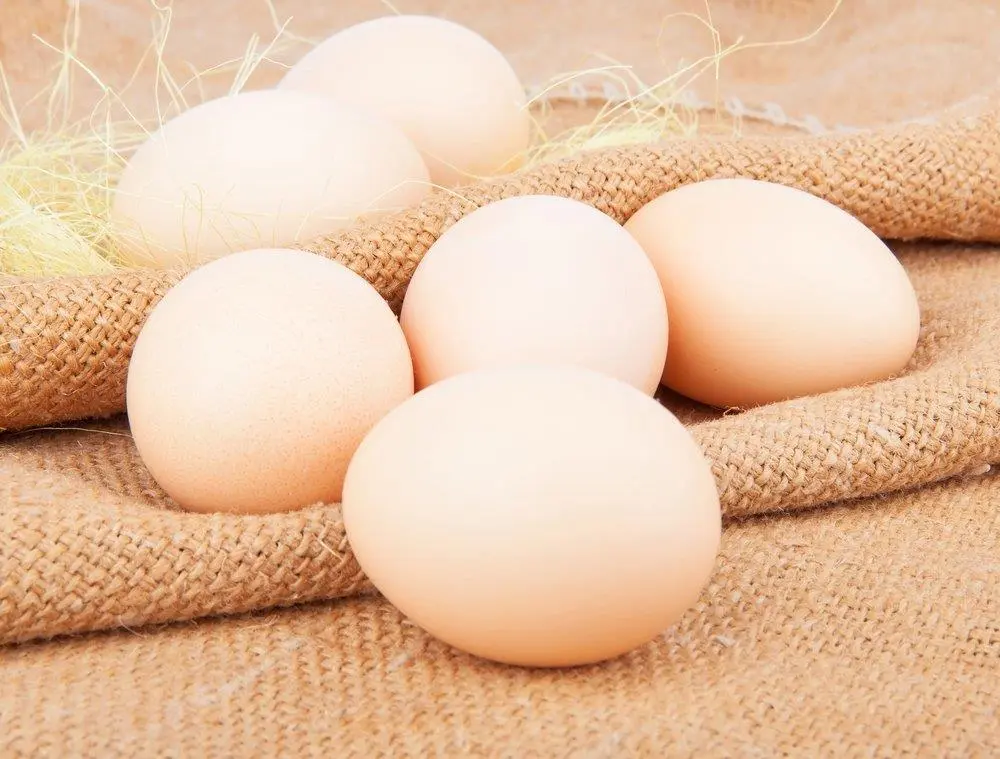
- Egg Shell Color: Cream or Tinted Bantam Sized Egg
- Egg Production: Good
- Egg Size: Small
- Temperament: Docile
- Fertility Percentage: 40-55%
- Broody: Setters
- Mating Ratio: 6 Females to 1 Male
- Roost Height: 0 to 2 feet
- Country of Origin – Asia
- APA: Yes, Recognized by the Standard of Perfection in 1965
- TLC: No
- Breeder Farm Source: Cackle Hatchery® Breeding Farm developing our bloodline or strain of pure Silkie Bantams since 1973.
Black Silkie Bantam Chicken
Breed Overview and Origin
The Black Bearded Silkie Bantam chicken is one of the most lovable bantams you can add to a backyard flock. If you want a small, fluffy chicken that looks unusual, enjoys gentle attention, and has strong broody instincts, this variety is a wonderful choice.
Silkies have been known for centuries because of their soft, hair-like feathering. In 1598, Italian naturalist Ulisse Aldrovandi described “wool-bearing chickens” with hair-like plumage, a description widely connected to early Silkies. Modern breed guides still point to that old description when discussing the Silkie’s unique feather texture.
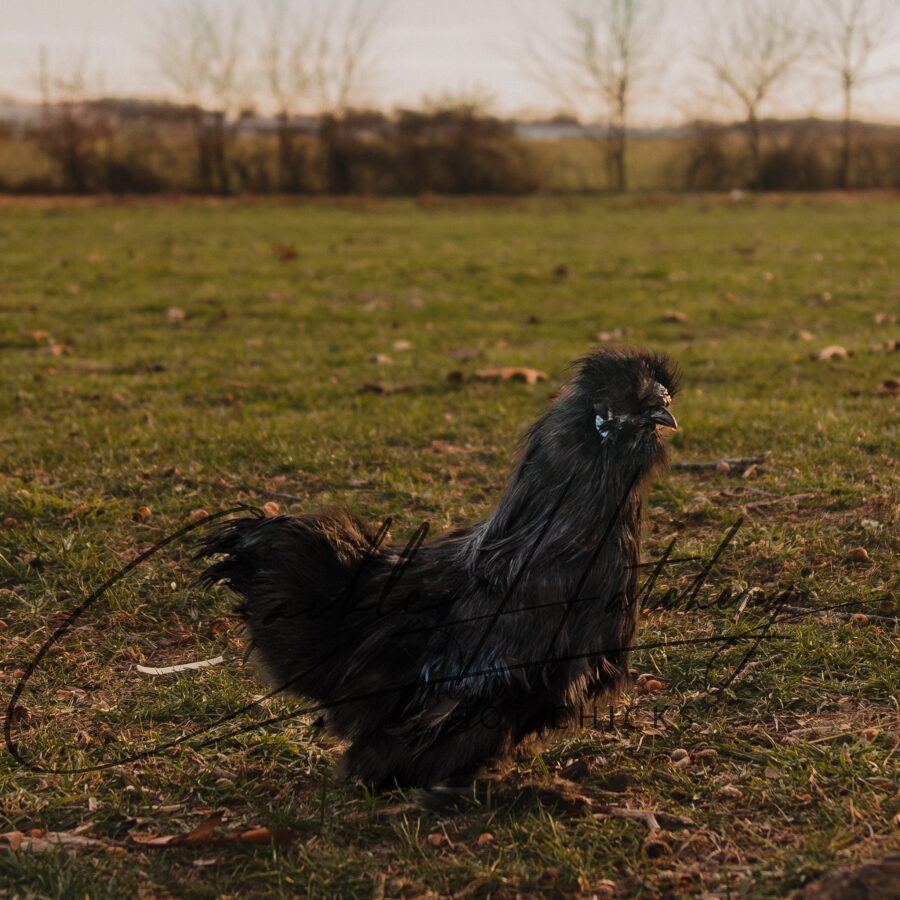
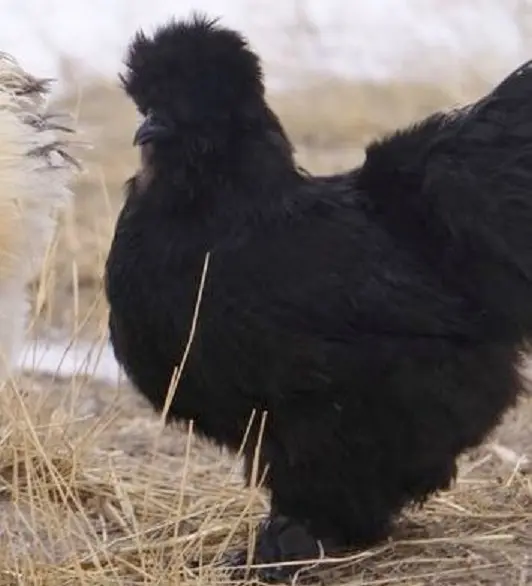
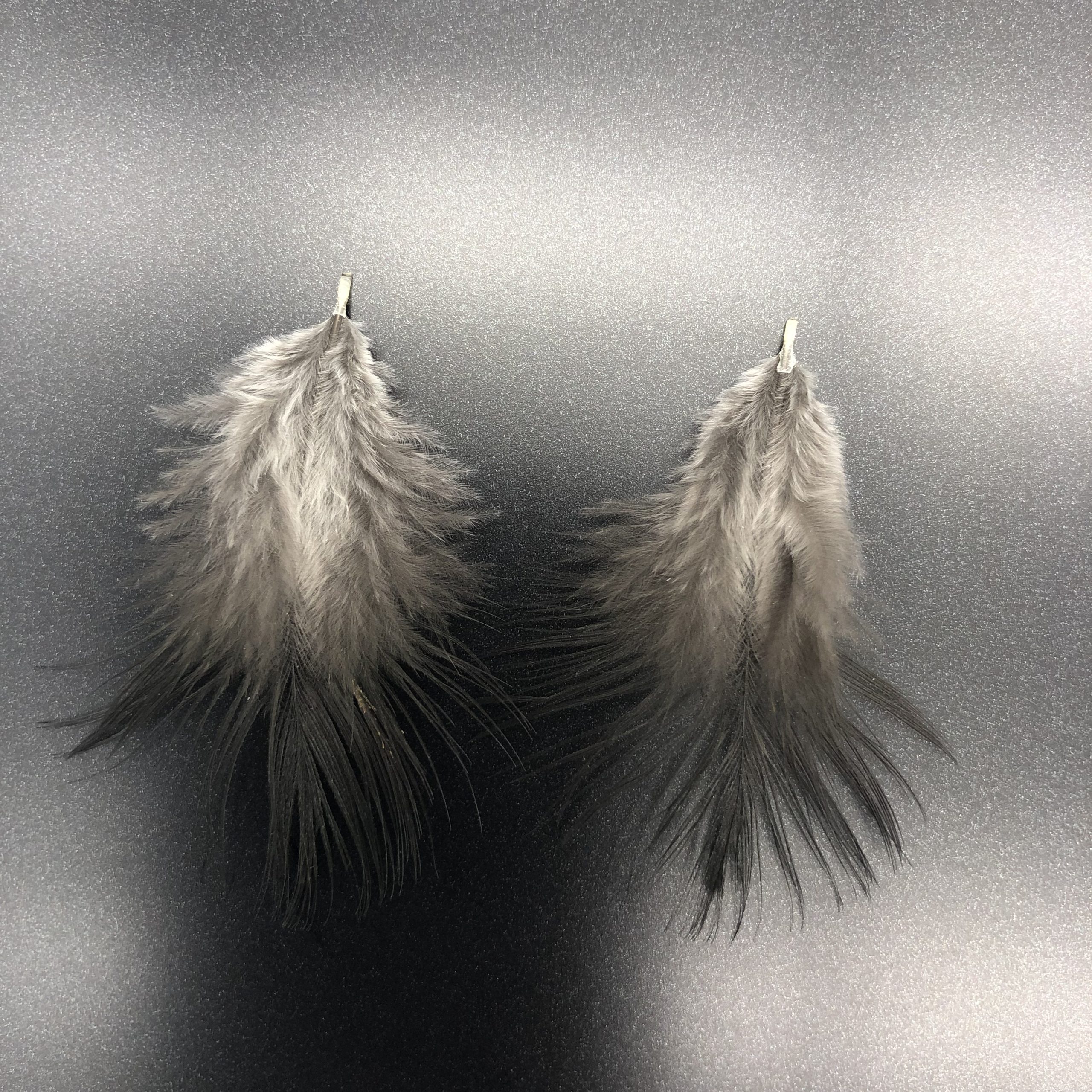
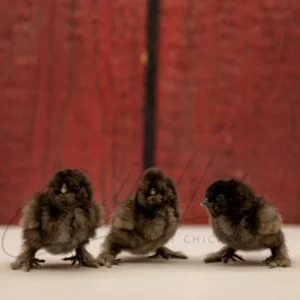
Black Bearded Silkies are all black except for their turquoise earlobes and dark purple combs and wattles. Their soft plumage, black skin, feathered legs, five toes, beard, and gentle personality make them excellent pets, show birds, and broody mothers.
Appearance and Characteristics
Black Bearded Silkie Bantams have black plumage, black skin, black bones, dark flesh, feathered legs, and five toes on each foot. Their turquoise earlobes stand out beautifully against the dark face, comb, and wattles.
The beard gives the face a full, fluffy look. In addition, their soft Silkie feathering creates a fuzzy texture instead of the smooth feather structure seen in most chickens.
Cackle Hatchery’s blog on five-toed chicken breeds explains that most chickens have four toes, but Silkies are one of the breeds that typically have five. This trait is called polydactylism.
Black Bearded Silkie vs Other Silkie Colors
Black Bearded Silkies share the same basic Silkie traits with other Silkie varieties. The main difference is color.
Choose Black Bearded Silkies if you want a dark, dramatic bird with black plumage and turquoise earlobes. Choose White, Buff, Blue, Splash, or other Silkie colors if you prefer a lighter or more varied look.
You also do not have to choose only one color. Cackle Hatchery® offers a Mixed Silkie Bantam Special for customers who enjoy Silkies and do not need one exact color variety.
Bearded Silkie vs Non-Bearded Silkie
A bearded Silkie has extra feathering under the beak and around the face. That beard gives the bird a rounder, fuller, more “stuffed animal” look.
Non-bearded Silkies still have the soft feathering, dark skin, five toes, and gentle temperament, but their faces look cleaner and less fluffy. Choose Black Bearded Silkies if you like the full facial feathering and classic cuddly appearance.
Because the beard can collect moisture or feed, it helps to keep waterers clean and check facial feathers when conditions are wet or messy.
Egg Production and Utility
Black Bearded Silkie Bantams may lay small cream or tinted eggs, but they are not production layers. Most customers choose them for pets, show appeal, broodiness, and mothering ability.
Silkie hens are famous for wanting to sit. If you raise other chicken breeds that rarely go broody, a Silkie hen can often help hatch and raise chicks from other breeds.
That broody nature makes Silkies especially useful for hobby keepers who enjoy natural hatching. However, because they are small bantams, they cannot cover as many eggs as a large hen.
Broodiness and Mothering Ability
Black Bearded Silkie hens are consistently eager broodies. They often want to hatch eggs and raise chicks, even when the chicks are not their own breed.
Their calm nature and strong mothering instinct make them a favorite for small hatching projects. In addition, many keepers use Silkies as natural incubators for rare or less broody breeds.
If your goal is nonstop egg production, broodiness can feel inconvenient. However, if you enjoy hatching chicks naturally, this trait becomes one of the Silkie’s biggest strengths.
Temperament and Suitability
Black Bearded Silkies are gentle, sweet, and easy to love. Many customers describe them as pet-like, and they can be wonderful birds for families, hobby flocks, and anyone who enjoys calm bantams.
They are not aggressive flock bosses. Because of that, they often do best with other gentle birds or in a Silkie-friendly pen where larger, pushier breeds will not bully them.
Silkies can make great lap chickens with patient handling. They are small, soft, and people-friendly, which makes them a favorite for customers who want chickens for companionship as much as eggs.
Silkie Care Notes
Silkie feathering is beautiful, but it does not shed water like normal chicken feathers. For that reason, dry housing matters.
Keep the coop clean, dry, and draft protected. In wet weather, provide covered areas so the birds do not stay damp. Their feathered feet can also collect mud or snow, so foot checks are helpful during messy seasons.
Because their crest and beard can limit vision, Silkies may be easier targets for predators. A secure coop and protected run are especially important.
Is the Black Bearded Silkie Bantam Right for Your Flock?
Choose Black Bearded Silkies if you want:
A fluffy bantam pet
A gentle lap-style chicken
A black Silkie variety
A bird with turquoise earlobes
A five-toed chicken
A feather-footed bantam
A broody hen for natural hatching
A good mother for chicks
A showy ornamental bird
A Mixed Silkie Bantam Special option to compare
Overall, this bantam is a great choice if you want a sweet, soft, unusual chicken with strong broody instincts. While Black Bearded Silkies are not the best choice for heavy egg production or meat, they are excellent pets, mothers, and ornamental flock birds.
If you are still comparing bantams, browse Cackle Hatchery’s bantam chickens category or use the Chicken Breed Selector.
Breed History and Preservation
Silkies have an old and fascinating history. Their exact origin is debated, but they are closely associated with Asia and have been described by travelers and naturalists for hundreds of years.
Their unusual traits made them famous: soft feathering, black skin, five toes, feathered feet, and calm temperament. Over time, Silkies became popular as ornamental birds, show birds, pets, and broody mothers.
Black Silkies entered the American Poultry Association Standard in 1975, making Black the second Silkie variety accepted after the first Silkie variety entered the Standard decades earlier. Cackle’s product copy notes that the Black Silkie was accepted 91 years after the first Silkie variety became standardized.
Recognition and Availability
The Black Silkie variety entered the APA Standard in 1975. Black Bearded Silkies remain popular because they combine striking color with the Silkie’s well-known pet and mothering qualities.
Cackle Hatchery® offers several Silkie color varieties, along with the Mixed Silkie Bantam Special. For additional background, use Cackle’s Breed Spotlight: Silkie Bantam Chickens and 5 Chicken Breeds that Have 5 Toes as helpful internal resources.
Before you plan your order, check Cackle’s Availability Chart for current hatch and shipping options.
Related Breeds and Helpful Cackle Hatchery® Resources
If you like Black Bearded Silkies, you may also want to compare White Silkies, Buff Silkies, Blue Silkies, Splash Silkies, Paint Silkies, and the Mixed Silkie Bantam Special.
Helpful internal links include 5 Chicken Breeds that Have 5 Toes, Breed Spotlight: Silkie Bantam Chickens, Mixed Silkie Bantam Special, bantam chickens, and baby chicks for sale.
FAQ: Black Bearded Silkie Bantam Chicken
What is a Black Bearded Silkie Bantam chicken?
A Black Bearded Silkie Bantam is a small, fluffy bantam chicken with black plumage, black skin, feathered feet, five toes, a beard, turquoise earlobes, and strong broody instincts.
Are Black Bearded Silkies good pets?
Yes. Their gentle temperament, soft feathering, and people-friendly nature make them excellent backyard pets.
Do Black Bearded Silkies like to be held?
Many Silkies enjoy gentle handling and can become lap-style chickens. Patient, calm handling helps them become more comfortable with people.
What do Black Bearded Silkies look like?
They have black feathers, dark skin, a dark purple comb and wattles, turquoise earlobes, feathered feet, five toes, and a full beard.
Do Black Bearded Silkies have five toes?
Yes. Silkies typically have five toes on each foot. Cackle’s five-toed chicken breed blog explains that this trait is called polydactylism.
Are Black Bearded Silkies good egg layers?
They may lay small cream or tinted eggs, but they are not heavy production layers. Most customers choose them for pets, broodiness, show appeal, and mothering ability.
What color eggs do Black Bearded Silkies lay?
They usually lay small cream or tinted bantam eggs.
Are Black Bearded Silkies broody?
Yes. Silkie hens are famous for broodiness and often want to hatch eggs.
Are Black Bearded Silkies good mothers?
Yes. These hens are excellent mothers and can often hatch and raise chicks from other breeds.
Are Black Bearded Silkies good for beginners?
Yes, they can work well for beginners who want gentle bantams. However, they need dry housing, predator protection, clean water, balanced feed, and regular checks of feathered feet and facial feathers.
Do Black Bearded Silkies have feathered feet?
Yes. Silkies have feathered legs and feet, so dry bedding and clean runs help keep them comfortable.
Are Black Bearded Silkies cold hardy?
They can handle cool weather with the right setup, but their fluffy feathers do not shed water well. Keep them dry, draft protected, and out of wet conditions.
Are Black Bearded Silkies good in wet weather?
They need extra protection in wet weather. Their soft feathering can soak up moisture, so covered runs and dry bedding are important.
What is the difference between bearded and non-bearded Silkies?
Bearded Silkies have extra feathering under the beak and around the face. Non-bearded Silkies have a cleaner face but still have Silkie feathering, dark skin, feathered feet, and five toes.
When did Black Silkies enter the APA Standard?
The Black Silkie entered the American Poultry Association Standard in 1975.
Can Black Bearded Silkies come in Mixed Silkie Bantam Special?
Yes. The Mixed Silkie Bantam Special may include multiple Silkie colors, but assortment specials are hatchery choice and do not guarantee a specific color.
Where can I check chick availability?
Check Cackle Hatchery’s Availability Chart for current hatch and shipping options.
Order from Cackle Hatchery
Choose Black Silkie Bantam from cackle hatchery. Review the product information above for current options, availability and ordering details.
Related Products
Related products