Rare Chicken Breeds for Sale
Discover rare chicken breeds from cackle hatchery. This collection brings together distinctive heritage, ornamental and uncommon chickens for poultry enthusiasts who want more variety in their backyard flocks or breeding programs.
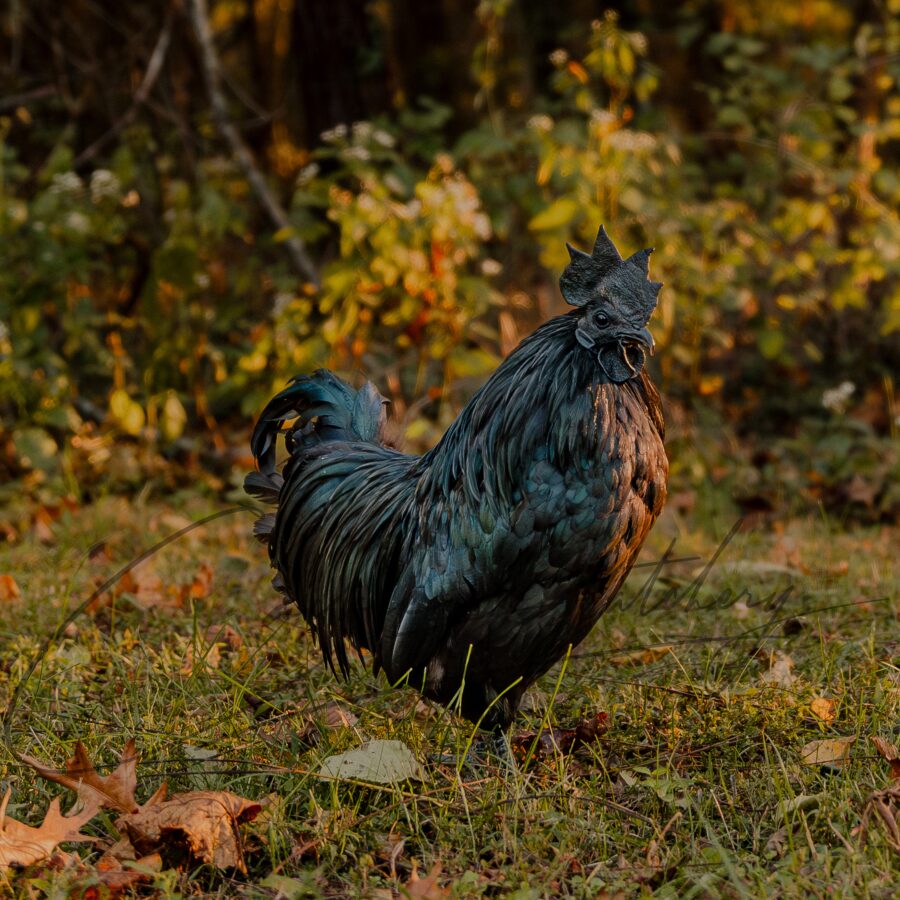
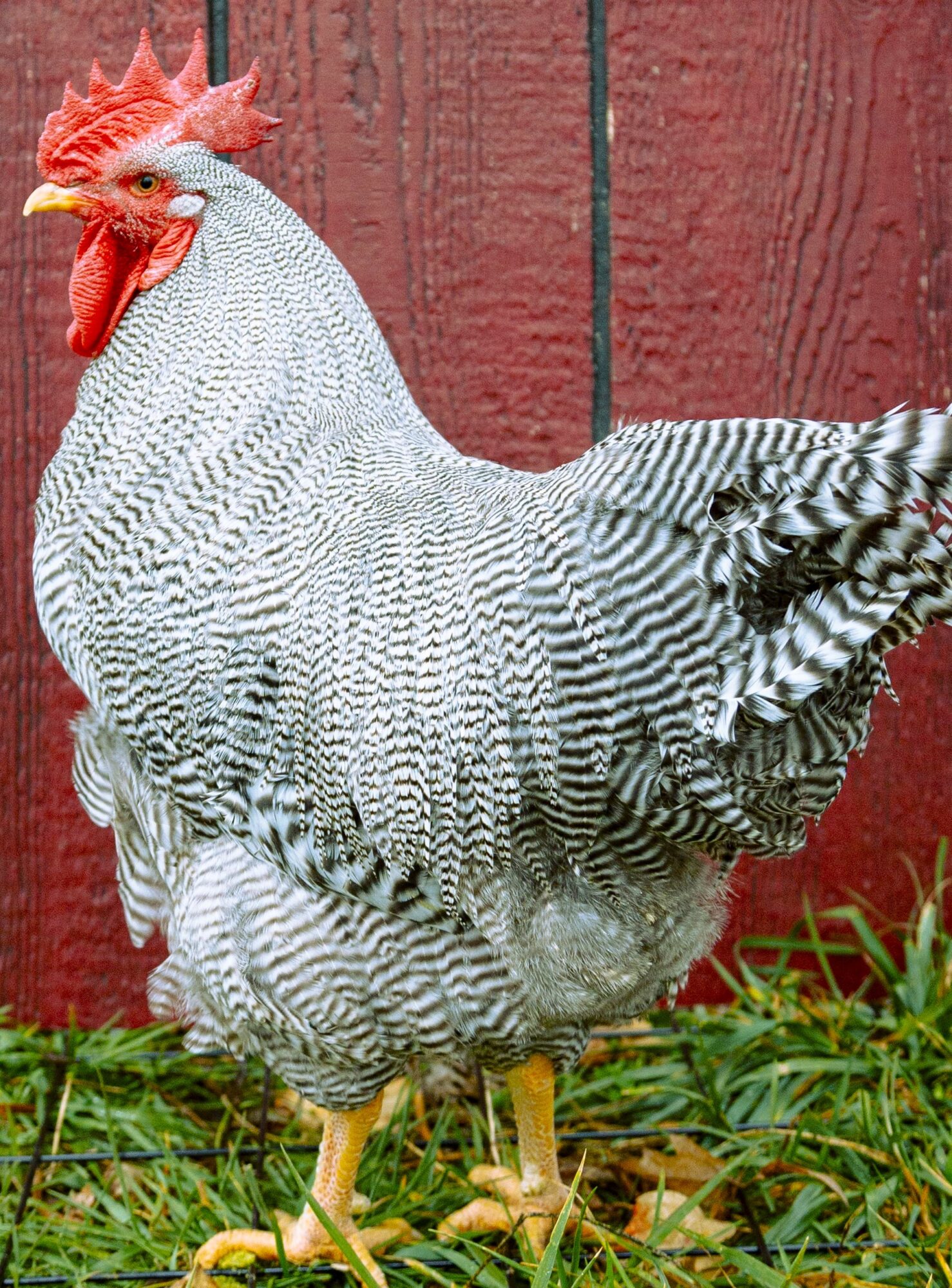
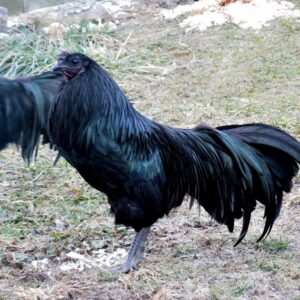
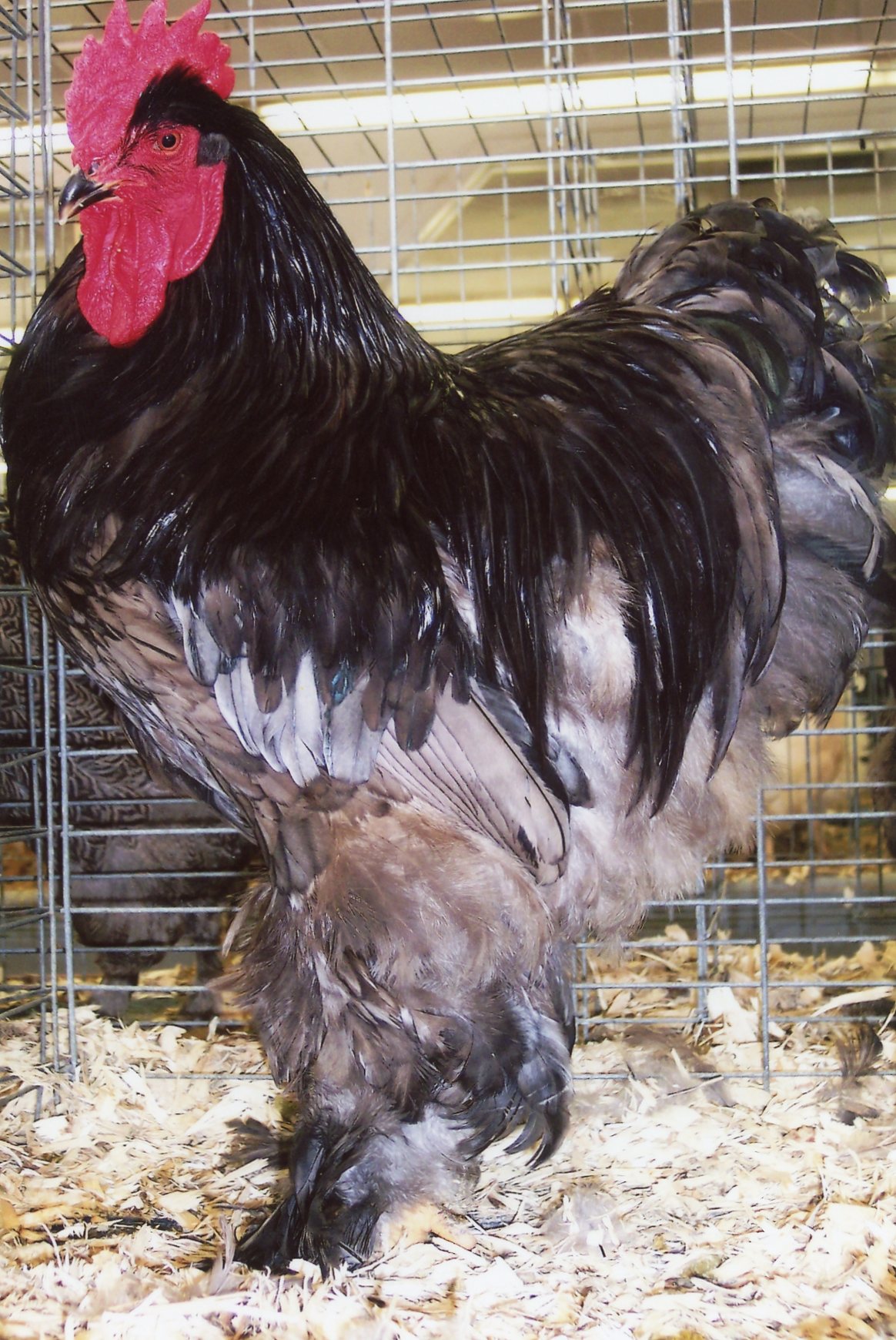
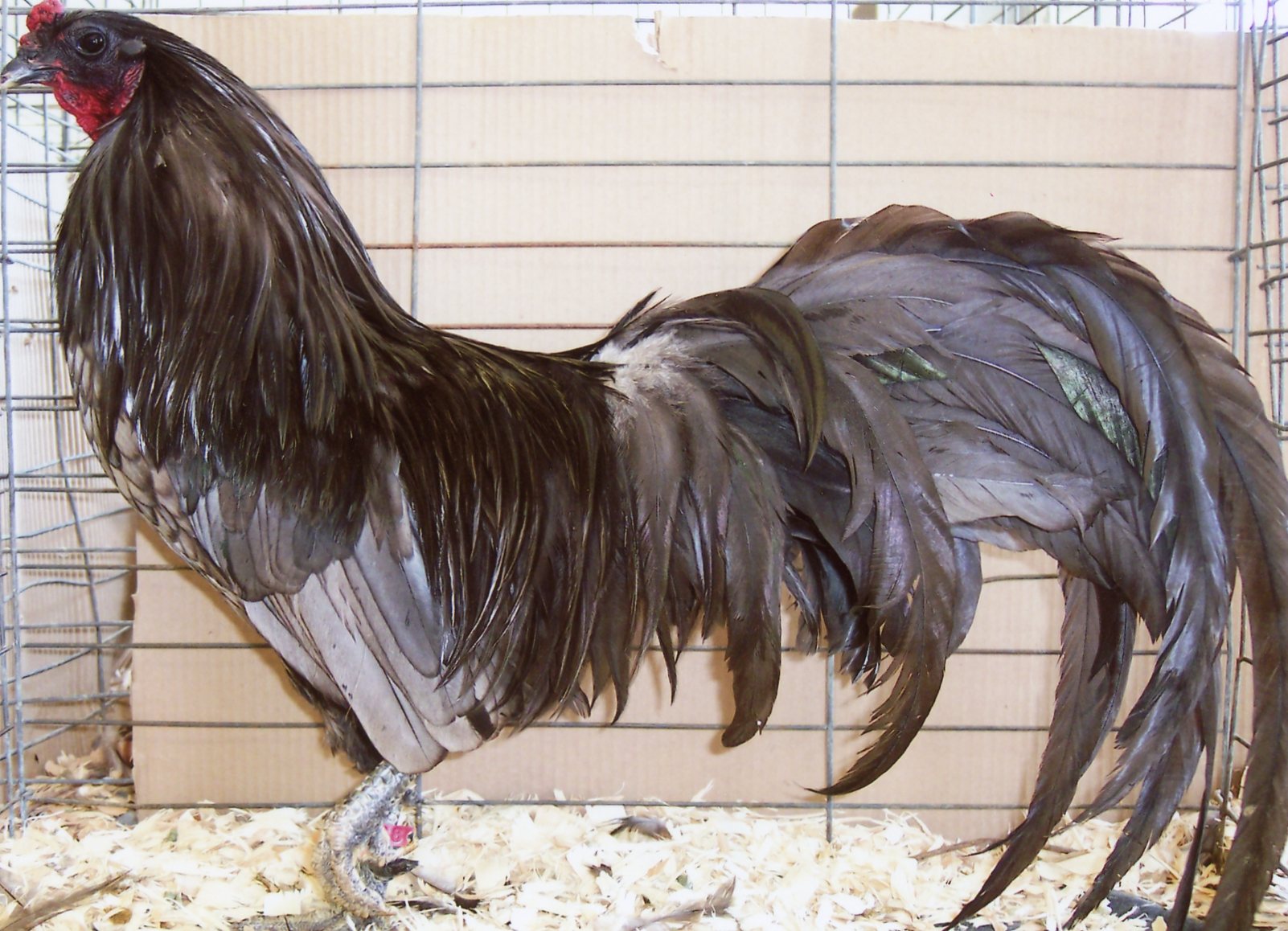
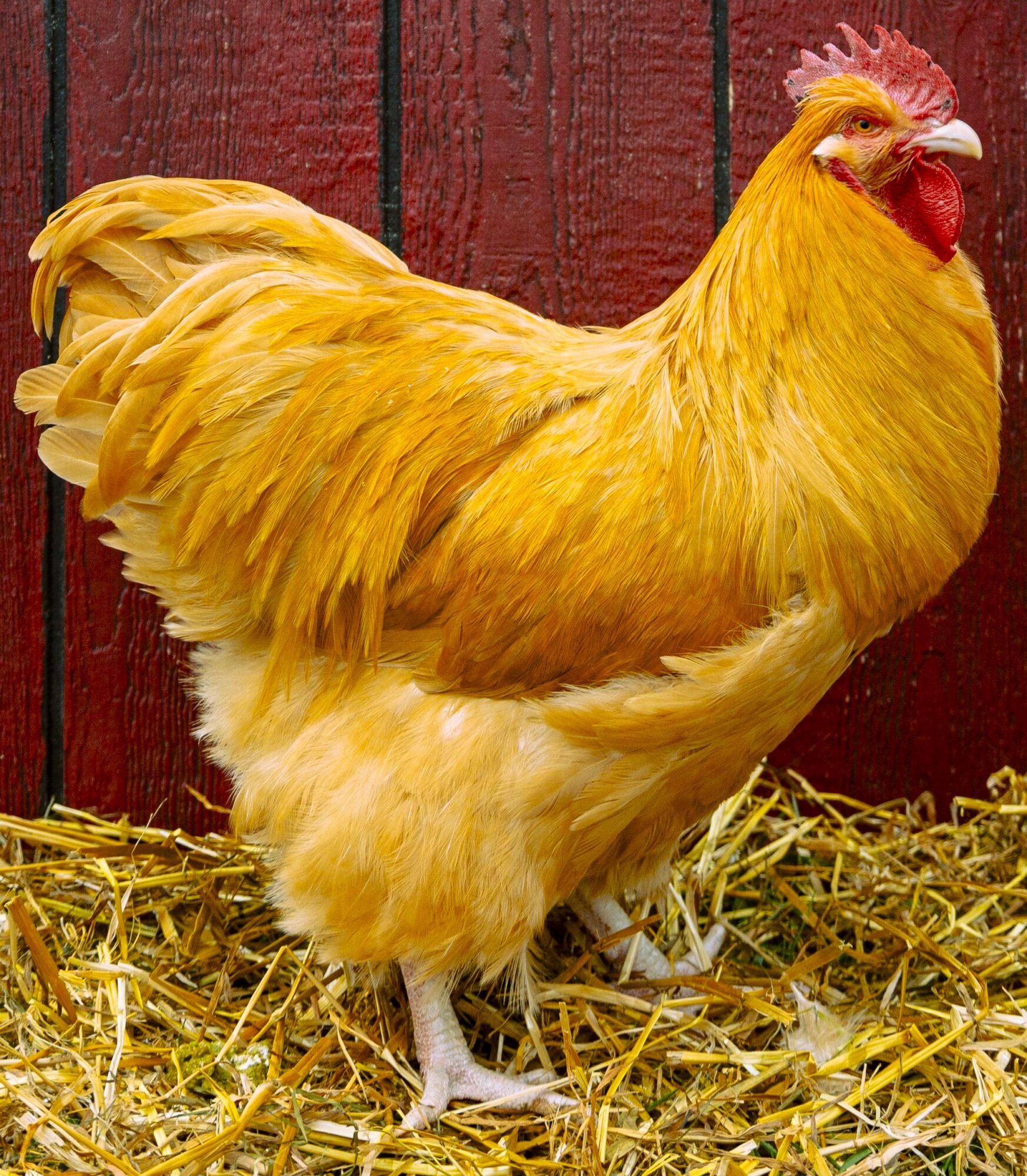
Our rare baby chicks include breeds and varieties recognized for unusual feather patterns, distinctive coloring, remarkable size, unique combs and other notable characteristics. Whether you are developing a diverse backyard flock, preserving heritage poultry or searching for an uncommon breed, this category provides numerous options to explore.
Explore Rare and Heritage Chicken Breeds
Rare and heritage chickens represent generations of selective breeding. Many possess characteristics associated with their breed history, including particular body shapes, feather colors, comb types, egg colors and environmental adaptations.
Our available selection may change during the hatching season. Review each product page for information about the breed’s mature appearance, temperament, egg production, climate suitability, availability, minimum order requirements and estimated hatch dates.
How to Choose Rare Baby Chicks
Appearance is only one factor to consider when selecting a breed. Before ordering, evaluate the bird’s mature size, activity level, temperament, egg-laying potential and suitability for your local climate.
Consider the following when choosing rare chickens:
- Mature size and required coop space
- Temperament and compatibility with an existing flock
- Cold or heat tolerance
- Expected egg production and egg color
- Foraging ability and activity level
- Comb type and feathering
- Purpose, including exhibition, preservation or backyard enjoyment
Breed descriptions provide general guidance, but individual birds can vary. Adequate space, careful introductions and proper flock management remain important regardless of the breed selected.
Caring for Rare and Heritage Chickens
Prepare a clean and secure brooder before your chicks arrive. Newly hatched chicks require reliable warmth, fresh water, age-appropriate chick starter feed and enough space to move comfortably between warmer and cooler areas.
As the birds mature, provide a ventilated, weather-resistant and predator-resistant coop. A secure outdoor area allows chickens to forage and exercise while helping protect them from predators. Inspect housing, fencing, feeders and waterers regularly.
Some uncommon breeds may have special care considerations because of their size, feathering, comb type or activity level. Read the individual breed information carefully and research its needs before adding it to your flock.
Shop Related Chicken Categories
Frequently Asked Questions
What is considered a rare chicken breed?
A rare chicken breed generally has a smaller population or is less commonly available than widely raised commercial breeds. Some are heritage breeds, while others are known for uncommon physical characteristics or limited availability.
Are rare chickens suitable for backyard flocks?
Many rare breeds can be raised successfully in backyard flocks. However, suitability depends on the breed’s temperament, mature size, activity level, climate tolerance and housing requirements.
Do rare chicken breeds lay eggs?
Yes. Rare-breed hens can lay eggs, but expected production and egg color vary considerably between breeds. Review the relevant product description when egg production is an important selection factor.
Can different rare chicken breeds live together?
Different breeds may live together when given adequate space, food, water and a gradual introduction. Monitor the birds carefully and separate any chicken that is being persistently bullied or injured.
Are rare breeds always available?
No. Availability depends on breeding schedules, hatch rates, season and demand. Some breeds may only be offered during particular parts of the hatching season.