Guinea Fowl for Sale
Explore Guinea Fowl from cackle hatchery. Guinea Fowl are active, distinctive birds known for their spotted plumage, strong flocking behavior, loud alarm calls and energetic foraging.
Our selection may include guinea keets and different color varieties for farms, homesteads, breeding programs and managed backyard flocks. Review each product page for current availability, hatch dates, minimum quantities and ordering information.
Guinea Keets and Available Varieties
Young Guinea Fowl are called keets. Guinea keets are small, active and require carefully controlled brooder conditions during their early development.
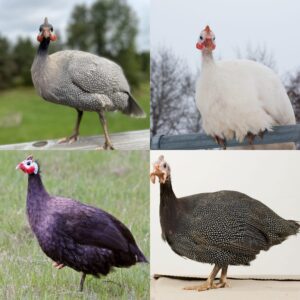
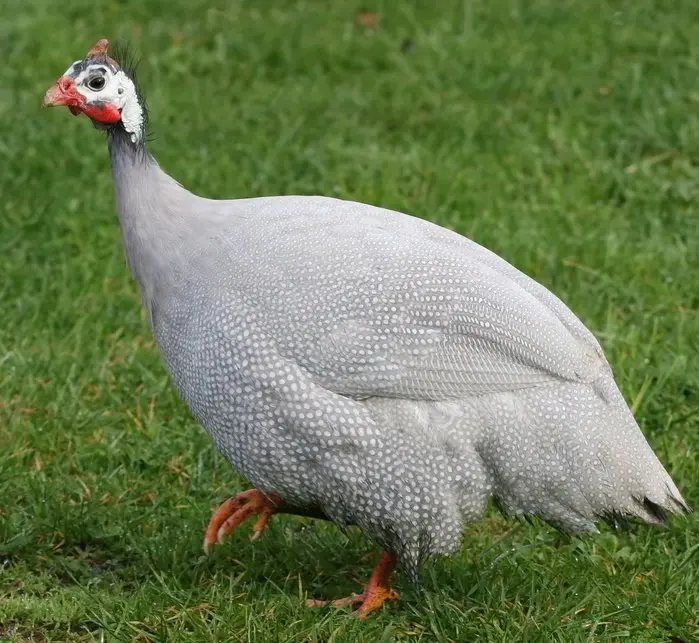
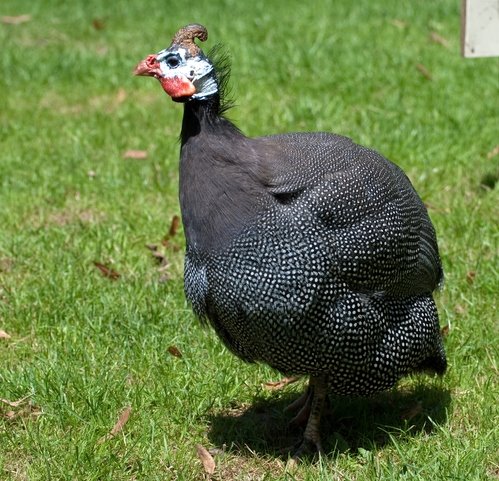
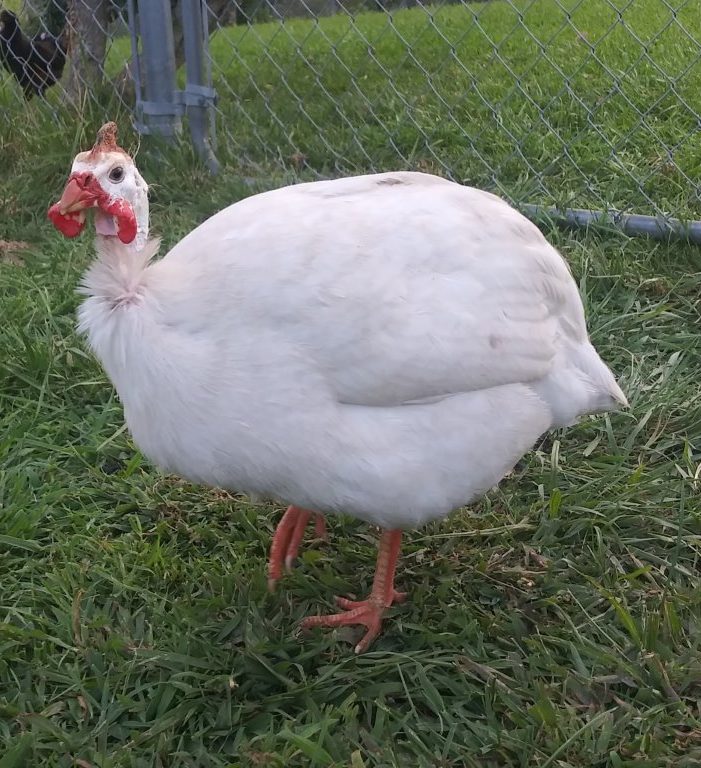
Different varieties may display pearl, white, lavender or other coloration as they mature. Availability varies by season and hatch results, so the varieties displayed in this category may change.
Product photographs illustrate the general appearance of a variety, but individual markings and coloration can vary according to genetics, age, sex, feather condition and lighting.
Why Keep Guinea Fowl?
Guinea Fowl are often kept for their appearance, alert behavior and active foraging. They may consume various insects while ranging, but they should not be treated as a guaranteed solution for controlling pests.
Their loud calls can alert owners to unfamiliar activity around the flock. However, their noise level should be considered carefully, particularly in residential areas or locations close to neighbors.
Guineas are active birds that may roam farther than ordinary chickens when allowed to range. Suitable training, fencing, shelter and management are important.
Preparing for Guinea Keets
Prepare and test the brooder before your keets arrive. It should provide dependable warmth, dry bedding, fresh water and age-appropriate feed suitable for developing game birds or Guinea Fowl.
Keets are sensitive to chilling and damp conditions. Maintain clean, dry surroundings and monitor their behavior frequently. Provide enough room for them to move between warmer and cooler areas.
Use appropriately sized feeders and waterers that reduce spilling, contamination and accidental drowning. Nutritional and temperature requirements change as the birds grow, so follow current care guidance.
Housing Adult Guinea Fowl
Adult Guinea Fowl require secure, ventilated and predator-resistant housing. They can fly and may roost in elevated locations, making appropriate fencing and flock training important.
Provide adequate space, clean water, balanced nutrition and shelter from severe weather. Guineas are social birds and should be managed with consideration for their natural flocking behavior.
Introduce new birds gradually and monitor interactions carefully. Chickens and Guinea Fowl may sometimes share a property, but differences in behavior and nutritional requirements must be managed appropriately.
Local Rules and Responsible Ownership
Before ordering, check local zoning rules, flock limits and noise regulations. Some locations restrict poultry or require birds to remain within the owner’s property.
Owners are responsible for providing suitable housing, veterinary care and day-to-day management throughout the birds’ lives.
Explore Related Poultry Categories
Frequently Asked Questions
What are baby Guinea Fowl called?
Baby Guinea Fowl are called keets. They require a warm, clean and carefully managed brooder during their early development.
Can Guinea Fowl fly?
Yes. Guinea Fowl can fly and may roost in elevated locations. Appropriate housing, fencing and flock management are important.
Are Guinea Fowl noisy?
Guinea Fowl can be considerably louder than many chicken breeds. Their alarm calls are part of their normal behavior and should be considered before purchasing.
Do Guinea Fowl eat ticks and insects?
Guinea Fowl actively forage and may consume various insects. Results vary, however, and they should not be considered a guaranteed pest-control method.
Can Guinea Fowl live with chickens?
They may share a property when carefully managed, but the species differ in behavior and nutritional needs. Provide adequate space and monitor interactions closely.