

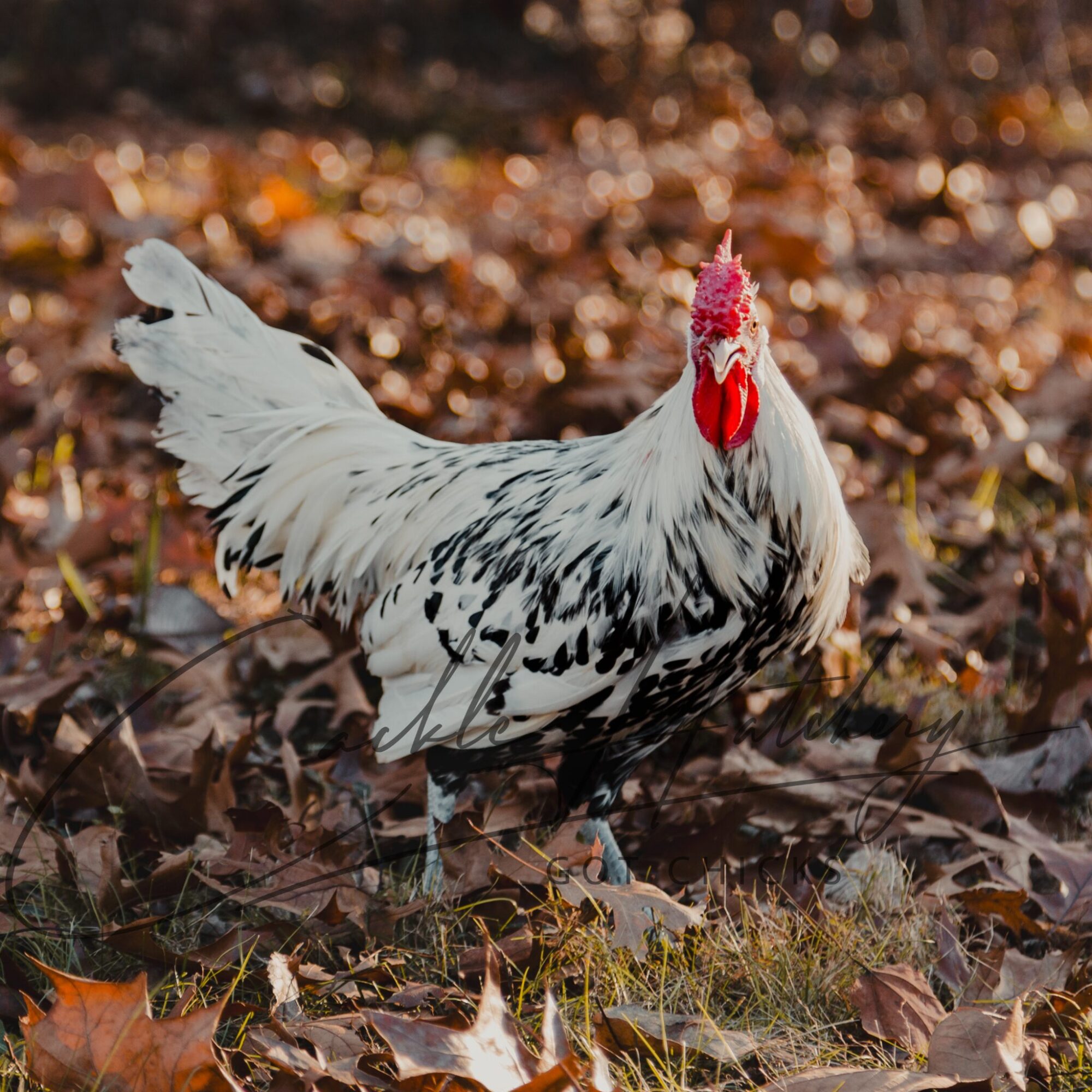
Buy White Sultan Chicken Online
Buy white sultan chicken online from cackle hatchery. Compare the bird or breed details, available options, current availability and delivery conditions before ordering.
White Sultan Chicken
Breed Facts
- Poultry Show Class: All Other Standard Breeds – Miscellaneous Class
- Weights: Hen ——-4 lbs
Rooster—-6 lb
Pullet——-3 1/2 lbs
Cockerel—-5 lbs - Purpose and Type: Ornamental, Egg Laying; Exhibition
- Egg Shell Color: White
- Egg Production: Fair
- Egg Size: Small
- Temperament: Active
- Fertility Percentage: 40-55%
- Broody: Variable
- Mating Ratio: 7 Females to 1 Male
- Roost Height: 2 to 4 feet
- Country of Origin: Turkey
- APA: Yes, Recognized by American Standard of Perfection in 1874
- TLC: Threatened Status, Considered a sustainable heritage chicken breed.
- Breeder Farm Source: “Cackle Hatchery® Poultry Breeding Farm” developing our bloodline or strain of pure of White Sultan chickens since 1975.
White Sultan Chicken
Breed Overview and Origin
The White Sultan Chicken is a rare ornamental breed known for beautiful white plumage, a full crest, beard, muffs, feathered shanks, five toes, docile temperament, and historic royal appeal. If you want a gentle, elegant, highly decorative chicken for a protected backyard flock or exhibition pen, the White Sultan is a striking choice.
Sultans originated in southeastern Europe and were bred in Turkey, where they were known as Serai Täook, meaning “Sultan’s Fowl” or “Fowl of the Sultan.” The Livestock Conservancy notes that legend places Sultan chickens as living ornaments in the gardens of Ottoman rulers. The breed arrived in England in 1854 and has remained rare ever since.
Cackle Hatchery® offers the White variety of the Sultan breed and notes that Cackle Hatchery® Poultry Breeding Farm has been developing its pure White Sultan bloodline since 1975.
Appearance and Characteristics
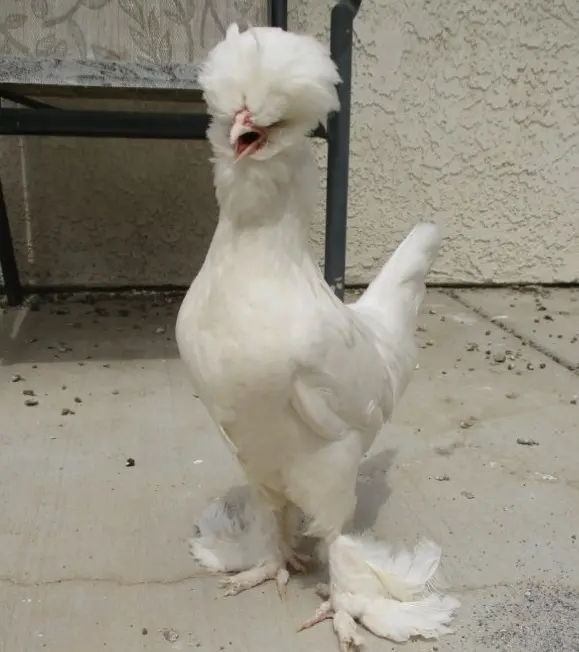
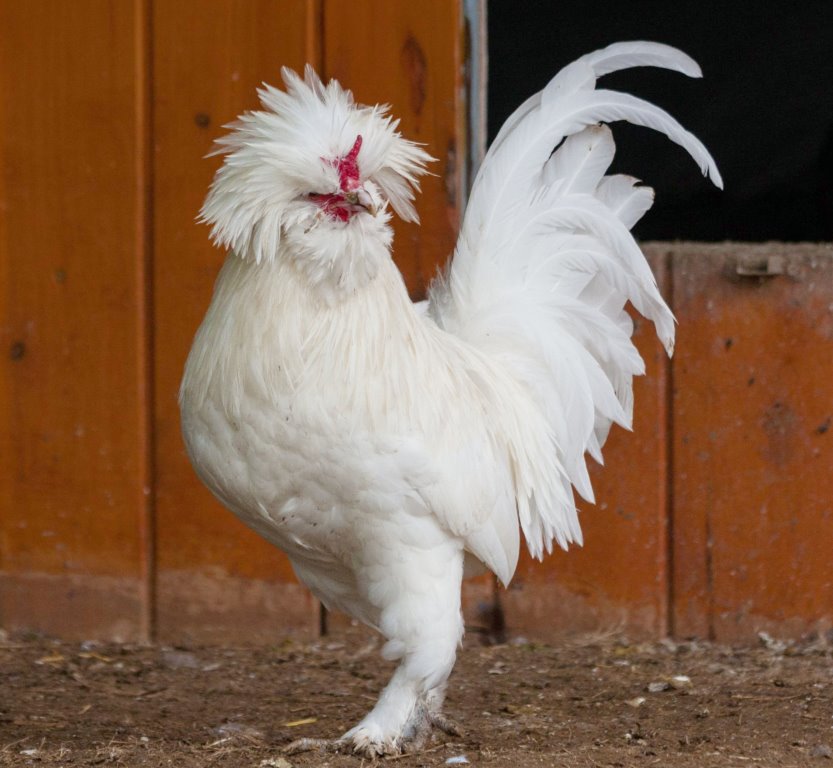
White Sultans have one of the most ornate appearances in the chicken world. They combine several rare traits in one breed: a crest, beard, muffs, feathered legs and feet, vulture hocks, and five toes.
Expected traits include:
- Pure white plumage
- Full crest or topknot
- Feathered beard
- Feathered muffs
- Feathered shanks and feet
- Five toes
- V-shaped comb
- Large nostrils
- Docile temperament
- Ornamental and exhibition value
- White eggs
Sultans are bred mainly for beauty and companionship, not heavy production. Their bright white plumage and heavily feathered appearance give them a soft, decorative look that fits their history as palace-garden birds.
Crest, Beard, Muffs, Feathered Feet, and Five Toes
White Sultans are one of the most distinctively feathered chicken breeds Cackle Hatchery® offers. Their crest gives them a top-hat look, while the beard and muffs create a full, fluffy face. Their feathered shanks, feathered feet, vulture hocks, and fifth toe add even more ornamental character.
These features make the breed especially appealing to customers who want:
- A rare crested chicken
- A five-toed breed
- A feather-footed ornamental bird
- A gentle exhibition chicken
- A backyard flock conversation piece
For more five-toed breed context, Cackle’s 5 Chicken Breeds That Have 5 Toes is a useful internal resource.
Egg Production and White Eggs
White Sultan hens lay white eggs, but they are not production layers. They are best chosen for ornamental value, gentle temperament, rarity, and exhibition appeal.
McMurray Hatchery describes Sultan hens as white egg layers and non-setters. Some breed profiles describe Sultans as modest layers, making them more suited to customers who want beauty and personality rather than a high-output egg flock.
Choose White Sultans if you want an elegant ornamental chicken that may contribute some white eggs. Choose a production white egg layer if maximum egg numbers are the main goal.
Temperament and Backyard Suitability
White Sultans are quite docile, friendly, and gentle. Their calm nature can make them enjoyable pets, especially for customers who want a beautiful bird that is easy to handle.
This breed can work well for:
- Ornamental backyard flocks
- Exhibition projects
- Gentle family flocks
- Rare breed collections
- Crested breed enthusiasts
- Five-toed breed enthusiasts
- Protected urban or suburban setups
However, White Sultans can be bullied by more assertive breeds. They do best with other calm chickens or in a dedicated ornamental flock. Avoid placing them with aggressive breeds that may peck their crest, beard, muffs, or feathered feet.
Confinement and Predator Protection
White Sultans do well in confinement, which is helpful because they are not ideal for rough free-range settings. Their crest and heavy feathering can reduce awareness, while their gentle temperament makes them less competitive in a mixed flock.
For best results, keep White Sultans in a protected coop and run with:
- Calm flockmates
- Secure fencing
- Dry bedding
- Predator-resistant nighttime housing
- Covered or well-drained outdoor areas
- Feeders and waterers that keep face and crest feathers clean
A secure setup helps protect their feather quality and keeps these gentle birds from being picked on by more dominant flockmates.
Exhibition and Ornamental Value
The White Sultan is primarily an ornamental and exhibition breed. Its dramatic combination of crest, beard, muffs, feathered legs, five toes, and bright white plumage makes it a standout in a show pen.
Sultans were admitted to the American Standard of Perfection in 1874. Modern breed summaries note that only the white variety is recognized by major poultry standards. Customers interested in showing should review the current American Poultry Association Standard and local show rules before entering birds.
White Sultan vs Polish Chickens
White Sultans and Polish chickens are both crested ornamental breeds, but they are not the same.
A White Sultan has a crest, beard, muffs, feathered legs, vulture hocks, and five toes.
A Polish chicken has a dramatic crest and comes in many color varieties, but Polish chickens do not have the same combination of feathered legs and five toes.
Choose White Sultans if you want a rare five-toed, feather-footed crested breed with royal Turkish history.
Choose Polish chickens if you want a broader selection of crested color varieties.
White Sultan vs Mottled Houdan
White Sultans and Mottled Houdans both have crests and five toes, but they differ in color, origin, and overall look.
A White Sultan is a white ornamental breed associated with Turkey and Ottoman palace gardens. It has feathered legs and feet.
A Mottled Houdan chicken is a French heritage breed with black-and-white mottled plumage, a crest, beard, muffs, five toes, cavernous nostrils, and clean legs.
Choose White Sultans if you want an all-white, feather-footed ornamental bird.
Choose Mottled Houdans if you want a French five-toed crested breed with mottled plumage.
White Sultan vs Crested “Top Hat” Special
Choose White Sultan chickens if you specifically want the Sultan breed with white plumage, feathered feet, five toes, crest, beard, and muffs.
Choose the Crested “Top Hat” Special if you want a hatchery-choice assortment of crested birds and are flexible about which breeds or varieties you receive.
The White Sultan is the better choice for customers who want a specific rare ornamental breed. The Top Hat Special is better for customers who enjoy variety and surprise.
Is the White Sultan Chicken Right for Your Flock?
Choose White Sultan chickens if you want:
- A rare ornamental breed
- Historic “Sultan’s Fowl” appeal
- White plumage
- A crested head
- Feathered beard and muffs
- Feathered shanks and feet
- Five toes
- A docile and friendly temperament
- A bird that does well in confinement
- A protected backyard or exhibition flock
- A breed developed by Cackle Hatchery® since 1975
However, consider another breed if you need high egg production, rugged free-range ability, or a bird that can hold its own with dominant flockmates. In short, White Sultans are best for customers who want rare beauty, gentle temperament, exhibition appeal, and a truly ornate backyard chicken.
Care and Housing Tips
White Sultans need clean, protected housing to keep their crest, beard, muffs, and feathered feet in good condition. They are gentle and decorative, so they do best in calm, secure flocks.
For best results, provide:
- A dry, well-ventilated coop
- Predator-resistant fencing
- Clean, dry bedding
- Fresh water at all times
- Balanced chick starter and age-appropriate feed
- Calm flockmates
- Low to moderate roosts
- Dry outdoor runs or covered areas
- Protection from mud, snow, and wet bedding
- Feeders and waterers that help keep facial feathers clean
- Regular checks for crest visibility and foot feather condition
Because Sultans are often bullied by more assertive chickens, flock compatibility matters. A peaceful ornamental flock is usually the best setting.
Recognition and Availability
White Sultans were admitted to the American Standard of Perfection in 1874. Cackle Hatchery® lists White Sultans as rare breed chickens and notes that its Poultry Breeding Farm has been developing the pure White Sultan strain since 1975.
Since hatch dates and shipping windows can change during the season, customers should check Cackle Hatchery’s Chicken Availability Chart before ordering.
Related Breeds and Helpful Cackle Hatchery® Resources
Customers who like White Sultans may also enjoy other crested, five-toed, feather-legged, rare, and ornamental chickens.
Helpful Cackle Hatchery® links for this product page include:
- Crested “Top Hat” Special
- 5 Chicken Breeds That Have 5 Toes
- Mottled Houdan chickens
- Polish Chickens for Sale
- White Polish chickens
- Feather Legged Chickens for Sale
- Rare Chicken Breeds for Sale
- White Egg Layers for Sale
- Exhibition Chickens for Sale
- Baby chicks for sale
- Chicken Breed Selector
- Chicken Breeds List Comparison Chart
- Chicken Availability Chart
FAQ: White Sultan Chicken
What is a White Sultan Chicken?
A White Sultan Chicken is a rare ornamental breed with white plumage, a crest, beard, muffs, feathered shanks and feet, five toes, docile temperament, and white eggs.
Where did White Sultan chickens originate?
Sultans originated in southeastern Europe and were bred in Turkey under the name Serai Täook, meaning “Sultan’s Fowl” or “Fowl of the Sultan.”
Why are they called Sultan chickens?
They were reportedly favored as ornamental birds in the gardens of Ottoman rulers, which led to the name Sultan’s Fowl.
When did White Sultans come to England?
Sultans arrived in England in 1854.
Are White Sultans APA recognized?
Yes. White Sultans were admitted to the American Standard of Perfection in 1874.
What do White Sultans look like?
They have white plumage, a full crest, beard, muffs, feathered shanks and feet, vulture hocks, a V-shaped comb, and five toes.
Do White Sultans have five toes?
Yes. White Sultans have five toes, unlike most chicken breeds that have four.
Do White Sultans have feathered feet?
Yes. White Sultans have heavily feathered shanks and feet.
Do White Sultans have beards and muffs?
Yes. White Sultans have a feathered beard and muffs.
What color eggs do White Sultans lay?
White Sultan hens lay white eggs.
Are White Sultans good egg layers?
No. White Sultans are ornamental birds and are not high-production egg layers.
Are White Sultans broody?
They are generally not strong setters. McMurray describes Sultan hens as non-setters.
Are White Sultans friendly?
Yes. White Sultans are docile, friendly, and gentle.
Are White Sultans good pets?
Yes. Their calm temperament and ornate appearance can make them wonderful backyard pets in protected setups.
Are White Sultans good with children?
Yes, they can be good with children when handled gently and housed with calm flockmates.
Are White Sultans good in mixed flocks?
They can be kept in mixed flocks, but they are often bullied by more assertive breeds. Calm flockmates are best.
Do White Sultans tolerate confinement?
Yes. White Sultans do well in confinement, which also helps protect their crest and feathered feet.
Are White Sultans good for free range?
They are better suited to protected runs than open free range because of their gentle temperament and ornamental feathering.
What is the difference between White Sultan and Polish chickens?
White Sultans have a crest, beard, muffs, feathered feet, vulture hocks, and five toes. Polish chickens have crests but do not share the same full combination of Sultan traits.
What is the difference between White Sultan and Mottled Houdan?
White Sultans are white, feather-footed ornamental birds associated with Turkey. Mottled Houdans are French five-toed crested birds with black-and-white mottled plumage and clean legs.
What is the Crested “Top Hat” Special?
The Crested “Top Hat” Special is a hatchery-choice assortment of crested chicken breeds or varieties for customers who want topknot chickens and are flexible about which birds they receive.
What is Cackle Hatchery’s White Sultan bloodline history?
Cackle Hatchery® Poultry Breeding Farm has been developing its pure White Sultan bloodline since 1975.
Where can I check White Sultan availability?
Customers can check Cackle Hatchery’s Chicken Availability Chart for current hatch and shipping timing. Availability can change during the season.
Ordering Information
Check the current price, stock status and selectable options displayed on this page. Read the product information and applicable policies before adding this item to your cart.
Related Products
Related products