




White Leghorn Chicken
Breed Facts
- Poultry Show Class: Mediterranean Class
- Weights: Hen—–4 1/2 lbs
Rooster——6 lbs
Pullet—4 lbs
Cockerel—-5 lbs - Purpose and Type: Egg Laying; Production
- Egg Shell Color: White
- Egg Production: 220-300 eggs per year (estimates only, see FAQ)
- Egg Size: Large to Extra Large
- Temperament: Very Active
- Gender Accuracy: 80-85%
- Fertility Percentage: 65-80%
- Broody: Non Setter
- Mating Ratio: 12 Females to 1 Male
- Roost Height: 4 to 8 feet
- Country of Origin: Italy
- APA: Yes, Recognized by the Standard of Perfection in 1874.
- TLC: Recovering, Considered a sustainable heritage chicken breed
- BREEDER FARM SOURCE: Cackle Hatchery® Poultry Breeding Farm has been developing our bloodline or strain of pure White Leghorn since 1936.
White Leghorn Chicken
Breed Overview and Origin
The White Leghorn chicken is one of the most dependable white egg layers you can add to a flock. If your main goal is lots of large white eggs from an active, efficient bird, this breed is hard to ignore.
Leghorns trace back to Italy, especially the area around Livorno, the port city that gave the breed its English name. Over time, breeders in the United States, England, and Denmark helped shape the modern Leghorn into a lighter, athletic laying breed. The American Poultry Association recognized White Leghorns in 1874. The Livestock Conservancy notes that non-industrial Leghorns still keep the productive, hardy, foraging nature of the older Italian imports.
White Leghorns are not heavy meat birds. They are light, quick-maturing chickens bred for egg production. They rarely go broody, which helps keep them focused on laying instead of sitting. If you want a hen that spends more time producing eggs and less time raising chicks, this is a good breed to consider.
Appearance and Characteristics
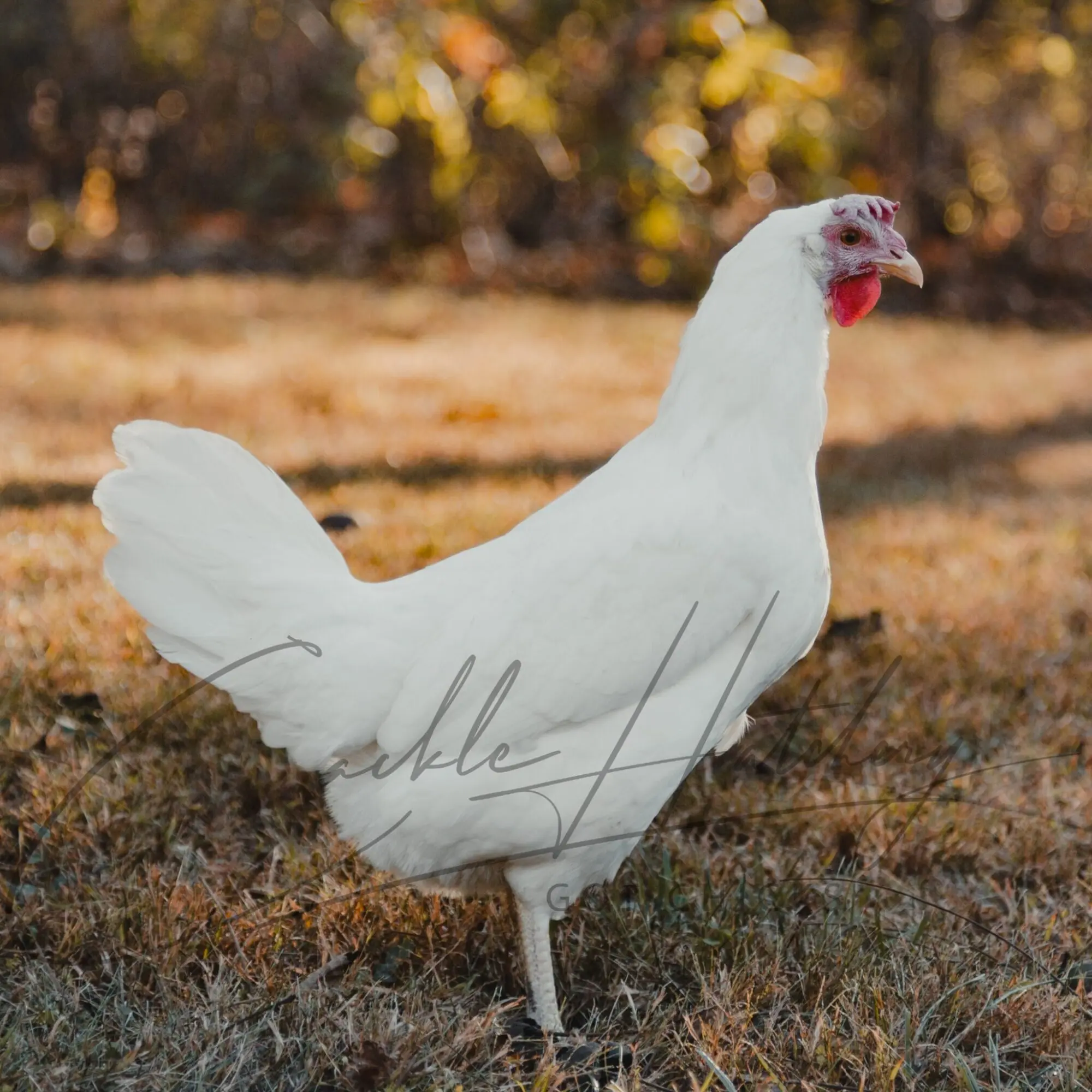
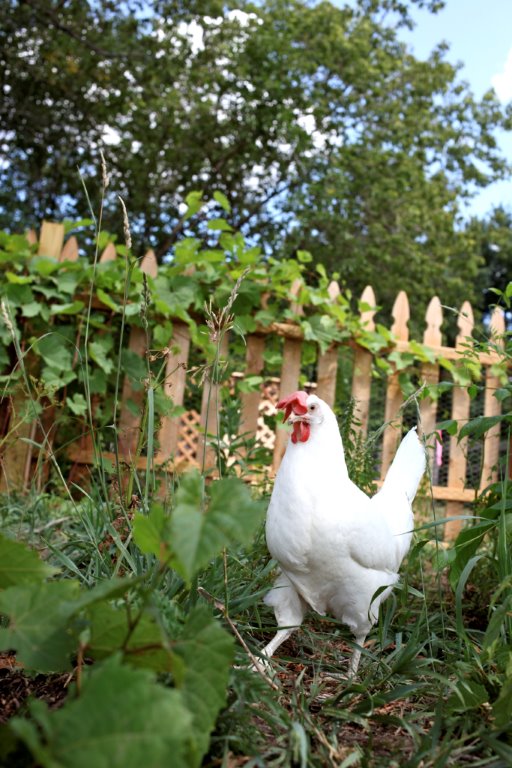
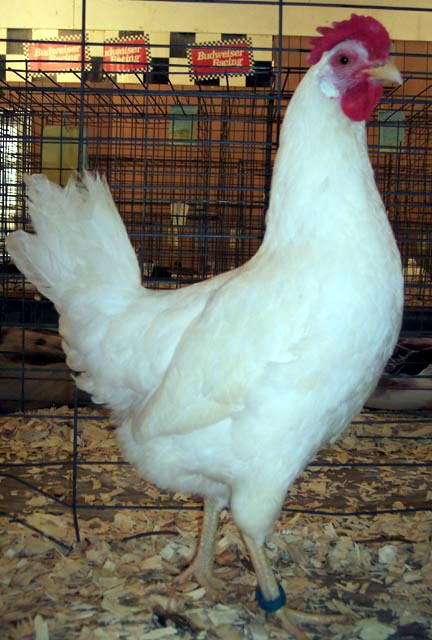
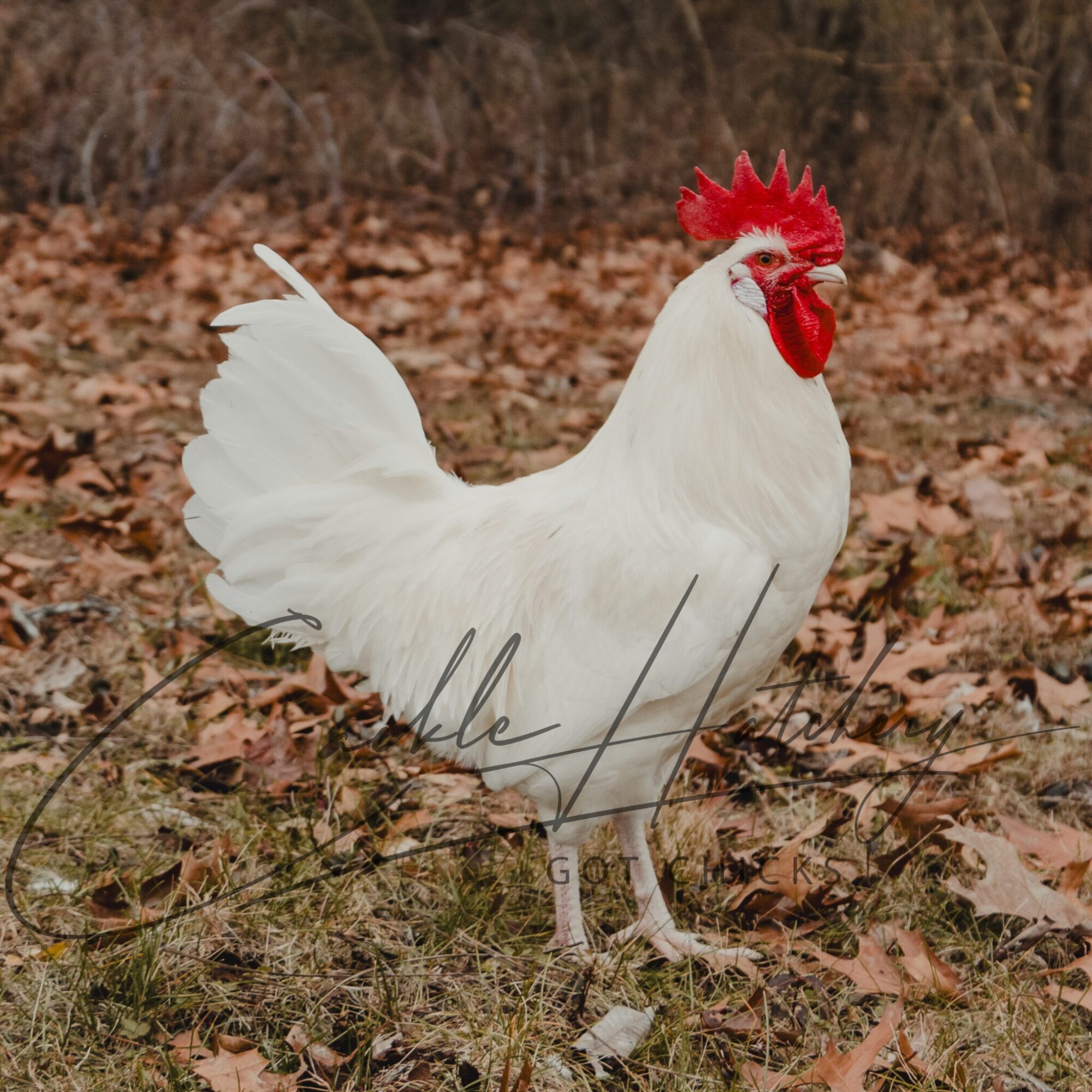
White Leghorns have clean white feathers, yellow skin, yellow legs, and a bright red comb. Most production White Leghorns have a single comb, which gives them the classic layer look many people recognize.
These birds are athletic, alert, and quick on their feet. They like to move, scratch, forage, and explore. Because of that, they often do well in free-range systems where they have room to work.
Their white feathering looks bright and clean, but it can make them easier for predators to spot than darker or patterned breeds. Good fencing, safe roosting space, and predator protection still matter, even with an alert breed like this.
White Leghorn vs Brown Leghorn: Which Should You Choose?
White Leghorns and Brown Leghorns share the same active, lightweight, white-egg-laying breed background. The biggest difference is appearance.
Choose the White Leghorn if you want the classic white production layer known for large to extra-large white eggs. Choose the Brown Leghorn if you prefer a more colorful bird with the same general Leghorn activity and foraging style.
Both varieties are active, efficient, and more independent than many heavier backyard breeds. If you want lap-chicken calm, you may prefer a gentler dual-purpose breed. However, if you want an alert, productive layer, Leghorns fit the job well.
Production Type vs Exhibition Type White Leghorns
This page focuses on Cackle Hatchery’s production-type White Leghorn. That means the birds are selected for egg laying, vigor, feed efficiency, and practical flock performance.
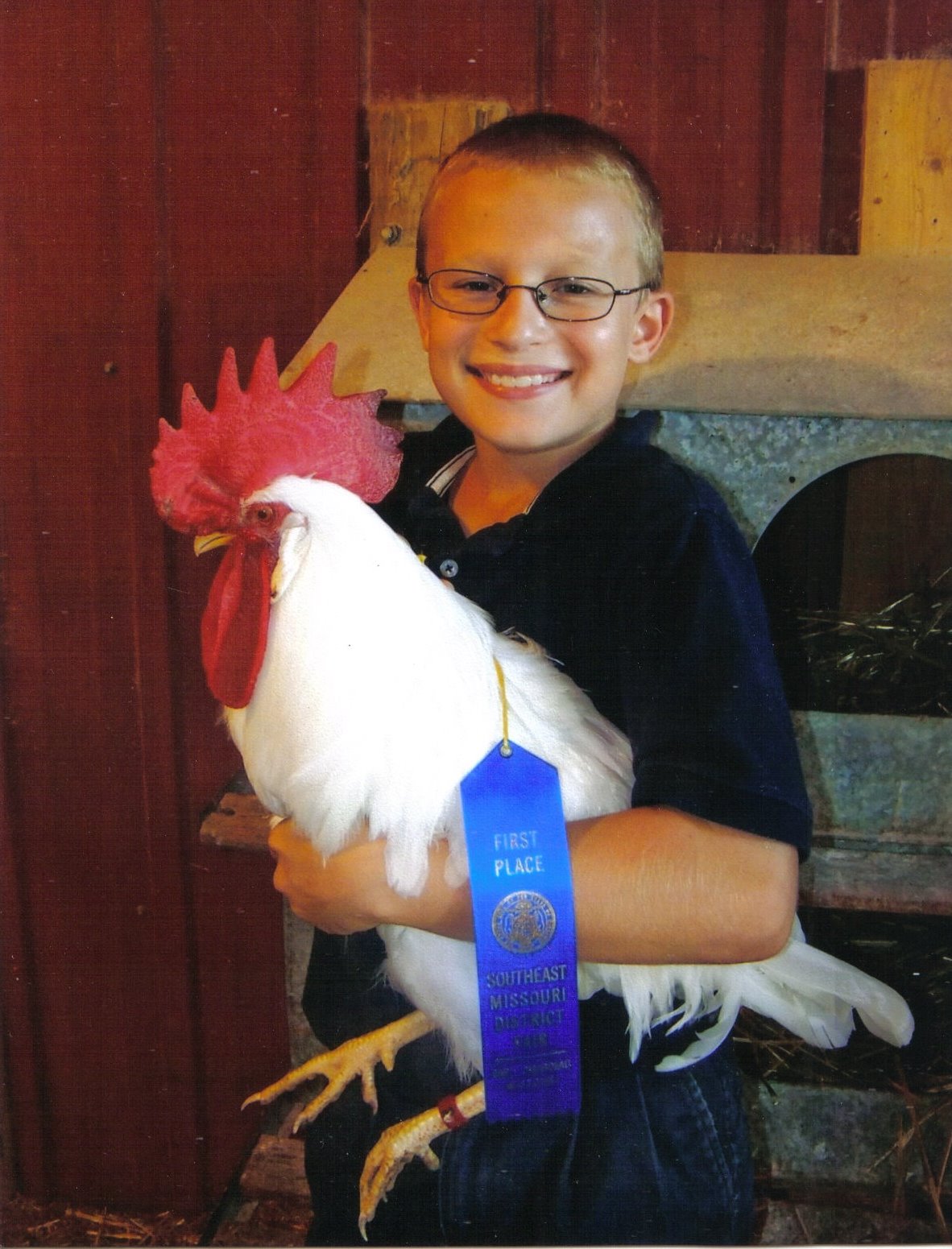
At this time, Cackle does not offer an exhibition-type White Leghorn line. So, if your goal is show competition, this may not be the right choice. But if you want a hard-working layer for white eggs, the production type makes more sense.
Production Leghorns are built to lay. They are light-bodied, quick to mature, and efficient with feed. That is why so many egg-focused flocks have relied on White Leghorns for generations.
Egg Production and Utility
White Leghorns are famous for white eggs. Hens commonly lay around 280 eggs per year, and strong layers may reach higher numbers under good conditions. Cackle lists White Leghorns as producing large to extra-large white eggs, with an estimated 280–320 eggs per year. Actual egg production can vary with age, daylight, feed, weather, housing, and overall care.
They also have a strong feed-to-egg conversion ratio. Many keepers like them because they do not need as much feed as heavier dual-purpose breeds to produce a good number of eggs. Your original breed notes list about 125 grams of feed per day as a common estimate, though actual intake can vary with weather, activity, and the feed you use.
Because they rarely go broody, Leghorn hens usually keep laying instead of taking long breaks to sit on eggs. That makes them a strong option for backyard egg baskets, free-range egg flocks, and customers who want steady white eggs.
If you enjoy hatching projects, White Leghorn Fertile Hatching Eggs may be available seasonally. Cackle’s hatching egg page notes that White Leghorn eggs ship seasonally from mid-February through early June when available.
Temperament and Suitability
White Leghorns are active, hardy, alert, and independent. They are not usually the cuddly type, and they often prefer to keep a little distance from people. If you want a calm pet chicken for children to carry around, this may not be your first pick.
However, if you want a smart, energetic layer that can forage and stay busy, Leghorns are excellent. They can do especially well in free-range or organic-style egg setups where they have space to move.
They are also good at avoiding some predator pressure because they are quick and alert. Even so, no chicken can protect itself from every predator. White birds can be easier to see from a distance, so give them secure nighttime housing and safe daytime ranging.
In hot weather, Leghorns usually do well because of their lighter bodies and active Mediterranean background. In cold weather, the large single comb needs attention. A dry, well-ventilated coop helps reduce frostbite risk.
Is the White Leghorn Chicken Right for Your Flock?
Choose White Leghorns if you want:
A top white egg layer
Large to extra-large white eggs
A light, athletic chicken
A fast-maturing laying breed
A bird with strong feed-to-egg efficiency
A non-broody hen for steady egg production
A good free-range or organic egg flock bird
An active forager
A production-type Leghorn from Cackle Hatchery®
A heritage white egg breed with a long history
Overall, this is a great choice if eggs are your priority. White Leghorns may not be the calmest backyard pets, but they are some of the best layers you can keep when you want lots of white eggs from efficient, active hens.
If you are still comparing breeds, the Chicken Breed Selector and Chicken Breeds List Comparison Chart can help you sort birds by purpose, egg color, size, and flock needs.
Breed History and Preservation
The Leghorn breed traces back to Italian landrace chickens from the Tuscany region. Birds from the port of Livorno reached North America in the 1800s and eventually became known by the anglicized name “Leghorn.” The breed then spread through the United States and into Europe, where breeders continued improving laying ability and type.
White Leghorns became one of the most important egg-laying breeds in the world. Industrial white egg production still relies heavily on Leghorn genetics, although many modern commercial strains differ from the older non-industrial type. The Livestock Conservancy notes that non-industrial Leghorns remain in the hands of smaller breeders and still show strong foraging and productive traits.
Cackle Hatchery’s White Leghorn bloodline is built from a long history of practical egg-production genetics. Our line traces back to the Missouri Department of Agriculture’s trap-nesting program from the 1940s, where White Leghorns were selected for dependable laying performance. Over time, that foundation was later blended with DeKalb and Hy-Line bloodlines to help strengthen production, vigor, and overall flock performance. Cackle Hatchery® has developed its pure White Leghorn bloodline since 1936, and it lists the breed as a sustainable heritage chicken with The Livestock Conservancy Recovering status.
Recognition and Availability
The American Poultry Association recognizes Leghorns in the Mediterranean class. White Leghorns entered the Standard of Perfection in 1874.
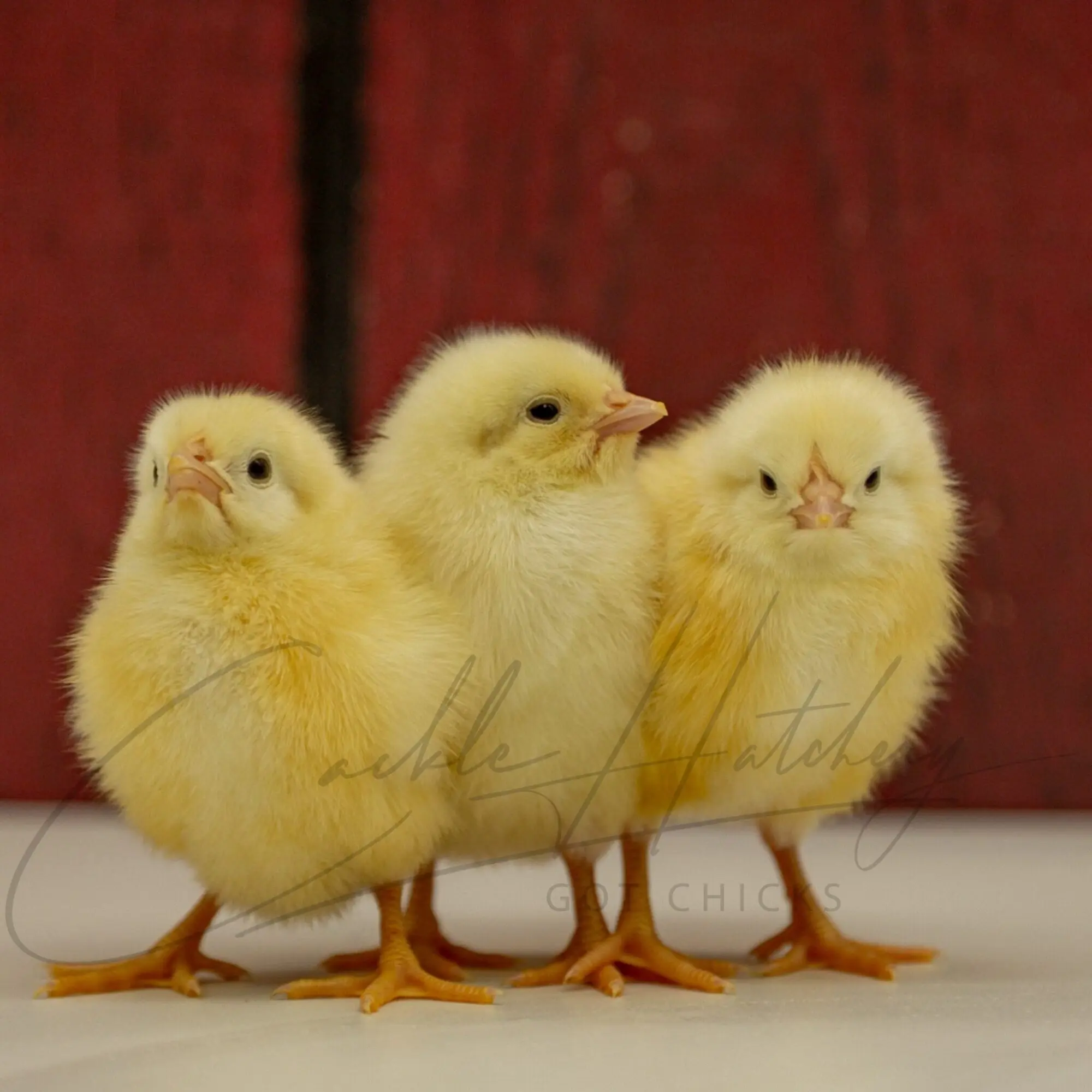
You can choose White Leghorn chicks when they are in season. If you prefer hatching your own, White Leghorn Fertile Hatching Eggs may be available seasonally. Cackle also offers White Leghorn Started Pullets for customers who want birds closer to laying age.
Before you plan your order, check the Availability Chart for current hatch and shipping options. Availability can change by season, hatch date, and egg numbers.
Related Breeds and Helpful Cackle Hatchery® Resources
If you like White Leghorns, you may also want to compare Brown Leghorns, Austra Whites, California Whites, and other white egg layers. The white egg layer category is a good place to compare breeds built for strong white egg production.
For hatching projects, browse hatching eggs for sale. If you are still planning your flock, use the Chicken Breed Selector or Chicken Breeds List Comparison Chart to compare breeds by egg color, temperament, climate, and purpose.
FAQ: White Leghorn Chicken
What is a White Leghorn chicken?
A White Leghorn chicken is a light, active, white egg laying breed with Italian roots. It is best known for large to extra-large white eggs, quick maturity, and strong feed efficiency.
Where did White Leghorns originate?
Leghorns trace back to Italy, especially the area around Livorno. Breeders in the United States, England, and Denmark later helped shape the modern breed.
When did the APA recognize White Leghorns?
The American Poultry Association recognized White Leghorns in 1874. The breed belongs to the Mediterranean class.
Are White Leghorns good egg layers?
Yes. White Leghorns are excellent layers. Cackle lists them at about 280–320 large to extra-large white eggs per year, though actual production can vary with age, feed, daylight, weather, housing, and care.
What color eggs do White Leghorns lay?
They lay white eggs. Egg size usually runs large to extra-large in good laying hens.
Are White Leghorns good for meat?
No, not compared with dual-purpose or meat breeds. Leghorns are light-bodied birds bred mainly for egg production.
Are White Leghorns broody?
They rarely go broody. That makes them a good choice if you want hens that keep laying instead of sitting on eggs.
Are White Leghorns friendly?
They are active and alert, but they often avoid close human contact. Many keepers describe them as nervous or flighty rather than cuddly.
Are White Leghorns good for beginners?
Yes, they can work well for beginners who want lots of white eggs and do not mind an active, independent breed. If you want a calm pet chicken, a heavier dual-purpose breed may fit better.
Are White Leghorns good for free range?
Yes. Leghorns are athletic, efficient foragers and often do well in free-range systems. However, their white feathers can make them easier for predators to spot, so protection still matters.
Are White Leghorns heat tolerant?
Yes. Their light bodies and Mediterranean background help them handle heat better than many heavier breeds. Provide shade, cool water, and airflow during hot weather.
Are White Leghorns cold hardy?
They can handle cool weather with proper care, but their large single combs can be prone to frostbite. Keep the coop dry, draft-protected, and well ventilated.
How much do White Leghorns eat?
Your original breed notes estimate about 125 grams of feed per day. Actual intake can vary with weather, activity level, feed quality, and flock setup.
Does Cackle Hatchery® offer exhibition White Leghorns?
No. At this time, Cackle Hatchery® only offers the production-type White Leghorn, not an exhibition line.
Can I order White Leghorn hatching eggs?
Yes. White Leghorn Fertile Hatching Eggs may be available seasonally.
Where can I check chick availability?
Check the Availability Chart for current hatch and shipping options. Availability can change by season, hatch date, and egg numbers.
Order from Cackle Hatchery
Choose White Leghorn Chicken from cackle hatchery. Review the product information above for current options, availability and ordering details.
Related Products
Related products


