

White African Guinea
Breed Facts
- Poultry Show Class: Helmeted Guinea Fowl
- Weights: Hen—-3-4 lbs
Cock—–4-5 lbs
Pullet—3 lb
Cockerel—-3 1/2 lbs - Purpose: Egg Laying
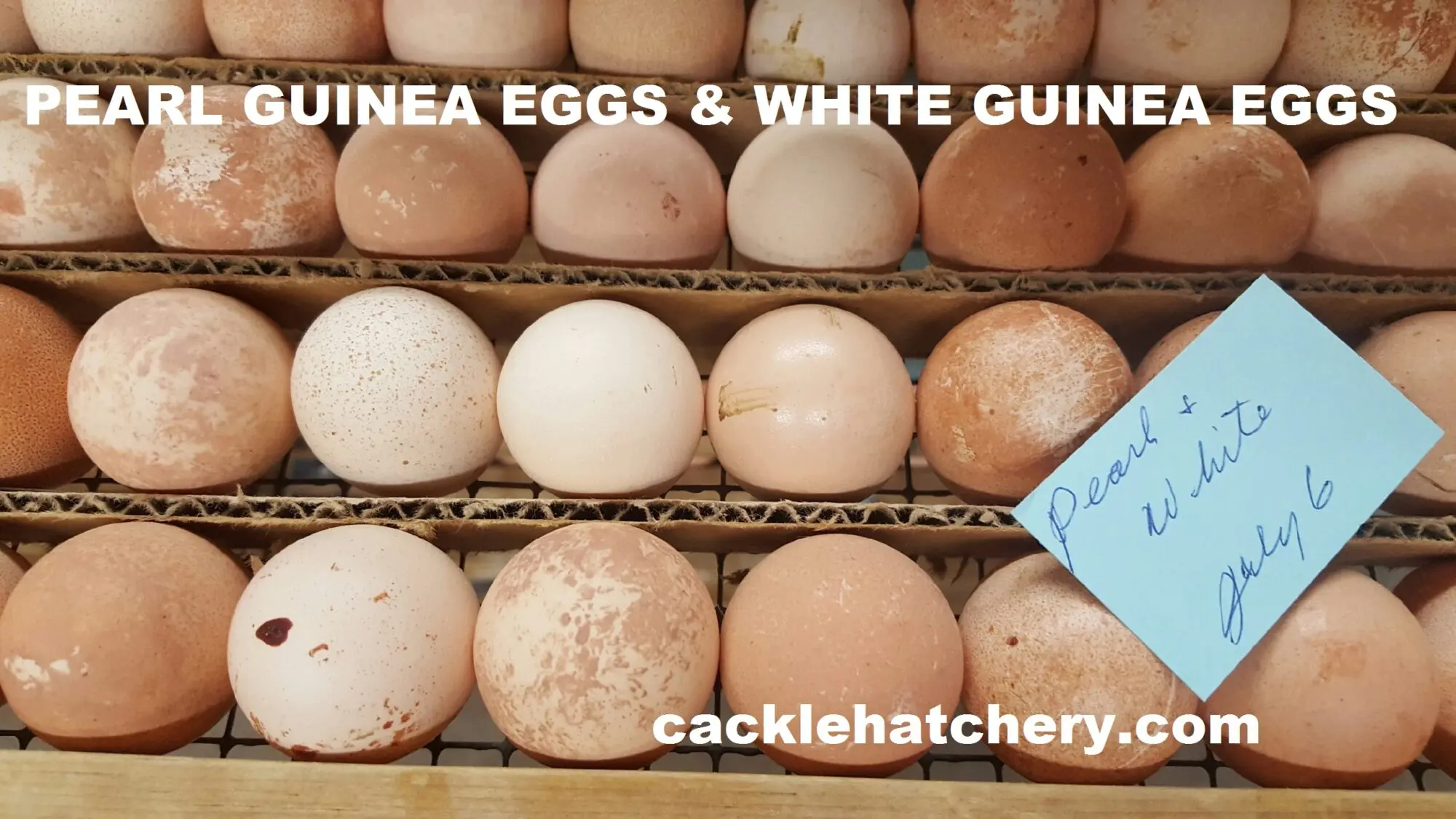
- Egg Color: Dark and Spotted
- Egg Production: Good, between 60-100
- Egg Size: Small
- Temperament: Active
- Fertility Percentage: 60-75%
- Broody: Setters
- Mating Ratio: 9 Females to 1 Male
- Roost Height: 4+ feet
- Country of Origin: Western Africa
- APA: No
- TLC: No
- Breeder Farm Source: “Cackle Hatchery® Poultry Breeding Farm” developing our bloodline or strain of four pure colors of Guinea Fowl since 1977.
Breed Overview and Origin
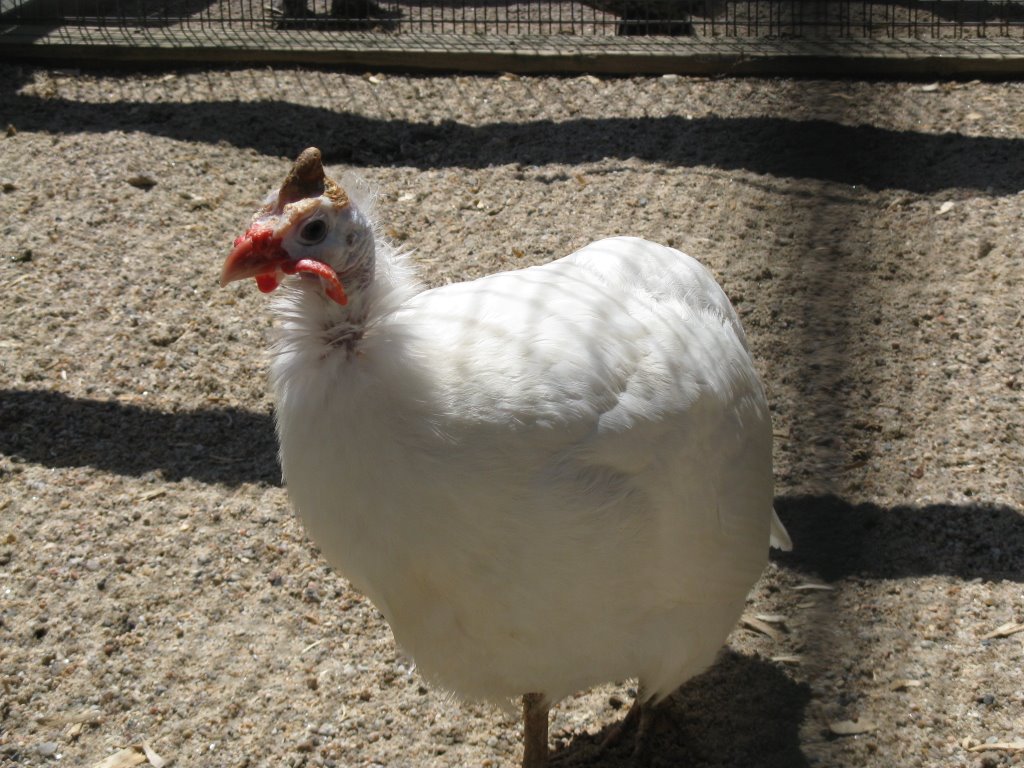
The White African Guinea Fowl is a useful, alert, and eye-catching variety of guinea fowl with clean white plumage and strong natural instincts. If you want a bird that can help patrol for ticks, alert you to unusual activity, and add something different to your farm or homestead, White African guineas are a practical choice.
Guinea fowl originated along the west coast of Africa. Cackle Hatchery® notes that images of guinea fowl appear on ancient Egyptian buildings dating back to the 2400s B.C., and that the Greeks considered guinea meat and eggs delicacies by around 400 B.C.
Cackle Hatchery® offers several African guinea varieties for customers interested in showing, breeding, pest control, and farmyard enjoyment, including White African Guinea Fowl, Pearl Grey Guinea Fowl, Lavender Guinea Fowl, and Royal Purple Guinea Fowl. Cackle also offers a Hatchery Choice Guinea option for customers who want a bargain special and do not need one exact color variety.
Appearance and Characteristics
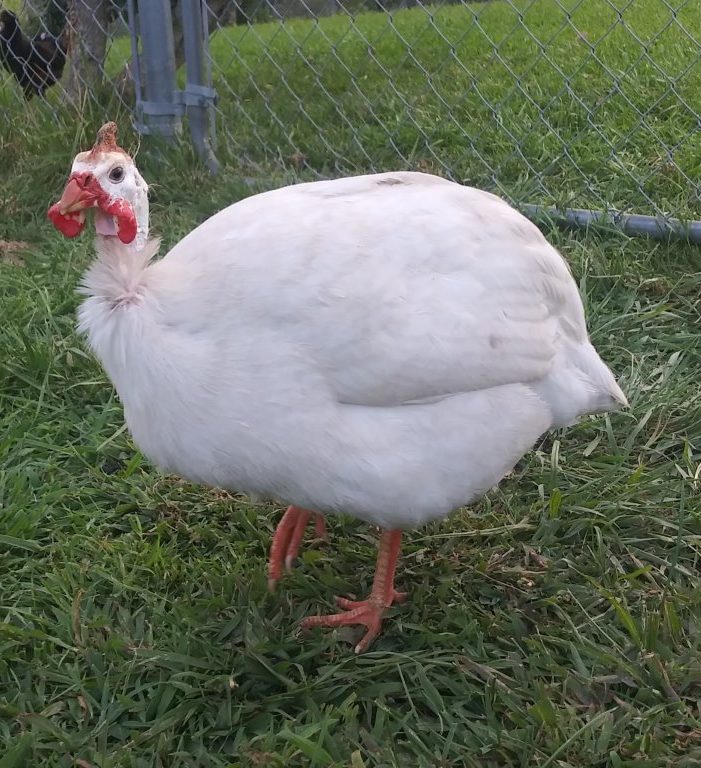
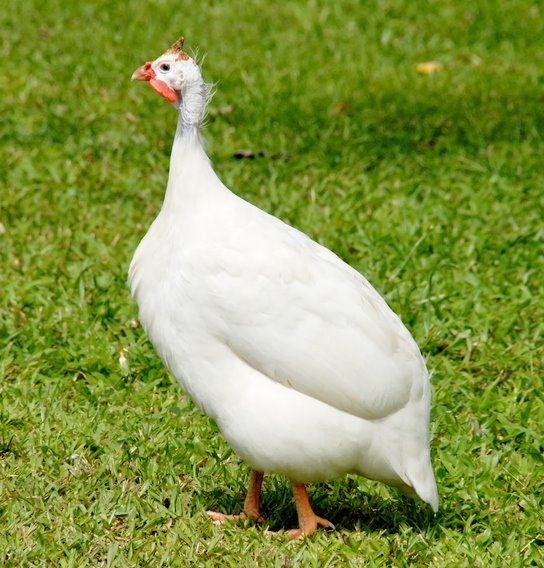
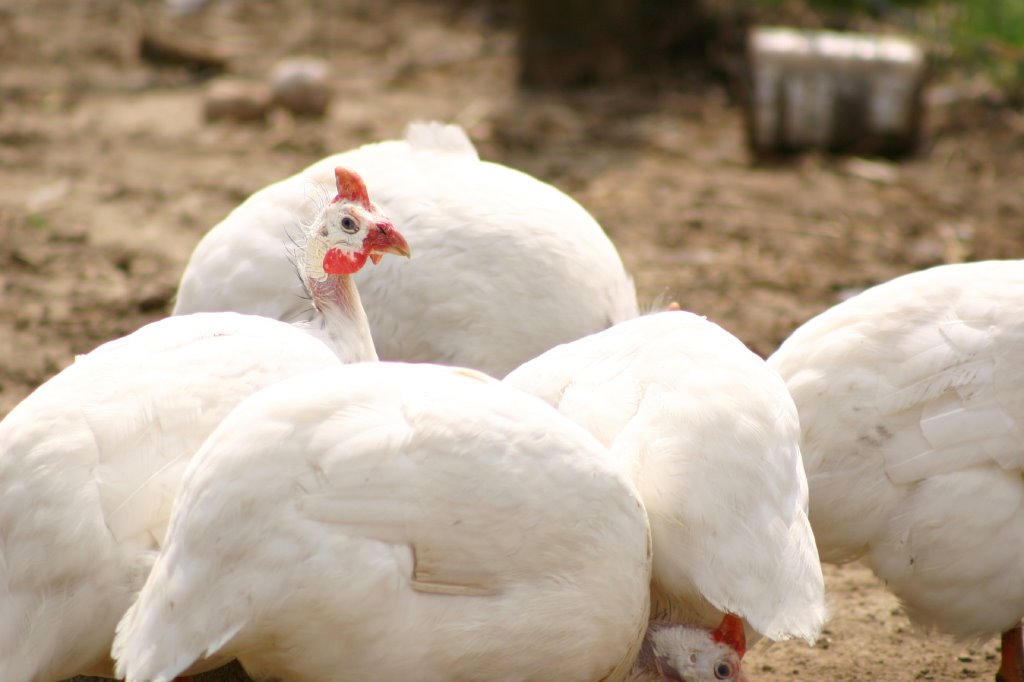
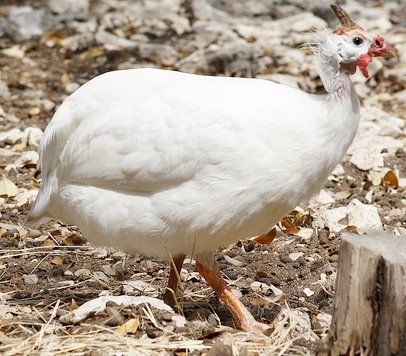
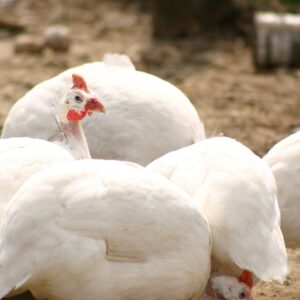
White African Guinea Fowl have bright white plumage instead of the spotted pearl pattern many people picture when they think of guineas. Their upright body shape, active movement, and alert nature make them easy to notice in the yard.
Guineas are not chickens. They have different instincts, different sounds, and a much stronger tendency to roam, call, and roost high. Cackle’s Raising Guinea Fowl article explains that guineas come in many colors, including pure white, lavender, pearl, and royal purple. It also recommends starting with keets instead of full-grown birds because birds raised from keets have a better chance of staying around as adults.
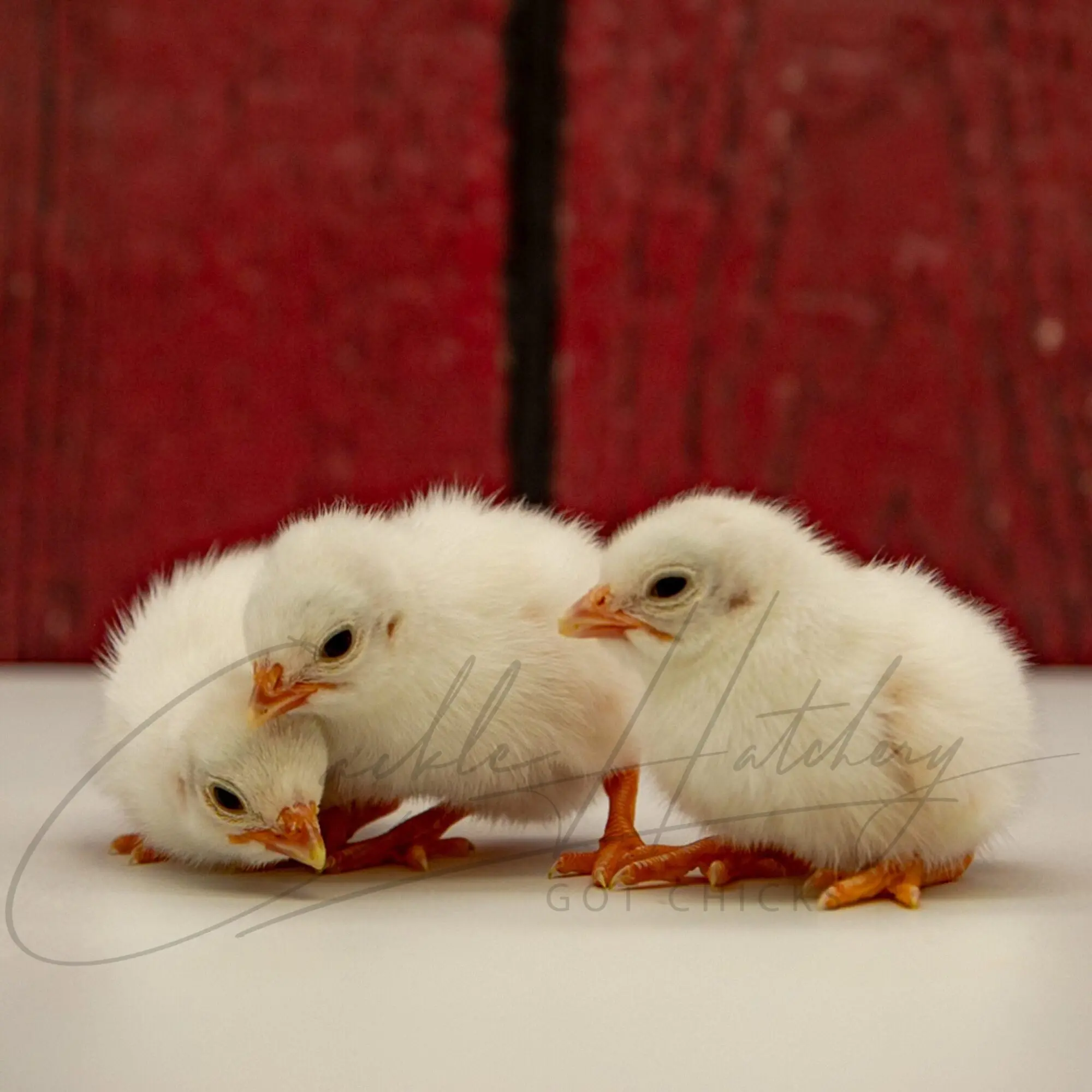
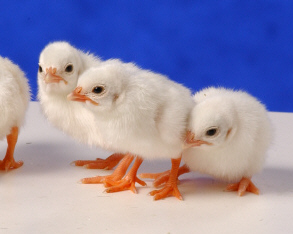
Because White African guineas are sold as baby keets, customers should plan for careful brooding, secure housing, and consistent training from the beginning.
White African Guinea vs Other Guinea Colors
White African Guineas share the same general guinea behavior and usefulness as other African guinea varieties. The main difference is feather color.
Choose White African Guinea Fowl if you want a clean white bird that stands out clearly in the yard. Choose Pearl Grey Guinea Fowl if you prefer the most common spotted guinea pattern. Choose Lavender Guinea Fowl for a softer, lighter color, or Royal Purple Guinea Fowl for a darker, richer look.
If color does not matter, Cackle’s Hatchery Choice Guinea may include White, Lavender, Pearl, or Royal Purple guineas. However, hatchery choice specials do not guarantee a specific color or assortment.
Guinea Fowl as Watch Birds
Guinea fowl make excellent farmyard “watch dogs.” They are loud, alert, and quick to react when something different enters their area.
Cackle’s Guinea Fowl for Sale category describes guineas as some of the best watch birds for sounding off when human or animal intruders come into their territory. That alert nature can make them useful around farms, acreages, barns, gardens, and homesteads.
However, customers should understand that the same alert calling that makes guineas useful can also make them noisy. If you have close neighbors or noise restrictions, consider your setup before ordering.
Tick and Bug Control
White African Guinea Fowl are well known for eating ticks, bugs, and other small pests while they patrol a yard, pasture, garden edge, or wooded area.
Cackle’s Guinea Fowl on Tick Patrol explains that many rural keepers raise guineas primarily for tick patrol and insect control. When allowed to roam, a flock can work across lawns, pastures, and the edges of woodlots looking for insects.
Guineas can help reduce pest pressure, but they are not a complete pest-control guarantee. For best results, use them as part of a broader farm or homestead management plan.
Sexing Guinea Keets
Guinea keets are very hard to sex by sight, so Cackle Hatchery® sells them as not sexed keets. This is normal for guinea fowl.
As they mature, sound becomes one of the easiest ways to tell males and females apart. Males usually make a one-syllable call, often repeated several times, such as “chit, chit, chit.” Females make a two-syllable call often described as “buck-wheat, buck-wheat.”
Cackle’s Sexing Turkey Poults and Guinea Keets explains that turkey poults and guinea keets are difficult to sex and are usually sold straight run. For more general poultry sexing information, Cackle also offers How to Sex Poultry — Chickens, Turkeys, Guineas, Ducks, Geese.
Brooding White African Guinea Keets
Guinea keets need careful brooding. They are small, active, and can be more delicate than many chicken chicks during the early days.
Cackle’s 3 Ways to Brood Guinea Fowl and 1 Way Not To warns that letting a free-range guinea hen raise her own keets can often end poorly because young keets can get chilled while trying to keep up in wet grass or rough conditions. The article recommends more controlled brooding methods for better success.
For general keet-raising guidance, customers should also read Raising Guinea Fowl, which explains why starting with keets gives guineas a better chance of bonding to the home area as they mature.
Shipping and Separate Compartments
Cackle Hatchery® ships guinea keets in a separate compartment from other poultry. This protects other birds during shipment because small keets may peck at the toes of other poultry and injure them.
White African Guinea keets are seasonal. Cackle’s White African Guinea page lists them as baby keets only, no sexing available, with seasonal shipping from June through mid-August and a minimum of 5. Cackle’s guinea category notes that guineas typically hatch and sell from May through August, depending on variety and hatch schedule.
Customers should order early. March and April are good planning months for reserving keets before peak season availability tightens.
Cackle Hatchery® cannot ship guinea fowl to Hawaii.
Roosting and Free-Range Behavior
Guinea fowl like to roost high, and free-ranging guineas may choose trees if they are not trained to return indoors. This can create safety issues, especially where predators are active at night.
Cackle’s Getting Guinea Fowl to Roost Indoors at Night offers tips for encouraging guineas to sleep inside. The article explains that training guineas to roost indoors can be challenging, and one strategy is to raise keets with chicks so the chickens help teach them to return to the coop.
Because guineas can also fly away after moving to a new location, Cackle’s How to Keep Guinea Fowl from Flying Away is another important internal resource for customers planning a free-range flock.
Nesting and Egg Laying
Guinea hens often hide their nests when allowed to free range. A flock may seem to disappear at laying time and then suddenly return with a group of keets.
That natural nesting behavior can be useful in some settings, but it can also make egg collection and breeding management difficult. Customers who want better control over eggs and hatching should provide safe housing, train guineas to return indoors, and watch for hidden nests during laying season.
For a broader comparison of guinea types and laying expectations, Cackle’s Selecting Guinea Fowl article notes that African guineas may not start laying until the next spring, while French guineas raised early may begin sooner.
Are White African Guinea Fowl Right for Your Farm?
Choose White African Guinea Fowl if you want:
A white guinea fowl variety
An alert farmyard watch bird
A strong tick and bug eater
A bird for 4-H or FFA showing and breeding
A free-range patrol bird
A bird with loud alarm calls
A unique African-origin fowl
A seasonal keet order from Cackle Hatchery®
A bird that likes high roosts
A useful alternative to chemical pest control
Overall, White African Guinea Fowl are a great choice for customers who want alert, active, pest-patrolling birds with a clean white look. They are not quiet backyard pets, and they need training if you want them to return to the coop. However, with the right setup, they can be one of the most useful birds on a farm or homestead.
If customers are still comparing guinea varieties, direct them to Cackle’s Guinea Fowl for Sale category or the broader Guinea & Peafowl for Sale category.
Breed History and Preservation
Guinea fowl have a long history with people. Their origin traces to Africa, and humans have valued them for centuries for meat, eggs, alert behavior, and pest control.
Ancient Egyptian art shows guinea fowl-like birds as far back as the 2400s B.C., and ancient Greeks considered guinea meat and eggs a delicacy by around 400 B.C. Today, customers keep guineas for many of the same practical reasons: food, alerts, pest patrol, and farmyard usefulness.
Cackle Hatchery® has supplied multiple guinea colors for 4-H, FFA, showing, breeding, and homestead use, including White, Lavender, Pearl, and Royal Purple varieties. Cackle’s Hatchery Choice Guinea page notes that its breeding farm has developed these guinea bloodlines since 1977.
Recognition and Availability
White African Guinea Fowl are sold as baby keets only, with no sexing available. Cackle lists the White African Guinea as seasonal, shipping June through mid-August, with a minimum of 5.
Cackle Hatchery® also offers Pearl Grey Guinea Fowl, Lavender Guinea Fowl, Royal Purple Guinea Fowl, and guinea bargain options such as Hatchery Choice Guinea.
Before planning an order, customers should check Cackle Hatchery’s Availability Chart for current hatch and shipping dates.
Related Breeds and Helpful Cackle Hatchery® Resources
If you like White African Guinea Fowl, you may also want to compare Pearl Grey Guinea Fowl, Lavender Guinea Fowl, Royal Purple Guinea Fowl, French Pearl Guinea Fowl, and Hatchery Choice Guinea.
Helpful Cackle articles include Selecting Guinea Fowl, Raising Guinea Fowl, 3 Ways to Brood Guinea Fowl and 1 Way Not To, Sexing Turkey Poults and Guinea Keets, How to Keep Guinea Fowl from Flying Away, Guinea Fowl on Tick Patrol, and Getting Guinea Fowl to Roost Indoors at Night.
FAQ: White African Guinea Fowl Keets
What are White African Guinea Fowl?
White African Guinea Fowl are white-feathered guinea fowl raised for pest patrol, alert calls, showing, breeding, meat, eggs, and farmyard usefulness.
Where did guinea fowl originate?
Guinea fowl originated along the west coast of Africa. People have kept them for thousands of years for food, alerts, and farmyard usefulness.
Are White African Guineas good watch birds?
Yes. Guineas are loud, alert birds that will sound off when something unusual enters their territory. That makes them useful farmyard watch birds.
Do White African Guinea Fowl eat ticks?
Yes. Guineas are well known for eating ticks and other bugs while free ranging. Cackle’s Guinea Fowl on Tick Patrol explains how guineas patrol lawns, pastures, and woodlot edges for insects.
Are White African Guineas quiet?
No. Guineas are noisy birds. Their loud calls are part of what makes them useful as watch birds, but they may not suit close-neighbor backyard settings.
Can you sex White African Guinea keets?
Not reliably by sight. Guinea keets are difficult to sex and are sold as not sexed. As they mature, males usually make a one-syllable call, while females make a two-syllable “buck-wheat” call.
What is the difference between male and female guinea calls?
Males usually make a repeated one-syllable call, such as “chit, chit, chit.” Females usually make a repeated two-syllable call often described as “buck-wheat, buck-wheat.”
Do White African Guineas lay eggs?
Yes. Guinea hens lay eggs, but they often hide their nests when allowed to free range.
Do guinea hens hide nests?
Yes. Free-ranging guinea hens often hide nests and may later appear with a group of keets.
Do White African Guineas roost in trees?
Yes. Guineas like high roosts and may choose trees if they are not trained to roost indoors. Cackle’s Getting Guinea Fowl to Roost Indoors at Night gives training tips.
How do you keep guinea fowl from flying away?
Start with keets, keep them confined long enough to learn their home base, and train them to return to shelter. Cackle’s How to Keep Guinea Fowl from Flying Away offers more tips.
Are White African Guinea keets hard to brood?
They need careful brooding because keets are small and can chill easily. Cackle’s 3 Ways to Brood Guinea Fowl and 1 Way Not To explains safer brooding options.
Why does Cackle Hatchery® ship guinea keets separately?
Cackle ships guinea keets in a separate compartment from other poultry because small keets may peck the toes of other birds and injure them during shipment.
When does Cackle Hatchery® ship White African Guinea keets?
Cackle lists White African Guinea Fowl as seasonal, with shipping from June through mid-August. Guinea availability can vary, so customers should check the Availability Chart before ordering.
Can Cackle Hatchery® ship guineas to Hawaii?
No. Cackle Hatchery® cannot ship guinea fowl to Hawaii.
What other guinea colors does Cackle Hatchery® offer?
Cackle offers White African, Pearl Grey, Lavender, and Royal Purple Guinea Fowl. Hatchery Choice Guinea may include those colors, but it does not guarantee a specific color or assortment.
Where can I check guinea keet availability?
Check Cackle Hatchery’s Availability Chart for current hatch and shipping dates.
Order from Cackle Hatchery
Choose White African Guinea from cackle hatchery. Review the product information above for current options, availability and ordering details.
Related Products
Related products