




Buy Red Jungle Fowl Chicken Online
Buy red jungle fowl chicken online from cackle hatchery. Compare the bird or breed details, available options, current availability and delivery conditions before ordering.
Red Jungle Fowl Chicken
Breed Facts
- Poultry Show Class: Not applicable
- Weights: Hen ——-3 lbs
Rooster—-4 1/2 lb
Pullet——2 1/2 lbs
Cockerel—4 lbs - Purpose and Type: Ornamental, Egg Laying; Exhibition
- Egg Shell Color: Light Brown
- Egg Production: 120-150 eggs per year (estimates only, see FAQ)
- Egg Size: Medium
- Temperament: Active
- Fertility Percentage: 40-55%
- Broody: Setters
- Mating Ratio: 9 Females to 1 Male
- Roost Height: 4+ feet
- Country of Origin: Asia
- APA: No
- TLC: Not Listed
- Breeder Source Farm: Cackle Hatchery® Poultry Breeding Farm has been developing our bloodline or strain of pure Red Jungle Fowl chickens since 1984.
Red Jungle Fowl Chicken
Breed Overview and Origin
The Red Jungle Fowl chicken is one of the closest living links to the original wild fowl behind today’s domestic chickens. If you want a rare, active bird with strong free-range instincts and a more natural look than common backyard breeds, Red Jungle Fowl are worth considering.
Red Jungle Fowl are smaller than most standard-size chickens but a little larger than many modern bantams. They are alert, quick, and well suited for free range because they can move fast, watch their surroundings, and avoid predators better than many heavier breeds.
Cackle Hatchery®’s bloodline came from descendants of Red Jungle Fowl at the San Diego Zoo in California, and Cackle has developed its strain since 1984. Cackle lists Red Jungle Fowl among its rare chicken breeds and breed finder options.
Appearance and Characteristics
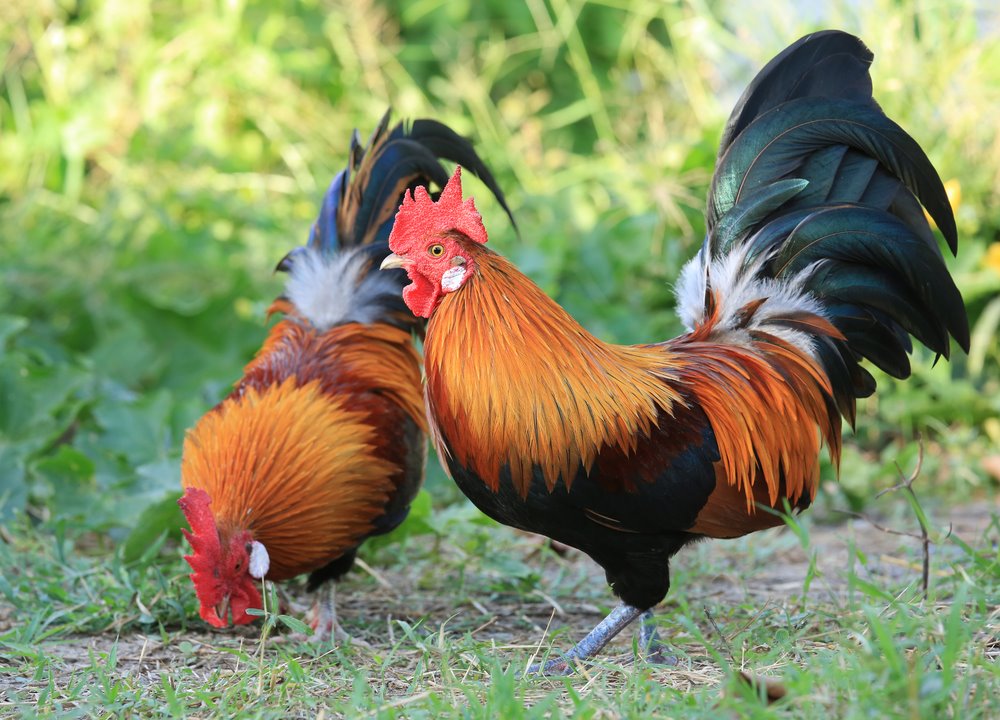
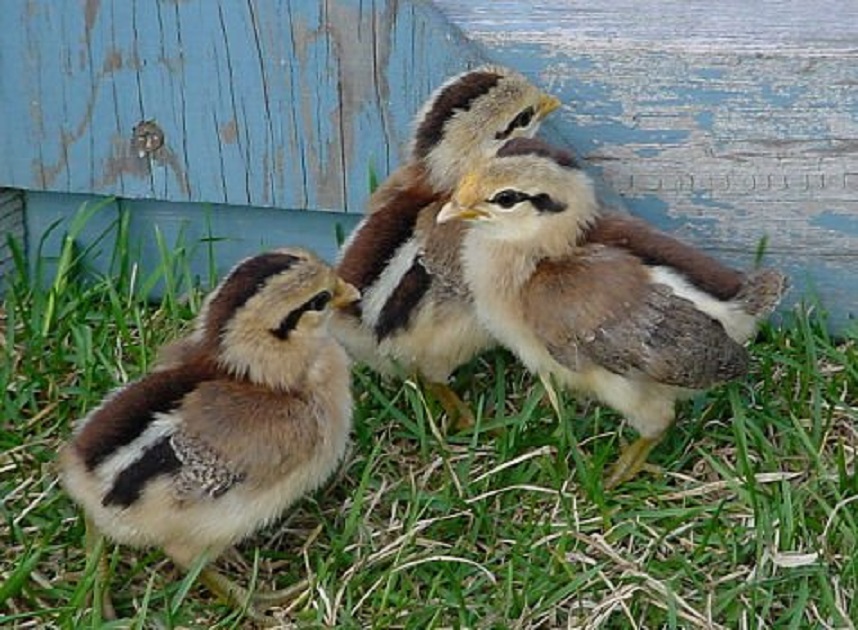
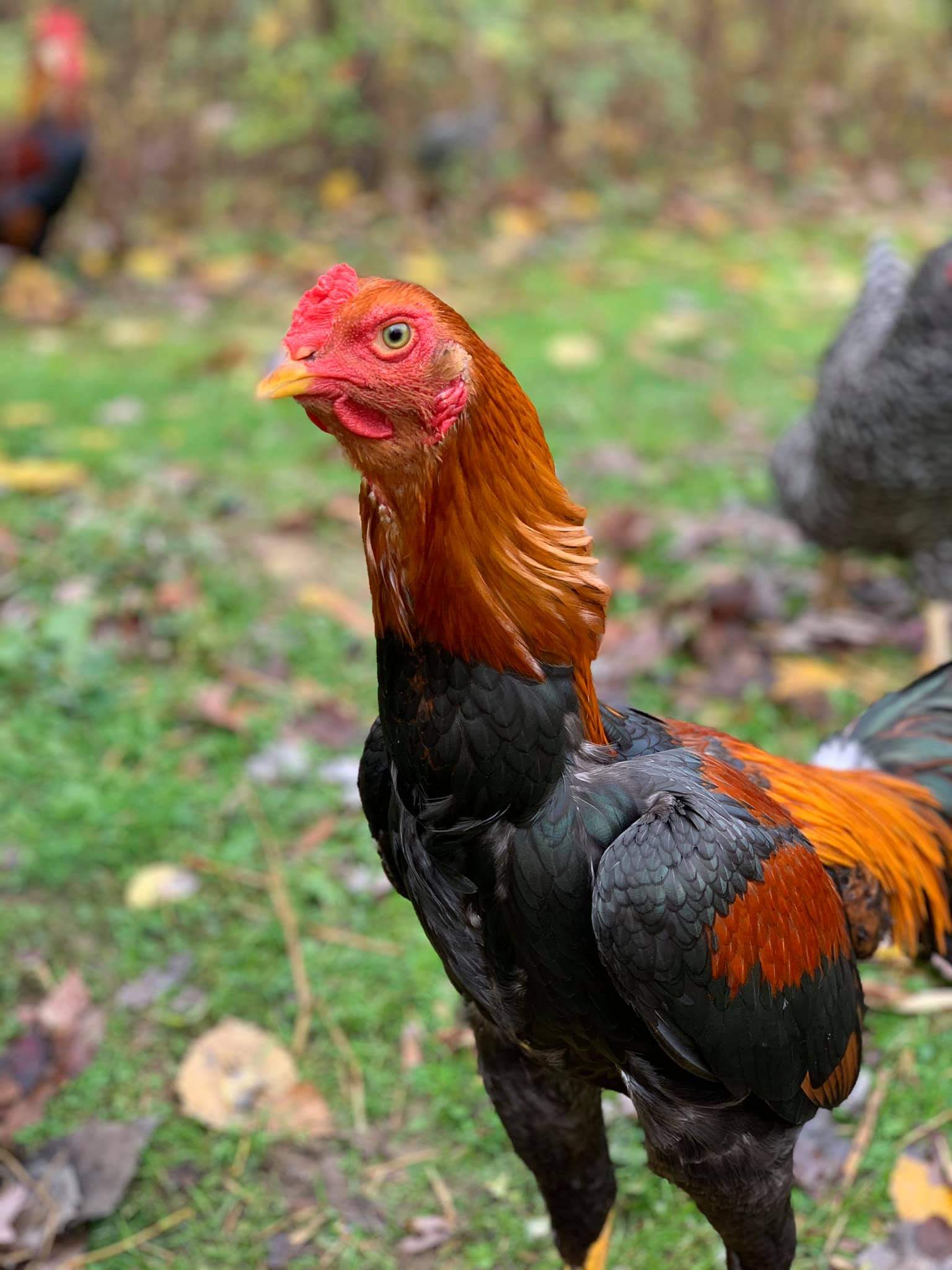
Red Jungle Fowl have a wild, natural look. The males usually show bright red, orange, gold, green-black. They are lighter and more athletic than common backyard breeds, with a body shape that helps them move quickly and fly better than heavy dual-purpose chickens.
Most birds in Cackle’s strain have slate blue or gray legs and white earlobes. Some may show moss-green leg color or red earlobes because of differences in the subspecies used in the original breeding stock. That variation is normal for this strain and gives the birds a more natural, less standardized appearance. Their size, speed, and alertness make them especially interesting for people who enjoy primitive-type fowl, rare breeds, or free-range birds with strong survival instincts.
Red Jungle Fowl vs Saipan Chicken
Red Jungle Fowl and Saipan chickens both appeal to people who like rare, active, more natural-looking fowl. However, they are not the same type of bird.
Choose Red Jungle Fowl if you want a smaller, quicker, more wild-type fowl with strong free-range ability and predator awareness. Choose Saipans if you want a much taller, more muscular island fowl that handles hot, humid weather and has strong broody hens.
Both are better suited for experienced or thoughtful keepers than for someone who wants a calm, high-production laying breed. If your goal is a pet-like backyard hen, choose a gentler dual-purpose breed instead.
Free-Range Ability and Predator Awareness
Red Jungle Fowl are one of the better choices for free ranging. They are alert, quick, and more capable of avoiding danger than many large, slow, heavy breeds.
That does not mean they are predator-proof. Hawks, owls, raccoons, foxes, coyotes, dogs, and other predators can still be a threat. Safe roosting space, secure nighttime housing, and good range management still matter.
If you have a safe property and want birds with strong natural instincts, Red Jungle Fowl can be a rewarding choice. They are not built for confinement-only setups in the same way as heavier backyard breeds, so give them room and a secure place to return at night.
Egg Production and Utility
Red Jungle Fowl are not production egg layers. Choose them for rarity, history, free-range ability, and natural behavior rather than heavy egg output.
They may lay small eggs, but they will not keep up with Leghorns, sex links, Australorps, or other egg-focused breeds. Their real value comes from their wild-type traits, alertness, agility, and connection to chicken ancestry.
They are also not a meat breed. Their smaller size makes them more useful as rare fowl than as table birds.
Temperament and Suitability
Red Jungle Fowl are active, alert, and independent. They behave differently from many common backyard chickens because they keep more natural instincts.
They can work well for rare breed enthusiasts, free-range keepers, and people who enjoy watching birds that act closer to wild fowl. They may not be the best fit for small backyard coops, pet flocks, or families wanting calm hens for children to handle.
Because they can fly and move quickly, plan your setup carefully. Give them secure housing, predator protection, and enough space. If you keep them confined, make sure the run is covered or built to handle active birds that may try to go up and out.
Is the Red Jungle Fowl Right for Your Flock?
Choose Red Jungle Fowl if you want:
A rare primitive-type fowl
A bird connected to the ancestry of domestic chickens
A strong free-range bird
A small, alert, athletic chicken
A predator-aware flock member
A bird with San Diego Zoo descendant bloodline history
A breed developed by Cackle since 1984
A natural-looking fowl with leg and earlobe color variation
A rare bird for experienced poultry keepers
Overall, this is a good choice if you want active, natural, free-ranging fowl. It is not the best pick if you want heavy egg production, meat value, or a calm pet chicken. Red Jungle Fowl are best appreciated for what they are: alert, quick, rare birds with deep ties to chicken history.
If you are still comparing rare breeds, the Chicken Breed Selector and Chicken Breeds List Comparison Chart can help you sort birds by purpose, size, temperament, and flock goals.
Breed History and Preservation
Red Jungle Fowl have long been recognized as the main wild ancestor of domestic chickens. Charles Darwin discussed jungle fowl when studying domesticated chickens and their origins, and modern poultry history still connects domestic chickens strongly to Red Jungle Fowl ancestry.
These birds are not like modern production breeds. They represent an older, wilder type of fowl with stronger natural instincts, smaller body size, and more alert behavior.
Cackle Hatchery®’s strain came from descendants of Red Jungle Fowl at the San Diego Zoo in California. Cackle has maintained and developed this bloodline since 1984, which gives customers a rare opportunity to add this type of fowl to their flock.
Recognition and Availability
Red Jungle Fowl are rare, primitive-type fowl rather than a common backyard production breed. They are best suited for customers who understand their active nature and want a bird with strong natural instincts.
You can choose Red Jungle Fowl chicks when they are available. Please note that Cackle Hatchery® cannot ship Jungle Fowl to Hawaii.
Red Jungle Fowl may also appear in Cackle’s Exotic Island Fowl Special when available, but assortments are hatchery choice and do not guarantee a specific breed. Before you plan your order, check the Availability Chart for current hatch and shipping options.
Related Breeds and Helpful Cackle Hatchery® Resources
If you like Red Jungle Fowl, you may also want to compare Saipan chickens, Black Sumatra chickens, Blue Sumatra chickens, Phoenix chickens, Yokohamas, and other rare or exotic fowl.
For broader flock planning, browse rare chicken breeds, baby chicks for sale, and the Chicken Breed Selector.
FAQ: Red Jungle Fowl Chicken
What is a Red Jungle Fowl chicken?
A Red Jungle Fowl is a rare, primitive-type fowl closely connected to the ancestry of modern domestic chickens. It is smaller, quicker, and more alert than many common backyard breeds.
Are Red Jungle Fowl the ancestors of domestic chickens?
Yes. Red Jungle Fowl are widely recognized as one of the main wild ancestors of domestic chickens.
Are Red Jungle Fowl good egg layers?
No. They are not production egg layers. Choose them for rarity, history, free-range ability, and natural behavior rather than heavy egg production.
What color eggs do Red Jungle Fowl lay?
They may lay small light-colored eggs, but egg production is not their main purpose.
Are Red Jungle Fowl good for meat?
No. They are smaller than standard chickens and are not a meat breed.
Are Red Jungle Fowl good for free range?
Yes. They are one of the better choices for free ranging because they are quick, alert, athletic, and predator-aware.
Are Red Jungle Fowl predator-proof?
No chicken is predator-proof. Red Jungle Fowl may avoid danger better than many heavy breeds, but they still need secure nighttime housing and predator protection.
Are Red Jungle Fowl friendly?
They are usually active and independent rather than cuddly. They suit keepers who enjoy natural behavior more than pet-style handling.
Are Red Jungle Fowl good for beginners?
They can be challenging for beginners because they are active, flighty, and more wild-type than common backyard breeds. Beginners wanting eggs or calm pets may prefer a gentler breed.
How big are Red Jungle Fowl?
They are smaller than most standard chickens but a little larger than many modern bantams.
What color legs do Red Jungle Fowl have?
Most birds in Cackle’s strain have slate blue or gray legs. Some may show moss-green leg color because of the subspecies used in the original breeding.
What color earlobes do Red Jungle Fowl have?
Most have white earlobes, though some may show red earlobes due to variation in the original breeding stock.
What is Cackle Hatchery’s Red Jungle Fowl bloodline?
Cackle’s strain came from descendants of Red Jungle Fowl at the San Diego Zoo in California, and Cackle has maintained this bloodline since 1984.
Can Red Jungle Fowl ship to Hawaii?
No. Cackle Hatchery® cannot ship Jungle Fowl to Hawaii.
Where can I check chick availability?
Check the Availability Chart for current hatch and shipping options.
Ordering Information
Check the current price, stock status and selectable options displayed on this page. Read the product information and applicable policies before adding this item to your cart.
Related Products
Related products