








Buy Lavender Orpington Chicken Online
Buy lavender orpington chicken online from cackle hatchery. Compare the bird or breed details, available options, current availability and delivery conditions before ordering.
Lavender Orpington Chicken
Breed Facts
- Poultry Show Class: English Class
- Weights: Hen—–8 lbs
Rooster——10 lbs
Pullet—7 lbs
Cockerel—-8 1/2 lbs - Purpose: Dual Egg Laying and meat; Exhibition
- Egg Shell Color: Light Brown
- Egg Production: 150+ eggs per year (estimates only, see FAQ)
- Egg Size: Medium to Large
- Temperament: Docile
- Fertility Percentage: 65-80%
- Broody: Yes
- Mating Ratio: 5 Females to 1 Male
- Roost Height: 2 to 4 feet
- Country of Origin: England
- APA: No
- TLC: Graduated from priority list in 2016
- BREEDER FARM SOURCE: Cackle Hatchery® Poultry Breeding Farm has been developing our bloodline or strain of Lavender Orpington since 2017.
Lavender Orpington Chicken
Breed Overview and Origin
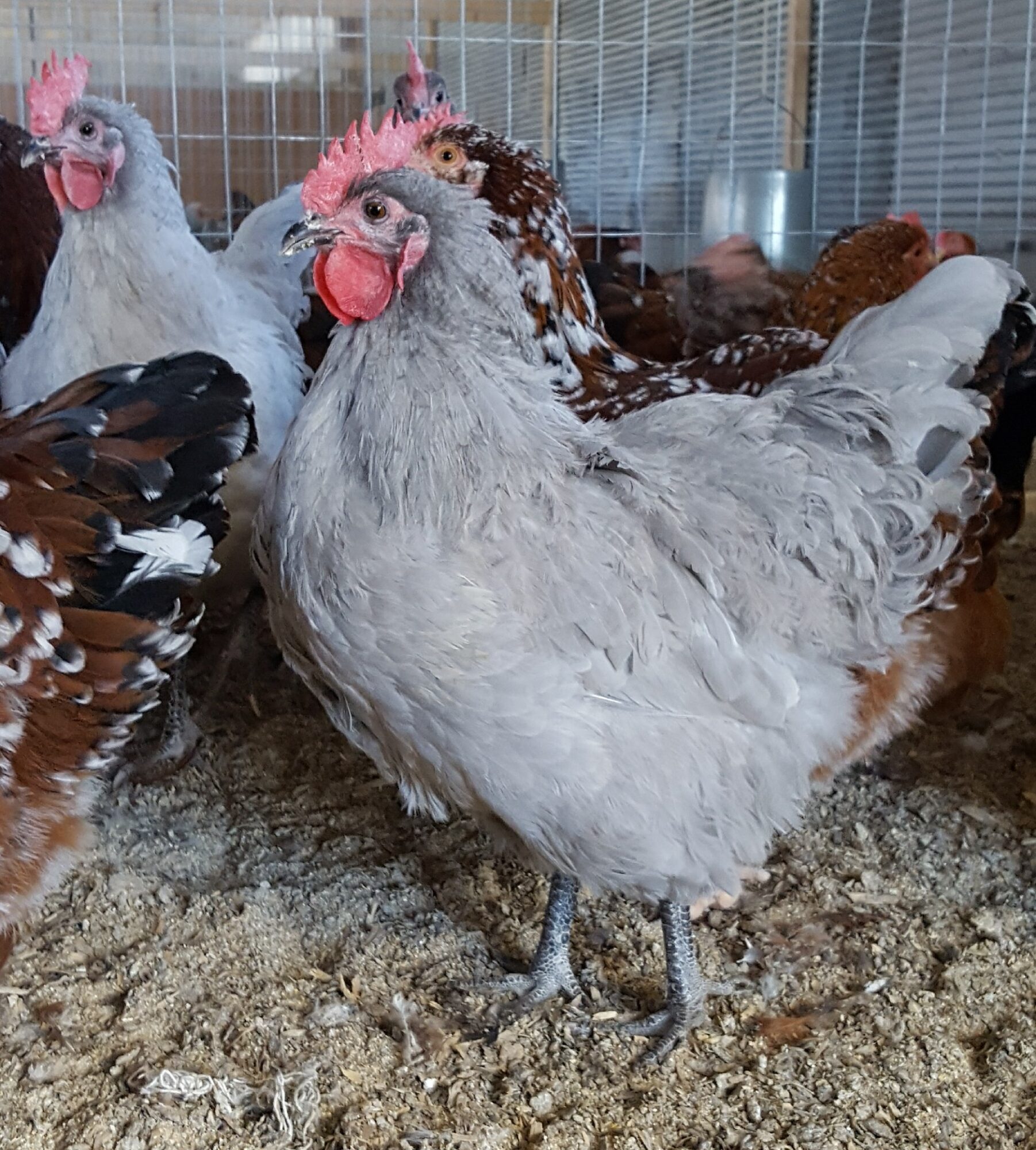
The Lavender Orpington chicken is a large, gentle bird with soft gray-lavender plumage and a calm backyard personality. If you want a flock bird that feels a little rare and special, this variety is easy to admire.
Orpingtons originally came from the town of Orpington in Kent, England. William Cook developed the breed to be a useful meat-and-egg chicken that could handle cool English weather. Cackle Hatchery’s article on Orpington chickens in the heritage breed spotlight gives a helpful look at that background and why Orpingtons remain so popular with backyard keepers.
The lavender variety is not currently recognized by the American Poultry Association, but it has become popular with keepers who want a rare, soft-colored Orpington for the backyard flock. These birds are more about beauty, temperament, and uniqueness than maximum egg production.
Appearance and Characteristics
Lavender Orpingtons have full, fluffy plumage, a medium-sized single comb, and a large body with an upright stance. Their color is a soft, even shade of pale slate-blue often called lavender or self-blue.
The lavender gene works differently from the blue gene. Blue coloring can produce blue, black, and splash offspring depending on the breeding. Lavender is recessive, so properly bred lavender-to-lavender matings produce consistent lavender coloring. Cackle’s article on the shredder gene in lavender chickens explains that lavender, also called self-blue, comes from an autosomal recessive gene that dilutes both black and red/brown pigment.
Because of their heavy feathering, these chickens look soft and full in the yard. That same fluffy plumage also helps them handle cooler weather, although they still need a dry, well-ventilated coop.
Lavender Orpington vs Lavender English Orpington
Cackle Hatchery® also has a Lavender English Orpington option. Both birds share the lavender color and the calm Orpington personality, but English-type Orpingtons often have a fuller, rounder look and are generally selected more for that extra-fluffy English style.
Choose the Lavender Orpington if you want a rare, gentle backyard bird with lavender plumage and practical brown egg value. Choose the Lavender English Orpington if you especially like the oversized, extra-fluffy English look.
Either way, you are choosing a calm, eye-catching bird that brings a soft color to the flock.
Lavender Color and the Shredder Gene
Lavender chickens can sometimes carry what poultry keepers call the shredder gene. This gene can cause feathers to split, leaving rough-looking feather development. It does not mean every lavender chicken will have poor feather quality, but it is something customers should understand when choosing lavender varieties.
Cackle’s shredder gene in lavender chickens article explains this clearly and is worth reading if you want to understand why some lavender birds may show rougher feathering.
Good breeding and good care both matter. Still, because lavender is a specialty color, feather quality may vary more than it does in some older, long-standardized colors.
Egg Production and Utility
Lavender Orpington hens are fair layers of light brown eggs, usually medium to large in size. They are not the highest-production birds in the catalog, and that is worth saying plainly. If your only goal is the most eggs possible, a production layer may fit you better.
However, if you want a calm, rare, beautiful chicken that still contributes to the egg basket, this variety makes sense. You get a large bird with good backyard presence, gentle temperament, and useful eggs.
Actual laying can vary with age, daylight, feed, weather, housing, and overall care. Because Orpingtons are large birds, they also need steady nutrition and enough room to stay healthy and comfortable.
If you enjoy hatching projects, Lavender Orpington Hatching Eggs may be available at limited times of the year. Be sure to read the hatching egg details before ordering, since shipped eggs depend on handling, weather, and incubation conditions.
Temperament and Suitability
Lavender Orpingtons are known for being very docile. That calm nature is one of the biggest reasons people like them. If you want chickens that are gentle around children and pleasant in the backyard, this variety is a strong choice.
They can do well in family flocks, small homesteads, and backyard coops where personality matters as much as production. Their size and quiet temperament also make them enjoyable to watch, especially if you like big, fluffy birds that move through the yard without much fuss.
Because they have heavy plumage, they handle cold weather well. In hot weather, though, they need shade, fresh water, and airflow. Their large bodies and thick feathers can make summer heat harder on them than on lighter breeds.
As with any chicken, temperament can vary by individual bird, handling, and flock setup. Even so, Orpingtons have earned their reputation as some of the calmer birds for backyard keepers.
Is the Lavender Orpington Chicken Right for Your Flock?
Choose Lavender Orpingtons if you want:
A rare lavender-colored chicken
A large, fluffy backyard bird
A docile chicken for children and families
A light brown egg layer
A cold-hardy breed
A bird with a calm, gentle personality
A unique variety that stands out in the flock
A chicken chosen more for beauty and temperament than top egg production
A hatching egg option when available
Overall, this is a good choice if you want a beautiful, gentle bird that brings something unusual to the flock. It may not be the best fit if you want maximum egg output, but it is a lovely option if you value color, calmness, and backyard charm.
If you are still comparing breeds, the Chicken Breed Selector and Chicken Breeds List Comparison Chart can help you sort birds by purpose, egg color, size, and flock needs.
Breed History and Preservation
The Orpington breed began in England as a practical meat-and-egg breed. William Cook wanted a bird that could produce well and handle cool, damp weather. Over time, Orpingtons became known for their size, soft feathering, and gentle temperament.
Lavender is a newer specialty color within the Orpington family. Unlike Buff, Black, White, and Blue Orpingtons, the lavender variety does not currently have APA recognition. Even so, it has earned a strong following among backyard keepers because of its soft color and calm nature.
Because this variety depends on recessive lavender genetics, breeders must select carefully for both color and feather quality. That is also why the shredder gene matters. If you want lavender birds, it helps to understand both the beauty and the breeding challenges behind the color.
Recognition and Availability
Lavender Orpingtons are not currently recognized by the American Poultry Association. They are best thought of as a rare specialty variety for backyard keepers who want a large, docile bird with soft lavender plumage.
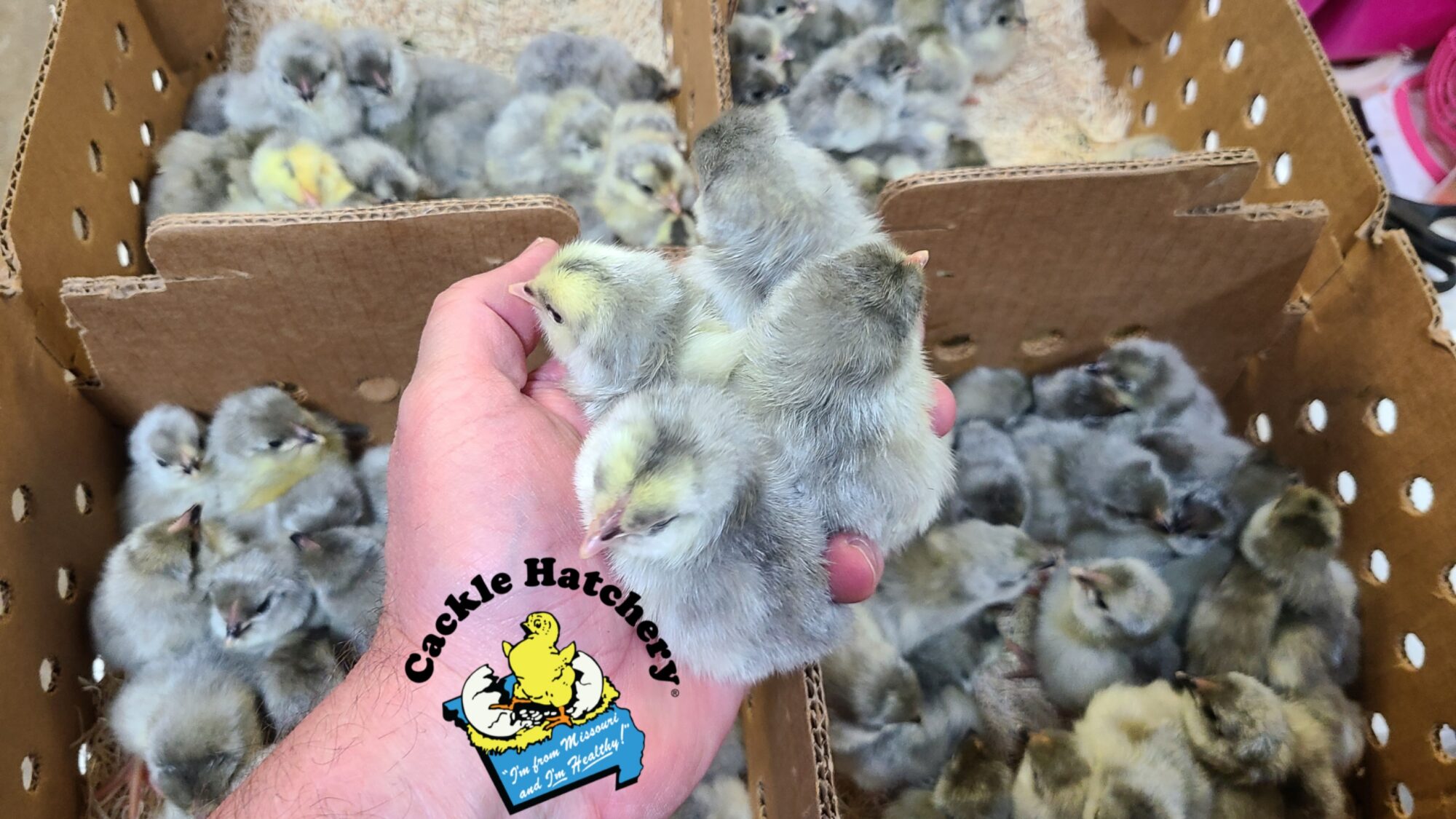
You can choose Lavender Orpington chicks when available, and Lavender Orpington Hatching Eggs may also be offered at limited times of the year.
Before you plan your flock, check the Availability Chart for current hatch and shipping options. Availability can change by season, hatch date, and egg numbers.
Related Breeds and Helpful Cackle Hatchery® Resources
If you like Lavender Orpingtons, you may also want to compare Lavender English Orpingtons, Buff Orpingtons, and other Orpington varieties. The English Lavender option is especially worth comparing if you like a fuller, fluffier English-style bird.
For more breed background, read Orpington chickens in the heritage breed spotlight. If you want to understand the special color genetics, read shredder gene in lavender chickens.
For broader flock planning, browse brown egg laying chickens, rare chicken breeds, baby chicks for sale, the Chicken Breed Selector, and the Chicken Breeds List Comparison Chart.
FAQ: Lavender Orpington Chicken
What is a Lavender Orpington chicken?
A Lavender Orpington chicken is a large, docile Orpington variety with soft lavender or self-blue plumage. It is a rare backyard variety known for calm temperament, fluffy feathering, and light brown eggs.
Are Lavender Orpingtons recognized by the APA?
No. Lavender Orpingtons are not currently recognized by the American Poultry Association. They are a specialty color variety rather than an APA-standard color.
Are Lavender Orpington chickens good egg layers?
They are fair layers. Hens lay light brown eggs, usually medium to large in size. If you want maximum egg production, a production layer may be a better fit. If you want beauty, calm temperament, and some eggs, this variety works well.
What color eggs do Lavender Orpingtons lay?
They lay light brown eggs. Egg size is usually medium to large, depending on age, feed, season, and overall care.
Are Lavender Orpingtons friendly?
Yes. They are usually very docile and gentle. Many families like them because they are calm around children and pleasant to handle.
Are Lavender Orpingtons good for beginners?
Yes, they can be good for beginners who want a calm backyard breed. However, they are large birds and need enough space, clean water, balanced feed, shade in summer, and dry housing in winter.
Are Lavender Orpingtons cold hardy?
Yes. Their large bodies and full feathering help them handle cold weather. They still need a dry, draft-protected coop with good ventilation.
Are Lavender Orpingtons heat tolerant?
They can handle warm weather with proper care, but heavy feathering makes heat management important. Give them shade, airflow, and plenty of cool water in summer.
Is lavender the same as blue in chickens?
No. Lavender and blue are different genetically. Lavender breeds true when both parents pass on the lavender gene. Blue does not breed the same way and can produce blue, black, and splash offspring.
What is the shredder gene in lavender chickens?
The shredder gene can cause feathers to split and barbs to detach, creating rough-looking feathering. It can occur in lavender chickens, so customers should understand it before choosing lavender varieties. Cackle’s shredder gene article explains it in more detail.
Are Lavender Orpingtons good backyard chickens?
Yes. They make good backyard chickens if you want calm, attractive, easygoing birds. They are especially nice for families who care more about temperament and appearance than top egg production.
What is the difference between Lavender Orpington and Lavender English Orpington?
Both have lavender coloring and gentle Orpington temperament. Lavender English Orpingtons usually have a fuller, rounder English-style look, while standard Lavender Orpingtons are generally chosen as rare backyard birds with a practical Orpington build.
Can I order Lavender Orpington hatching eggs?
Yes. Lavender Orpington Hatching Eggs may be available at limited times of the year. Hatchability can vary with shipping, weather, handling, and incubation.
Where can I check chick availability?
Check the Availability Chart for current hatch and shipping options. Availability can change by season, hatch date, and egg numbers.
Ordering Information
Check the current price, stock status and selectable options displayed on this page. Read the product information and applicable policies before adding this item to your cart.
Related Products
Related products


