



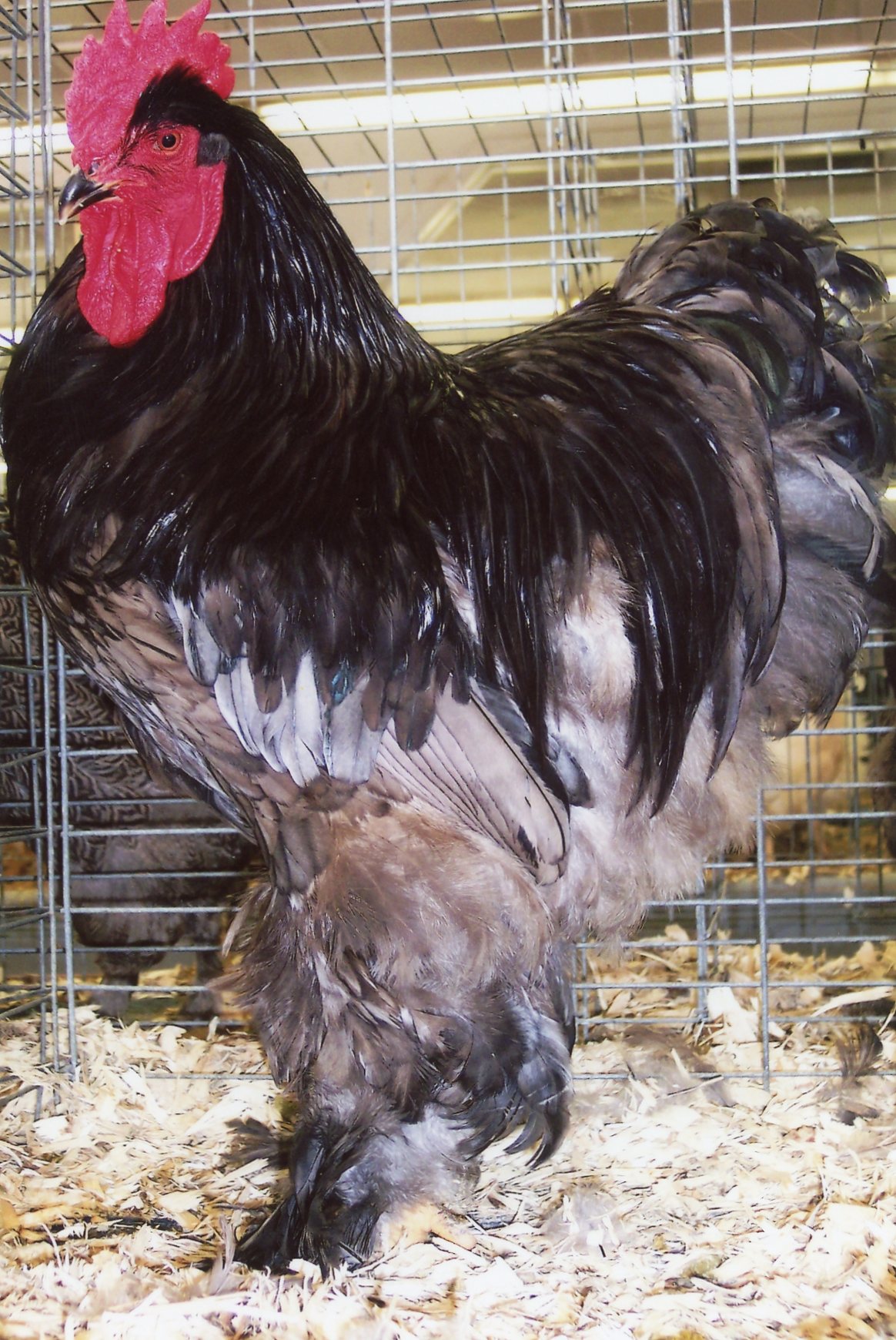

Buy Golden Laced Cochin Standard Chicken Online
Buy golden laced cochin standard chicken online from cackle hatchery. Compare the bird or breed details, available options, current availability and delivery conditions before ordering.
Golden Laced Cochin Standard Chicken
Breed Facts
- Poultry Show Class: Asiatic Class
- Weights – Hen—–5 lbs
Rooster——8 lbs
Pullet—4 lbs
Cockerel—-6 lbs - Purpose and Type – Ornamental and meat
- Egg Shell Color – Brown
- Egg Production – 110-160 eggs per year (*estimates only, see FAQ)
- Egg Size: Small-Medium
- Temperament: Docile
- Fertility Percentage: 40-55%
- Broody: Setter
- Mating Ratio: 6 Females to 1 Male
- Roost Height: 0 to 2 feet
- Country of Origin – Asia
- APA: Yes, Recognized by the American Standard of Perfection in 1965.
- TLC: Watch Status, Considered a sustainable heritage chicken breed
- Breeder Farm Source: “Cackle Hatchery® Poultry Breeding Farm” developing our bloodline or strain of pure color varieties of standard size Cochin chickens since 1975.
Golden Laced Cochin Standard Chicken
Breed Overview and Origin
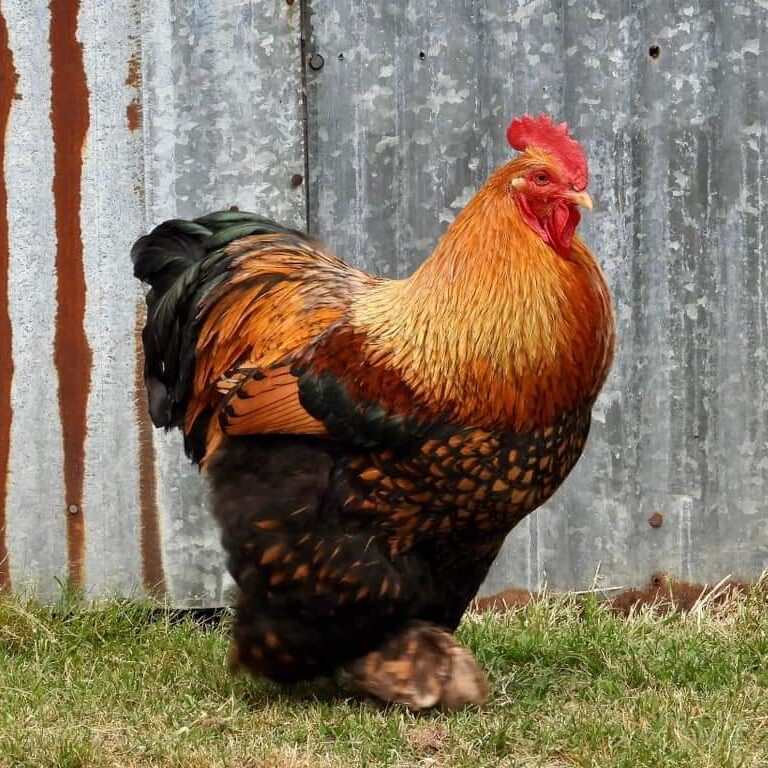
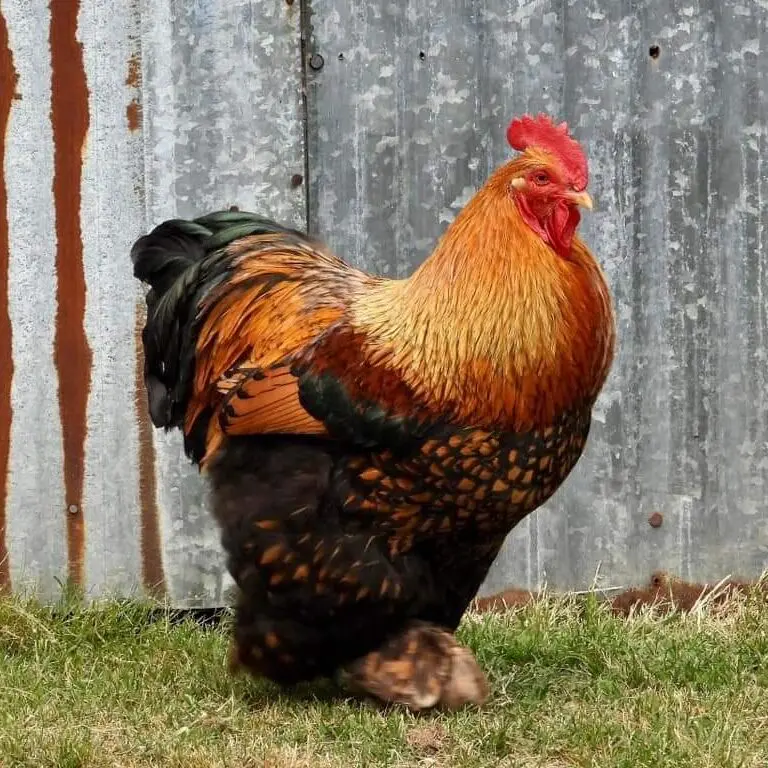
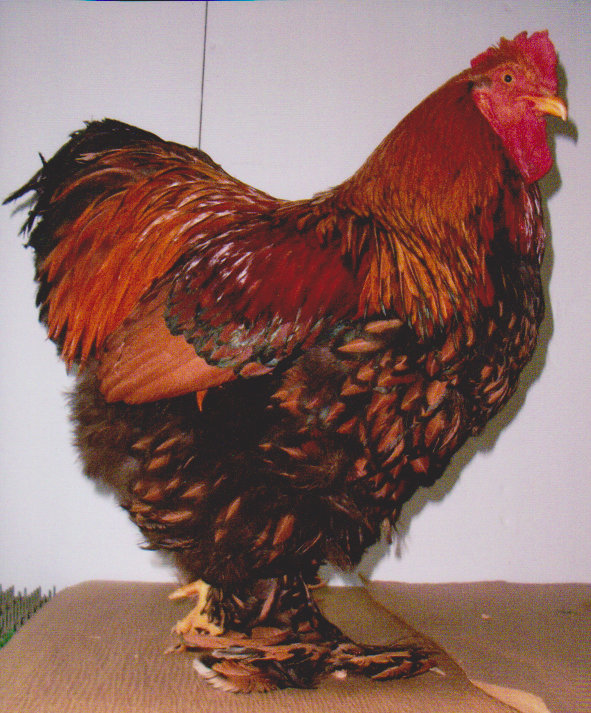
The Golden Laced Cochin Standard Chicken is a rare, beautiful, standard-size Cochin with a large body, soft feathering, feathered legs, and a friendly temperament. If you want a visually striking chicken for your backyard flock, family farm, or ornamental pen, this golden laced variety is a wonderful choice.
Cochins became popular in America during the 1800s because of their impressive size, fluffy feathering, and calm nature. This variety keeps those classic Cochin traits while adding a rich golden-and-black laced feather pattern that is hard to find in standard-size birds.
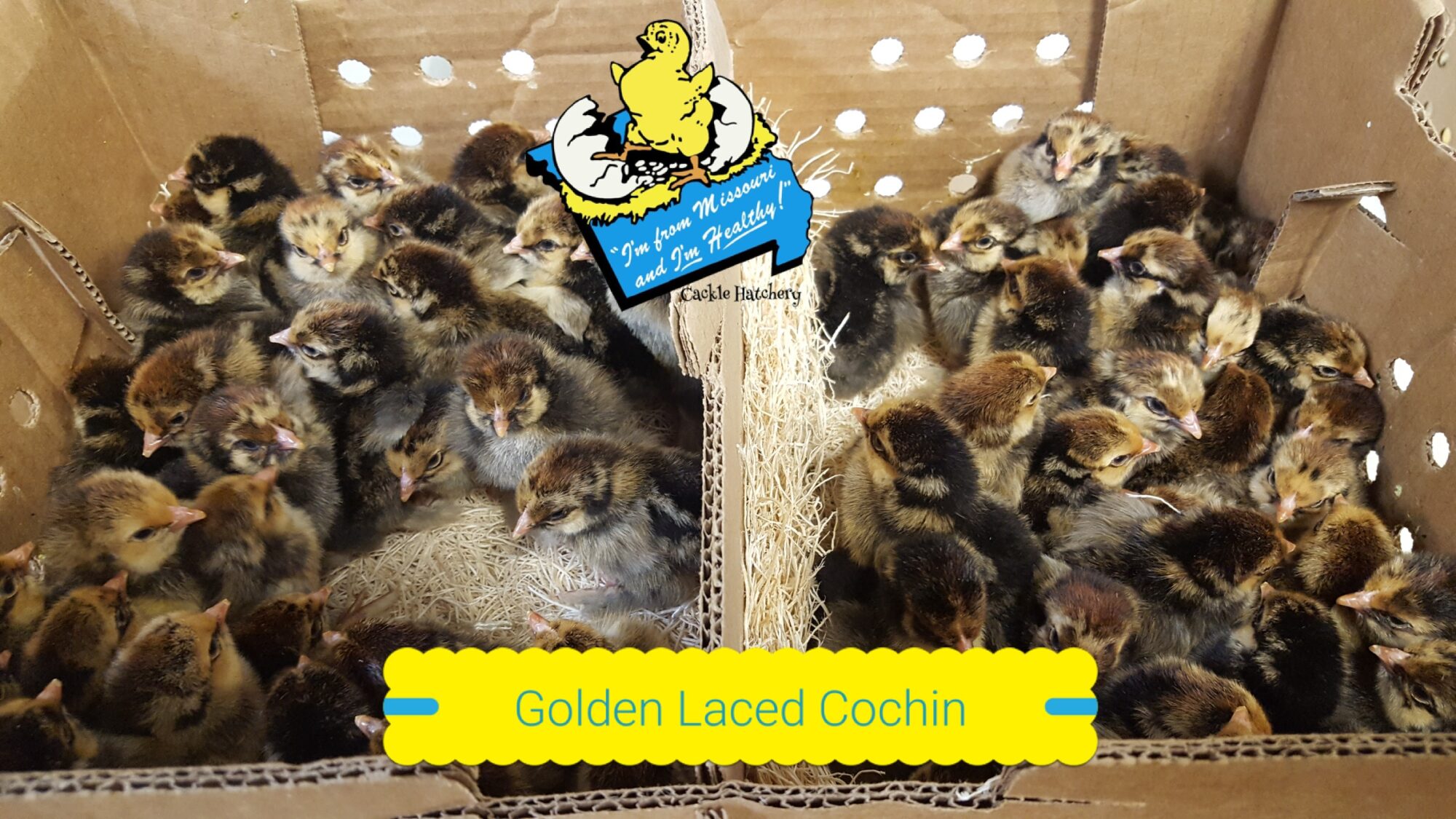
Cackle Hatchery® offers Golden Laced Cochin Standard Chickens as baby chicks. The product page notes that this variety is recognized by the American Standard of Perfection, carries Watch status with The Livestock Conservancy, and comes from Cackle’s breeding farm, which has developed pure color varieties of standard-size Cochins since 1975.
Appearance and Characteristics
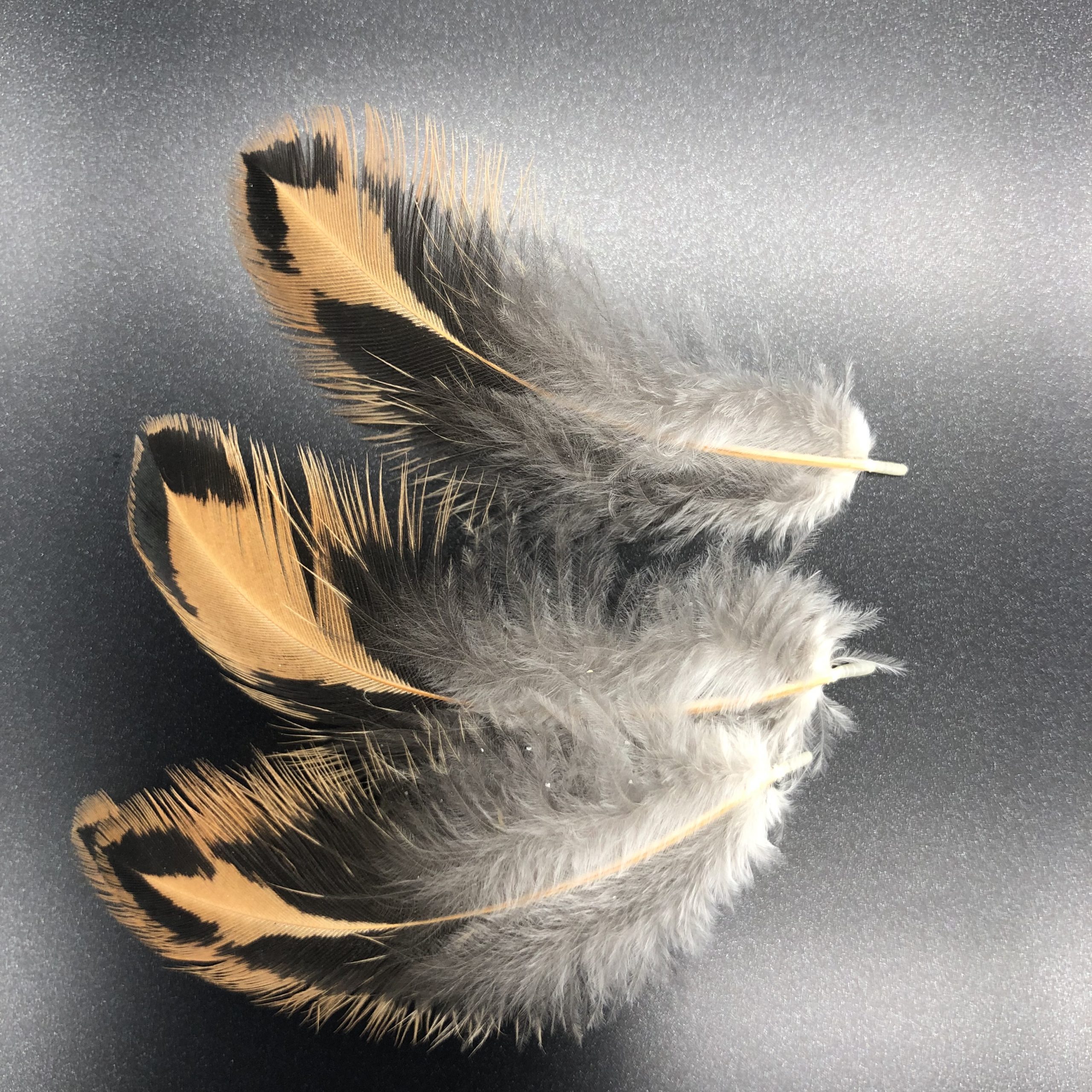
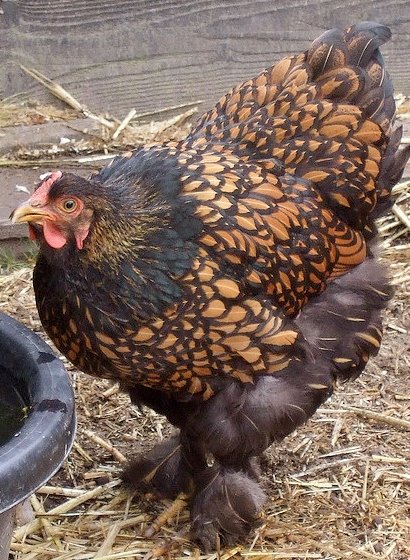
These large feather-legged chickens have soft, full plumage with golden feathers edged in darker lacing. The pattern gives the bird a bold, detailed look that stands out in both backyard flocks and ornamental settings.
Although the bird itself is large, hens generally lay small to medium-sized eggs. That makes this breed better suited for beauty, temperament, broodiness, and farmyard presence than for high egg production.
Because of the feathered legs and feet, dry housing is important. Wet bedding, mud, and snow can collect in the foot feathers, so a clean coop, covered run, and regular foot checks will help keep the birds comfortable.
Rare Golden Laced Color
The golden laced pattern is one of the most difficult Cochin color patterns to maintain. Cackle’s blog Silver Laced and Golden Laced Cochins in the Spotlight explains that Silver and Golden Laced Cochins have some of the rarest and hardest plumage patterns to perfect.
This standard-size color variety is especially hard to find, with very few breeders in the United States working with it. Cackle added new bloodlines from Roland Doerr in 2009 to help maintain size in the flock, which is an important note for customers who care about strong, well-developed birds.
Production Type vs Exhibition Type
Cackle describes this line as more of a production type than a strict exhibition type. That means customers can expect a large, beautiful, useful Cochin, but not necessarily a bird bred only for show-ring perfection.
This production focus also supports practical flock traits. According to the provided product information, hens may begin laying around 6 months of age, while the birds continue maturing and may reach their maximum weight around 18 months.
For customers who want a rare, attractive, friendly chicken with practical backyard value, this balance can be a real advantage.
Golden Laced Cochin Standard vs Golden Laced Cochin Bantam
The standard-size version and the Golden Laced Cochin Bantam Chicken share the same general Cochin charm, feathered legs, and golden laced color pattern. The main difference is size. Cackle’s bantam page lists the miniature version separately for customers who want the same look in a smaller bird.
Choose the standard-size bird if you want more flock presence, larger body size, and a more impressive farmyard appearance. Choose the bantam if you prefer a smaller chicken for a compact coop, bantam flock, or ornamental pen.
Comparing Other Cochin Standard Varieties
This golden laced variety shares the same large body, docile temperament, and feathered feet found in other standard Cochins. The main difference is feather color.
Customers who like Cochins may also want to compare Silver Laced Cochin Standard Chickens, Barred Cochin Standard Chickens, Blue Cochin Standard Chickens, Buff Cochin Standard Chickens, White Cochin Standard Chickens, or the Standard Cochin Surplus Chicken Special if they are flexible on color. Cackle’s surplus listing notes that its breeding farm has developed pure color standard-size Cochin strains since 1975.
Egg Production and Utility
Hens may lay small to medium-sized eggs, but this breed is not meant to be a high-production layer. Most customers choose it for beauty, calm temperament, rare coloring, feathered legs, and classic Cochin personality.
Because this line is more production type than exhibition type, it may begin laying earlier than slower-developing show-focused lines. Even so, customers who want a full egg basket should consider a dedicated laying breed instead.
This bird is best for customers who want a gentle, rare, ornamental chicken that still brings useful backyard value.
Temperament and Suitability
Cochins are known for being docile, soft-natured, and friendly. This variety is a good fit for backyard flocks, family farms, ornamental coops, and customers who want a large chicken that is easy to enjoy.
The calm temperament makes them a nice choice for families, especially when children are taught to handle chickens gently and respectfully. Their size and heavy feathering also make them less flighty than many lighter breeds.
Provide clean water, balanced feed, predator protection, shade in hot weather, and dry bedding. Because these birds are large and heavily feathered, they also need enough space to move comfortably.
Feathered Feet Care
Feathered legs and feet are one of the most recognizable Cochin traits. They add beauty, but they also require practical care.
Keep bedding dry, avoid muddy runs when possible, and check the feet during wet or snowy weather. Packed mud, ice, or debris can collect in the feathers. Low roosts can also help large Cochins get on and off the perch safely.
For general chick and flock care, Cackle’s Chicken Care Instructions page is a helpful internal resource.
Show and Ornamental Value
This rare Cochin color variety has strong ornamental appeal because of its size, feathered legs, and detailed laced feather pattern. It can be a striking addition to a show-minded flock, especially for customers who appreciate rare colors.
However, the product copy should be clear that Cackle’s line is more production type than exhibition type. That wording helps customers understand the difference between a beautiful, useful standard Cochin and a bird bred only for strict show standards.
Is This Breed Right for Your Flock?
Choose this variety if you want:
A large standard-size Cochin
A rare golden laced color pattern
A friendly backyard chicken
A docile family farm bird
A feather-legged chicken
A visually striking ornamental breed
A production-type Cochin with practical value
A bird that may begin laying around 6 months
A bantam version to compare
A surplus Cochin option to compare
Overall, this is a great choice if you want a rare, beautiful, large chicken with a calm temperament and strong visual appeal. It is not the best choice for maximum egg production, but it is excellent for customers who want ornamental value, friendly personality, and classic Cochin charm.
Customers still comparing breeds can use Cackle’s baby chicks for sale, rare chicken breeds for sale, Chicken Breed Selector, or Chicken Breeds List Comparison Chart. Cackle’s rare breed category highlights hard-to-find and heritage-style poultry options.
Breed History and Preservation
Cochins helped shape the early poultry fancy movement in America. Their large size, abundant feathering, feathered legs, and gentle personalities made them stand out from many other breeds.
The golden laced color is especially notable because it is rare and difficult to perfect. Cackle’s dedicated blog post on Silver and Golden Laced Cochins is a strong internal resource for customers who want to learn more about these color patterns.
Cackle Hatchery® added Roland Doerr bloodlines to this flock in 2009 to help maintain size. Today, this variety remains a valuable option for customers who want a rare standard-size Cochin with beauty, size, and a friendly temperament.
Recognition and Availability
Cackle Hatchery® sells Golden Laced Cochin Standard Chickens as baby chicks. Availability changes by hatch date and season, so customers should check the product page and Cackle’s Availability Chart before planning an order.
Customers who like this breed may also want to compare the miniature Golden Laced Cochin Bantam Chicken or the Standard Cochin Surplus Chicken Special.
Related Breeds and Helpful Cackle Hatchery® Resources
If you like this variety, you may also want to compare Golden Laced Cochin Bantam Chickens, Standard Cochin Surplus Chicken Special, Silver Laced Cochin Standard Chickens, Barred Cochin Standard Chickens, Blue Cochin Standard Chickens, Buff Cochin Standard Chickens, and White Cochin Standard Chickens.
Helpful Cackle resources include Silver Laced and Golden Laced Cochins in the Spotlight, baby chicks for sale, rare chicken breeds for sale, Chicken Breed Selector, Chicken Breeds List Comparison Chart, Chicken Care Instructions, and Availability Chart.
FAQ: Golden Laced Cochin Standard Chicken
What is a Golden Laced Cochin Standard Chicken?
It is a large, docile, feather-legged Cochin with golden feathers edged in dark lacing. Customers often choose it for beauty, temperament, and rare color.
Is this Cochin variety rare?
Yes. The golden laced color is very hard to find in standard-size Cochins, and only a limited number of breeders in the United States work with this variety.
What does this chicken look like?
It has a large fluffy body, feathered legs and feet, and golden plumage with dark lacing.
Does this breed have feathered feet?
Yes. Like other Cochins, it has feathered legs and feet.
Is this variety friendly?
Yes. Cochins are known for being docile and friendly, which makes them enjoyable for backyard flocks and family farms.
Is it good around children?
Yes, with normal supervision and gentle handling. Its calm temperament can make it a good choice for families.
What color eggs do the hens lay?
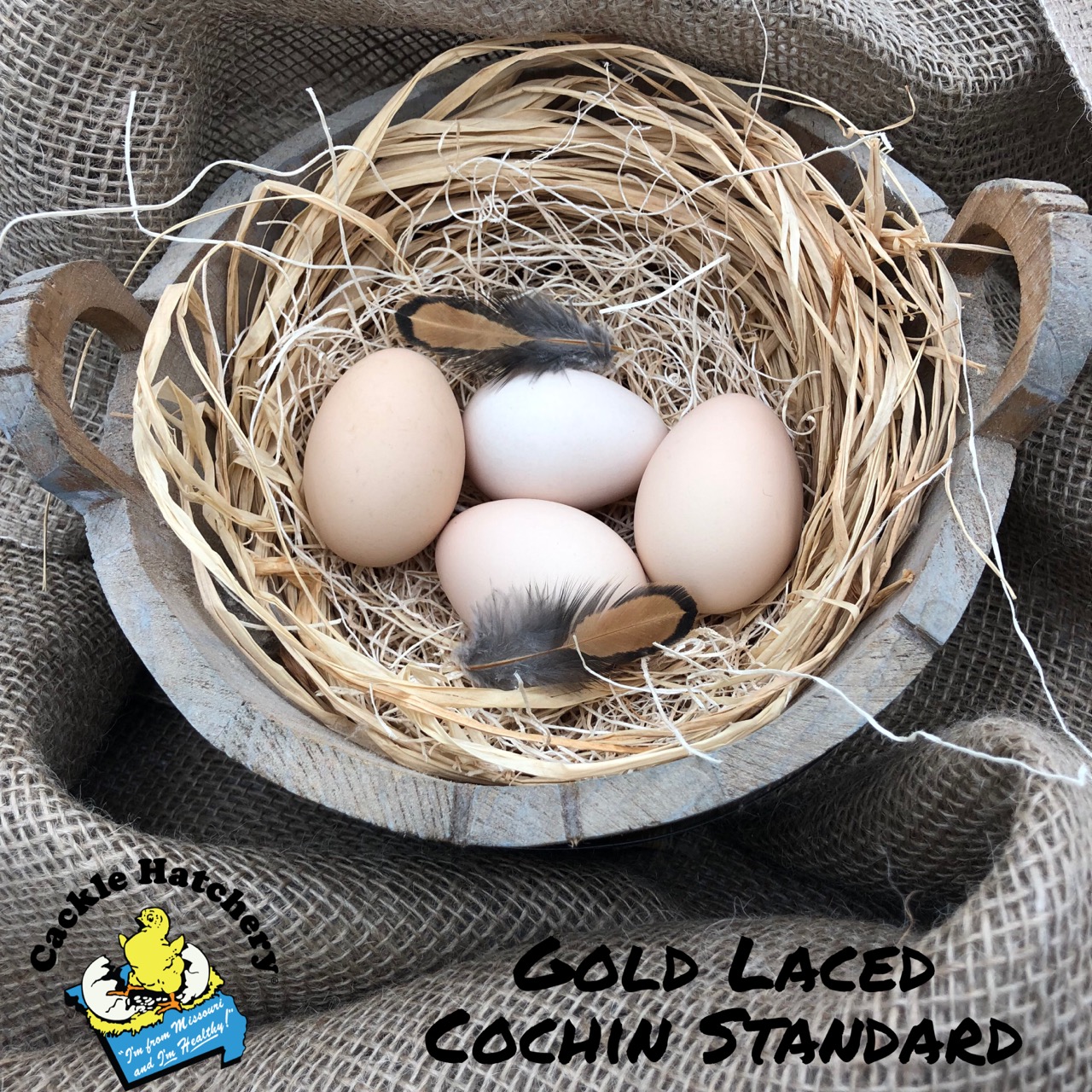
Hens generally lay small to medium-sized eggs.
Is this a good egg-laying breed?
It can lay eggs, but it is not a high-production layer. Most customers choose it for temperament, beauty, size, feathered legs, and rare color.
When do hens start laying?
According to the provided product information, Cackle’s production-type line may begin laying around 6 months of age, depending on management, season, and individual development.
When do the birds reach full size?
The provided product information notes that they may reach maximum weight around 18 months of age.
Is this line production type or exhibition type?
Cackle describes it as more of a production type than an exhibition type.
Is it good for showing?
It has strong ornamental and show appeal because of its size, feathered legs, and rare laced color. However, customers should understand that Cackle describes this line as more production type than exhibition type.
Is this breed good for beginners?
Yes, it can work well for beginners who want a calm, large chicken. Beginners should be ready to manage feathered feet, large body size, and dry housing needs.
Does it need special care?
It needs the same basic care as other chickens, plus extra attention to feathered feet. Keep bedding dry, avoid muddy runs, and check feet during wet or snowy weather.
What is the difference between the standard and bantam versions?
The standard version is the large bird. The bantam version has the same general feather-legged look and golden laced color pattern in a smaller size.
Did Cackle Hatchery® add new bloodline to this flock?
Yes. Cackle added new bloodlines from Roland Doerr in 2009 to help maintain size.
Does Cackle Hatchery® sell this variety as baby chicks?
Yes. Cackle sells Golden Laced Cochin Standard Chickens as baby chicks.
Where can I check availability?
Check Cackle Hatchery’s Availability Chart and the product page for current hatch and shipping options.
Ordering Information
Check the current price, stock status and selectable options displayed on this page. Read the product information and applicable policies before adding this item to your cart.
Related Products
Related products


