
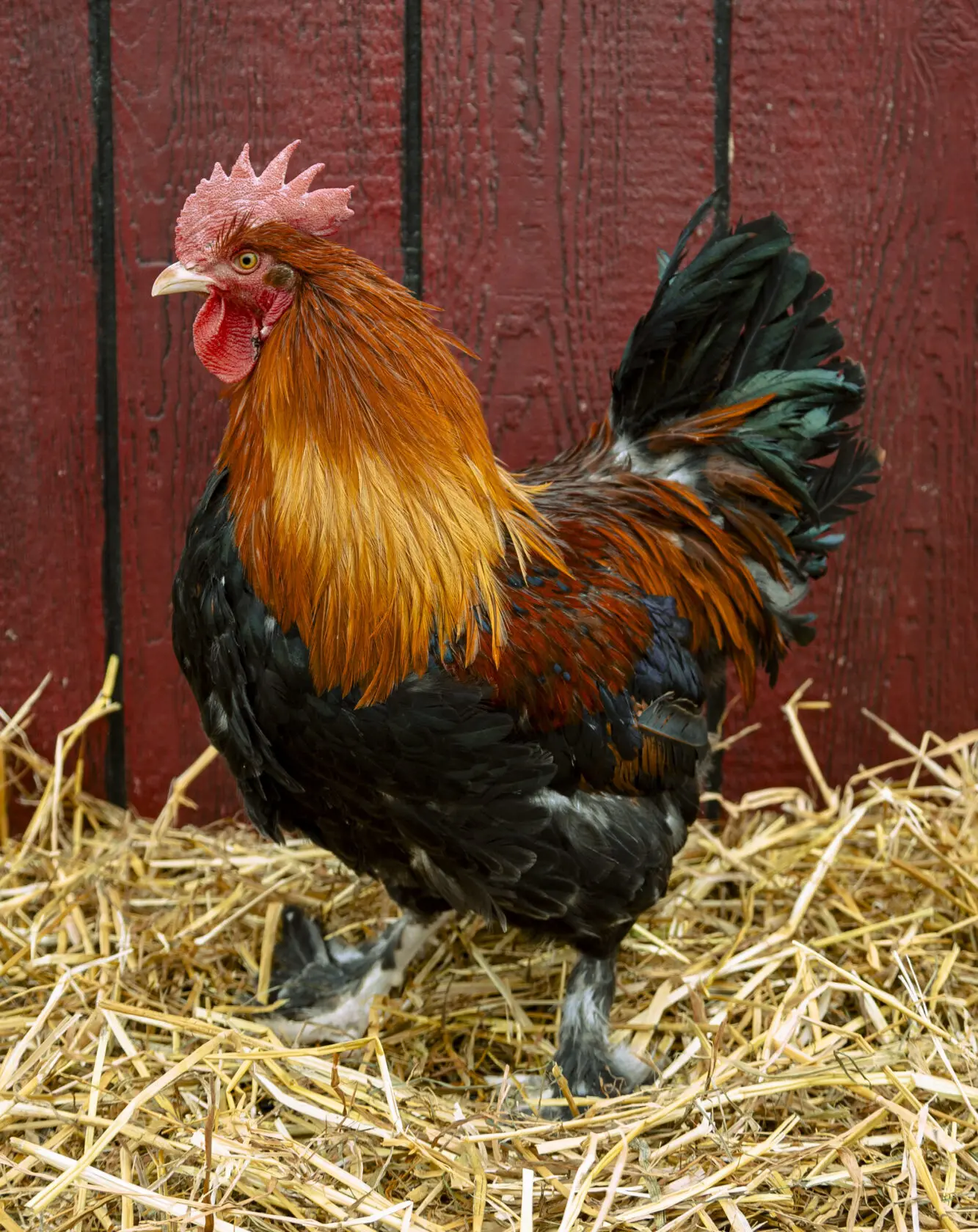
Buy French Black Marans Chicken Online
Buy french black marans chicken online from cackle hatchery. Compare the bird or breed details, available options, current availability and delivery conditions before ordering.
French Black Marans Chicken
Breed Facts
- Poultry Show Class: Continental Class
- Weights: Hen—–6 1/2 lbs
Rooster——8 lbs
Pullet—5 1/2 lbs
Cockerel—–7 lbs - Purpose and Type: Primary production, Egg Laying & Pet/Secondary meat source
- Egg Shell Color: Dark Brown #5 to #8 Range
- Egg Production: 200+ eggs per year (estimates only, see FAQ)
- Egg Size: Large
- Temperament: Docile
- Gender Accuracy: 75-80%
- Fertility Percentage: 55-70%
- Broody: Setter
- Mating Ratio: 8 Females to 1 Male
- Roost Height: 2 to 4 feet
- Country of Origin: France
- APA: Yes, Recognized by the American Standard of Perfection in 2020
- TLC: Not Listed
- Breeder Farm Source: Cackle Hatchery® Poultry Breeding Farm has been developing our bloodline/strain of pure Black Marans chicken since 2012.
French Black Marans
Breed Overview and Origin
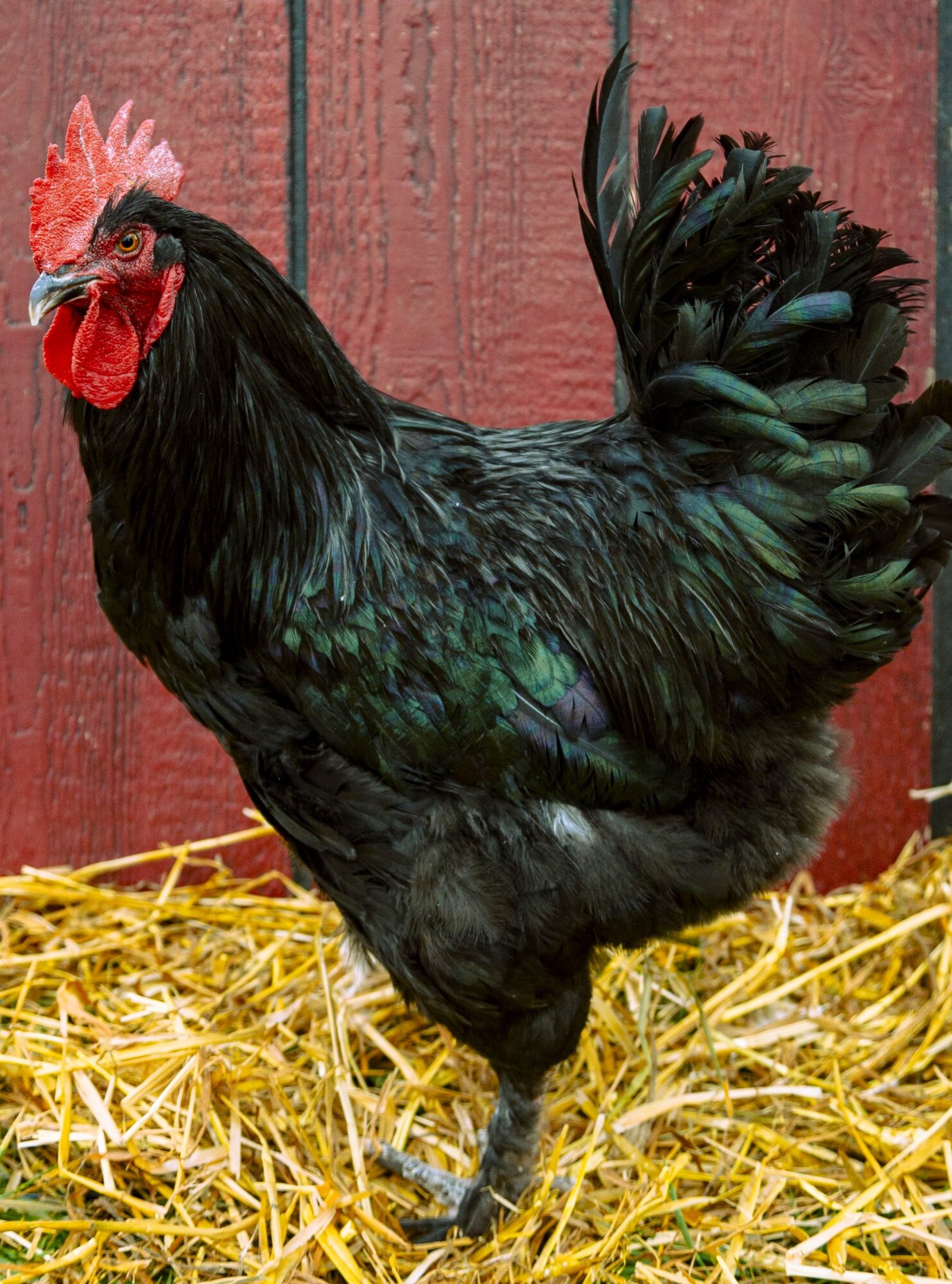
The French Black Marans chicken is a rare dark egg layer with rich black plumage and a calm, useful nature. If you want a bird that brings both beauty and deep chocolate-brown eggs to the flock, this French variety is a good one to consider.
Marans chickens originated near the port town of Marans, France. French poultry breeders worked with the breed for dark eggs, quick maturity, meat quality, and useful farm value. Cackle Hatchery’s article on English Marans or French Marans Chicken? explains that French Marans keep lightly feathered legs, while English breeders preferred clean-legged birds.
French Black Marans are not as common in the United States as many backyard breeds. Because import limits reduced the number of Marans brought into the country, this variety still feels special in a flock. If you want dark eggs and a rare French-type bird, this one deserves a close look.
Appearance and Characteristics
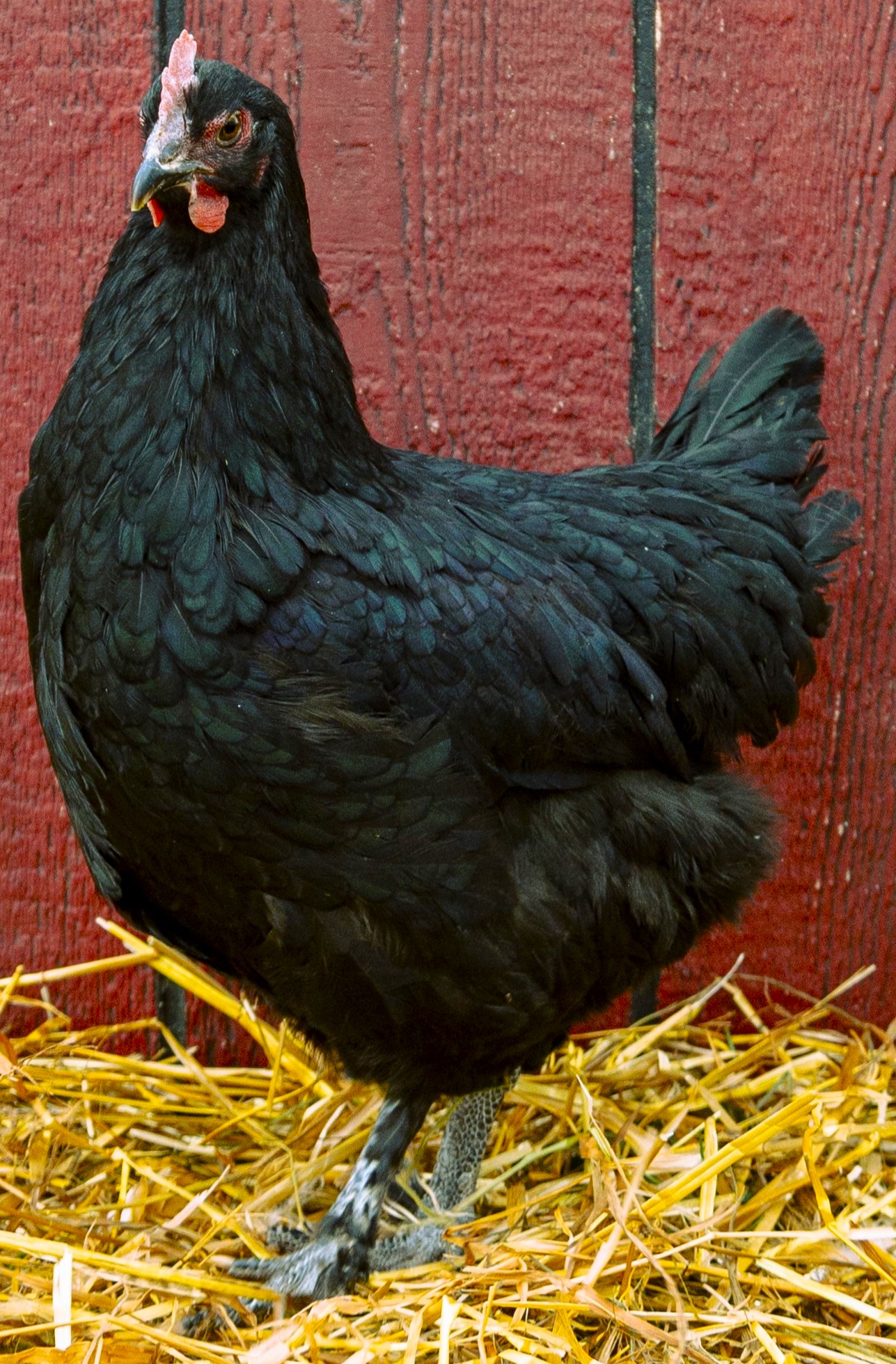
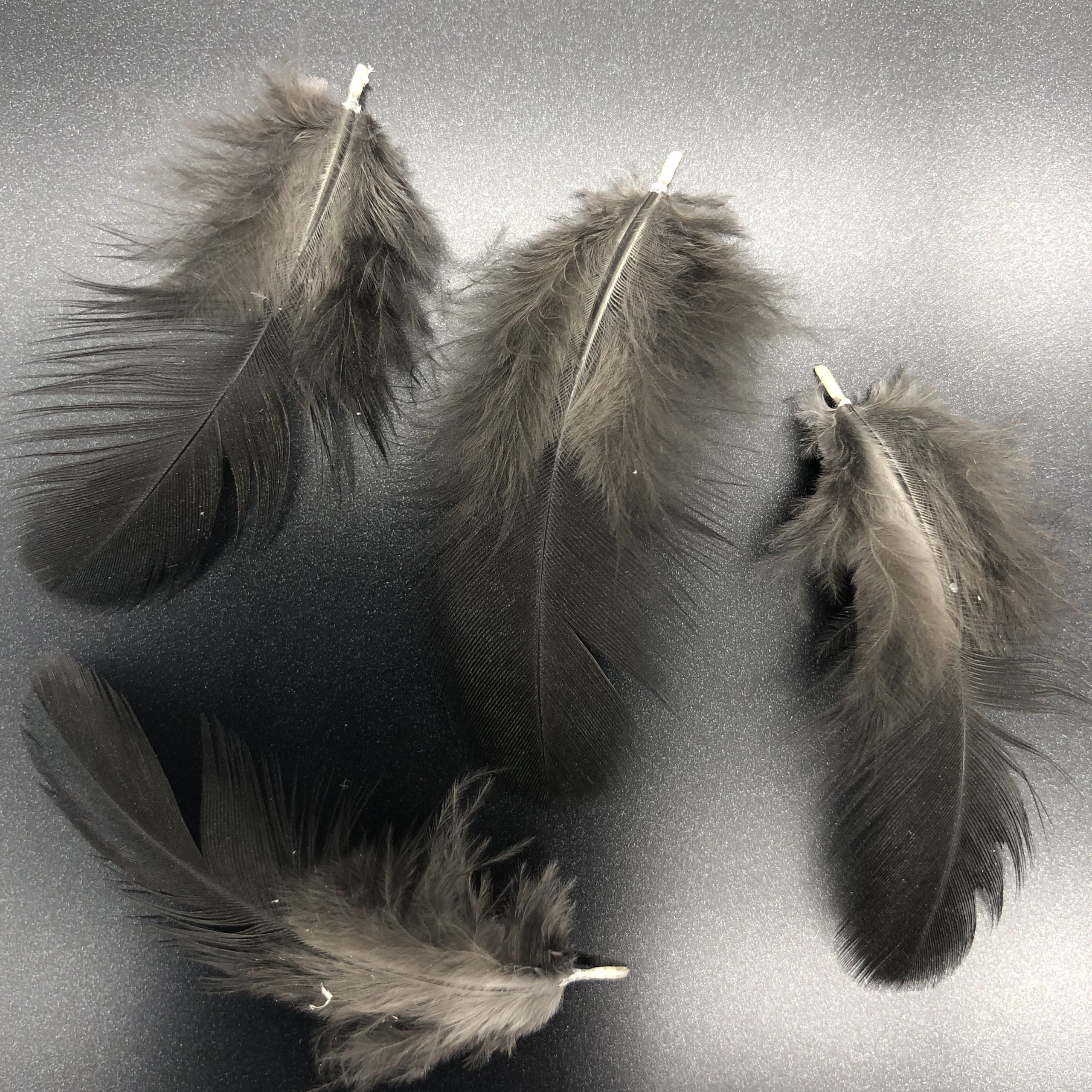
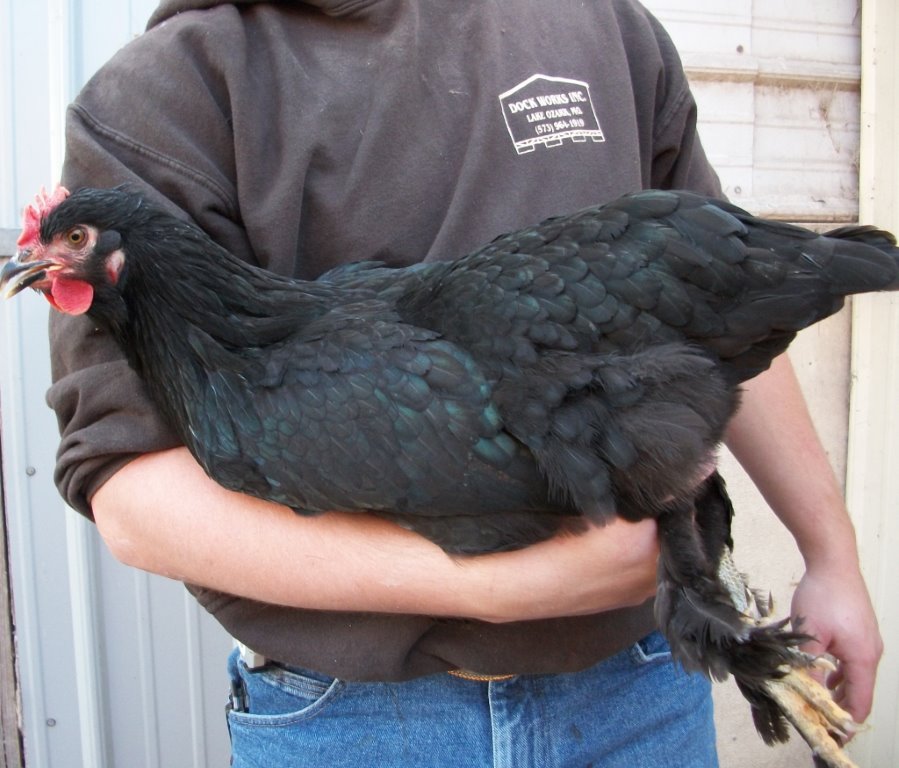
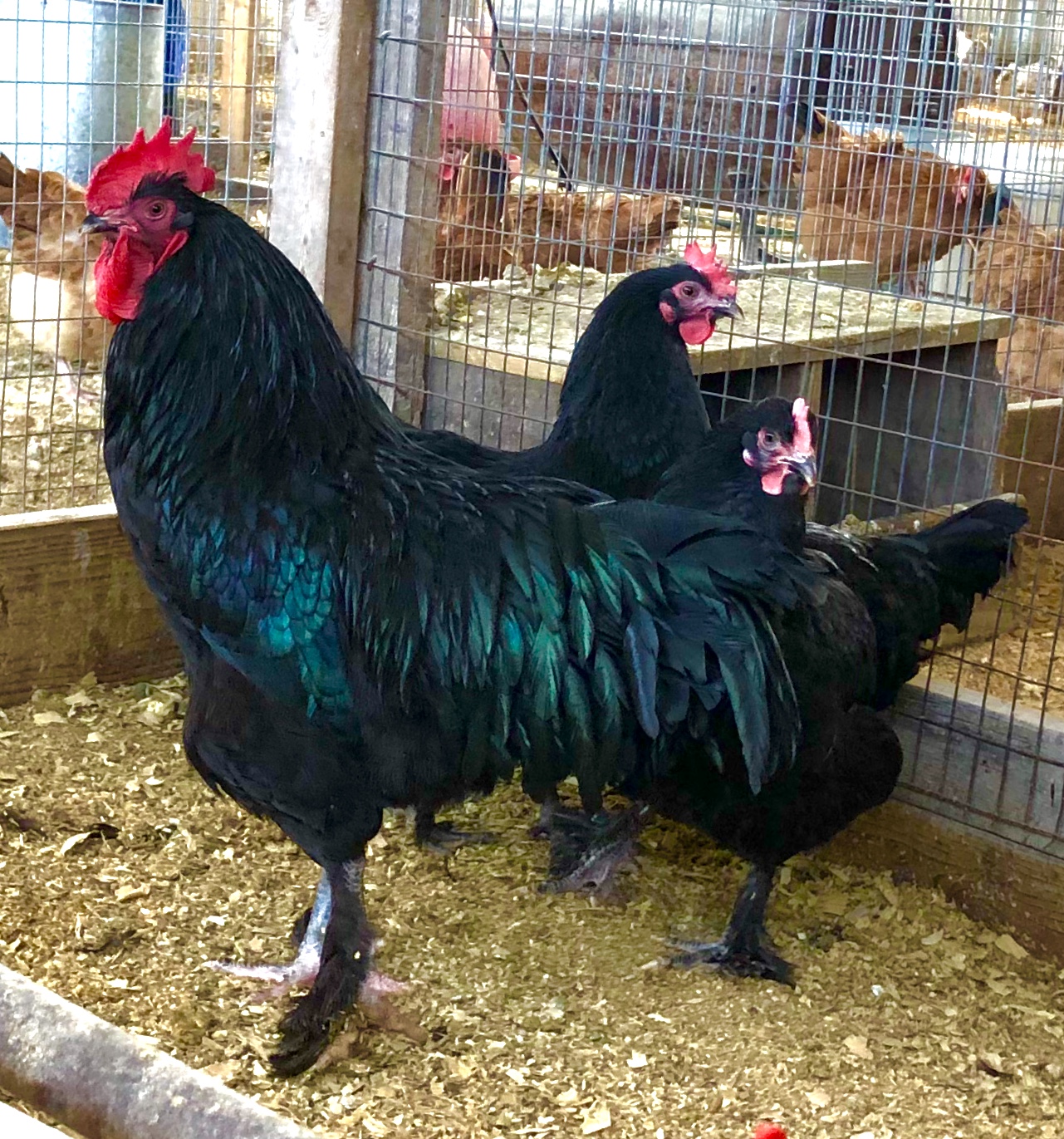
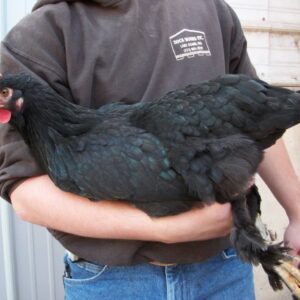
French Black Marans have rich black feathers that give them a clean, elegant look. The dark plumage also helps separate them from sister Marans varieties such as French Black Copper Marans, French Cuckoo Marans, and French Black Tailed Red Marans.
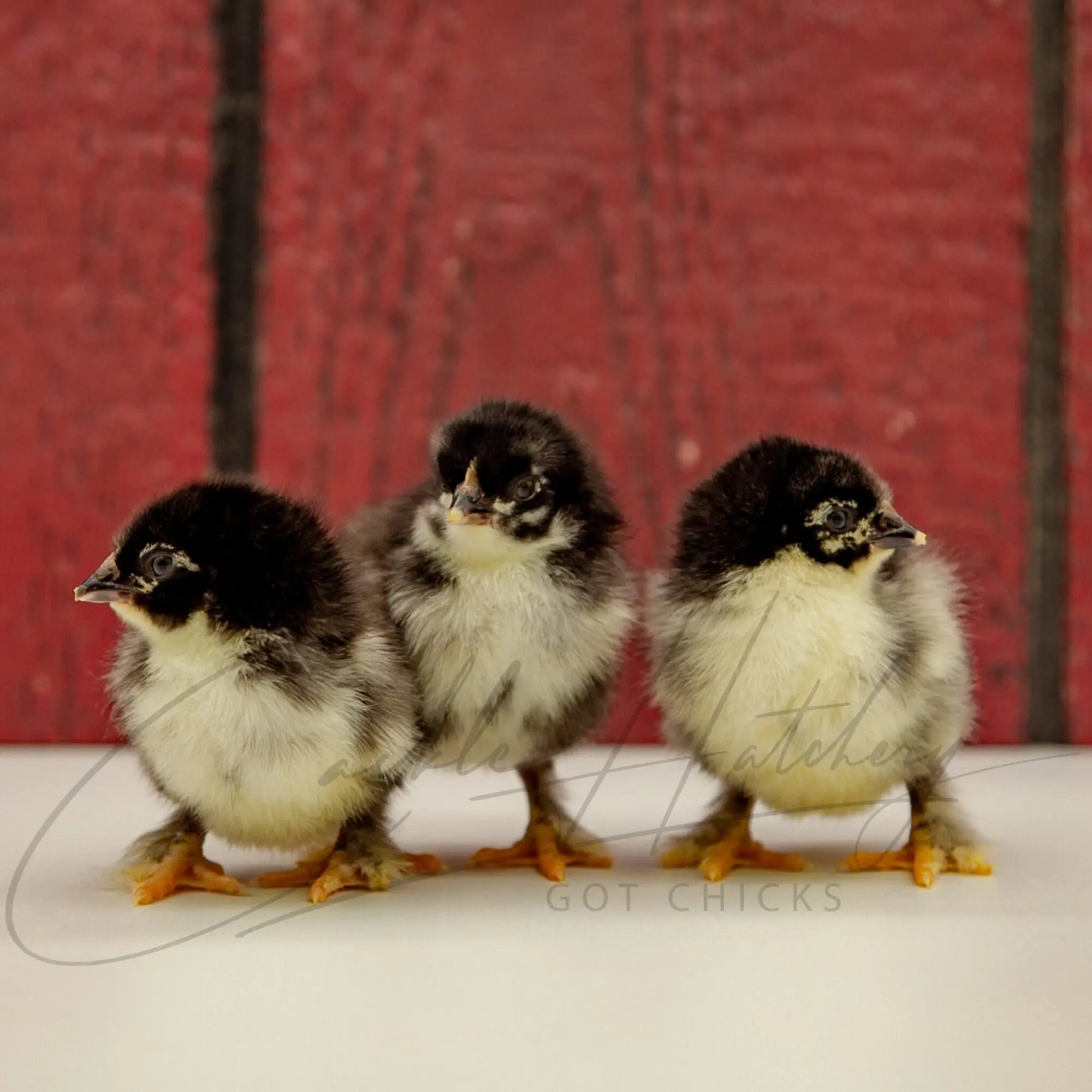
Young birds may show some white feathers during their first and second feathering stages. That is normal. By around 6 months of age, they should feather out with solid black adult plumage.
This variety has the French Marans type, including lightly feathered legs. Because of that, it helps to keep the coop and run dry, especially during wet or snowy weather. Mud and damp bedding can be harder on feather-legged birds.
French Black Marans vs French Black Copper Marans
French Black Marans and French Black Copper Marans both belong to the Marans family, and both can lay dark brown eggs. The main difference is feather color.
Choose French Black Marans if you want a mostly solid black bird. Choose French Black Copper Marans if you prefer black plumage with copper highlights around the neck and hackle areas. Cackle lists both varieties with dark brown egg shell color in the #5 to #8 range on the French Marans egg color chart.
Both are good options if your goal is a rare French Marans with dark eggs. Your choice may simply come down to feather color, availability, and the look you want in the flock.
French Marans vs English Marans: Why It Matters
The main difference is leg feathering.
French Marans have lightly feathered legs. English Marans are usually clean-legged because British breeders selected that way after importing the breed. Cackle’s Marans comparison article explains that French poultry enthusiasts standardized the breed as a dual-purpose chicken with dark egg shells, quick maturity, and good meat quality.
So, if you want the French type, expect some leg feathering. If you prefer cleaner legs for muddy yards, compare English-type or production-type Marans options such as Cuckoo Marans.
Egg Production and Utility
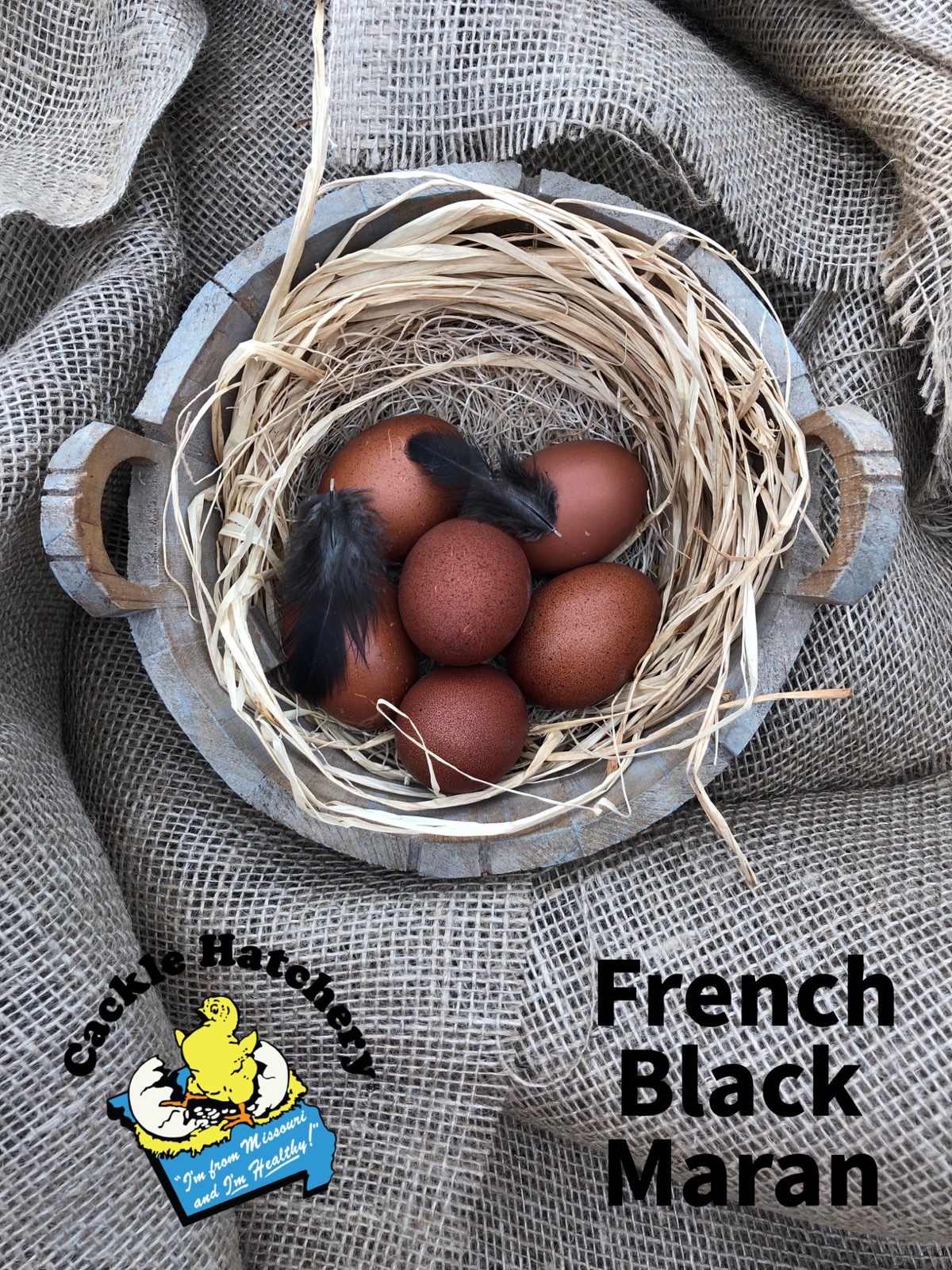
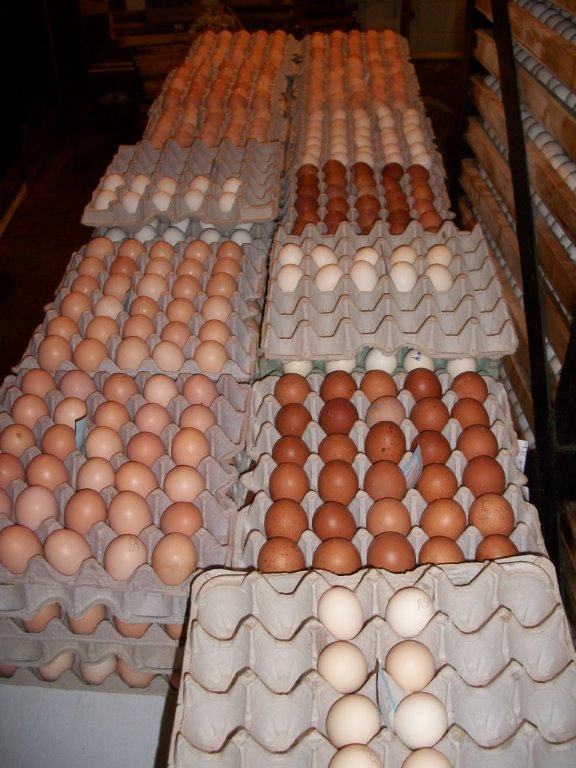
French Black Marans are best known for dark brown eggs. The egg shells can range from deep brown to chocolate brown, and some eggs may show darker speckles or pigment. Marans shell color can also shift through the laying cycle, so a hen may lay darker eggs at one point and lighter eggs later.
Cackle lists French Black Marans egg shell color in the #5 to #8 range on the French Marans egg color chart. The breed facts also list large eggs and estimated production of 200+ eggs per year, though actual laying can vary with age, daylight, feed, stress, weather, housing, and flock care.
These birds also have meat value. They are not fast commercial meat chickens, but they carry enough body size to fit the dual-purpose Marans background.
If you enjoy hatching projects, French Black Marans Fertile Hatching Eggs may be available seasonally. Cackle’s hatching egg page notes that these eggs ship seasonally from mid-February through June 6 when available.
Temperament and Suitability
French Black Marans are generally docile birds. That makes them a good fit if you want rare dark egg layers that still behave like manageable backyard chickens.
They can work well in backyard coops, homesteads, and dark egg layer projects. Give them clean water, balanced feed, dry bedding, predator protection, and enough room to move. Because they have feathered legs, pay extra attention during muddy or snowy weather.
Sexing this breed can be harder than sexing many other chicks. Most breeds average around 90% sexing accuracy, but French Marans have a lower sexing guarantee because vent sexing is more difficult with this breed group. Cackle lists French Black Marans gender accuracy at 75–80%.
Is the French Black Marans Right for Your Flock?
Choose French Black Marans if you want:
A rare French chicken
A dark chocolate-brown egg layer
A mostly solid black Marans variety
A docile backyard bird
A feather-legged French type
A dual-purpose chicken for eggs and meat
A bird for a colorful egg basket
A hatching egg option when available
Overall, this is a good choice if you care about egg color, rarity, and calm flock behavior. It may not be the best fit if you want the highest egg count possible or the easiest breed to sex as chicks. However, if dark eggs are the goal, French Black Marans are worth considering.
If you are still comparing breeds, the Chicken Breed Selector and Chicken Breeds List Comparison Chart can help you sort birds by egg color, size, purpose, and flock needs.
Breed History and Preservation
Marans chickens began in western France near the port town of Marans. Farmers wanted useful birds that could provide meat and lay unusually dark eggs. Over time, the breed became famous for shells that range from chocolate brown to nearly black in the darkest lines.
French breeders kept feathered legs as part of the breed type. Later, English breeders selected clean-legged birds, which created the main difference people now discuss when comparing French and English Marans.
In the United States, French Marans remain less common than many standard backyard breeds. Cackle has developed its pure Black Marans bloodline since 2012, and limited quantities can make planning ahead important.
Recognition and Availability
The American Poultry Association recognizes French Black Marans in the Continental class. Cackle lists the variety as APA recognized in 2020.
You can choose French Black Marans chicks when they are available. If you prefer hatching, French Black Marans Fertile Hatching Eggs may be available seasonally.
You may also want to compare Dark Brown Egg Pullet Surplus or French Marans Pullet Surplus when those options fit your flock plans.
Before you plan your order, check the Availability Chart for current hatch and shipping options.
Related Breeds and Helpful Cackle Hatchery® Resources
If you like French Black Marans, you may also want to compare French Black Copper Marans, French Cuckoo Marans, Cuckoo Marans, French Black Tailed Red Marans, and other dark brown egg layers. Cackle’s French Black Tailed Red Marans page, for example, lists that variety with a #7 to #9 egg shell color range, which makes it another strong option for dark egg projects.
For Marans background, read English Marans or French Marans Chicken?. For hatching projects, browse hatching eggs for sale. Cackle notes that hatchability after shipping can vary because shipping and temperature changes are outside the hatchery’s control.
FAQ: French Black Marans Chicken
What is a French Black Marans chicken?
A French Black Marans is a rare French chicken known for rich black feathers, lightly feathered legs, docile temperament, and dark chocolate-brown eggs.
Where did French Black Marans originate?
Marans chickens originated near the port town of Marans, France. Farmers and breeders valued them for dark eggs, useful body size, and practical farm value.
What color eggs do French Black Marans lay?
They lay dark brown eggs. Cackle lists French Black Marans egg shell color in the #5 to #8 range on the French Marans egg color chart.
Are French Black Marans good egg layers?
Yes, they can be good layers for a dark egg breed. Cackle estimates 200+ eggs per year, but actual production depends on age, feed, daylight, weather, and flock care.
Do French Black Marans have feathered legs?
Yes. French Marans have lightly feathered legs. English Marans are usually clean-legged.
Are French Black Marans friendly?
They are generally docile. That makes them a good choice if you want rare dark egg layers with manageable flock behavior.
Are French Black Marans rare?
Yes. They are not as common in the United States as many standard backyard breeds, and limited quantities may be available each season.
Are French Black Marans good for meat?
Yes. Marans are dual-purpose chickens, so they carry useful body size for meat as well as eggs.
Why do young French Black Marans have white feathers?
Some chicks and juveniles may show white feathers during early feathering stages. By about 6 months, they should grow into solid black adult plumage.
What is the sexing accuracy for French Marans?
French Marans can be harder to sex than many breeds. Cackle lists French Black Marans gender accuracy at 75–80%.
What is the difference between French Black Marans and French Black Copper Marans?
French Black Marans are mostly solid black. French Black Copper Marans have black plumage with copper highlights around the neck and hackle areas.
Can I order French Black Marans hatching eggs?
Yes. French Black Marans Fertile Hatching Eggs may be available seasonally.
Are French Black Marans APA recognized?
Yes. Cackle lists French Black Marans as APA recognized in 2020 and placed in the Continental class.
Where can I check chick availability?
Check the Availability Chart for current hatch and shipping options.
Ordering Information
Check the current price, stock status and selectable options displayed on this page. Read the product information and applicable policies before adding this item to your cart.
Related Products
Related products