





Buff Brahma Bantam
Breed Facts
- Poultry Show Class: Feather Legged Bantam
- Weights: Hen ——-34 oz Rooster—-38 oz
- Pullet——30 oz Cockerel—34 oz
- Purpose: Exhibition and Ornamental
- Egg Shell Color: Brown Bantam Sized Egg
- Egg Production: Good
- Egg Size: Small
- Temperament: Active
- Fertility Percentage: 40-55%
- Broody: Setters
- Mating Ratio: 6 Females to 1 Male
- Roost Height: 0 to 2 feet
- Country of Origin: Asia
- APA: Yes, Recognized by the Standard of Perfection in 1946
- TLC: No
- Breeder Farm Source: Cackle Hatchery® Poultry Breeding Farm has been developing our bloodline or strain of pure Buff Brahma Bantam Chicken breed since 1978.
Buff Brahma Bantam Chicken
Breed Overview and Origin
The Buff Brahma Bantam chicken is the miniature version of the large Buff Brahma, with the same gentle personality, feathered feet, pea comb, and handsome buff-and-black coloring in a smaller package. If you like Brahmas but want a bird that takes up less room, this bantam is a great choice.
Brahmas belong to the Asiatic class and have long been known for their size, calm nature, feathered legs, and cold-weather ability. The bantam version keeps the Brahma look and temperament but comes in a smaller, easier-to-manage size. Cackle Hatchery® lists bantams as miniature chickens that can be about one-third to one-fifth the size of standard chickens, and notes that bantams are popular for pets, showing, broody hens, and small backyard spaces.
The Buff Brahma Bantam was admitted to the American Poultry Association Standard of Perfection in 1946. It remains a favorite for customers who want a friendly, tame, feather-legged bantam that can look good in the show pen and still be enjoyable in the backyard.
Appearance and Characteristics
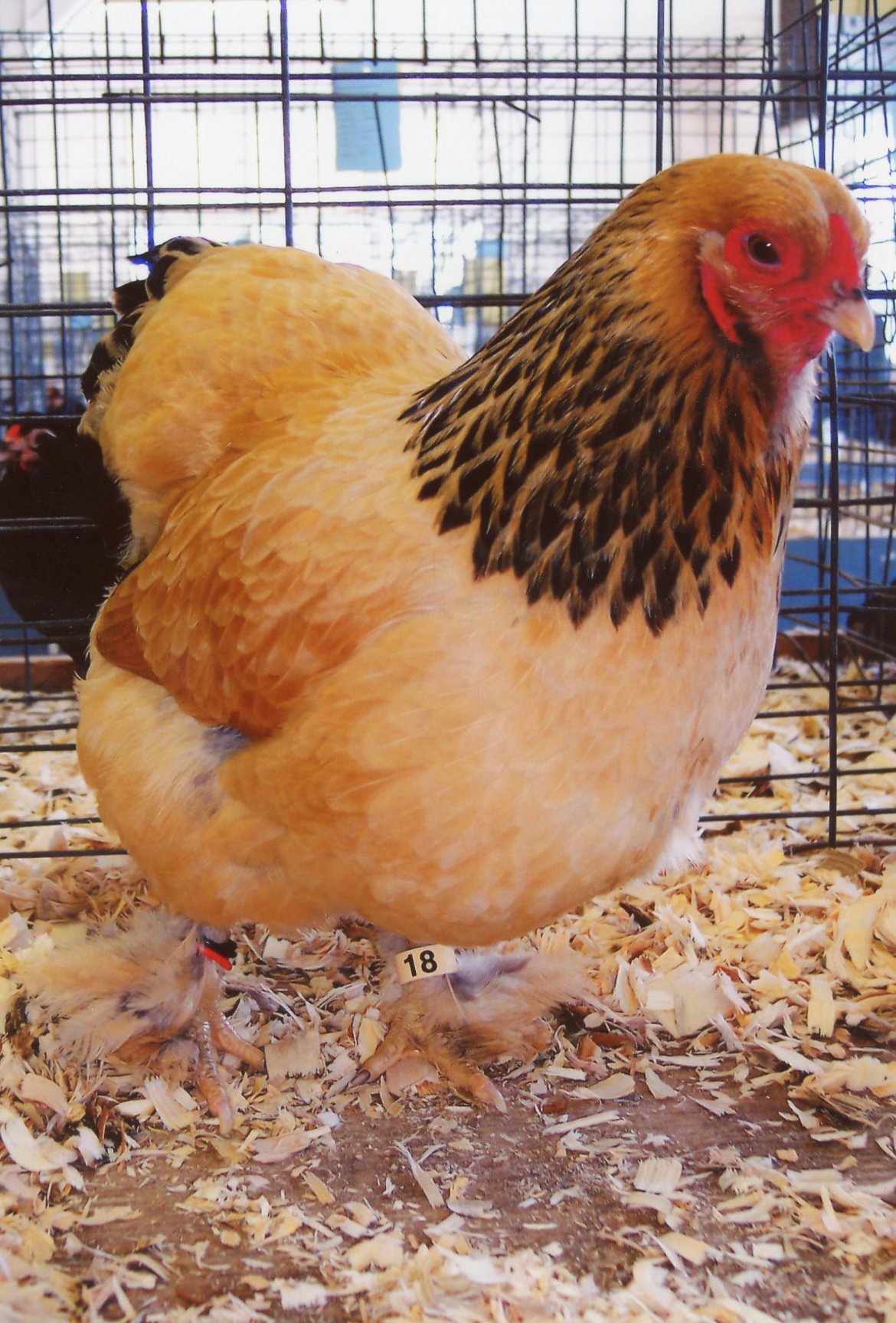
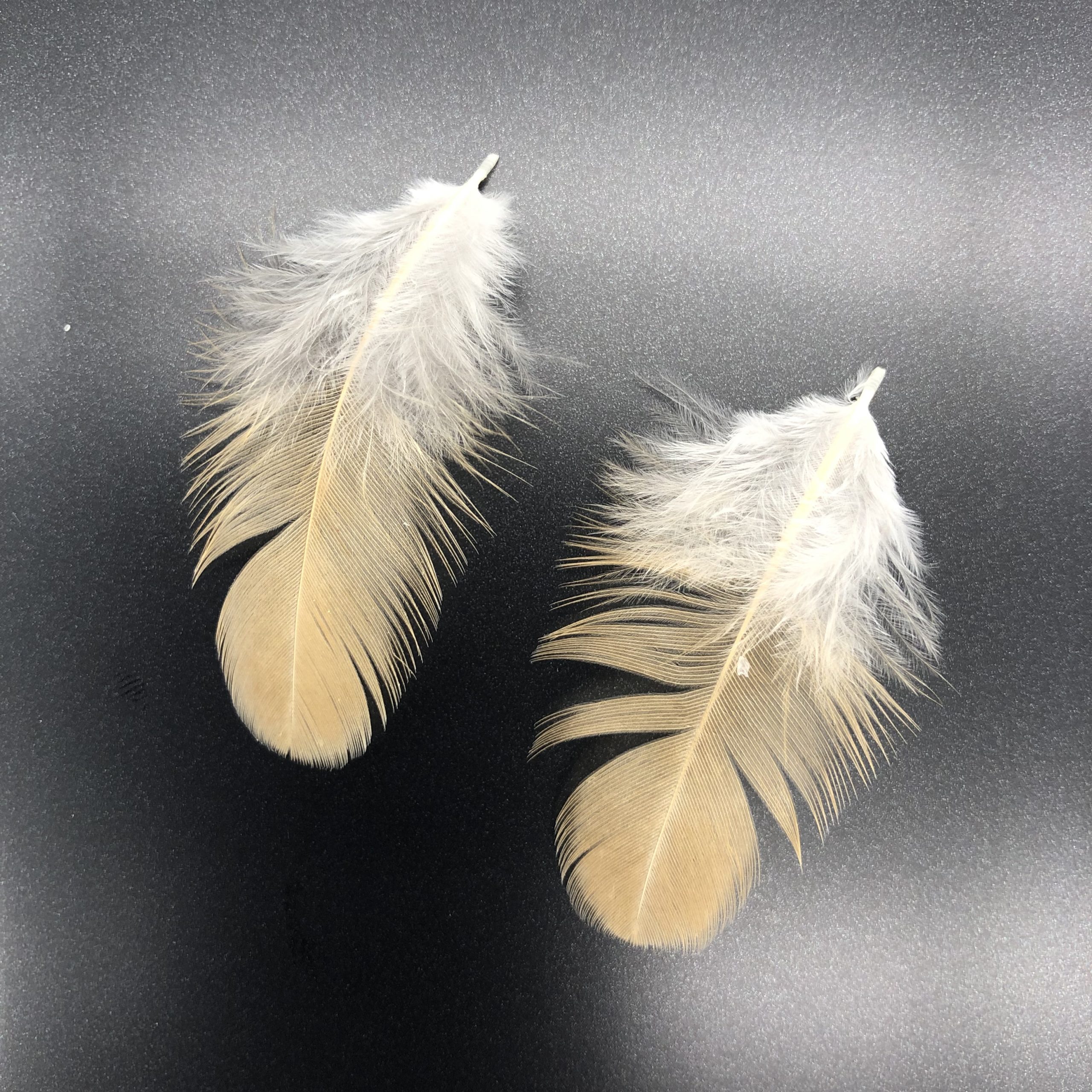
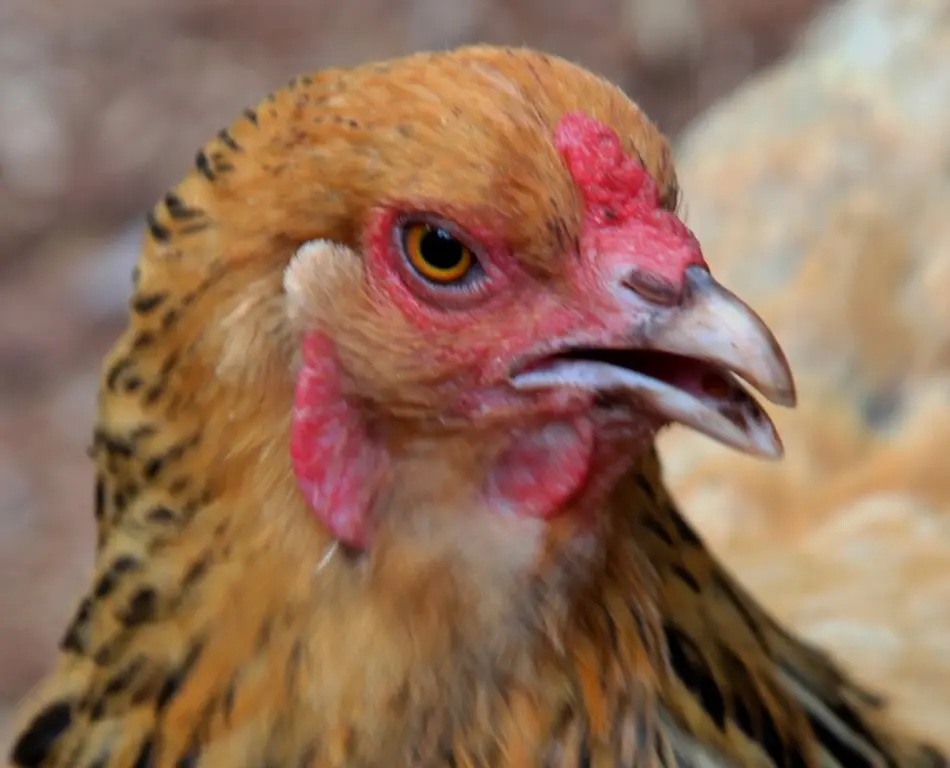
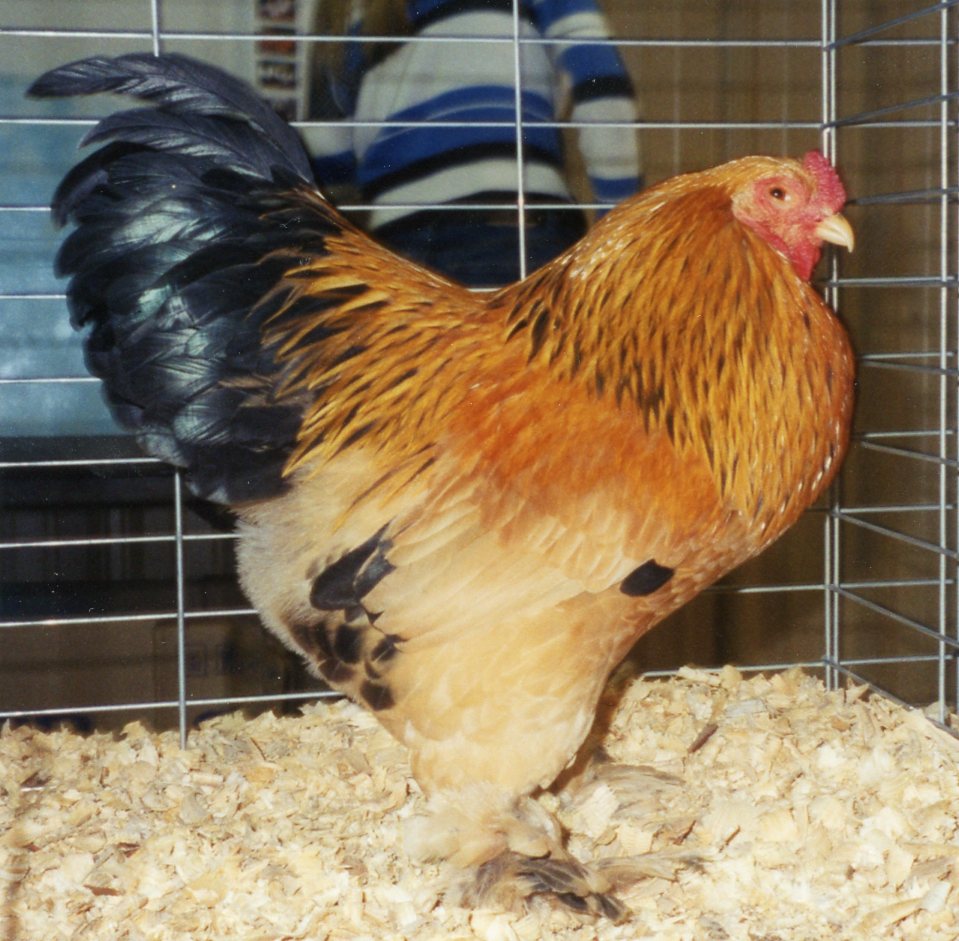
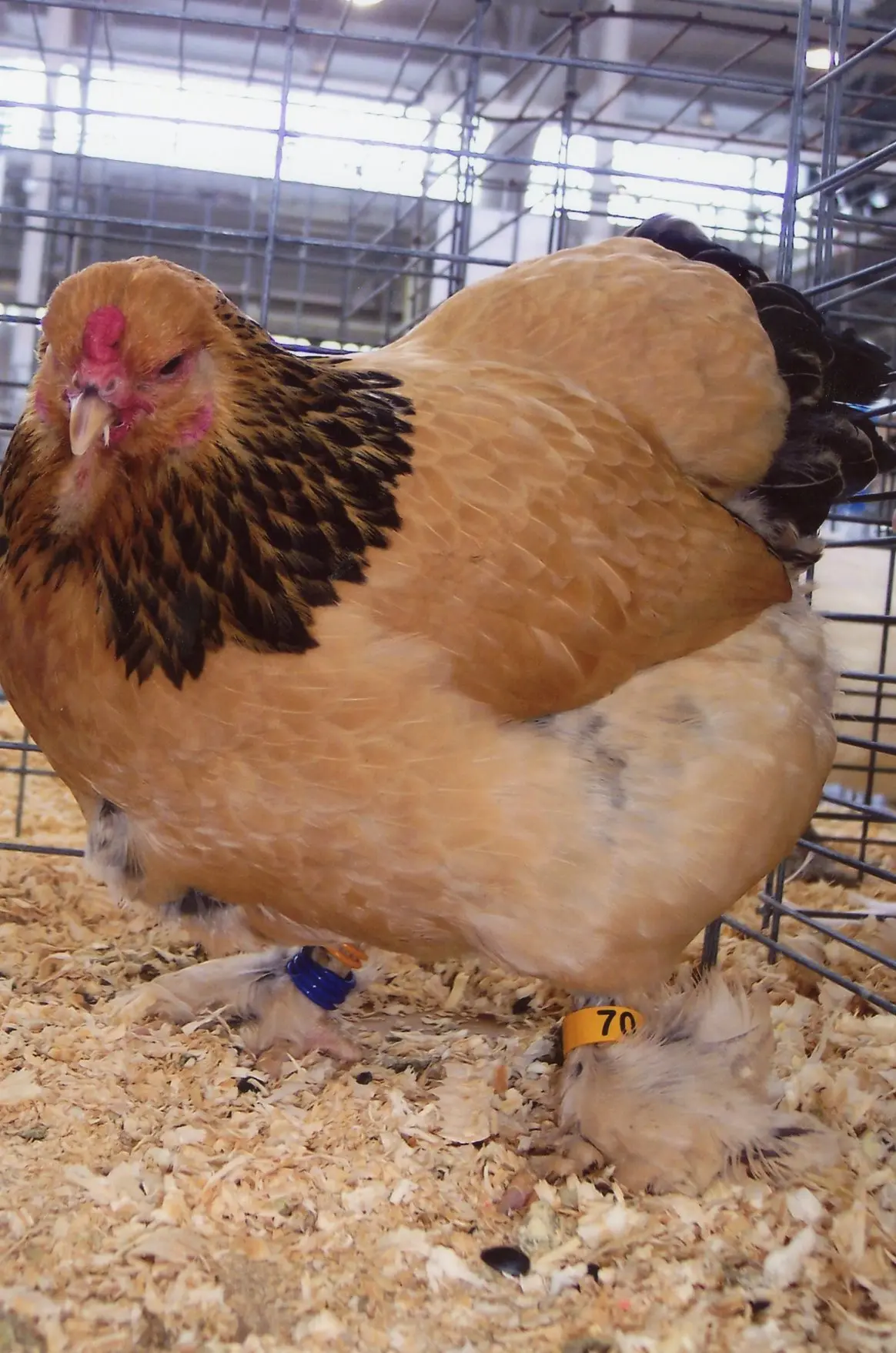
Buff Brahma Bantams have soft buff-colored plumage with black around the neck, wing tips, and tail. They also have feathered legs and feet, a red pea comb, and the calm, rounded look people expect from Brahmas.
The pea comb sits low on the head, which helps in colder weather because it exposes less comb tissue than a large single comb. Their feathered legs give them a beautiful, old-fashioned look, but they do need a little extra care in wet or muddy conditions.
Because this is a bantam, expect a much smaller bird than the standard Buff Brahma. You still get the Brahma style, but in a size that works better for smaller coops, exhibition projects, and families who enjoy smaller chickens.
Buff Brahma Bantam vs Buff Brahma Standard
Buff Brahma Bantams and Buff Brahma chickens share the same general look and gentle temperament. The biggest difference is size.
Choose Buff Brahma Bantams if you want a smaller bird for pets, showing, or limited space. Choose the standard Buff Brahma if you want a larger dual-purpose chicken with more body size and stronger meat value. Cackle’s standard Buff Brahma page describes the large fowl as winter hardy brown egg layers and notes that the hatchery has developed its pure Buff Brahma bloodline since 1999.
Both versions can make wonderful flock birds. Your choice mostly comes down to whether you want a small ornamental bantam or a large, heavy Brahma.
Buff Brahma Bantam vs Other Brahma Bantams
Buff Brahma Bantams are one color variety in the Brahma bantam family. If you like the Brahma look, you may also want to compare Light Brahma Bantams and Dark Brahma Bantams when available.
Choose Buff Brahma Bantams if you like warm buff coloring with black accents. Choose Light Brahma Bantams if you prefer mostly white birds with black neck and tail markings. Choose Dark Brahma Bantams if you like a darker patterned bird.
All Brahma bantams share feathered legs, pea combs, and a calm nature. Color preference and availability usually make the decision.
Egg Production and Utility
Buff Brahma Bantams may lay small brown eggs, but they are not high-production layers. Most customers choose them for temperament, beauty, show value, and their friendly bantam personality.
They can also be useful broody hens. Bantams are often popular with customers who want small hens that may set and raise chicks, and Cackle’s bantam category notes that bantams are commonly chosen for broody mother hens as well as pets and showing.
If your main goal is a full egg basket, choose a standard-size production layer. If you want a friendly, showy, feather-legged bantam, the Buff Brahma Bantam fits beautifully.
Temperament and Suitability
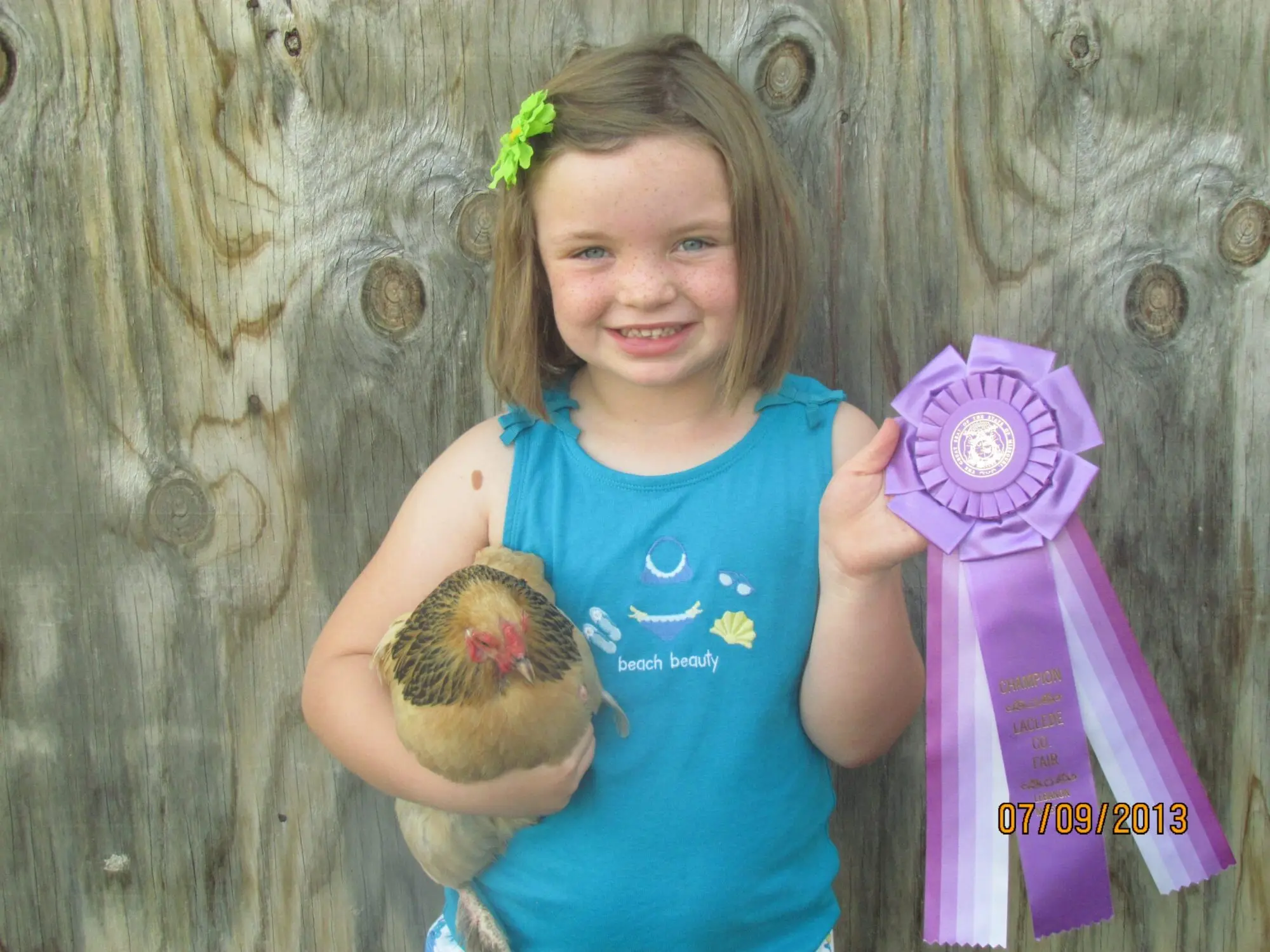
Buff Brahma Bantams are very friendly, tame, and kid-friendly. Their calm nature makes them a good choice for families, small backyard flocks, poultry projects, and customers who want a bantam that is easier to enjoy.
They can show well, too. Their attractive buff coloring, feathered feet, and Brahma type give them nice exhibition appeal when birds develop proper condition and type.
They are hardy in both hot and cold conditions, but good care still matters. In summer, provide shade, airflow, and cool water. In winter, give them a dry, draft-protected coop with good ventilation. Cackle’s Brahma category notes that Brahmas are cold tolerant because of their heavy body and thick feathering, but also reminds customers that feathered legs and feet can collect mud in rainy weather and snow in winter.
Feathered Feet Care
Buff Brahma Bantams have feathered feet, and that is part of their charm. Still, feathered feet need more attention than clean legs.
Keep bedding dry and try to avoid deep mud in the run. In winter, check for snow or ice buildup around the foot feathers. During rainy seasons, look for mud packed into the feathers. If needed, gently clean the feet and improve drainage in the run.
A dry coop and clean bedding help these bantams stay comfortable and looking their best.
Is the Buff Brahma Bantam Right for Your Flock?
Choose Buff Brahma Bantams if you want:
A miniature Buff Brahma
A feather-legged bantam
A friendly, tame chicken
A kid-friendly flock bird
A bantam with show appeal
A hardy bird for hot or cold conditions
A small chicken for backyard enjoyment
A bird with buff coloring and black accents
A bantam that may work well in smaller spaces
A standard Buff Brahma version to compare
Overall, this is a great choice if you want a gentle, attractive bantam with personality. Buff Brahma Bantams are not the right bird for heavy egg production or meat, but they are wonderful for families, small flocks, exhibition, and customers who enjoy feather-legged chickens.
If you are still comparing bantams, browse Cackle Hatchery’s bantam chickens category. Cackle notes that bantams are popular for pets, showing, broody hens, and small backyards where space is limited.
Breed History and Preservation
The Brahma breed has deep roots in large feather-legged Asiatic chickens that became popular in the United States during the 1800s. Standard Brahmas earned a reputation as large, gentle, cold-hardy birds used for eggs, meat, and brooding.
Bantam Brahmas later gave poultry keepers the same general look in a smaller bird. The Buff Brahma Bantam entered the American Poultry Association Standard of Perfection in 1946, giving this miniature variety official recognition.
Today, Buff Brahma Bantams remain popular because they combine beauty, calm temperament, feathered feet, and manageable size. They work well for show projects, ornamental flocks, and families who want a smaller Brahma-style bird.
Recognition and Availability
The American Poultry Association recognized the Buff Brahma Bantam in 1946. The variety is a bantam version of the standard Buff Brahma and belongs in the feather-legged bantam group for exhibition purposes.
You can choose Buff Brahma Bantam chicks when they are available. Cackle lists Buff Brahma Bantams in its bantam category, where bantam breeds are generally offered February through August depending on hatch and availability.
Many customers who like this bantam also compare the standard Buff Brahma Chicken or browse all Brahma chickens for sale. Cackle’s Brahma category includes care reminders for heavy feathering, cold tolerance, shade and water in summer, and feathered-foot care in wet weather.
Before you plan your order, check the Availability Chart for current hatch and shipping options.
Related Breeds and Helpful Cackle Hatchery® Resources
If you like Buff Brahma Bantams, you may also want to compare the standard Buff Brahma Chicken, Light Brahma Bantams, Dark Brahma Bantams, Cochin Bantams, and other bantam chickens.
For Brahma background, read Breed Spotlight: Brahma Chickens. Cackle’s Brahma category is also a helpful place to compare all available Brahma color options.
For broader flock planning, browse baby chicks for sale, Brahma chickens for sale, and the Chicken Breed Selector.
FAQ: Buff Brahma Bantam Chicken
What is a Buff Brahma Bantam chicken?
A Buff Brahma Bantam is the miniature version of the standard Buff Brahma. It is a small feather-legged chicken known for buff coloring, black accents, a pea comb, and a friendly temperament.
Is the Buff Brahma Bantam the same as the standard Buff Brahma?
No. The Buff Brahma Bantam is the miniature version. The standard Buff Brahma is much larger and has more body size, while the bantam is better for smaller spaces, pets, and showing.
When did the APA recognize Buff Brahma Bantams?
The Buff Brahma Bantam was recognized by the American Poultry Association Standard of Perfection in 1946.
What do Buff Brahma Bantams look like?
They have buff-colored plumage with black around the neck, wing tips, and tail. They also have feathered feet and a red pea comb.
Are Buff Brahma Bantams friendly?
Yes. They are very friendly, tame, and kid-friendly, which makes them a good choice for family flocks and small backyard coops.
Are Buff Brahma Bantams good for children?
Yes. Their calm nature makes them a nice choice for children, as long as kids learn gentle handling and have adult supervision.
Are Buff Brahma Bantams good show birds?
Yes. Buff Brahma Bantams can show very well when they have good type, feather condition, and proper care.
Do Buff Brahma Bantams lay eggs?
Yes. They may lay small brown eggs, but they are not heavy production layers.
What color eggs do Buff Brahma Bantams lay?
They lay small brown bantam eggs.
Are Buff Brahma Bantams broody?
They may go broody. Bantams are often popular for broody mother hens, and Brahma bantams can be useful for customers who enjoy natural chick raising.
Are Buff Brahma Bantams cold hardy?
Yes. They can handle cold weather well with a dry, draft-protected coop. Their pea comb and feathering help, but clean, dry housing still matters.
Are Buff Brahma Bantams heat hardy?
They can handle warm weather when you provide shade, airflow, and cool water. Heavy feathering means summer care is still important.
Do Buff Brahma Bantams have feathered feet?
Yes. They have feathered legs and feet. Keep their bedding and run dry so mud or snow does not collect in the feathers.
What is the difference between Buff Brahma Bantams and Cochin Bantams?
Both are feather-legged bantams, but Brahma Bantams have the Brahma body type, pea comb, and buff-and-black Brahma pattern. Cochin Bantams are rounder, fluffier birds with a different breed type.
Where can I see all Brahma chicken options?
Browse Cackle Hatchery’s Brahma chickens for sale category to compare available Brahma colors and sizes.
Where can I check chick availability?
Check the Availability Chart for current hatch and shipping options.
Order from Cackle Hatchery
Choose Buff Brahma Bantam from cackle hatchery. Review the product information above for current options, availability and ordering details.
Related Products
Related products


