
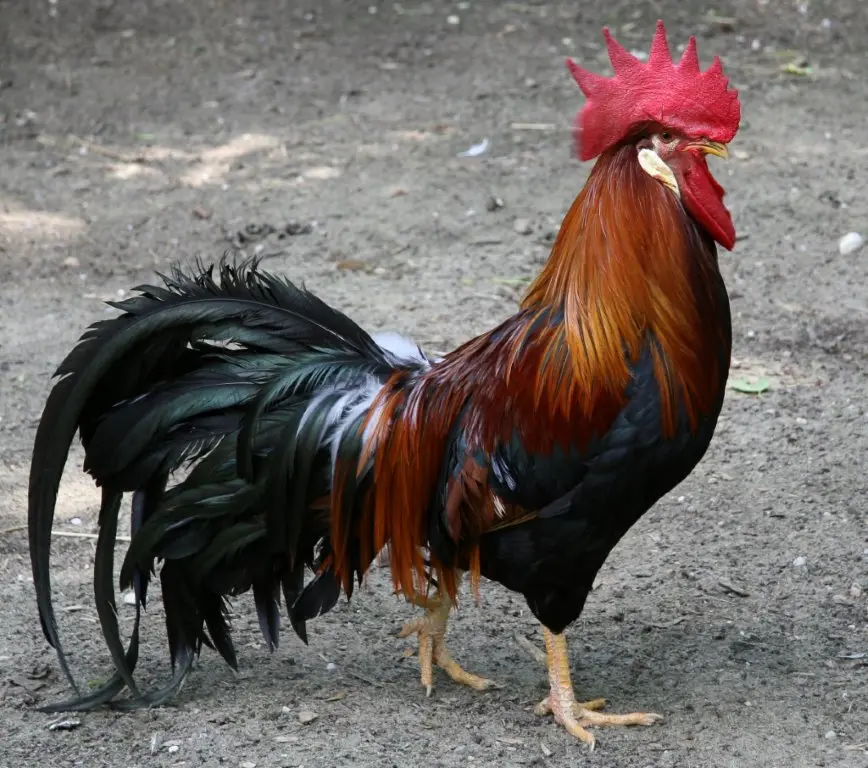


Brown Leghorn Chicken
Breed Facts
- Poultry Show Class: Mediterranean Class
- Weights: Hen ——-4 1/2 lbs
Rooster—-6 lb
Pullet——-4 lbs
Cockerel—5 lbs - Purpose and Type: Egg Laying; Production
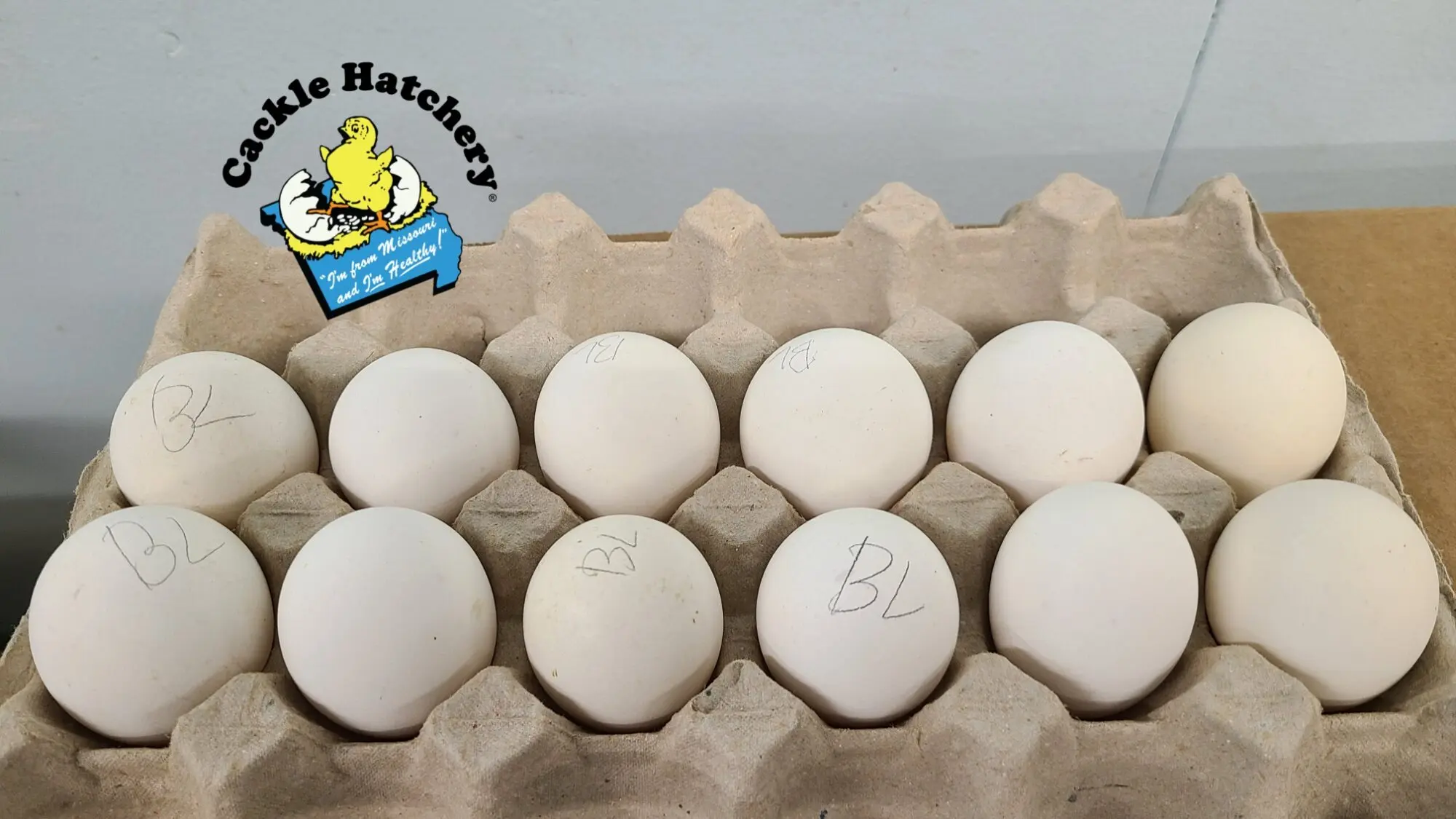
- Egg Shell Color: White
- Egg Production: 220-300 eggs per year (estimates only, see FAQ)
- Egg Size: Large to Extra Large
- Temperament: Very Active
- Gender Accuracy: 80-85%
- Fertility Percentage: 60-75%
- Broody: NonSetter
- Mating Ratio: 12 Females to 1 Male
- Roost Height: 4 to 8 feet
- Country of Origin: Italy
- APA: Yes, Recognized by American Standard of Perfection in 1874.
- TLC: Recovery chicken breed status, Considered a sustainable heritage chicken breed
- BREEDER FARM SOURCE: Cackle Hatchery® Poultry Breeding Farm has been developing our bloodline or strain of pure Brown Leghorn since 1976.
Brown Leghorn Chicken
Breed Overview and Origin
The Brown Leghorn chicken is a light, active white egg layer with plenty of energy and a strong foraging instinct. If you want a bird that matures early, lays well, and works hard on range, this breed is a solid choice.
Leghorns trace back to Italy, especially the area around Livorno. The breed later developed further through breeding work in the United States, England, and Denmark. The American Poultry Association recognized Brown Leghorns in 1874, along with other early Leghorn varieties. The Livestock Conservancy notes that non-industrial Leghorns earned popularity because they combined hardiness, high egg production, fertility, vigor, and a small appetite.
Brown Leghorns are not heavy meat birds. They are light, quick, efficient chickens built for white egg production. If your goal is a calm, cuddly backyard pet, you may want a heavier dual-purpose breed. But if you want a lively bird that lays large white eggs and knows how to forage, Brown Leghorns can do the job well.
Appearance and Characteristics
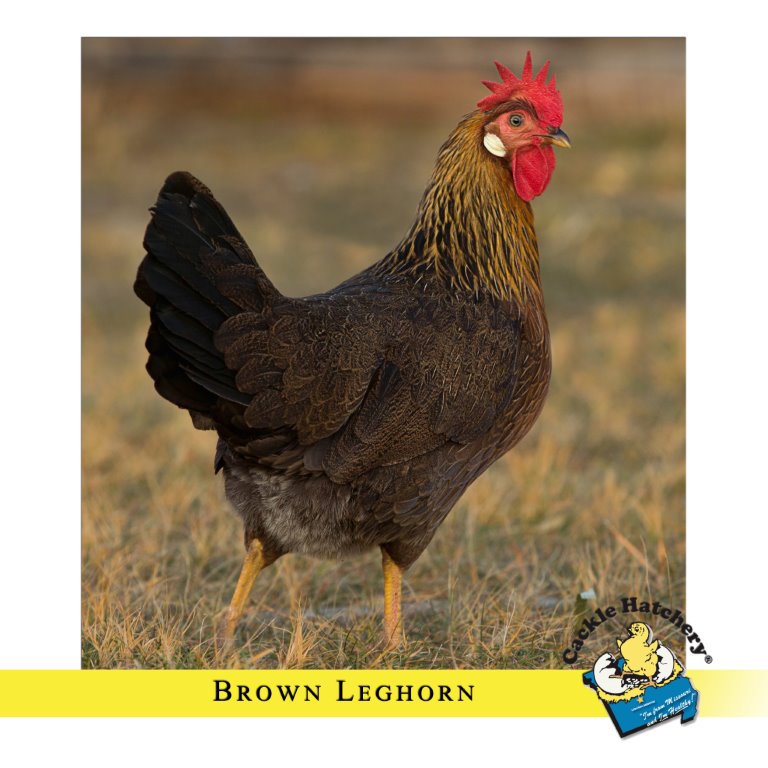
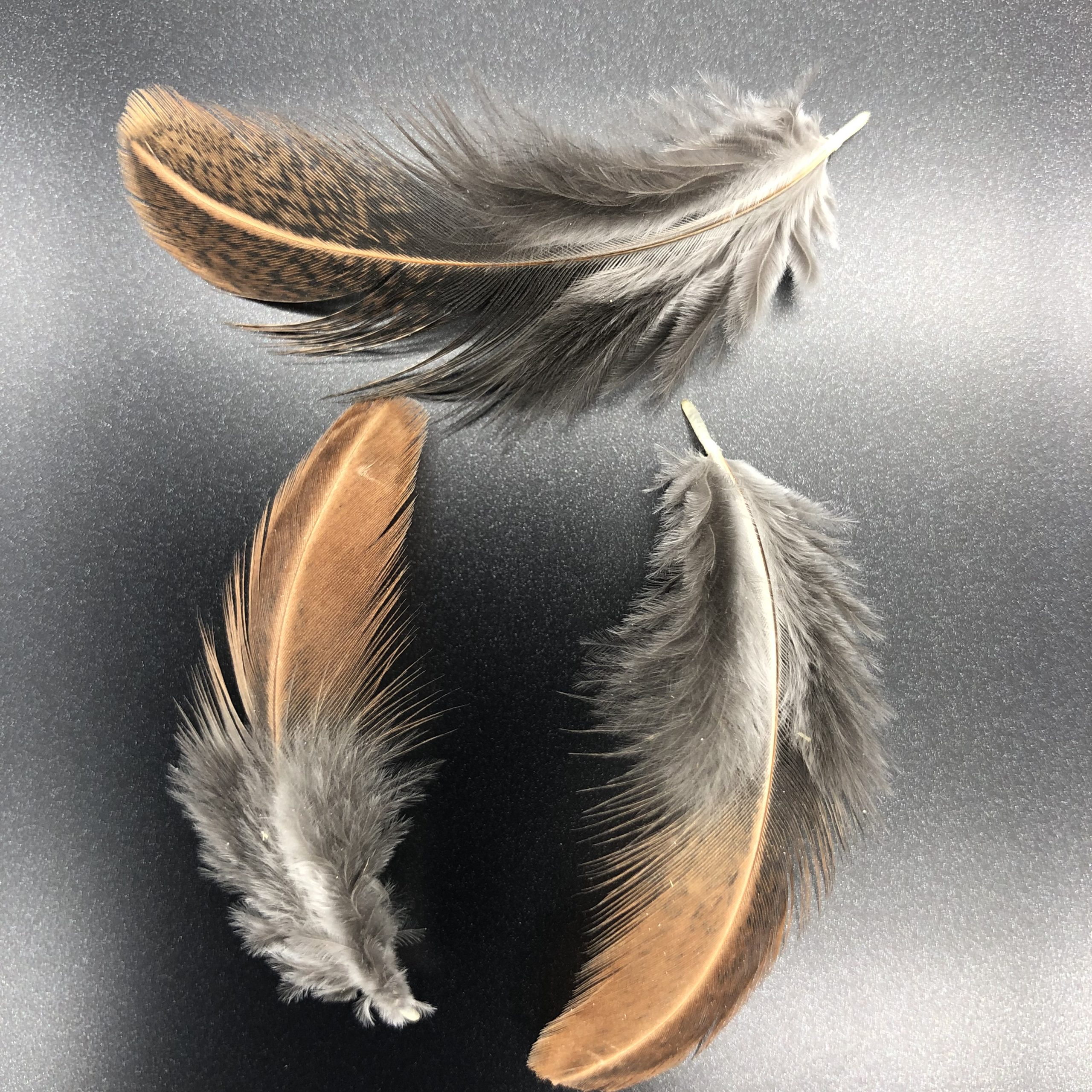
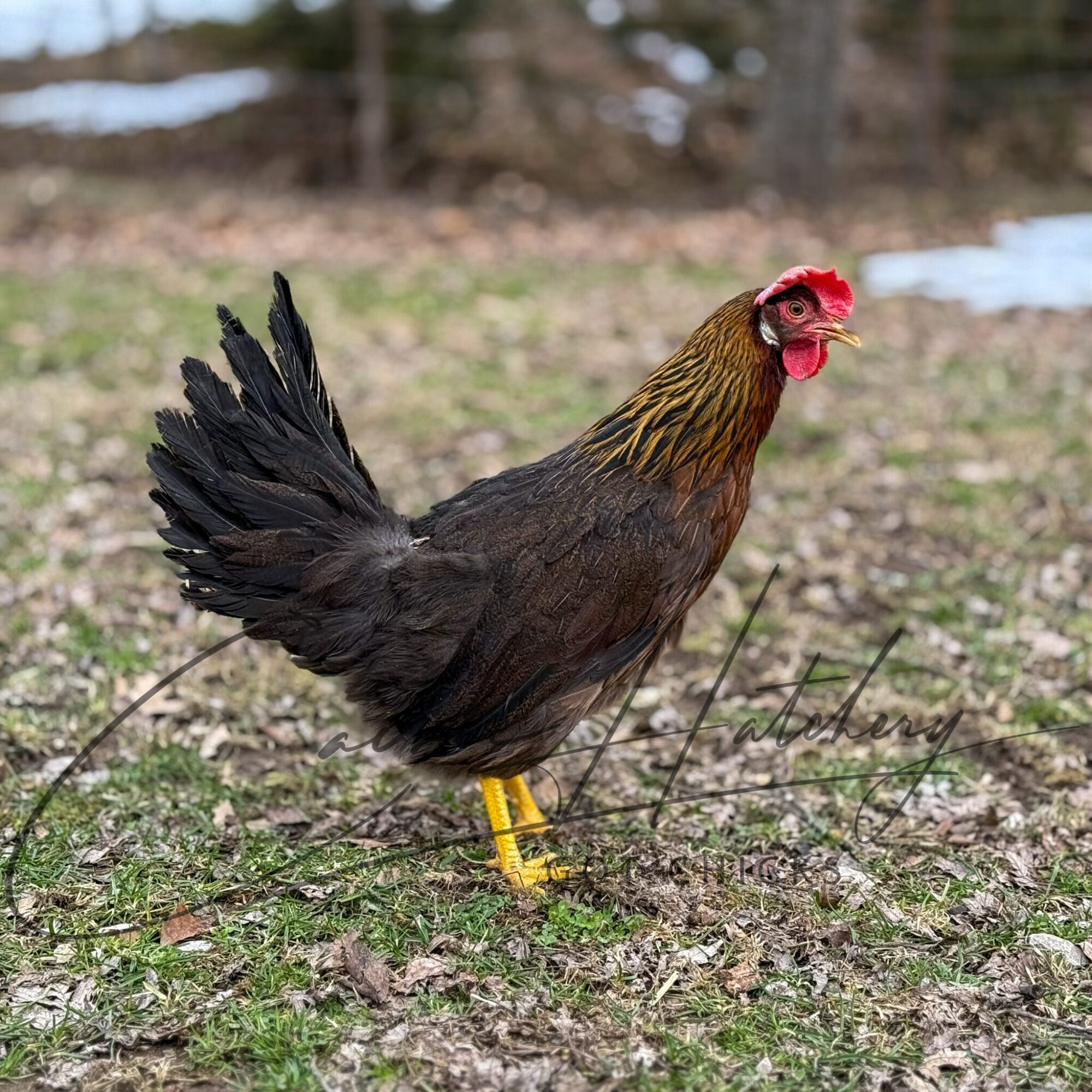
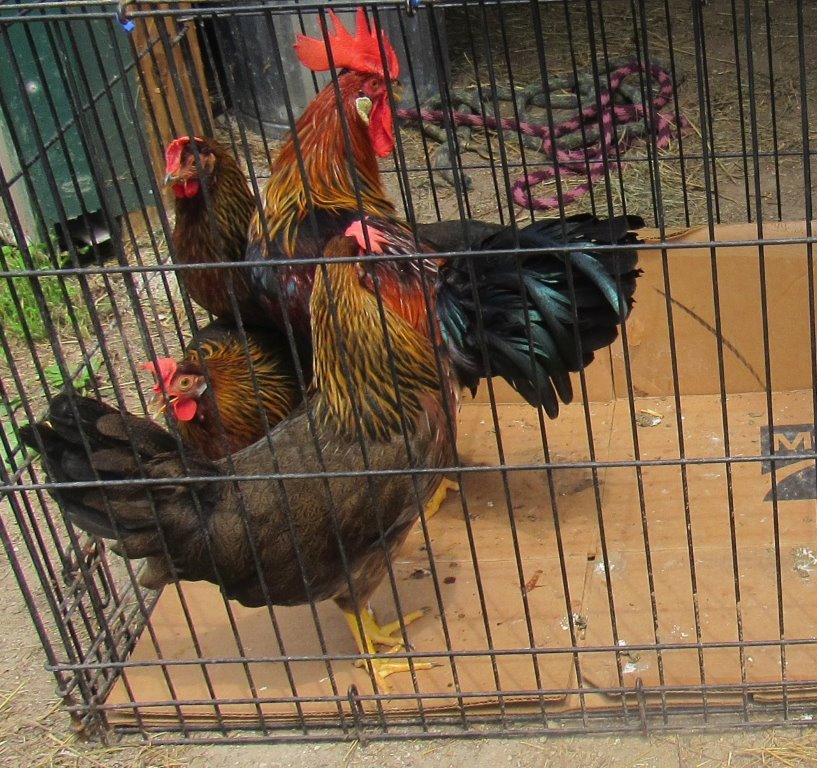
Brown Leghorns have colorful, wild-type plumage that looks much different from the clean white feathering of White Leghorns. Hens usually show warm brown tones with darker patterning, while roosters are brighter and more colorful, often showing red, orange, green-black, and dark tail feathering.
They have yellow legs, a light body, and the athletic build Leghorns are known for. Their shape tells you what they are made to do: move, forage, mature quickly, and lay eggs efficiently.
Because they are alert and active, they often notice danger quickly. Their darker brown coloring may also help them blend into natural range settings better than white birds. Even so, no chicken can fully protect itself from predators. Good fencing, secure nighttime housing, and regular flock checks still matter.
Brown Leghorn vs White Leghorn: Which Should You Choose?
Brown Leghorns and White Leghorns share the same active, lightweight, white-egg-laying background. The biggest difference is appearance.
Choose Brown Leghorns if you want a more colorful, natural-looking bird that still lays white eggs and forages well. Choose White Leghorns if you prefer the classic white production layer known for large to extra-large white eggs.
Both varieties are active, independent, and efficient. They rarely go broody, which helps keep egg production more consistent. However, they tend to avoid close human contact more than calmer backyard breeds. If you want a pet-like chicken for children to carry around, an Orpington, Sussex, or Brahma may suit you better.
Egg Production and Utility
Brown Leghorns are strong white egg layers. Leghorns commonly lay around 280 eggs per year, and some hens may reach 300–320 eggs under excellent management. Cackle lists Brown Leghorns as excellent large white egg layers and notes that its breeding farm has developed its pure Brown Leghorn bloodline since 1976.
They also have a strong feed-to-egg conversion ratio. Many keepers like Leghorns because they do not need as much feed as heavier breeds to produce a good number of eggs. Your original breed notes list about 125 grams of feed per day as a common estimate, though actual intake can vary with weather, activity level, age, and feed quality.
Because they rarely go broody, hens usually keep laying instead of sitting on nests. That makes them a good fit for free-range egg flocks, organic-style egg production, and backyard keepers who want steady white eggs.
If you enjoy hatching projects, Brown Leghorn Fertile Hatching Eggs may be available at limited times of the year. Cackle notes that hatching eggs generally do not ship during the hottest part of summer because heat raises the risk of poor hatchability.
Temperament and Suitability
Brown Leghorns are active, hardy, alert, and independent. They like to stay busy and often do best when they have room to forage.
These birds can be nervous or flighty around people. That does not make them bad chickens; it simply means they behave more like athletic layers than lap birds. If you want a flock that keeps its distance, watches its surroundings, and works the range, Leghorns can be a good fit.
They do especially well in free-range systems where they can scratch and hunt for part of their diet. They can also live in a coop and run, but they need enough space and enrichment to stay comfortable.
In hot weather, Leghorns usually do well because of their light bodies and Mediterranean background. During winter, watch their single combs. A dry, well-ventilated coop helps reduce frostbite risk.
Is the Brown Leghorn Chicken Right for Your Flock?
Choose Brown Leghorns if you want:
A strong white egg layer
Large to extra-large white eggs
A light, athletic chicken
A fast-maturing laying breed
A bird with strong feed-to-egg efficiency
A non-broody hen for steady egg production
A good free-range or organic egg flock bird
A colorful alternative to White Leghorns
An alert, independent forager
A heritage white egg breed with a long history
Overall, this breed fits best when eggs and foraging matter more than cuddly temperament. Brown Leghorns are not usually the calmest birds in the flock, but they are productive, hardy, and efficient.
If you are still comparing breeds, the Chicken Breed Selector and Chicken Breeds List Comparison Chart can help you sort birds by purpose, egg color, size, and flock needs.
Breed History and Preservation
Leghorns came from Italian landrace chickens near the port of Livorno. After they reached North America in the 1800s, American breeders selected them for stronger laying ability, size, and vigor. Breeders in England and Denmark also helped shape the breed family. The Livestock Conservancy describes non-industrial Leghorns as hardy, vigorous, fertile birds that raise easily and forage well on range.
Brown Leghorns earned APA recognition in 1874, making them one of the older recognized Leghorn varieties. Over time, the White Leghorn became the best-known commercial white egg layer, but Brown Leghorns kept their value with small flocks and heritage poultry keepers who like their color, activity, and range ability.
Cackle Hatchery® has developed its pure Brown Leghorn bloodline since 1976 and lists the breed as a sustainable heritage chicken with The Livestock Conservancy Recovering status.
Recognition and Availability
The American Poultry Association recognizes Leghorns in the Mediterranean class. Brown Leghorns entered the Standard of Perfection in 1874.
You can choose Brown Leghorn chicks when they are in season. If you prefer hatching your own, Brown Leghorn Fertile Hatching Eggs may be available seasonally. Cackle’s hatching egg page notes that orders do not generally ship from mid-June through early August because summer heat can reduce hatchability.
Before you plan your order, check the Availability Chart for current hatch and shipping options.
Related Breeds and Helpful Cackle Hatchery® Resources
If you like Brown Leghorns, you may also want to compare White Leghorns, Austra Whites, California Whites, and other white egg layers. The white egg layer category is useful if your main goal is a flock that lays plenty of white eggs.
For hatching projects, browse hatching eggs for sale. If you are still planning your flock, use the Chicken Breed Selector or Chicken Breeds List Comparison Chart to compare breeds by egg color, temperament, climate, and purpose.
FAQ: Brown Leghorn Chicken
What is a Brown Leghorn chicken?
A Brown Leghorn chicken is a colorful Leghorn variety known for white eggs, quick maturity, athletic build, and strong foraging ability.
Where did Brown Leghorns originate?
Leghorns trace back to Italy, especially the area around Livorno. Breeders in the United States, England, and Denmark later helped develop the modern breed family.
When did the APA recognize Brown Leghorns?
The American Poultry Association recognized Brown Leghorns in 1874. The breed belongs to the Mediterranean class.
Are Brown Leghorns good egg layers?
Yes. Brown Leghorns are excellent white egg layers. Leghorns often lay around 280 eggs per year, and strong hens may reach 300–320 eggs under good management.
What color eggs do Brown Leghorns lay?
They lay white eggs, usually large to extra-large in size.
Are Brown Leghorns good for meat?
No, not compared with dual-purpose or meat breeds. Brown Leghorns are light-bodied chickens bred mainly for egg production.
Are Brown Leghorns broody?
They rarely go broody. That makes them useful if you want hens that keep laying instead of sitting on eggs.
Are Brown Leghorns friendly?
They tend to be active, alert, nervous, and flighty. They often avoid close human contact, so they are better for egg production than pet-style handling.
Are Brown Leghorns good for beginners?
Yes, they can work for beginners who want lots of white eggs and do not mind an independent breed. If you want a calm pet chicken, choose a gentler dual-purpose breed.
Are Brown Leghorns good for free range?
Yes. Brown Leghorns are athletic, efficient foragers and can do very well in free-range systems. Their darker coloring may help them blend into natural surroundings better than white birds, but predator protection still matters.
Are Brown Leghorns heat tolerant?
Yes. Their light bodies and Mediterranean background help them handle heat better than many heavier breeds. Still, provide shade, cool water, and airflow during hot weather.
Are Brown Leghorns cold hardy?
They can handle cool weather with proper care, but their single combs can be prone to frostbite. Keep the coop dry, draft-protected, and well ventilated.
How much do Brown Leghorns eat?
Your original breed notes estimate about 125 grams of feed per day. Actual intake can vary with weather, activity level, age, and feed quality.
What is the difference between Brown Leghorns and White Leghorns?
Both lay white eggs and share the same active Leghorn nature. Brown Leghorns have colorful brown-patterned plumage, while White Leghorns have clean white feathers and are more common in commercial-style egg production.
Can I order Brown Leghorn hatching eggs?
Yes. Brown Leghorn Fertile Hatching Eggs may be available seasonally.
Where can I check chick availability?
Check the Availability Chart for current hatch and shipping options.
Order from Cackle Hatchery
Choose Brown Leghorn Chicken from cackle hatchery. Review the product information above for current options, availability and ordering details.
Related Products
Related products