

Buy Bourbon Red Turkey Online
Buy bourbon red turkey online from cackle hatchery. Compare the bird or breed details, available options, current availability and delivery conditions before ordering.
Bourbon Red Turkey
Breed Facts
- Poultry Show Class: Turkeys
- Weights: Hen—–14 lbs
Tom—-23 lbs - Purpose and Type: Egg Laying and Meat; Exhibition
- Egg Color: Off White with brown specks
- Egg Production: Poor
- Egg Size: Large to Extra Large
- Temperament: Active
- Fertility Percentage: 60-75%
- Broody: Setters
- Mating Ratio: 7 Females to 1 Male
- Roost Height: 2+ feet
- Country of Origin: North America
- TLC: Watch Status
- APA: Yes, Recognized by the Standard of Perfection in 1909
- Breeder Farm Source: “Cackle Hatchery® Poultry Breeding Farm” developing our bloodline or strain of Bourbon Red Turkey Breed since 1978.
Bourbon Red Turkey
Breed Overview and Origin
The Bourbon Red Turkey is a rare heritage turkey known for its beautiful red and white color pattern, farm-friendly nature, and historic American background. If you want a traditional turkey for a backyard flock, small farm, homestead, exhibition project, or flavorful meat bird, this variety is a strong choice.
This breed was admitted into the American Standard of Perfection in 1909. It was developed in Pennsylvania and later taken to Kentucky, where it became especially popular in Bourbon County. That regional popularity helped give the breed its name.
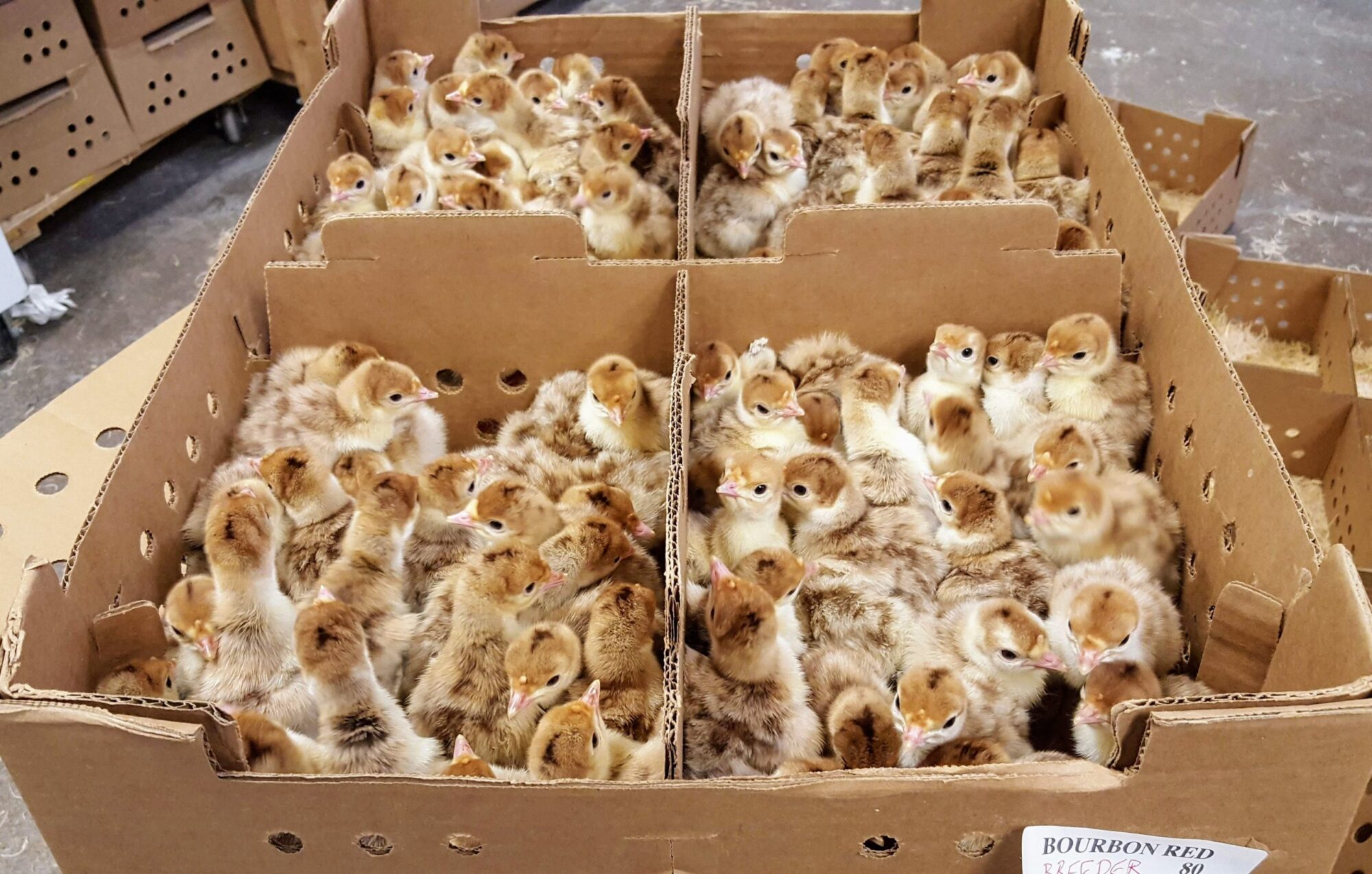
Cackle Hatchery® offers Bourbon Red Turkey poults as part of its heritage turkey lineup. Cackle’s product page identifies this as a rare heritage turkey option available from the hatchery’s long-running poultry program.
Appearance and Characteristics
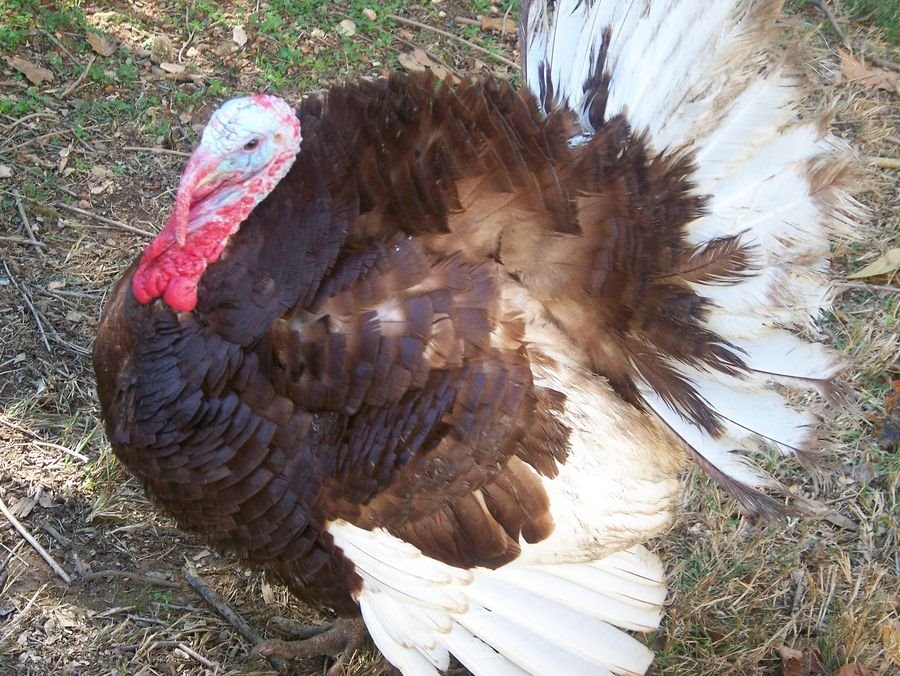
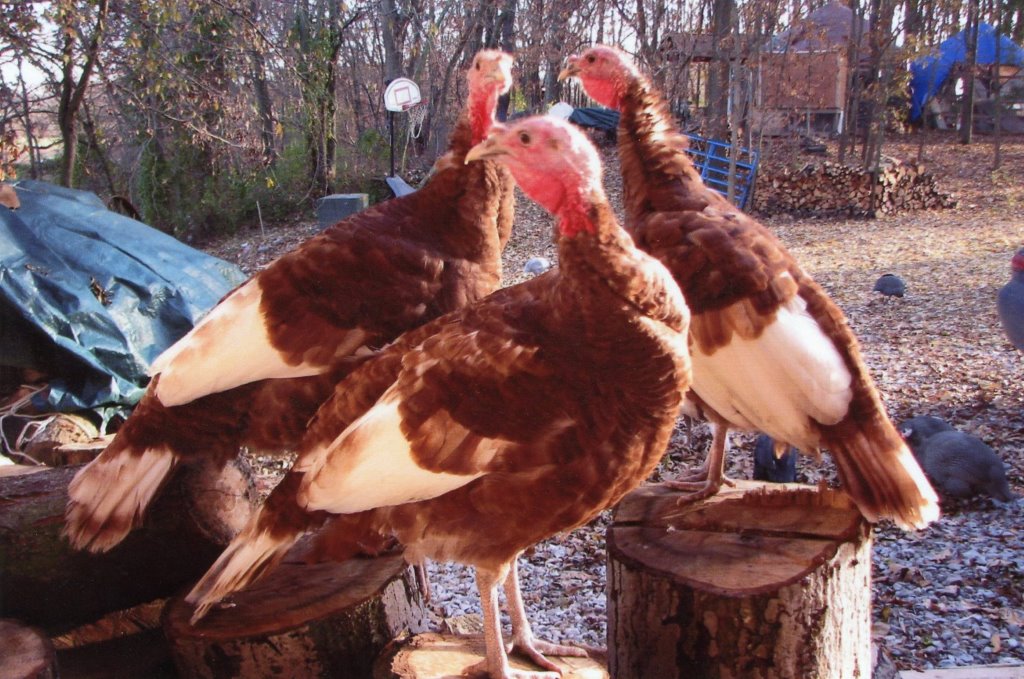
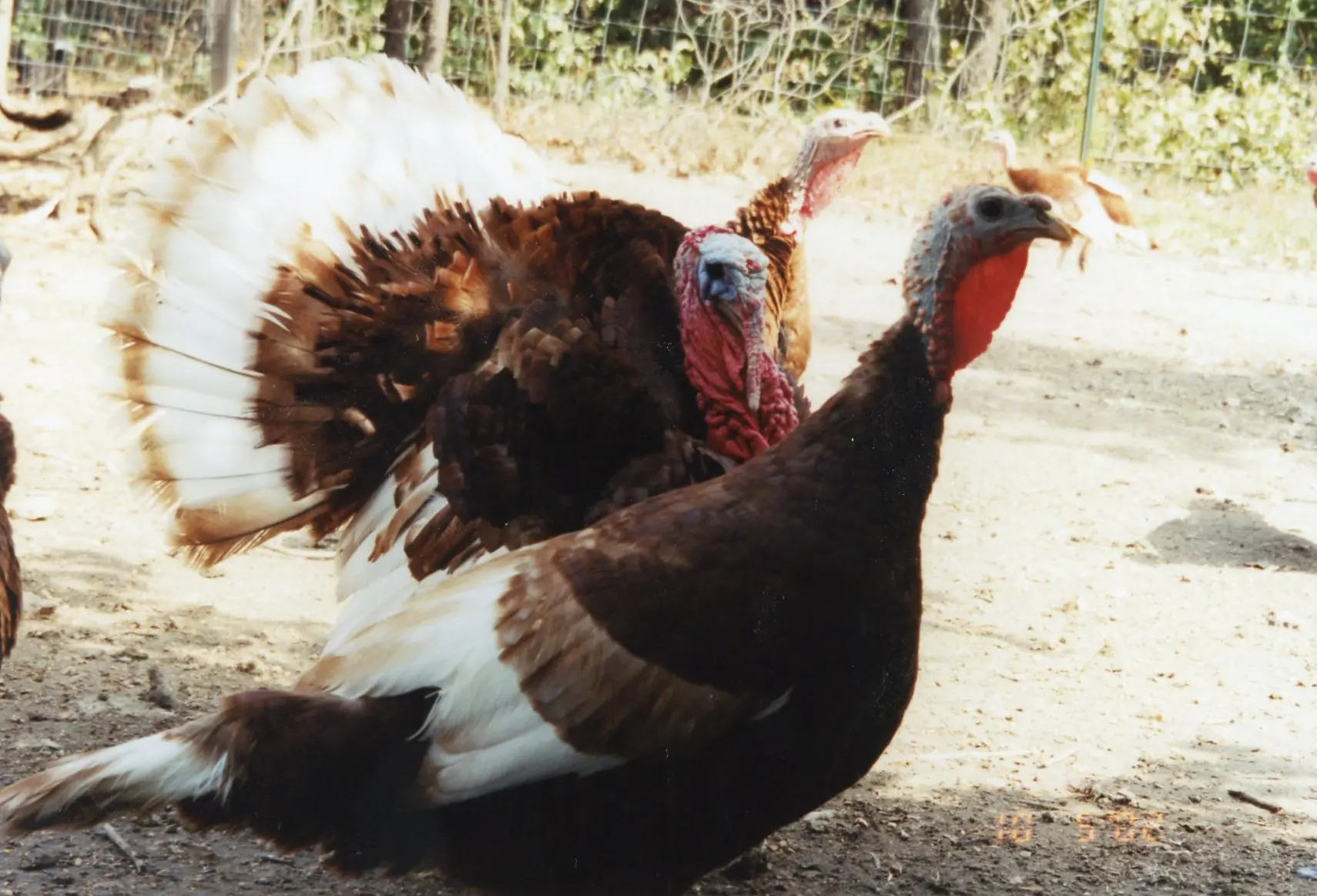
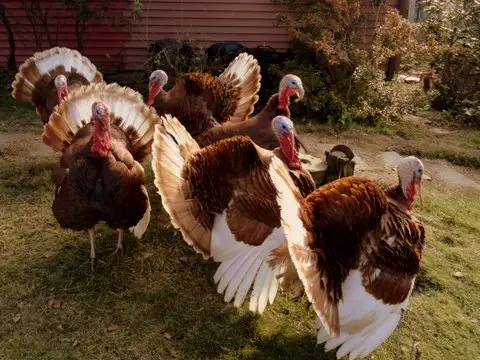
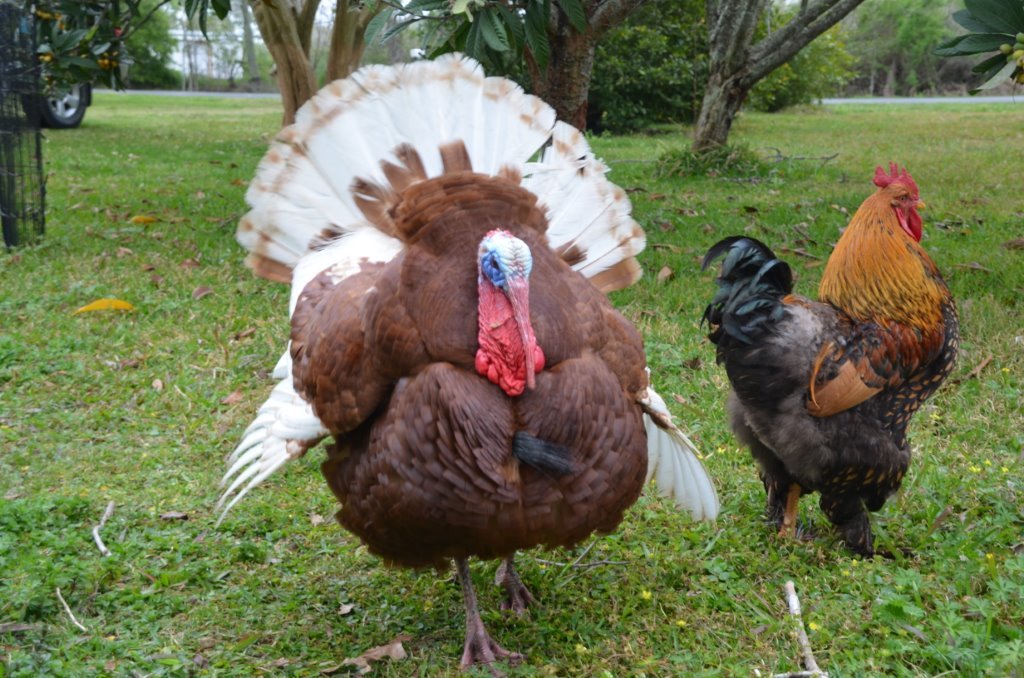
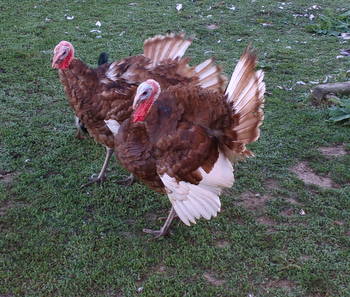
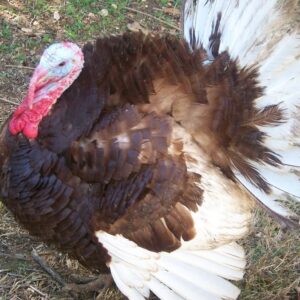
Bourbon Reds are one of the most attractive heritage turkey varieties. Their plumage includes rich reddish-brown body feathers with white markings, giving them a warm, traditional farmyard look.
This variety is often chosen for more than appearance. Bourbon Reds can make good farm and backyard turkeys because they are active, useful, and better suited to natural flock behavior than broad breasted production turkeys.
Cackle’s Turkey Breeds List Comparison Chart lists Bourbon Reds as active birds used for egg laying, meat, and exhibition, with APA recognition and Watch status through The Livestock Conservancy.
Rare Heritage Turkey Value
This variety belongs in Cackle’s Heritage Turkeys category. Heritage turkeys are generally preferred by customers who want traditional breeding ability, active foraging, and a more sustainable flock type than broad breasted turkeys.
Cackle’s article Heritage vs. Broad Breasted Turkeys explains that heritage turkeys are more sustainable because they breed naturally. The same article notes that Bourbon Red and Standard Bronze turkeys often rank highly in taste tests for flavorful meat.
For customers who care about heritage poultry, meat flavor, and long-term flock management, Bourbon Reds are one of the most appealing turkey choices.
Bourbon Red Turkey vs Broad Breasted Turkeys
Bourbon Reds are very different from broad breasted production turkeys.
Choose this heritage variety if you want a naturally breeding, active, traditional turkey with beautiful color and excellent farm appeal. Choose a broad breasted turkey if your main goal is the fastest growth and the largest breast size for meat production.
Cackle’s Turkey Mating Ratio for Good Fertility explains that broad breasted turkeys are designed for lots of meat and generally require artificial insemination, while heritage turkeys can reproduce through natural mating.
Bourbon Red Turkey vs Other Heritage Turkeys
This red heritage variety is a good option for customers who want a colorful, historic turkey with meat, exhibition, and backyard value.
Customers may also want to compare Blue Slate Turkey, Black Slate Turkey, Black Spanish Turkey, Narragansett Turkey, Royal Palm Turkey, and Heritage Bronze Turkey.
For customers who want hatchery choice rare turkeys instead of one specific breed, Cackle’s Surplus Rare Turkey Special may include Bourbon Red, Royal Palm, Blue Slate, Black Slate, Narragansett, Bronze Heritage Standard, and Black Spanish turkeys depending on hatch availability.
Free-Range and Homestead Use
Bourbon Reds can make good farm and backyard turkeys. Their active temperament fits customers who want birds that can forage, move naturally, and bring traditional poultry character to the property.
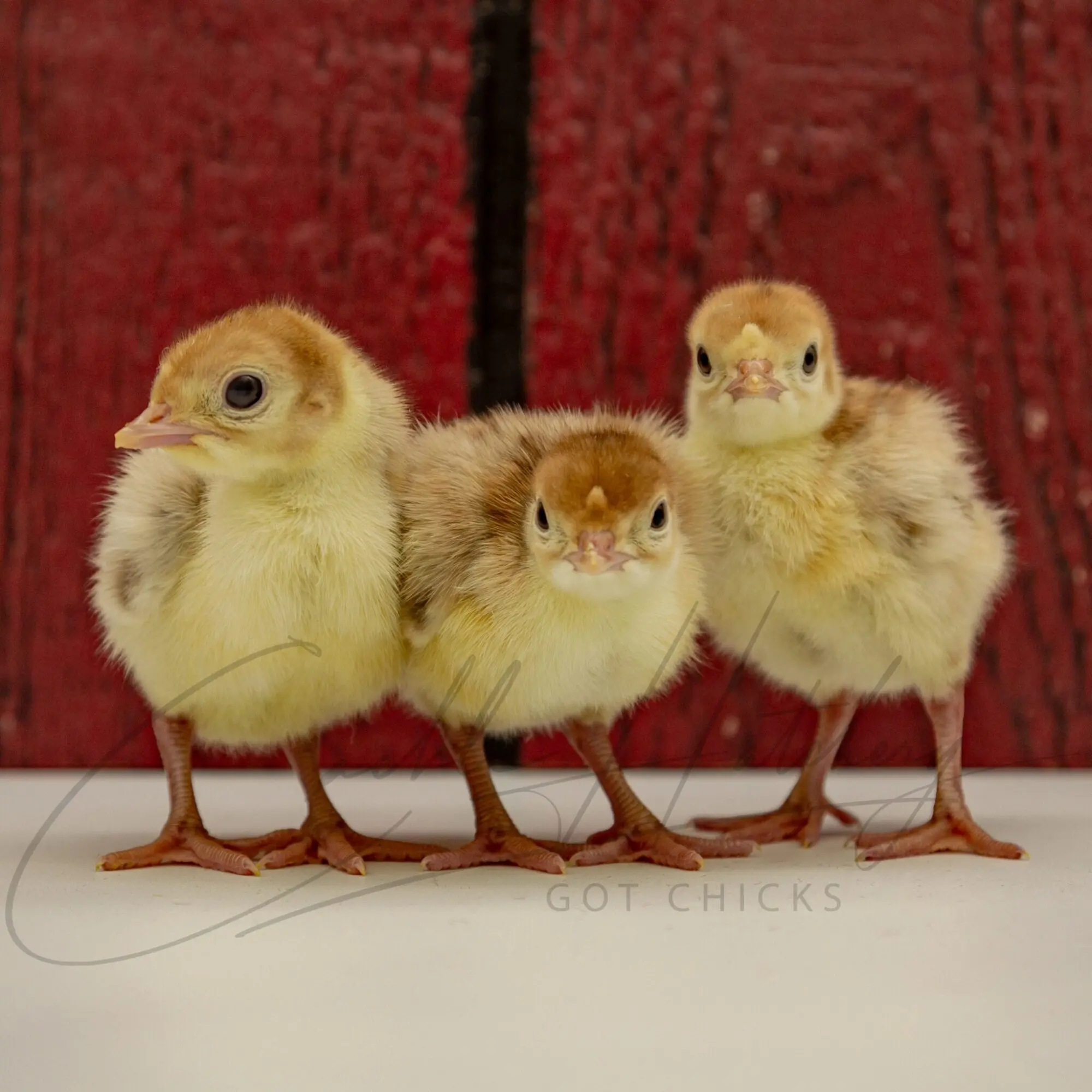
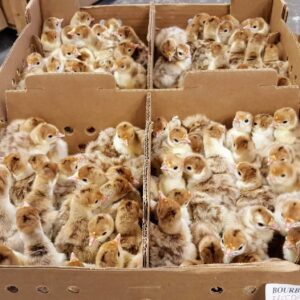
As with all turkeys, careful early care matters. Poults need a warm brooder, clean bedding, fresh water, proper turkey starter, and close attention during the first days after arrival.
Cackle’s How to Brood Turkey Poults is a helpful internal care resource for customers starting turkey poults. Cackle’s Starve-Out in Turkey Poults explains that starve-out happens when poults fail to eat, but proper poult management can help prevent it.
Meat, Eggs, and Exhibition Value
Bourbon Reds can be raised for meat and exhibition, and hens may lay seasonal eggs. However, turkeys should not be promoted as high-production egg birds.
Cackle’s turkey comparison chart lists Bourbon Reds for egg laying, meat, and exhibition, but rates turkey egg production as poor compared with high-laying poultry.
For realistic egg expectations, Cackle’s How Many Eggs Does a Turkey Lay? explains that even the best laying turkeys do not lay nearly as well as the best laying chickens.
Breeding and Natural Reproduction
Bourbon Reds are heritage turkeys, which means they can reproduce naturally when managed properly. This is one of the biggest advantages of choosing heritage turkeys over broad breasted types.
If customers plan to keep a breeding flock, they should pay close attention to male-to-female ratios, bird condition, and flock health. Cackle’s comparison chart lists a suggested mating ratio of 7 females to 1 male for Bourbon Reds and other heritage turkey varieties.
For more detail, link customers to Turkey Mating Ratio for Good Fertility.
Keeping Turkeys With Chickens
Some customers want to raise turkeys and chickens together. This can work in some setups, but customers need to understand the health risks first.
Cackle’s Keeping Turkeys With Chickens explains that conventional wisdom warns against keeping turkeys with chickens because turkeys are susceptible to blackhead disease, although many backyard keepers do raise them together successfully.
For a deeper health resource, customers should also read Blackhead in Turkeys Is a Serious Disease.
Sexing Turkey Poults
Turkey poults can be difficult to sex when young. Customers should not expect turkey poults to be as easy to identify by sex as many chicken breeds.
Cackle’s Sexing Turkey Poults and Guinea Keets is a helpful internal resource for customers who want to understand sexing expectations.
Shipping Note
Cackle Hatchery® cannot ship turkeys to Hawaii. Keep this shipping note clear on the product page so customers can plan before ordering.
Availability changes by hatch date and season. Customers should check the Bourbon Red Turkey product page and Cackle’s Availability Chart before placing an order.
Is This Breed Right for Your Flock?
Choose this variety if you want:
A rare heritage turkey
A red and white color pattern
A good farm or backyard turkey
A naturally reproducing turkey breed
A bird admitted to the Standard in 1909
A turkey with Bourbon County, Kentucky history
A bird for meat and exhibition
A flavorful heritage meat option
A variety to compare with other rare heritage turkeys
A Cackle turkey poult option for homesteads and small farms
Overall, this is a great choice if you want a beautiful, historic, naturally reproducing turkey with strong farm appeal. It is not the best fit for customers who want the fastest broad breasted meat turkey, but it is excellent for homesteads, small farms, heritage poultry keepers, exhibition-minded customers, and anyone who enjoys traditional American poultry breeds.
Customers still comparing turkey breeds can use Cackle’s Turkeys for Sale, Heritage Turkeys, or Turkey Breeds List Comparison Chart.
Breed History and Preservation
The Bourbon Red Turkey was developed in Pennsylvania and later taken to Kentucky, where it became especially popular in Bourbon County. That Kentucky connection helped give the breed its name.
Its admission into the American Standard of Perfection in 1909 gives it long-standing recognition as a standard turkey variety. Today, the breed remains valuable for customers who want heritage poultry with beauty, flavor, and natural breeding ability.
Cackle’s turkey comparison chart lists Bourbon Reds with Watch status through The Livestock Conservancy, which adds preservation appeal for customers interested in less common poultry varieties.
Recognition and Availability
Cackle Hatchery® sells Bourbon Red Turkey poults as part of its heritage turkey lineup. Availability changes by season and hatch date, so customers should check the product page and Availability Chart before ordering.
Customers who like this variety may also want to compare Blue Slate Turkey, Black Slate Turkey, Black Spanish Turkey, Narragansett Turkey, Royal Palm Turkey, Heritage Bronze Turkey, and Surplus Rare Turkey Special.
Related Breeds and Helpful Cackle Hatchery® Resources
If you like this variety, you may also want to compare Blue Slate Turkey, Black Slate Turkey, Black Spanish Turkey, Narragansett Turkey, Royal Palm Turkey, Heritage Bronze Turkey, and Surplus Rare Turkey Special.
Helpful Cackle resources include Starve-Out in Turkey Poults, How to Brood Turkey Poults, Turkey Mating Ratio for Good Fertility, Keeping Turkeys With Chickens, How Many Eggs Does a Turkey Lay?, Blackhead in Turkeys Is a Serious Disease, and Sexing Turkey Poults and Guinea Keets.
For browsing, use Turkeys for Sale, Heritage Turkeys, Turkey Bargain Specials, Turkey Breeds List Comparison Chart, and Availability Chart.
FAQ: Bourbon Red Turkey
What is a Bourbon Red Turkey?
It is a rare heritage turkey known for red and white plumage, natural breeding ability, historic American roots, and strong farmyard appeal.
Where did this turkey originate?
The breed was developed in Pennsylvania and later taken to Kentucky, where it became popular in Bourbon County.
Why is it called Bourbon Red?
The name comes from its popularity in Bourbon County, Kentucky, along with its red color pattern.
When was it admitted into the American Standard of Perfection?
It was admitted into the American Standard of Perfection in 1909.
Is this a heritage turkey?
Yes. It is a rare heritage turkey and appears in Cackle’s heritage turkey offerings.
Can this breed reproduce naturally?
Yes. Heritage turkeys can reproduce naturally when properly managed.
How is this turkey different from broad breasted turkeys?
This is a heritage variety with natural breeding ability and traditional farm traits. Broad breasted turkeys are bred for fast meat production and generally require artificial insemination.
Is this variety good for meat?
Yes. It can be raised for meat, and Cackle’s heritage turkey article notes that Bourbon Red and Standard Bronze turkeys often rank highly in taste tests for flavorful meat.
Is it good for exhibition?
Yes. Cackle’s turkey comparison chart lists Bourbon Reds for egg laying, meat, and exhibition.
Is this a good egg-laying turkey?
It may lay seasonal eggs, but turkeys are not high-production egg birds. Cackle explains that even the best laying turkeys do not lay nearly as well as the best laying chickens.
Are turkey poults hard to brood?
Turkey poults need careful early care. Cackle’s starve-out article explains that poults may fail to start eating, but good management can help prevent the issue.
Can turkeys live with chickens?
Sometimes, but blackhead disease is the main concern. Cackle’s article on keeping turkeys with chickens explains both the risk and why some backyard keepers still raise them together.
Can Cackle Hatchery® ship turkeys to Hawaii?
No. Cackle Hatchery® cannot ship turkeys to Hawaii.
Does Cackle Hatchery® sell this variety as poults?
Yes. Cackle sells Bourbon Red Turkey poults.
Where can I check availability?
Check Cackle Hatchery’s Availability Chart and the product page for current hatch and shipping options.
Ordering Information
Check the current price, stock status and selectable options displayed on this page. Read the product information and applicable policies before adding this item to your cart.
Related Products
Related products