





Buy Black Sumatra Chicken Online
Buy black sumatra chicken online from cackle hatchery. Compare the bird or breed details, available options, current availability and delivery conditions before ordering.
Black Sumatra Chicken
Breed Facts
- Poultry Show Class: All Other Standard Breeds, Orientals Class
- Weights: Hen ——-4 lbs
Rooster—-5 lb
Pullet——-3 1/2 lbs
Cockerel—4 lbs - Purpose: Ornamental, Egg Laying;Exhibition
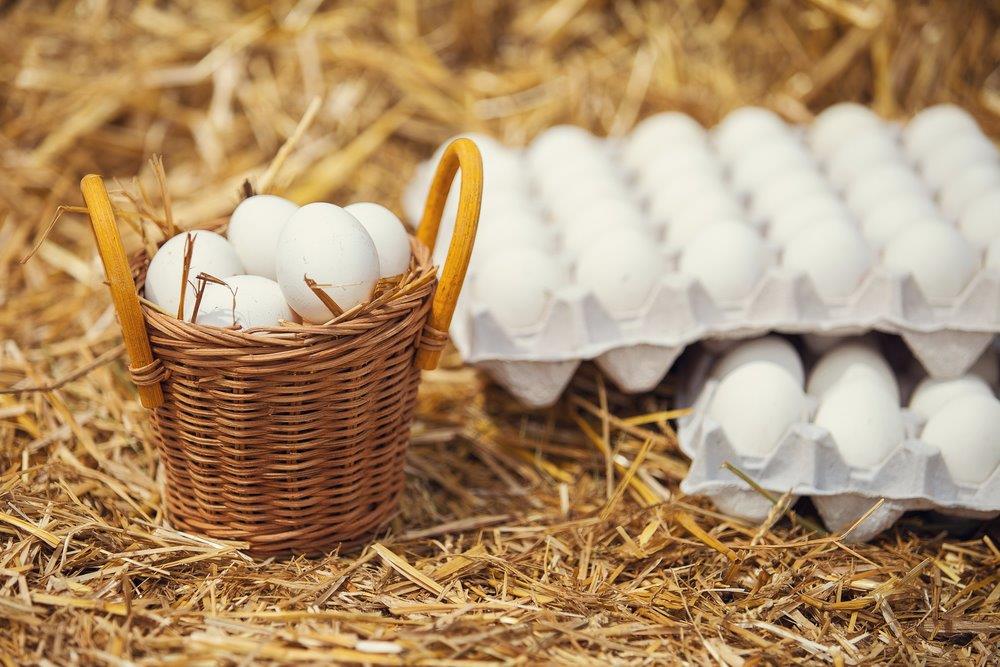
- Egg Shell Color: White
- Egg Production: Fair
- Egg Size: Small
- Temperament: Active
- Fertility Percentage: 40-55%
- Broody: Setter
- Mating Ratio: 9 Females to 1 Male
- Roost Height: 4+ feet
- Country of Origin: Asia, Island of Sumatra
- APA: Yes, Recognized by American Standard of Perfection in 1883
- TLC: Yes, Threatened Status, Considered a sustainable heritage chicken breed.
- Breeder Farm Source: Cackle Hatchery® Poultry Breeding Farm has been developing our bloodline or strain of pure Black Sumatra since 1979.
Black Sumatra Chicken
Breed Overview and Origin
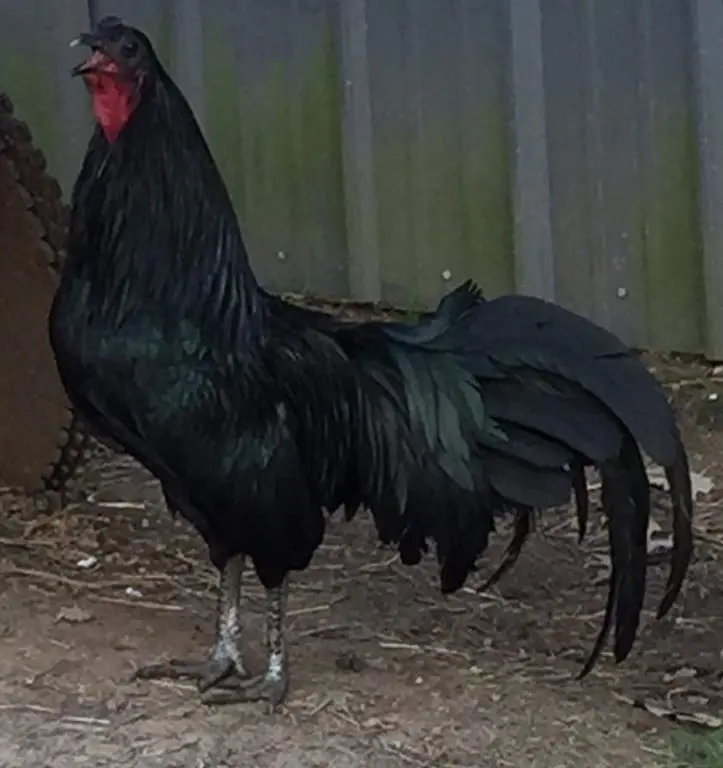
The Black Sumatra chicken is a rare, elegant longtail breed with a dramatic look and an alert, active nature. If you want an ornamental chicken that stands out from common backyard layers, the Black Sumatra brings a very different kind of beauty to the flock.
Sumatras trace back to Southeast Asia, especially the island of Sumatra in Indonesia. Early birds came to the United States in the 1800s, and the breed first gained attention because of its game-bird background and striking appearance. The Black variety entered the American Poultry Association Standard of Perfection in 1883. The Livestock Conservancy notes that Sumatra chickens are small, active, alert birds, and that the Black variety was the first recognized color.
This breed is best suited for people who appreciate rare, ornamental, longtail chickens. It is not the right choice if your main goal is heavy egg production or meat. But if you want a graceful bird with glossy black feathering, a dark face, and a long flowing tail, the Black Sumatra is hard to ignore.
Appearance and Characteristics
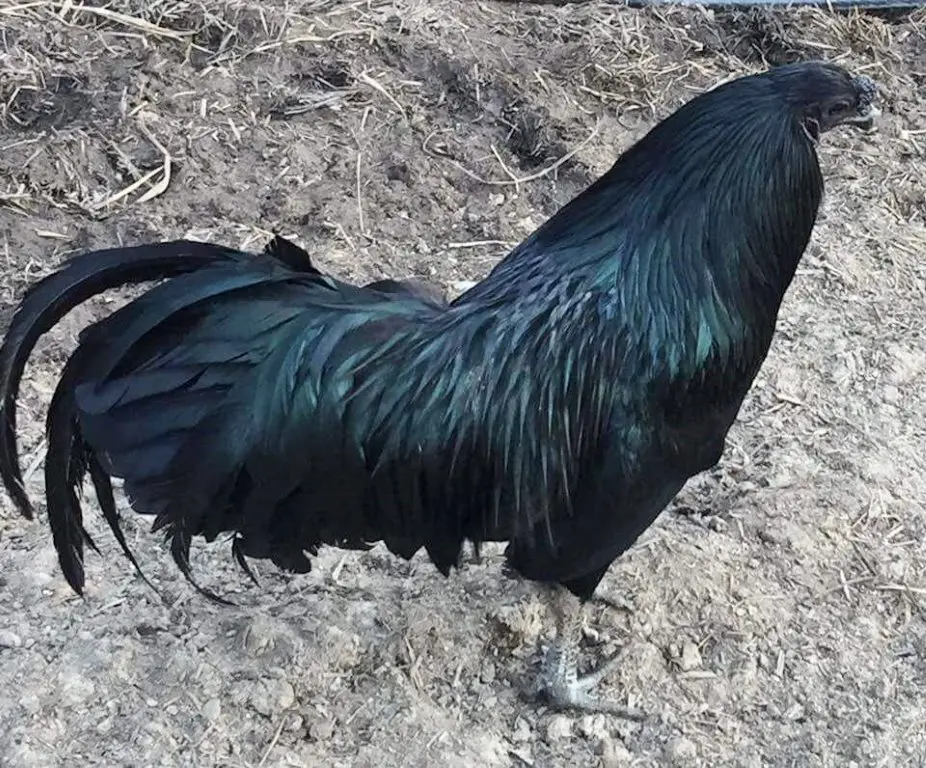
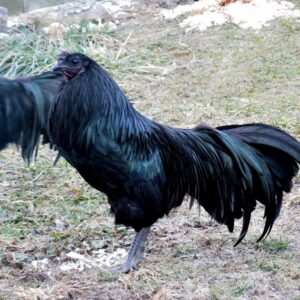
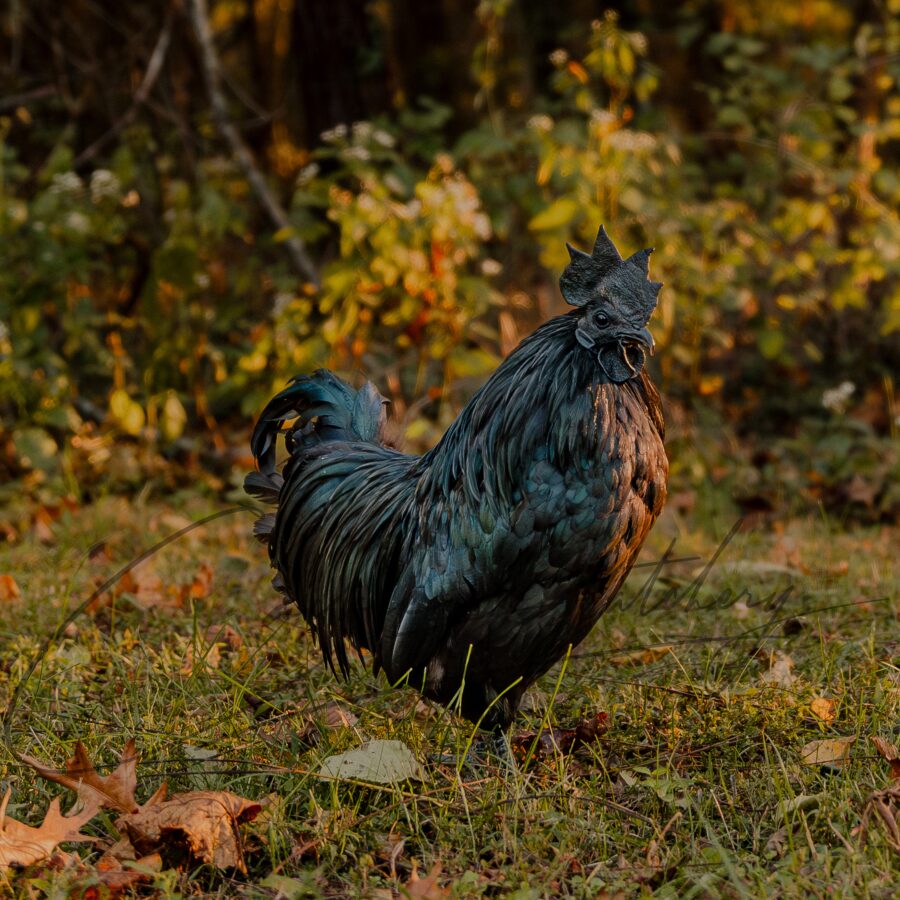
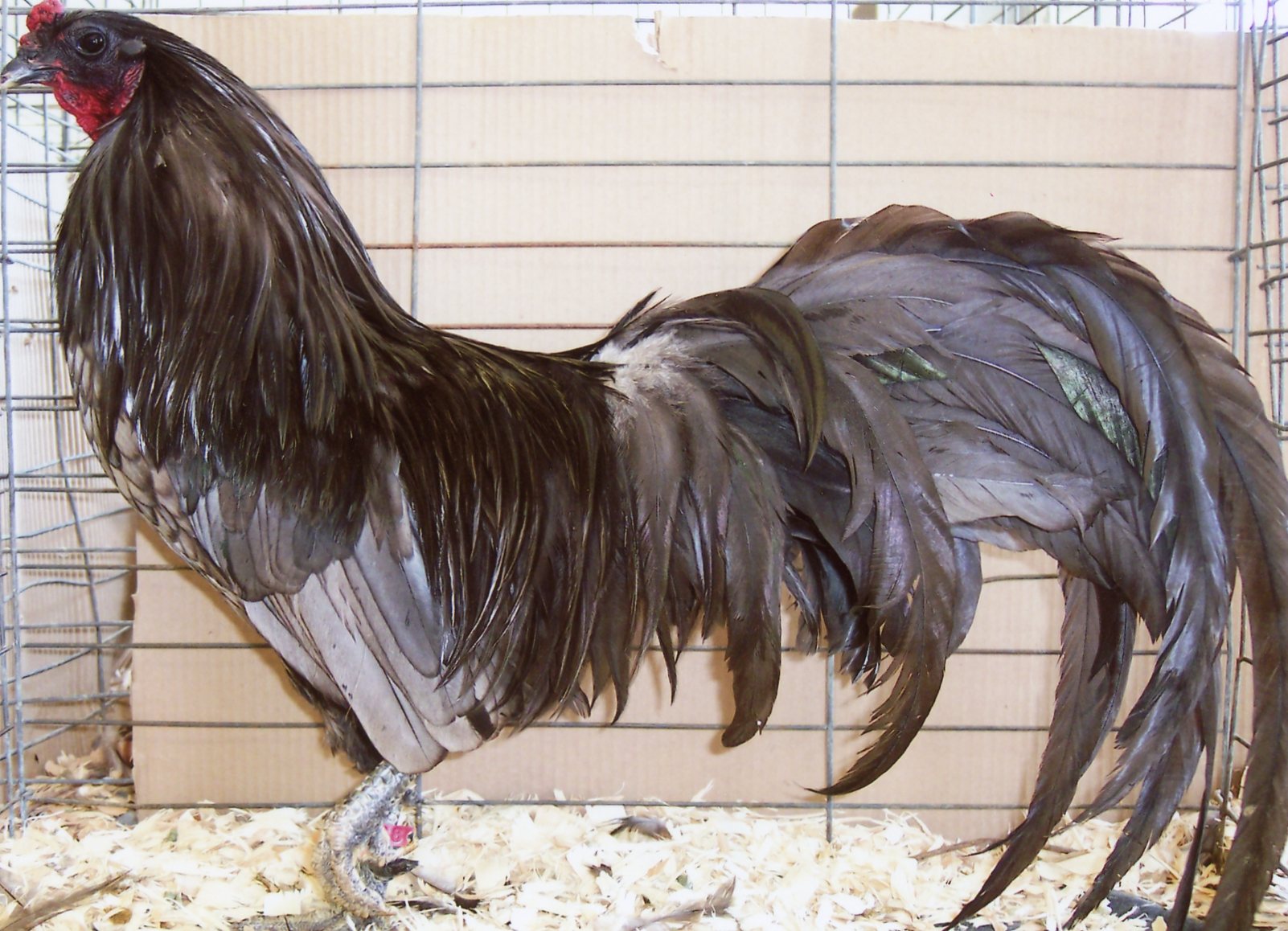
Black Sumatras have rich black plumage with a beautiful green sheen in the sunlight. Their faces can appear dark to nearly black, which adds to their dramatic look. The long tail gives them a graceful, almost wild appearance compared with ordinary backyard breeds.
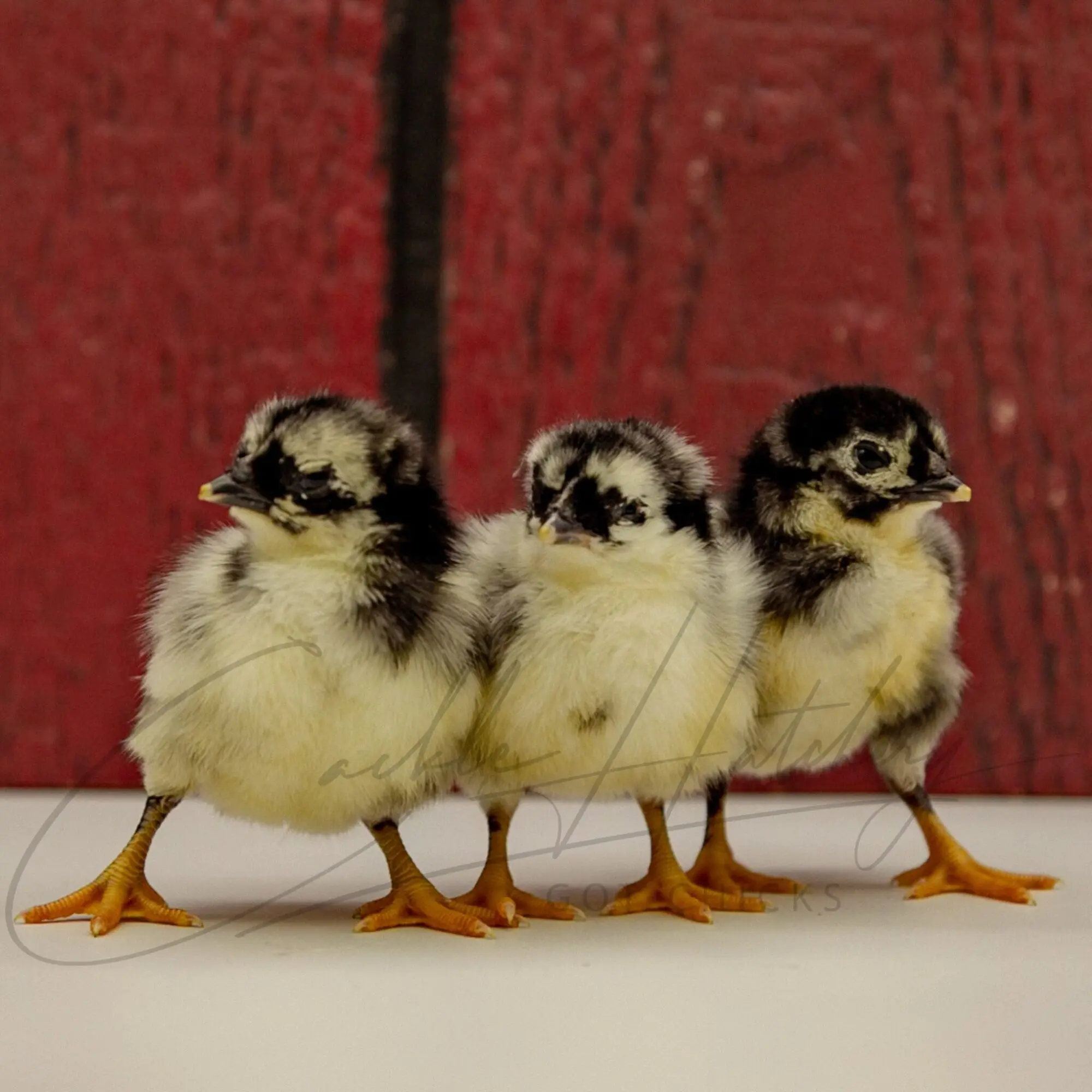
Young birds may show a few white feathers during their first and second feathering stages. That is normal. By around 6 months of age, they should mature into solid black adult plumage.
Sumatras are also athletic. Unlike many heavier breeds, they can fly well and move quickly. The Livestock Conservancy describes them as active and alert, with a strong ability to launch upward when avoiding danger. Because of that, plan your housing carefully. A secure run, covered area, or safe free-range setup will help keep them where you want them.
Black Sumatra vs Blue Sumatra
Black and Blue Sumatras belong to the same breed family, but they differ in feather color. Choose Black Sumatras if you want the original APA-recognized variety with deep black plumage and green sheen. Choose Blue Sumatras if you prefer softer blue-gray plumage.
Both varieties are rare, ornamental, and longtailed. Your choice may come down to the color you like best and what is available for your hatch date.
Longtail Breed Care
Black Sumatras belong to the longtail chicken group. That means tail care matters more than it does with most backyard breeds.
Longtail birds need clean, dry housing so their feathers stay in good condition. Muddy runs, cramped coops, and rough roosting areas can damage the tail. Cackle’s article Care and Feeding of Longtail Roosters explains that longtail chickens need special care to maintain their beauty, including attention to housing, roosts, and feather condition.
You do not have to treat them like fragile show birds if you are keeping them for backyard enjoyment. Still, they do better when you give them clean bedding, dry footing, enough space, and roosts that protect the tail instead of breaking it.
Egg Production and Utility
Black Sumatras are ornamental birds first. They can lay eggs, but they are not production layers.
Egg color is generally white to cream. The Livestock Conservancy notes that Sumatra hens may lay about 130 eggs per year and can be good sitters. That makes them more useful than some purely ornamental birds, but you should not choose them if you want a high-volume egg flock.
They also are not meat birds. Their value comes from beauty, rarity, long tails, dark features, and breed history. If your goal is eggs or meat, compare production layers or dual-purpose breeds instead.
Temperament and Suitability
Black Sumatras are active, alert, and independent. They are not the calmest or heaviest backyard breed, but they bring energy and style to a flock.
They can work well for experienced keepers, rare breed enthusiasts, ornamental flocks, and poultry hobbyists who enjoy longtail birds. Beginners can raise them too, but they should know that Sumatras need more attention to fencing, flight ability, and tail care than many common breeds.
Because of their active nature, they appreciate room to move. If you keep them confined, provide enough space and enrichment. If you let them range, remember that they can fly and may roost higher than expected. Predator protection matters with every breed, but especially with active birds that like to explore.
Is the Black Sumatra Chicken Right for Your Flock?
Choose Black Sumatras if you want:
A rare ornamental chicken
A glossy black longtail breed
A bird with a dark face and dramatic appearance
An active, alert chicken
A breed with Southeast Asian roots
A showy flock addition
A white or cream egg layer with modest production
A bird for rare breed or longtail poultry projects
Overall, this breed is a good fit if you want beauty, rarity, and motion in the flock. Black Sumatras may not be the best choice for a simple egg basket, but they are a wonderful option if you want chickens that look elegant and different from everyday barnyard breeds.
If you are still comparing breeds, the Chicken Breed Selector and Chicken Breeds List Comparison Chart can help you sort birds by purpose, size, temperament, and flock goals.
Breed History and Preservation
The Sumatra breed traces back to birds imported from Southeast Asia in the 1800s. Early American interest focused on their game-bird history, dark features, long tails, and athletic carriage.
The Black variety entered the American Standard of Perfection in 1883, making it the original recognized Sumatra color in the United States. Today, the breed also appears in other colors, including Blue.
Cackle Hatchery® has developed its pure Black Sumatra bloodline since 1979, which gives this rare breed a long place in the hatchery’s breeding program.
Recognition and Availability
The American Poultry Association recognizes the Black Sumatra, with the Black variety admitted in 1883. The breed belongs to the ornamental and exhibition side of poultry keeping more than the production side.
You can choose Black Sumatra chicks when they are available. Sumatras may also appear in certain longtail or exotic fowl assortments, depending on the offer and availability. Cackle’s Long Tail Surplus special may include longtail breeds, but that assortment is hatchery choice and does not guarantee a specific breed or color.
Before you plan your order, check the Availability Chart for current hatch and shipping options.
Related Breeds and Helpful Cackle Hatchery® Resources
If you like Black Sumatras, you may also want to compare Blue Sumatras, Phoenix chickens, Yokohamas, Cubalayas, and other longtail or ornamental breeds.
For more background, read Breed Spotlight: Lovely Longtail Chickens and Care and Feeding of Longtail Roosters. The longtail spotlight explains that Sumatras are one of the longtail breeds found in North America, while the care article gives practical guidance for maintaining long tail feather condition.
For broader flock planning, browse rare chicken breeds, baby chicks for sale, and the Chicken Breed Selector.
FAQ: Black Sumatra Chicken
What is a Black Sumatra chicken?
A Black Sumatra chicken is a rare ornamental longtail breed known for glossy black plumage, dark facial skin, athletic movement, and a long flowing tail.
Where did Black Sumatras originate?
Sumatras trace back to Southeast Asia, especially the island of Sumatra in Indonesia. Early birds came to the United States in the 1800s.
When did the APA recognize Black Sumatras?
The American Poultry Association recognized the Black Sumatra in 1883. The Black variety was the original recognized Sumatra color.
Are Black Sumatras good egg layers?
They lay some eggs, but they are not production layers. Expect modest white to cream egg production rather than a heavy egg basket.
What color eggs do Black Sumatras lay?
They generally lay white to cream-colored eggs.
Are Black Sumatras good for meat?
No. They are best kept as ornamental, rare, or exhibition birds rather than meat chickens.
Are Black Sumatras friendly?
They are active and alert. Some can become manageable with steady handling, but they are usually more independent than calm dual-purpose breeds.
Are Black Sumatras good for beginners?
They can work for beginners who understand their needs, but they are better for keepers who want rare ornamental birds and can manage flight ability, fencing, and longtail care.
Can Black Sumatras fly?
Yes. Sumatras are athletic and can fly better than many common chicken breeds. A secure setup helps keep them safe and contained.
Why do young Black Sumatras have white feathers?
Some young birds may show white feathers during their first and second feathering stages. By about 6 months, they should mature into solid black adult plumage.
Do Black Sumatras have long tails?
Yes. Black Sumatras are longtail chickens. Their tails help give the breed its graceful, ornamental look.
Do longtail chickens need special care?
Yes. Clean, dry housing and good roost design help protect long tail feathers from mud, breakage, and wear. Cackle’s Care and Feeding of Longtail Roosters article gives helpful tips.
What is the difference between Black Sumatra and Blue Sumatra?
Black Sumatras have glossy black plumage with a green sheen. Blue Sumatras have blue-gray plumage. Both belong to the same rare longtail breed family.
Are Black Sumatras rare?
Yes. They are much less common than standard backyard layers and are usually kept for ornamental, rare breed, or exhibition interest.
Where can I check chick availability?
Check the Availability Chart for current hatch and shipping options.
Ordering Information
Check the current price, stock status and selectable options displayed on this page. Read the product information and applicable policies before adding this item to your cart.
Related Products
Related products