




Buy Black Spanish Turkey Online
Buy black spanish turkey online from cackle hatchery. Compare the bird or breed details, available options, current availability and delivery conditions before ordering.
Black Spanish Turkey
Breed Facts
- Poultry Show Class: Turkeys
- Weights: Hen—–14 lbs
Tom—-23 lbs - Purpose and Type: Egg Laying and Meat; Exhibition
- Egg Color: Off White with brown specks
- Egg Production: Poor
- Egg Size: Large to Extra Large
- Temperament: Active
- Fertility Percentage: 60-75%
- Broody: Setters
- Mating Ratio: 7 Females to 1 Male
- Roost Height: 2+ feet
- Country of Origin: North America
- APA: Yes, Recognized by the Standard of Perfection in 1874
- TLC: Watch Status, considered a Sustainable Heritage Turkey Breed.
- Breeder Farm Source: “Cackle Hatchery® Poultry Breeding Farm” developing our bloodline or strain of pure Black Spanish Turkey breed since 1976. .
Black Spanish Turkey
Breed Overview and Origin
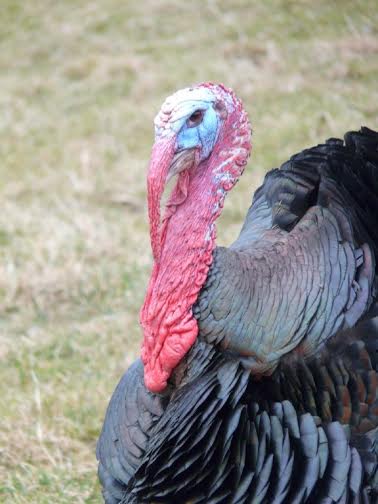
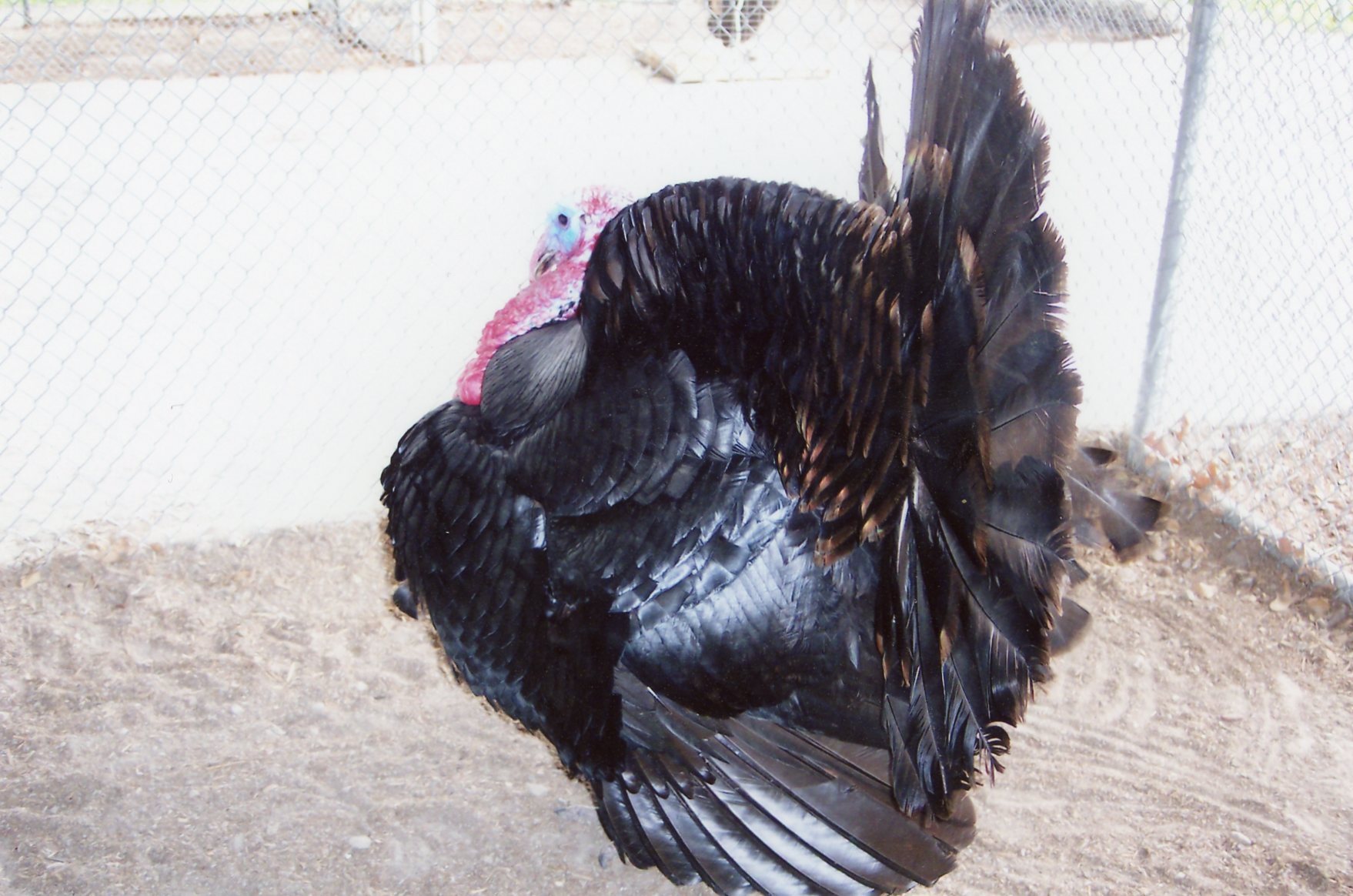
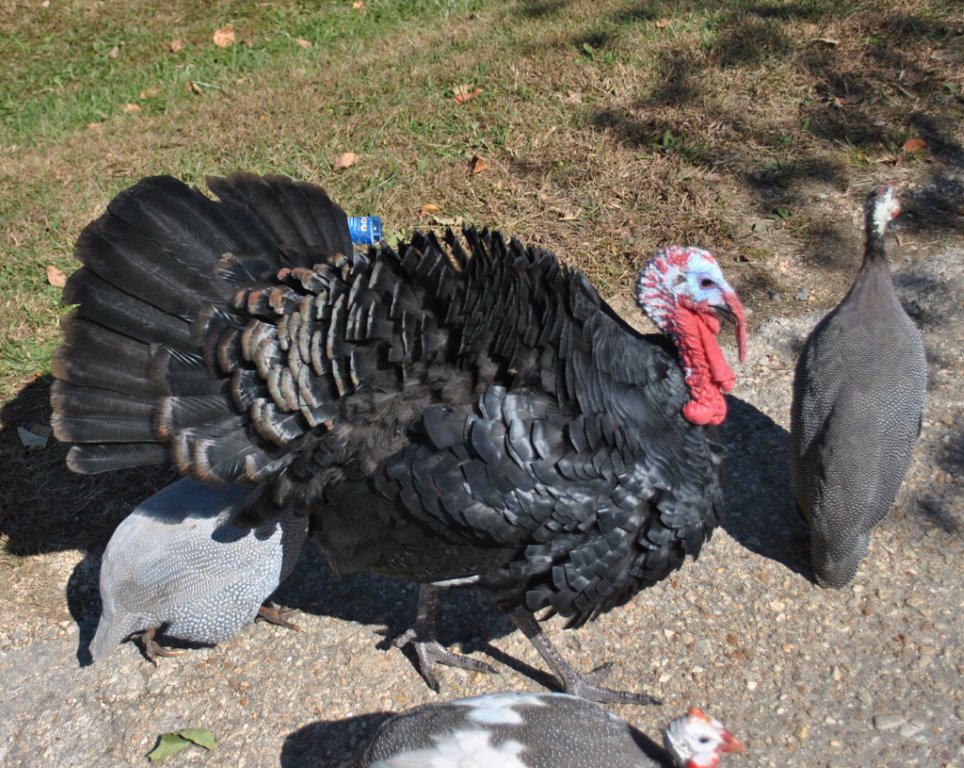
The Black Spanish Turkey is a rare heritage turkey with deep black adult plumage, natural breeding ability, and a long history connected to the earliest domesticated turkeys. If you want a traditional turkey variety for a homestead, small farm, breeding flock, meat project, or exhibition pen, this breed is a strong choice.
This turkey can be traced back to the 1500s, when explorers carried Mexican turkeys to Europe. Over time, descendants of those birds were brought back to the Americas, where they became part of the foundation of several historic turkey varieties.
Cackle Hatchery® sells Black Spanish Turkey poults as baby poults only. Cackle’s product listing notes that its poultry breeding farm has developed a pure Black Spanish Turkey bloodline since 1976.
Appearance and Characteristics
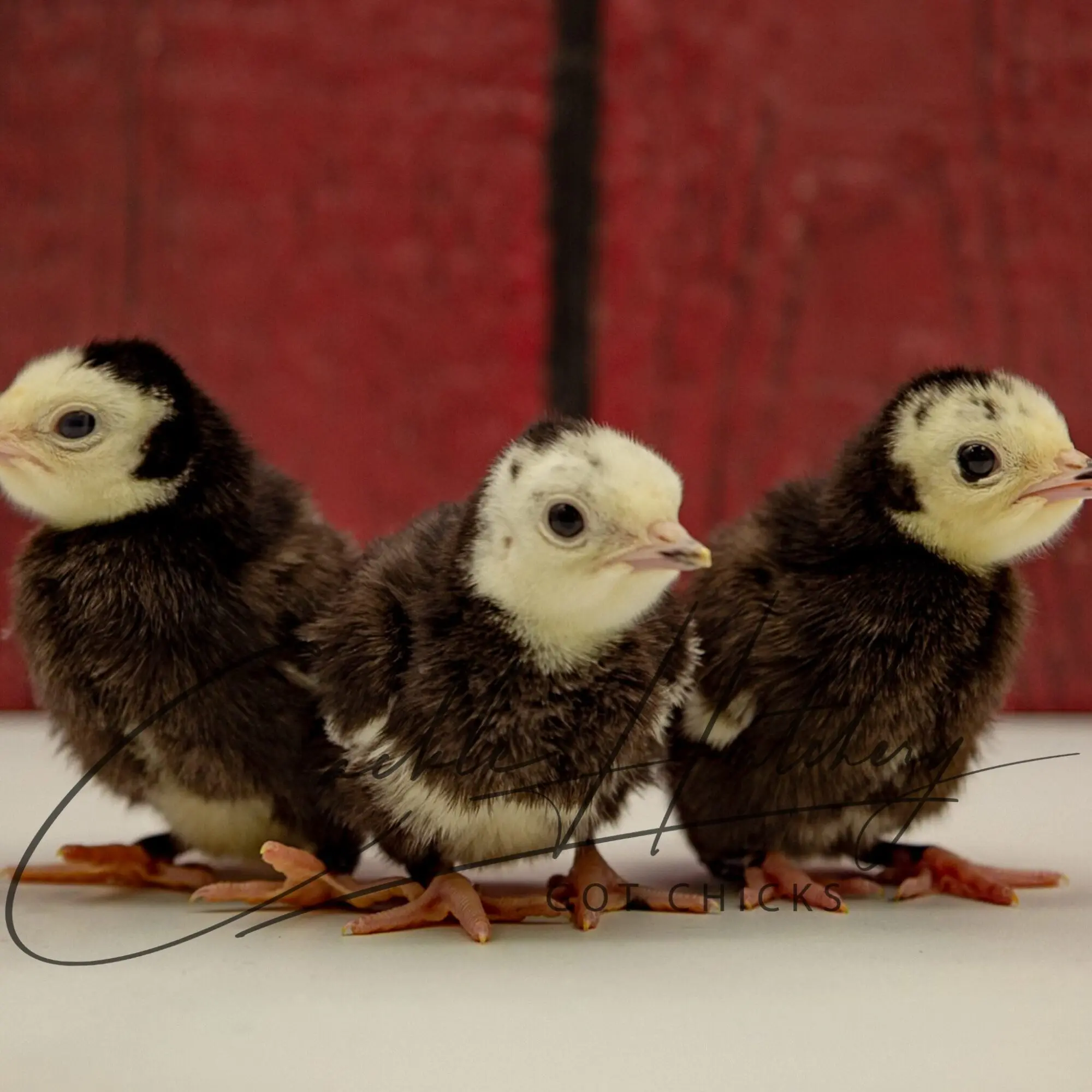
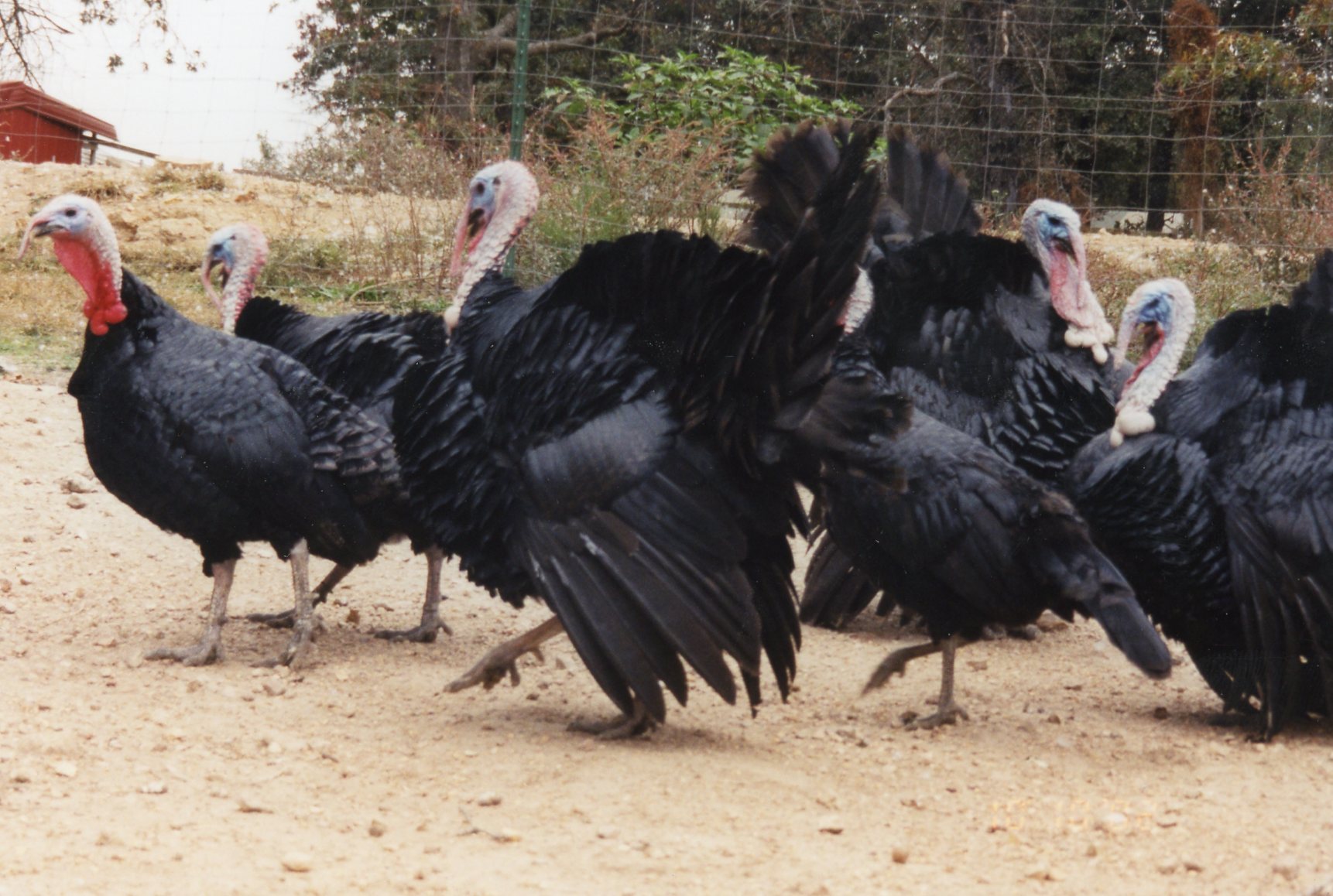
Black Spanish poults often start with lighter feathering. As they grow, they mature into mostly black adults, though some birds may show brown tones in the background of the black feathering.
The adult color gives this variety a bold, classic look. It is especially appealing for customers who like dark-feathered heritage poultry and want a traditional turkey with a strong farmyard presence.
Because this is a heritage turkey, it grows and behaves differently from broad breasted production turkeys. Customers should expect a more active bird with better natural movement and breeding ability, rather than a fast-growing commercial meat turkey.
Rare Heritage Turkey Value
This variety is considered rare and belongs in Cackle’s Heritage Turkeys category. Heritage turkeys are often valued by small farms and homesteads because they can naturally reproduce, forage well, and maintain more traditional turkey traits than broad breasted types.
The breed was admitted into the American Standard of Perfection in 1874, making it one of the historic standard turkey varieties. That long recognition gives it special appeal for customers who enjoy old poultry breeds, preservation-minded flocks, or exhibition projects.
Black Spanish Turkey vs Black Slate Turkey
Black Spanish and Black Slate Turkey poults can both mature into mostly dark birds, but they are different heritage varieties.
Choose Black Spanish if you want a historically important black turkey that traces back to early domesticated turkey movement between Mexico, Europe, and the Americas. Choose Black Slate if you want a black bird from the Slate turkey color family, where Blue Slate genetics can also produce blue and splash color patterns.
Both can work well for customers who want rare heritage turkeys, natural reproduction, meat value, and free-range or homestead use.
Black Spanish Turkey vs Broad Breasted Turkeys
This heritage variety is very different from broad breasted production turkeys.
Choose Black Spanish if you want a naturally reproducing turkey with heritage value, active behavior, and a traditional body type. Choose a broad breasted turkey if your main goal is the fastest meat production and the largest breast size.
Cackle’s article Turkey Mating Ratio for Good Fertility explains that heritage turkeys reproduce through natural mating, while broad breasted turkeys generally require artificial insemination because of their body structure.
Free-Range and Homestead Use
Black Spanish turkeys can be a good choice for homesteads, small farms, and customers who want traditional poultry with more natural flock behavior. They are active birds that need space, secure shelter, clean water, proper feed, and predator protection.
Turkey poults need careful brooding. Cackle’s Starve-Out in Turkey Poults explains that poults can fail to start eating, but the issue can often be prevented with proper poult management.
Customers new to turkeys should also read How to Brood Turkey Poults before their poults arrive. Good brooder setup, warmth, clean bedding, fresh water, and the right starter feed are especially important for young turkeys.
Meat, Eggs, and Exhibition Value
Black Spanish turkeys can be raised for meat and exhibition, and hens may lay seasonal eggs. However, customers should not think of turkeys as high-production egg birds.
Cackle’s How Many Eggs Does a Turkey Lay? explains that even the best laying turkeys do not lay nearly as well as the best laying chickens. For most customers, turkey eggs are a seasonal benefit rather than the main reason to keep turkeys.
For customers who want a heritage flock with meat value, visual appeal, and breeding potential, this variety is a good fit.
Breeding and Natural Reproduction
One of the strongest reasons to choose this breed is natural reproduction. Black Spanish turkeys are one of the naturally reproducing heritage turkey breeds, unlike broad breasted turkeys that generally cannot mate efficiently because of their body shape.
If customers plan to raise breeding groups, they should pay attention to mating ratios, flock health, and bird condition. Cackle’s Turkey Mating Ratio for Good Fertility is the best internal resource to place here for customers planning a breeding flock.
Keeping Turkeys With Chickens
Some customers want to raise turkeys and chickens together. This can work in some situations, but it requires caution.
Cackle’s Keeping Turkeys With Chickens explains that many poultry keepers raise them together, but blackhead disease is the main concern. The article notes that blackhead can spread through cecal worms and their eggs, which turkeys may ingest while foraging.
For a deeper health resource, customers should also read Blackhead in Turkeys Is a Serious Disease. Cackle explains that blackhead, technically called histomoniasis, is caused by Histomonas meleagridis protozoa and can cause serious liver damage in turkeys.
Sexing Turkey Poults
Turkey poults are difficult to sex when young. Cackle’s Sexing Turkey Poults and Guinea Keets explains that males and females of the same breed or variety usually look much alike until they are nearly mature.
Customers ordering poults should plan for straight-run or not-sexed expectations if that is how the product is listed at the time of ordering.
Shipping Note
Cackle Hatchery® cannot ship turkeys to Hawaii. Keep this shipping note clear on the product page so customers can plan before ordering.
Availability changes by hatch date and season. Customers should check the Black Spanish Turkey product page and Cackle’s Availability Chart before placing an order.
Is This Breed Right for Your Flock?
Choose this variety if you want:
A rare heritage turkey
A naturally reproducing turkey breed
A mostly black adult bird
A traditional turkey with historic roots
A turkey admitted to the Standard in 1874
A bird for meat and exhibition
A homestead or small farm turkey
A turkey with lighter poult feathering that darkens with maturity
A bird connected to early Mexican, European, and American turkey history
A rare turkey option to compare with Black Slate and other heritage varieties
Overall, this is a great choice if you want a historic, naturally breeding turkey with rare heritage value and strong farmyard appeal. It is not the best choice for customers who want the fastest broad breasted meat turkey, but it is excellent for small farms, homesteads, heritage poultry keepers, and customers who enjoy traditional turkey breeds.
Customers still comparing turkey breeds can use Cackle’s Turkeys for Sale, Heritage Turkeys, or Turkey Breeds List Comparison Chart.
Breed History and Preservation
The Black Spanish Turkey has a deep history tied to early domesticated turkeys. In the 1500s, explorers carried Mexican turkeys to Europe, where black varieties became established. Later, descendants returned to the Americas and became part of the historic turkey breeds raised by farmers.
Because this variety is rare and naturally reproducing, it has value for customers interested in poultry preservation and traditional flock management. Cackle’s product listing also notes that its breeding farm has developed its pure bloodline since 1976.
Today, this turkey remains a meaningful option for customers who want a heritage breed with history, beauty, and natural reproduction.
Recognition and Availability
The breed was admitted into the American Standard of Perfection in 1874. Cackle Hatchery® sells Black Spanish Turkey poults as a rare heritage turkey option.
Customers who like this variety may also want to compare Black Slate Turkey, Blue Slate Turkey, Narragansett Turkey, Royal Palm Turkey, Heritage Bronze Turkey, and Surplus Rare Turkey Special. Cackle’s surplus rare turkey special may include Bourbon Red, Royal Palm, Blue Slate, Black Slate, Narragansett, Bronze Heritage Standard, and Black Spanish turkeys depending on hatch availability.
Related Breeds and Helpful Cackle Hatchery® Resources
If you like this variety, you may also want to compare Black Slate Turkey, Blue Slate Turkey, Narragansett Turkey, Royal Palm Turkey, Heritage Bronze Turkey, and Surplus Rare Turkey Special.
Helpful Cackle resources include Starve-Out in Turkey Poults, How to Brood Turkey Poults, Turkey Mating Ratio for Good Fertility, Keeping Turkeys With Chickens, How Many Eggs Does a Turkey Lay?, Blackhead in Turkeys Is a Serious Disease, and Sexing Turkey Poults and Guinea Keets.
For browsing, use Turkeys for Sale, Heritage Turkeys, Turkey Bargain Specials, Turkey Breeds List Comparison Chart, and Availability Chart.
FAQ: Black Spanish Turkey
What is a Black Spanish Turkey?
It is a rare heritage turkey known for mostly black adult plumage, historic roots, and natural breeding ability.
Where did this turkey originate?
The breed traces back to Mexican turkeys carried to Europe by explorers in the 1500s and later brought back to the Americas.
When was it admitted into the American Standard of Perfection?
It was admitted into the American Standard of Perfection in 1874.
What do the poults look like as they grow?
Poults may have lighter feathering when young. As they mature, they become mostly black, sometimes with brown tones in the background of the black feathering.
Are these heritage turkeys?
Yes. They are rare heritage turkeys and are listed with Cackle’s heritage turkey offerings.
Can this breed reproduce naturally?
Yes. This is one of the naturally reproducing turkey breeds.
How is this breed different from broad breasted turkeys?
Heritage turkeys can reproduce naturally and have a more traditional body type. Broad breasted turkeys are designed for fast meat production and generally require artificial insemination.
Are these good for meat?
Yes. They can be raised for meat, although they are heritage-style turkeys rather than fast-growing broad breasted production birds.
Are they good for exhibition?
Yes. Their rare heritage status, dark plumage, and historic background make them appealing for exhibition-minded keepers.
Are they good egg layers?
They may lay seasonal eggs, but turkeys are not high-production egg birds. Cackle’s turkey egg article explains that even the best laying turkeys do not lay nearly as well as the best laying chickens.
Are turkey poults hard to brood?
Turkey poults need careful early care. Cackle’s Starve-Out in Turkey Poults explains how poults may fail to start eating and how good management can help prevent the issue.
Can turkeys live with chickens?
Sometimes, but customers should understand blackhead disease risks. Cackle’s Keeping Turkeys With Chickens explains the concern and why some poultry keepers still raise them together.
What is blackhead disease?
Blackhead, or histomoniasis, is a serious turkey disease caused by Histomonas meleagridis protozoa. Cackle’s blackhead article explains that it can damage the ceca and liver.
Can you sex turkey poults?
Not reliably at hatch for most keepers. Cackle’s Sexing Turkey Poults and Guinea Keets explains that males and females usually look alike until they are nearly mature.
Can Cackle Hatchery® ship turkeys to Hawaii?
No. Cackle Hatchery® cannot ship turkeys to Hawaii.
Does Cackle Hatchery® sell this variety as poults?
Yes. Cackle sells Black Spanish Turkey poults.
Where can I check availability?
Check Cackle Hatchery’s Availability Chart and the product page for current hatch and shipping options.
Ordering Information
Check the current price, stock status and selectable options displayed on this page. Read the product information and applicable policies before adding this item to your cart.
Related Products
Related products