


Buy Black Breasted Red Cubalaya Bantam Online
Buy black breasted red cubalaya bantam online from cackle hatchery. Compare the bird or breed details, available options, current availability and delivery conditions before ordering.
Black Breasted Red Cubalaya Bantam
Breed Facts
- Poultry Show Class: All Other Combs Clean Legged Bantams
- Weights: Hen—–22 oz Rooster——26 oz
Pullet—20 oz Cockerel—-22 oz - Purpose and Type: Ornamental, Feathers; Exhibition
- Egg Shell Color: Cream or Tinted bantam sized eggs
- Egg Production: Fair
- Egg Size: Small
- Temperament: Active
- Fertility Percentage: 40-55%
- Broody: Setters
- Mating Ratio: 8 Females to 1 Male
- Roost Height: 4+ feet
- Country of Origin: Cuba
- APA: Yes, Recognized by the Standard of Perfection in 1960
- TLC: Not Listed
- Breeder Farm Source: Cackle Hatchery® Breeding Farm has been developing our bloodline/strain of Cubalaya Bantam chicken breed since 1982.
Black Breasted Red Cubalaya Bantam
The Black Breasted Red Cubalaya Bantam Chicken is a rare and eye-catching miniature Cubalaya with bold black-and-red feathering, a pea comb, clean legs, and the breed’s famous low-carried tail. This bantam is a strong choice for customers who enjoy hard-to-find poultry, unusual show birds, and small chickens with a lot of character.
Cubalayas originated in Cuba and remain one of the most distinctive chicken breeds in the poultry world. Their graceful body shape, active nature, and unique tail carriage make them stand apart from more common bantams.
Cackle Hatchery® sells Black Breasted Red Cubalaya Bantams as baby chicks only.
Breed Overview and Origin
Cubalaya chickens originated in Cuba during the 1800s. The breed traces back to Malay and Sumatra chickens brought from the Philippines, along with European gamefowl influence. Cuban breeders shaped those bloodlines into a graceful, active, multi-purpose chicken with a pea comb, elegant body, and low-carried tail.
The bantam version offers the same Cubalaya style in a smaller package. For customers who like rare poultry, bantams, exhibition birds, or breeds with deep history, the Black Breasted Red Cubalaya Bantam brings something special to the flock.
The Cubalaya is also notable because it is the only chicken breed officially recognized as originating in Cuba.
Appearance and Characteristics
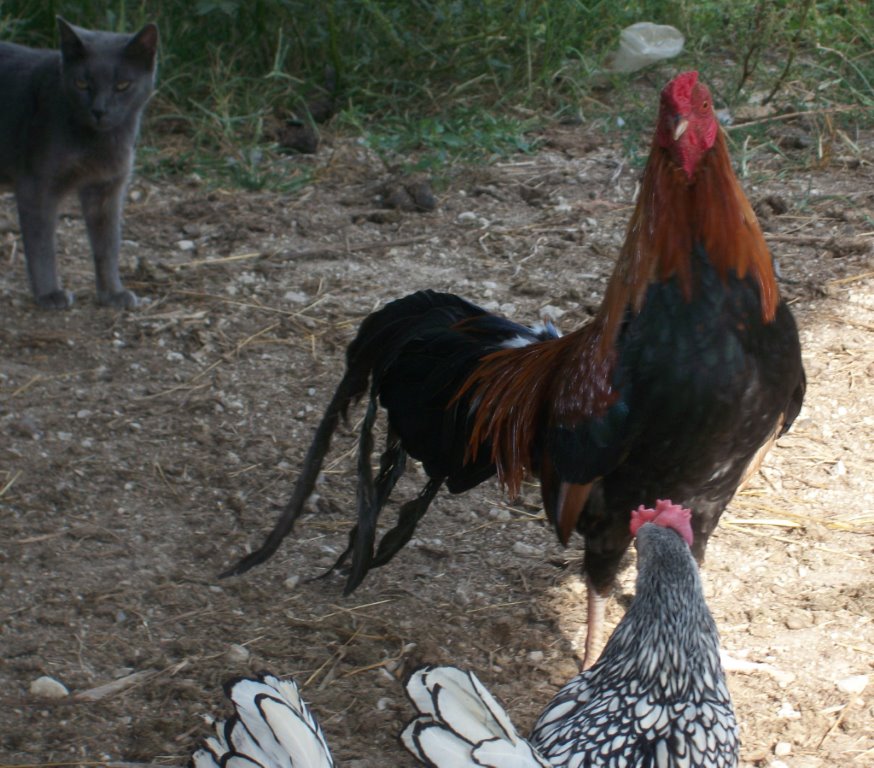
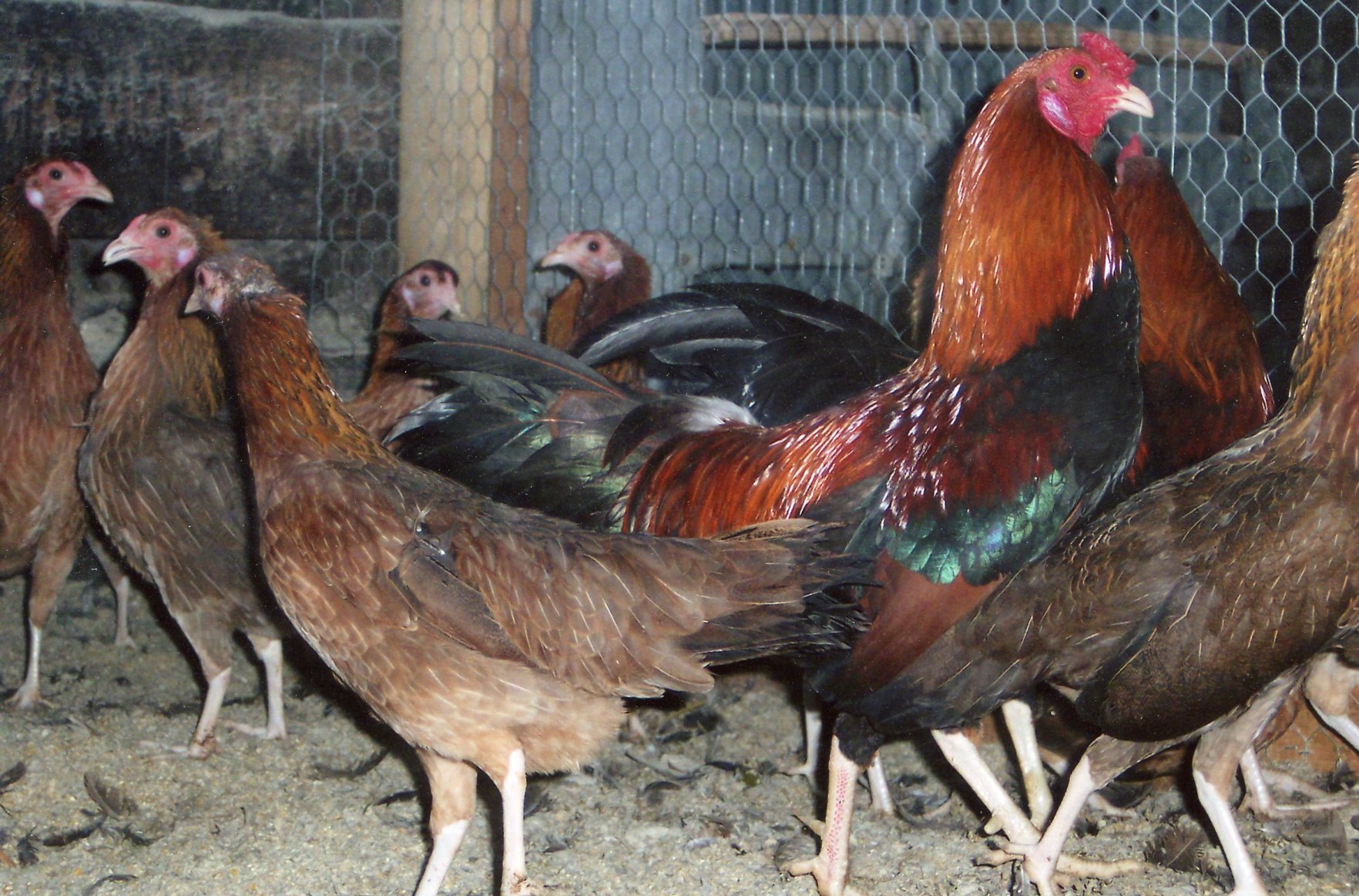
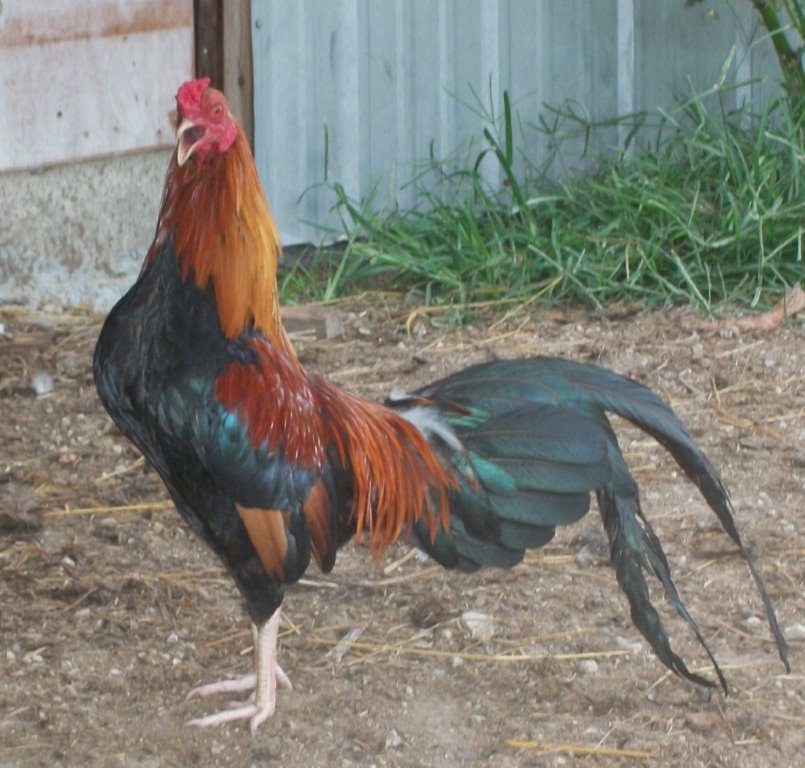
Black Breasted Red Cubalaya Bantams have rich black-and-red feathering, clean legs, a pea comb, and a distinctive low-carried tail. That tail is one of the easiest ways to identify the breed.
Instead of carrying the tail high like many chickens, Cubalayas carry it lower. This gives the bird a long, graceful outline and a very different look from most bantam breeds.
The Cubalaya tail is often described as a “lobster tail” because of its downward angle and unique feathering. This tail style helps separate the breed from other ornamental or longtail-type chickens.
Because this is a bantam, the bird stays much smaller than a standard-size Cubalaya. Even so, it still needs secure housing, clean water, balanced feed, and enough room to stay active.
Black Breasted Red Cubalaya Bantam vs Wheaten Cubalaya Bantam
Black Breasted Red Cubalaya Bantams and Wheaten Cubalaya Bantams share the same Cuban breed background, bantam size, pea comb, clean legs, and low tail carriage. The main difference is feather color.
Choose Black Breasted Red Cubalaya Bantams if you want a bold black-and-red bird with strong show appeal.
Choose Wheaten Cubalaya Bantams if you prefer a softer wheaten color pattern.
Both varieties are rare, active, and attractive. Your choice mostly depends on color preference, availability, and the look you want in your bantam flock.
Cubalaya vs Sumatra and Malay Chickens
Cubalayas have breed history connected to Sumatra and Malay chickens, but they are their own Cuban breed.
Choose Cubalayas if you want a rare Cuban chicken with a pea comb, low-carried tail, elegant body, and active personality.
Choose Sumatras if you want a longtail ornamental breed with a more flowing tail style.
Choose Malay chickens if you want a much taller, more upright game-type bird.
The Cubalaya stands in its own category. It is active, graceful, rare, and different from both of its ancestral influences.
Show Quality and Exhibition Use
The Black Breasted Red Cubalaya Bantam can make an excellent show bird. Its bold color, pea comb, rare breed status, and low-carried tail give exhibitors something memorable to work with.
The Black Breasted Red Cubalaya Bantam was admitted into the American Poultry Standard of Perfection in 1960. The black-breasted red pattern is also one of the standard Cubalaya color varieties.
For show projects, customers should focus on:
Clean feather condition
Correct body type
Strong color
Healthy condition
Proper tail carriage
Good presentation
Calm handling
Clean housing
A clean pen, good nutrition, and regular handling can help these bantams look their best.
Egg Production and Utility
Black Breasted Red Cubalaya Bantams may lay small bantam eggs, but they are not heavy production layers. Customers usually choose this breed for rarity, appearance, exhibition value, and breed interest rather than egg volume.
Standard Cubalayas historically served several purposes, including meat, eggs, and sport. However, in bantam size, this variety works best for ornamental flocks, small eggs, show projects, and rare breed preservation.
If your main goal is a full egg basket, a production layer or standard-size egg breed will be a better fit. However, if you want a rare bantam with Cuban history, bold color, and a one-of-a-kind outline, this variety is a rewarding choice.
Temperament and Suitability
Black Breasted Red Cubalaya Bantams are active, alert, and interesting to keep. They can work well for bantam keepers, rare breed enthusiasts, hobby flocks, and exhibition projects.
With regular handling, many Cubalayas can become personable and enjoyable to manage. Their active nature also makes them fun to watch in a safe run or supervised free-range setup.
Because they are bantams, predator protection matters. Hawks, cats, raccoons, and other predators can be a bigger risk to small birds than to larger chickens. A secure coop, safe run, and covered areas help protect them.
Low Tail and Feather Care Notes
Cubalayas are sometimes discussed near longtail-type breeds because of their unusual tail and graceful feathering. However, the Cubalaya tail is not carried like a Phoenix or Yokohama tail.
A Cubalaya tail is carried low. That low carriage is part of the breed’s correct character.
To help keep feathers in good condition, provide:
Clean bedding
Dry footing
Safe roosts
Enough pen space
Protection from mud
Smooth surfaces where possible
A clean run or supervised range area
Good housing helps prevent tail feather breakage and keeps these bantams looking their best.
Is This Breed Right for Your Flock?
Choose Black Breasted Red Cubalaya Bantams if you want:
A rare Cuban bantam
A miniature Cubalaya chicken
Bold black-and-red feathering
A pea comb
Clean legs
A low-carried tail
A good show bird
A hard-to-find breed
A small active flock bird
A bantam with Malay and Sumatra ancestry
A bird for ornamental or exhibition interest
This breed is not the best choice for customers who want heavy egg production, large meat birds, or a common backyard layer. However, it is a strong choice for customers who enjoy rare breeds, bantam projects, poultry shows, and breed preservation.
Breed History and Preservation
The Cubalaya is the only recognized chicken breed that originated in Cuba. Cuban breeders developed the breed from Malay and Sumatra chickens imported from the Philippines, along with European gamefowl influence.
Over time, they created a bird with a pea comb, graceful body, useful farm qualities, and a distinctive low-carried tail. The breed later reached the United States and became known for its elegant appearance and rare breed status.
The bantam version gives poultry keepers the same Cubalaya character in miniature form. Since Cubalayas are still uncommon, each flock helps keep interest alive in a breed many customers have never seen in person.
Recognition and Availability
The Black Breasted Red Cubalaya Bantam was admitted into the American Poultry Standard of Perfection in 1960. Cackle Hatchery® sells this variety as baby chicks only.
Availability can change by hatch date and season, so customers should check Cackle’s Availability Chart before planning an order.
Customers may also want to browse Cackle’s Bantam Chickens, Rare Chicken Breeds, and full Baby Chicks for Sale categories.
Related Breeds and Helpful Cackle Hatchery® Resources
If you like Black Breasted Red Cubalaya Bantams, you may also want to compare Wheaten Cubalaya Bantams, Sumatra chickens, Phoenix chickens, Yokohamas, Saipans, and other rare or longtail-type breeds.
Helpful Cackle resources include Bantam Chickens, Rare Chicken Breeds, Baby Chicks for Sale, Chicken Breed Selector, Chicken Breeds List, Chicken Care Instructions, Chicken Guarantees and Policies, Cackle Hatchery FAQ, and Availability Chart.
FAQ: Black Breasted Red Cubalaya Bantam Chicken
What is a Black Breasted Red Cubalaya Bantam chicken?
A Black Breasted Red Cubalaya Bantam is a miniature Cubalaya with black-and-red feathering, a pea comb, clean legs, and a low-carried tail.
Where did Cubalaya chickens originate?
Cubalaya chickens originated in Cuba.
What breeds helped create the Cubalaya?
Cubalayas trace back to Malay and Sumatra chickens brought from the Philippines, along with European gamefowl influence.
Are Black Breasted Red Cubalaya Bantams rare?
Yes. This is a hard-to-find bantam variety that works well for rare breed keepers, show projects, and unusual flock additions.
What do Black Breasted Red Cubalaya Bantams look like?
They have black-and-red feathering, a pea comb, clean legs, and the Cubalaya’s distinctive low-carried tail.
What is a Cubalaya lobster tail?
The “lobster tail” describes the Cubalaya’s low, downward-angling, well-feathered tail. This tail shape gives the breed a unique outline.
Are Black Breasted Red Cubalaya Bantams good show birds?
Yes. Their rare status, bold color, pea comb, and distinctive tail carriage make them excellent candidates for exhibition.
Are Black Breasted Red Cubalaya Bantams good egg layers?
They may lay small bantam eggs, but they are not heavy production layers.
What color eggs do Black Breasted Red Cubalaya Bantams lay?
They lay small bantam eggs. Customers usually choose this breed more for rarity, appearance, and show value than for egg color or egg volume.
Are Black Breasted Red Cubalaya Bantams good for meat?
No. Because they are bantams, they are too small for practical meat production.
Are Black Breasted Red Cubalaya Bantams friendly?
With regular handling, many can become personable and enjoyable to keep.
Are Black Breasted Red Cubalaya Bantams good for beginners?
They can work for beginners who understand bantam care, predator protection, and rare breed management. However, they may appeal most to customers who already enjoy ornamental or exhibition poultry.
Are Black Breasted Red Cubalaya Bantams good for free range?
They can be active foragers in a safe setup. However, because they are small, predator protection is especially important.
What is the difference between Black Breasted Red Cubalaya Bantam and Wheaten Cubalaya Bantam?
Both are Cubalaya bantams with the same general breed type. Black Breasted Red Cubalaya Bantams have black-and-red feathering, while Wheaten Cubalaya Bantams have a softer wheaten color pattern.
When did Black Breasted Red Cubalaya Bantams enter the Standard of Perfection?
The Black Breasted Red Cubalaya Bantam entered the American Poultry Standard of Perfection in 1960.
Does Cackle Hatchery® sell Black Breasted Red Cubalaya Bantams as chicks?
Yes. Cackle Hatchery® sells Black Breasted Red Cubalaya Bantams as baby chicks only.
Where can I check chick availability?
Check Cackle’s Availability Chart for current hatch and shipping options.
Ordering Information
Check the current price, stock status and selectable options displayed on this page. Read the product information and applicable policies before adding this item to your cart.
Related Products
Related products