






Barred Rock Chicken
Breed Facts
- Poultry Show Class: American Class
- Weights: Hen—–7 1/2 lbs
Rooster——9 1/2 lbs
Pullet—6 lbs
Cockerel—-8 lbs - Purpose and Type: Dual Purpose, Primary production
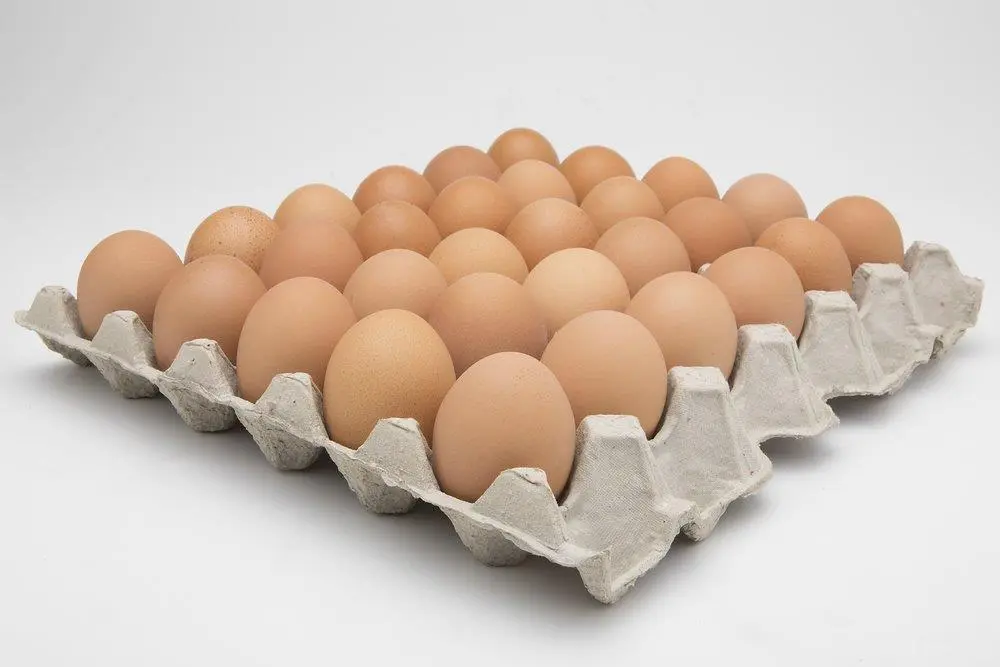
- Egg Shell Color: Brown
- Egg Production: 200 – 220 eggs per year (estimates only, see FAQ)
- Egg Size: Large
- Temperament: Active
- Gender Accuracy: 85-90%
- Fertility Percentage: 65-80%
- Broody: Setter
- Mating Ratio: 10 Females to 1 Male
- Roost Height: 2 to 4 feet
- Country of Origin: United States
- APA: Yes, Recognized by the American Standard of Perfection in 1874
- TLC: Not Listed
- BREEDER FARM SOURCE: Cackle Hatchery® Poultry Breeding Farm has been developing our bloodline or strain of pure Barred Plymouth Rock since 1936.
Barred Rock Chicken
Breed Overview and Origin
The Barred Rock chicken, also called the Barred Plymouth Rock, is one of America’s classic backyard chicken breeds. Many families remember these barred birds as the kind of chickens “Grandma used to raise,” and for good reason. For generations, they have served American farms and backyard flocks as dependable brown egg layers, useful dual-purpose birds, and friendly flock members.
The Plymouth Rock breed developed in the United States during the 1800s. According to The Livestock Conservancy, Plymouth Rocks appeared in the mid-19th century and later became one of the most important American poultry breeds. The barred variety became the original and best-known color pattern.
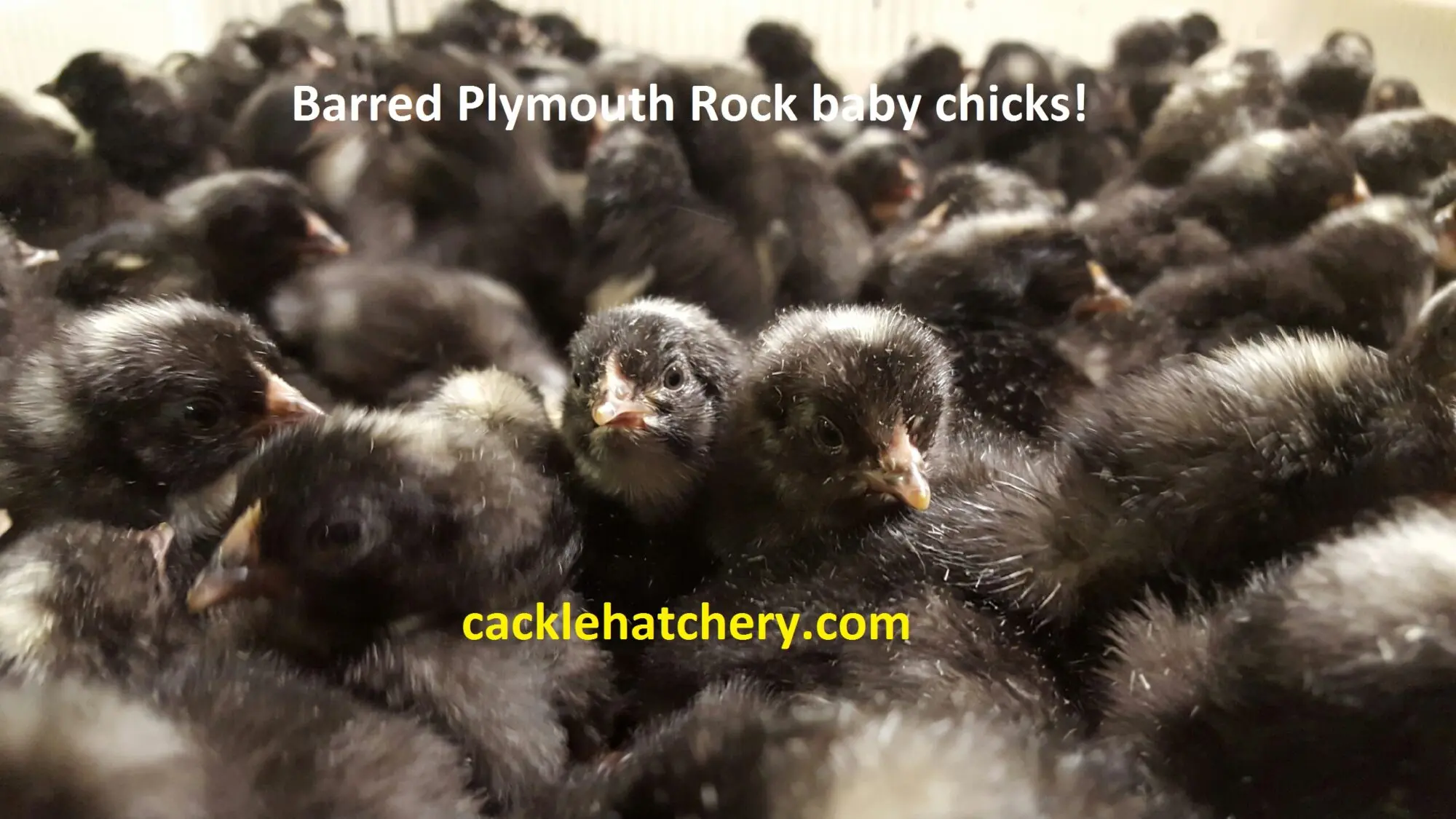
Today, Cackle Hatchery® offers Barred Rock chicks for sale as day-old Barred Standard Plymouth Rock baby chicks. Because Cackle lists them with its brown egg layers and hot weather chickens, they make a practical choice for customers who want hardy, useful poultry for the home flock.
Appearance and Characteristics
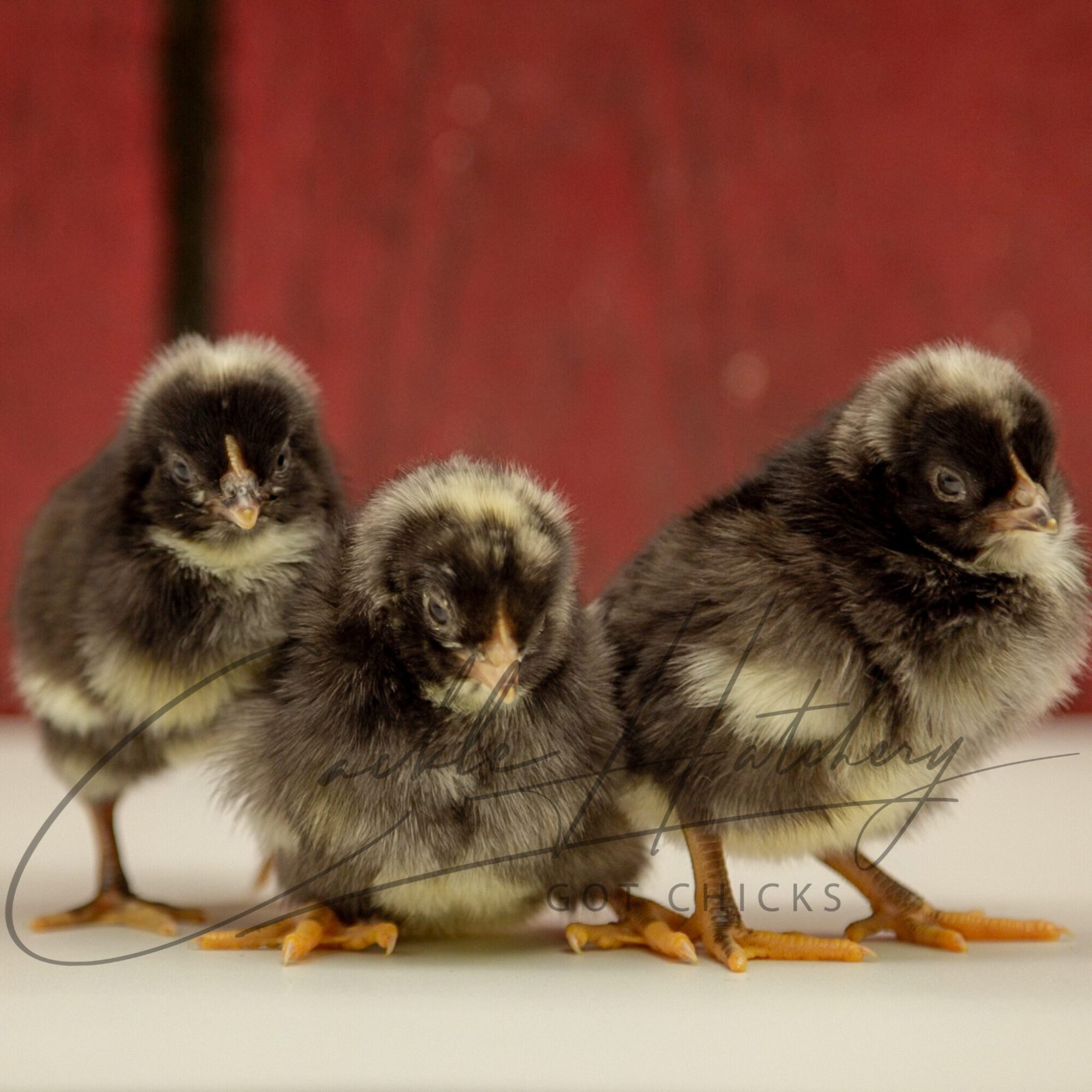
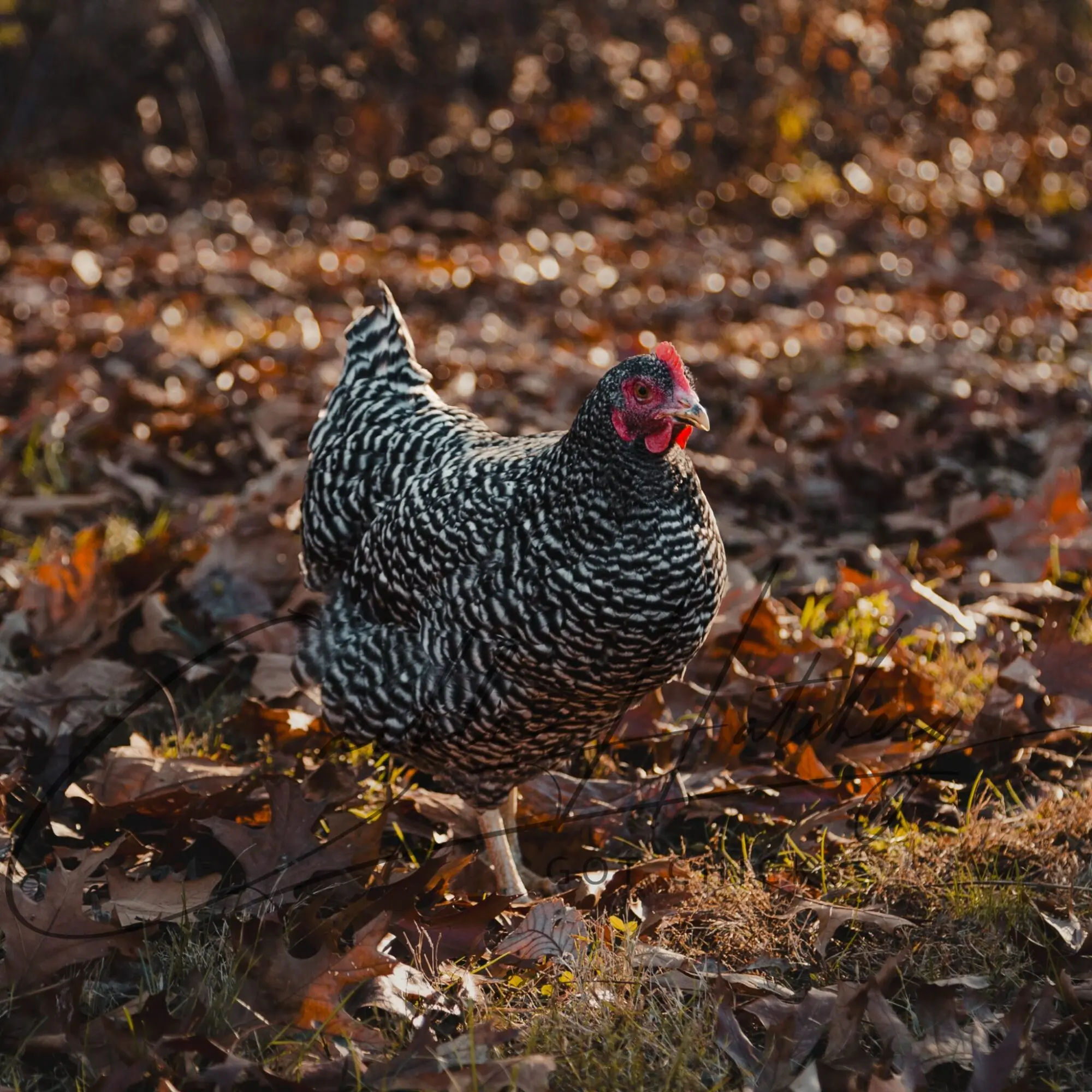
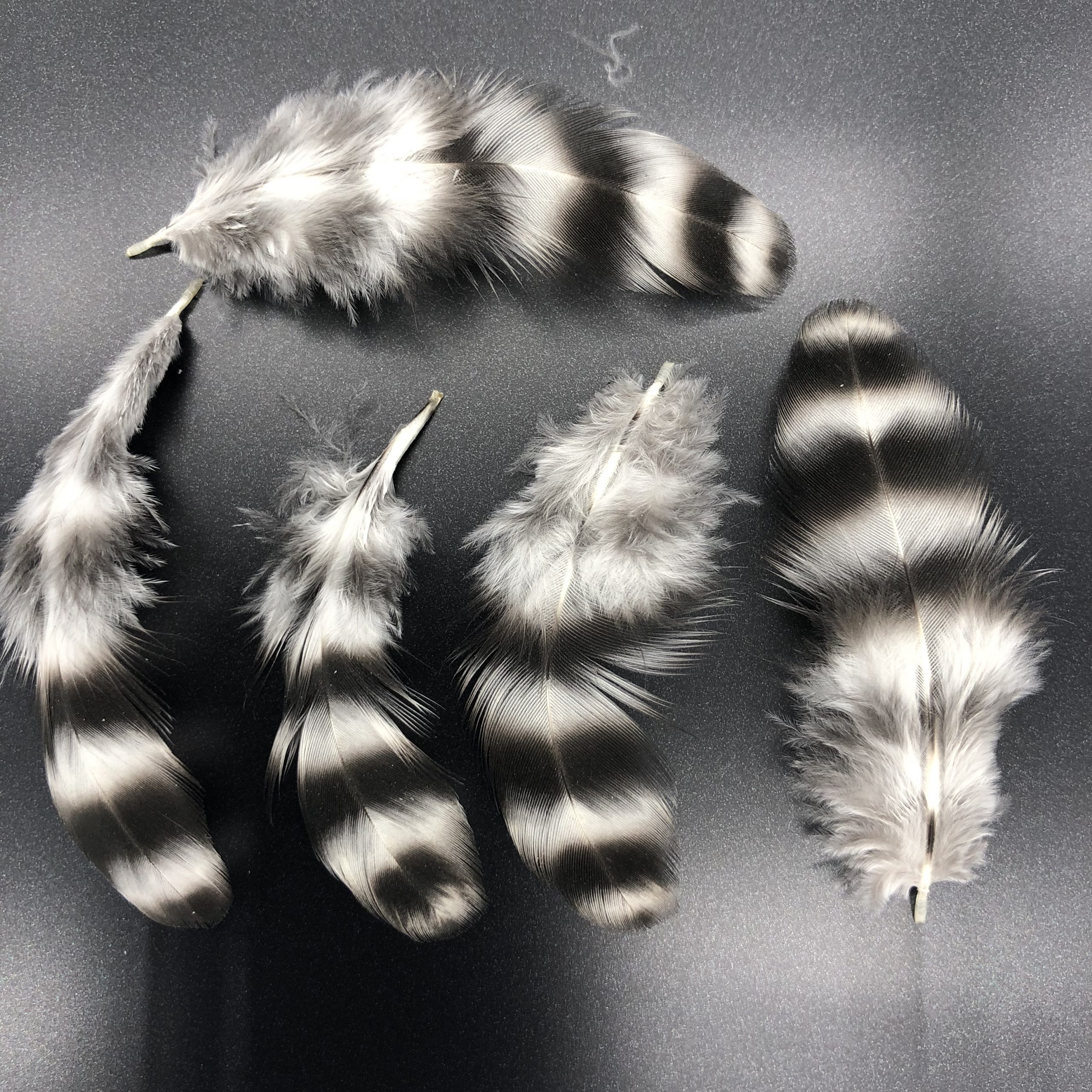
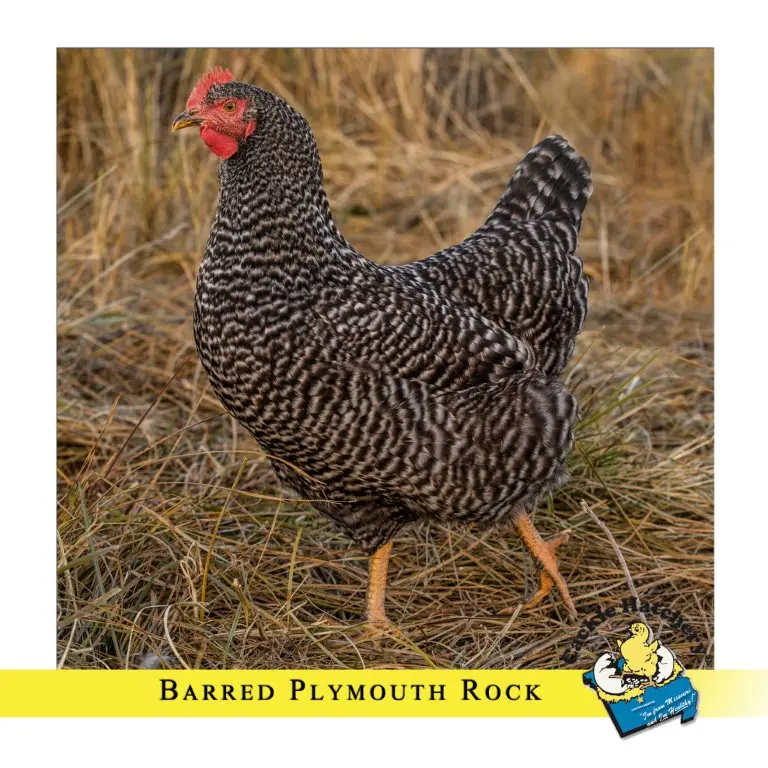
Barred Plymouth Rocks have clean, black-and-white barred plumage, yellow skin, clean legs, and a single upright comb. Their straight barring gives them a crisp, traditional farm-chicken look that many customers recognize right away.
In 1874, the American Poultry Association admitted the Plymouth Rock to the Standard of Perfection. Since then, the barred pattern has remained the most familiar variety. The Livestock Conservancy explains that the Plymouth Rock became a widely used American breed and stayed popular for many years.
This breed has a sturdy body and a practical dual-purpose build. As a result, it works well for egg production, backyard flocks, and homestead use. Many customers also appreciate its calm nature, attractive feather pattern, and steady presence in a mixed flock.
Barred Rock vs Dominique: How to Tell the Difference
Many customers confuse Barred Rocks with Dominique chickens because both breeds have barred black-and-white feathers. However, the comb gives you the easiest way to tell them apart.
Barred Rocks have a single upright comb.
Dominiques have a rose comb.
The barring also differs. Barred Plymouth Rocks usually show straighter, more even barring, while Dominiques often show a softer pattern and may have a slight V-shaped look in the barring.
Both breeds can make good winter chickens, backyard birds, and family flock choices. Still, they suit slightly different preferences. Choose the Barred Plymouth Rock if you want a classic single-comb brown egg layer with strong backyard production value. On the other hand, choose the Dominique if you prefer an older American heritage breed with a rose comb and conservation value.
For a closer look, Cackle Hatchery® explains this comparison in its article on the difference between a Barred Rock and a Dominique.
Production Type vs Exhibition Type Barred Plymouth Rocks
Cackle Hatchery® offers both production-type birds and Barred Plymouth Rock Exhibition Type chicks. However, these options serve different goals.
Choose the production type if you want practical backyard chickens for brown eggs, hardiness, and family flock use. This type suits customers who care most about eggs, utility, and everyday flock performance.
By comparison, choose the exhibition type if you want birds bred more toward show qualities, breed-standard appearance, and exhibition potential. Cackle’s product page lists the exhibition type under rare chicken breeds and offers it for customers interested in that direction.
For more help comparing these goals, Cackle Hatchery® also offers a useful blog on the difference between production chickens and show chickens. In that article, Cackle explains that production chickens focus on efficient egg or meat output, while show chickens focus more on appearance and breed-standard qualities.
Egg Production and Utility
This breed has a strong reputation as a dependable brown egg laying chicken. Farm families traditionally valued Plymouth Rocks as dual-purpose birds; however, many backyard keepers today choose them for eggs, hardiness, and steady flock temperament.
Cackle Hatchery® lists its standard production-type Rocks under brown egg laying chickens and offers them as day-old chicks for customers building productive backyard flocks. Actual egg production can vary with age, daylight, nutrition, weather, housing, and overall flock management.
With proper care, these hens can lay well through much of the year. In winter and summer alike, they do best when keepers provide proper housing, shade, ventilation, clean water, and balanced feed.
For customers who want birds closer to laying age, Cackle Hatchery® also offers Barred Rock Started Pullets. At limited times of the year, Cackle offers Barred Rock Fertile Hatching Eggs for customers who want to hatch their own chicks.
Temperament and Suitability
Barred Plymouth Rocks generally have calm, steady, and friendly personalities. Because of that, they often make a good choice for backyard flocks, family poultry projects, and customers who want chickens that feel familiar, useful, and easy to enjoy.
Many keepers like these birds because they can forage, adapt to a coop and run, and hold their place well in a mixed flock. In addition, their practical nature makes them suitable for beginners, families, homesteads, and small farms.
With regular handling, they can also make good pet chickens. Even so, temperament can vary by individual bird, flock setup, handling, and environment. Roosters may need more careful handling than hens, especially around young children.
Is This Breed Right for Your Flock?
Choose Barred Plymouth Rocks if you want:
A classic American backyard chicken
A dependable brown egg layer
A hardy dual-purpose breed
A family-friendly flock bird
A good choice for beginners
A barred chicken with a single comb
A practical homestead chicken
A breed available as chicks, started pullets, and hatching eggs
A production type or exhibition type option
Overall, this breed suits customers who want useful, friendly chickens with a long American farm history. It works well for egg baskets, backyard flocks, and small farms where dependable poultry matters.
If you still want to compare breeds, Cackle Hatchery’s Chicken Breed Selector and Chicken Breeds List Comparison Chart can help you choose birds by purpose, appearance, egg color, and flock needs.
Breed History and Preservation
The Plymouth Rock breed developed in America during the 19th century. According to The Livestock Conservancy, breeders first exhibited Plymouth Rocks in Boston in 1849, although those early birds later disappeared from view. Then, in 1869, the breed reappeared at a poultry show in Worcester, Massachusetts, and breeders helped establish the bird that became the modern Plymouth Rock.
In 1874, the American Poultry Association recognized the breed. The barred variety became the original and most widely known color pattern. Over time, Plymouth Rocks became one of the most widespread chicken breeds in the United States and played an important role in American poultry history.
Notably, The Livestock Conservancy reported that the Plymouth Rock graduated from its Conservation Priority List in 2023. That progress shows the value of continued interest in historic American breeds and responsible breeding programs.
Today, Cackle Hatchery® offers production-type birds for customers who want useful backyard chickens, as well as exhibition-type birds for customers who want to pursue a more breed-standard show direction.
Recognition and Availability
The American Poultry Association recognizes the Plymouth Rock in the American class. Among the recognized varieties, the barred pattern remains the best-known and one of the most familiar in American backyard flocks.
Cackle Hatchery® offers several options for this breed. Customers can order Barred Rock baby chicks, Barred Rock Started Pullets, Barred Rock Fertile Hatching Eggs, and Barred Plymouth Rock Exhibition Type chicks when available.
In addition, many customers who like the standard-size bird also enjoy the Barred Rock Bantam Chicken, the miniature version of this classic barred breed.
Availability can vary by hatch date, season, egg numbers, and order timing. Therefore, customers should check Cackle Hatchery’s Availability Chart for current hatch and shipping availability.
Related Breeds and Helpful Cackle Hatchery® Resources
If you like these classic barred chickens, you may also like the Barred Rock Bantam Chicken, the miniature version of the breed. For a show-focused option, compare the Barred Plymouth Rock Exhibition Type.
Customers comparing barred breeds should read Cackle Hatchery’s article on the difference between a Barred Rock and a Dominique. Likewise, customers deciding between practical layers and show birds should review Cackle’s article on the difference between production chickens and show chickens.
For broader flock planning, browse Cackle Hatchery’s brown egg laying chickens, Chicken Breed Selector, and Chicken Breeds List Comparison Chart.
FAQ: Barred Rock Chicken
What is a Barred Rock chicken?
A Barred Rock chicken is the barred variety of the Plymouth Rock breed. It is a classic American dual-purpose chicken known for black-and-white barred feathers, a single comb, brown eggs, hardiness, and a friendly backyard temperament.
Are Barred Rocks and Barred Plymouth Rocks the same chicken?
Yes. “Barred Rock” is the common short name for the Barred Plymouth Rock. Many customers use the shorter name when talking about this familiar backyard breed.
Are Barred Rock chickens good egg layers?
Yes. These hens have a strong reputation as dependable brown egg layers. Cackle Hatchery® lists them among its brown egg laying chickens. However, actual laying can vary with age, season, feed, daylight, housing, and flock care.
What color eggs do they lay?
They lay brown eggs. As a result, they make a good choice for backyard keepers who want a practical brown egg laying breed.
Are these chickens friendly?
Yes. They generally act calm, steady, and friendly, especially with regular handling. Because they combine usefulness with a pleasant flock personality, many families choose them for backyard flocks.
Are they good for beginners?
Yes. This breed can work well for beginners because it is hardy, practical, and generally easy to manage. Even so, these chickens still need proper housing, clean water, balanced feed, predator protection, and enough space.
Are they cold hardy?
Yes. These birds usually handle cold weather well when keepers provide a dry, draft-protected coop with good ventilation. However, because they have single combs, keepers should still watch for frostbite during severe cold.
Are they heat tolerant?
Cackle Hatchery® lists the standard production type under hot weather chickens. In warm weather, provide shade, ventilation, cool water, and enough space to reduce heat stress.
Are they good for free range?
Yes. These chickens can forage well and do nicely in free-range or semi-free-range systems. However, they can also adapt to a coop and run when keepers provide enough room, feed, water, and enrichment.
What is the difference between a Barred Rock and a Dominique?
The comb gives you the easiest difference. Barred Rocks have a single upright comb, while Dominiques have a rose comb. In addition, Rocks tend to show straighter, cleaner barring. Cackle Hatchery® explains more in its guide to the difference between a Barred Rock and a Dominique.
What is the difference between production type and exhibition type?
Production-type birds focus more on practical brown egg production and backyard utility. By contrast, exhibition-type birds focus more on breed-standard appearance and show qualities. Cackle Hatchery’s blog on the difference between production chickens and show chickens explains this difference in more detail.
Are Barred Rock chickens heritage chickens?
Yes. The Plymouth Rock is a historic American breed that the American Poultry Association recognized in 1874. Also, The Livestock Conservancy notes that the breed graduated from its Conservation Priority List in 2023.
Do they have single combs or rose combs?
Barred Rocks have single upright combs. In comparison, Dominiques have rose combs, which is one reason people often confuse the two breeds.
Does Cackle Hatchery® offer Barred Rock Bantams?
Yes. Cackle Hatchery® offers the Barred Rock Bantam Chicken, the miniature version of this barred breed.
Does Cackle Hatchery® offer started pullets?
Yes. Cackle Hatchery® offers Barred Rock Started Pullets for customers who want started birds instead of day-old chicks.
Where can I check chick availability?
You can check Cackle Hatchery’s Availability Chart for current hatch and shipping availability. Availability can change by season, hatch date, egg numbers, and order timing.
Order from Cackle Hatchery
Choose Barred Rock Chicken from cackle hatchery. Review the product information above for current options, availability and ordering details.
Related Products
Related products