Brown Egg Laying Chickens for Sale
Explore our selection of brown egg laying chickens for sale, including dependable production breeds, dual-purpose chickens, heritage varieties, and distinctive poultry for backyard or farm flocks. Brown egg layers are available in many sizes, colors, temperaments, and production levels, making it possible to choose breeds that fit your environment and flock goals.
At cackle hatchery, you can compare baby chicks from numerous brown egg laying breeds. Review each product page for current prices, availability, sexing options, minimum quantities, mature size, temperament, egg characteristics, and ordering information.
Popular Brown Egg Laying Chicken Breeds
Brown eggs can range from light tan to deep chocolate, depending on the breed and individual hen. Our available selection can include:
- Plymouth Rocks: Popular dual-purpose chickens known for their practical combination of egg production and mature size.
- Rhode Island Reds: Widely recognized brown egg layers valued by many backyard and farm flock owners.
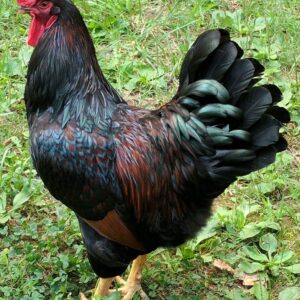
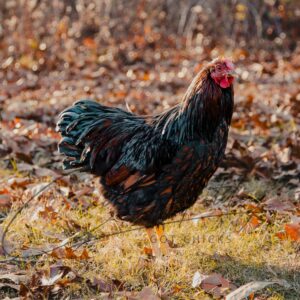
- Australorps: Productive chickens with dark plumage and a reputation as dependable layers.
- Orpingtons: Large, rounded chickens available in several attractive colors and varieties.
- Brahmas: Large feather-legged chickens known for their impressive appearance and cold-weather suitability.
- Wyandottes: Dual-purpose chickens available in numerous laced and solid-color varieties.
- Marans: Sought-after chickens associated with rich, darker brown eggs, although shell color can vary.
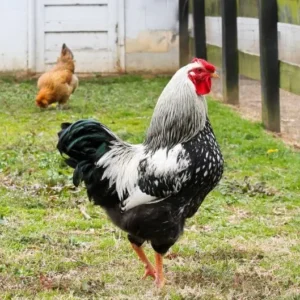
- Delawares: Practical dual-purpose birds with a distinctive white-and-black appearance.
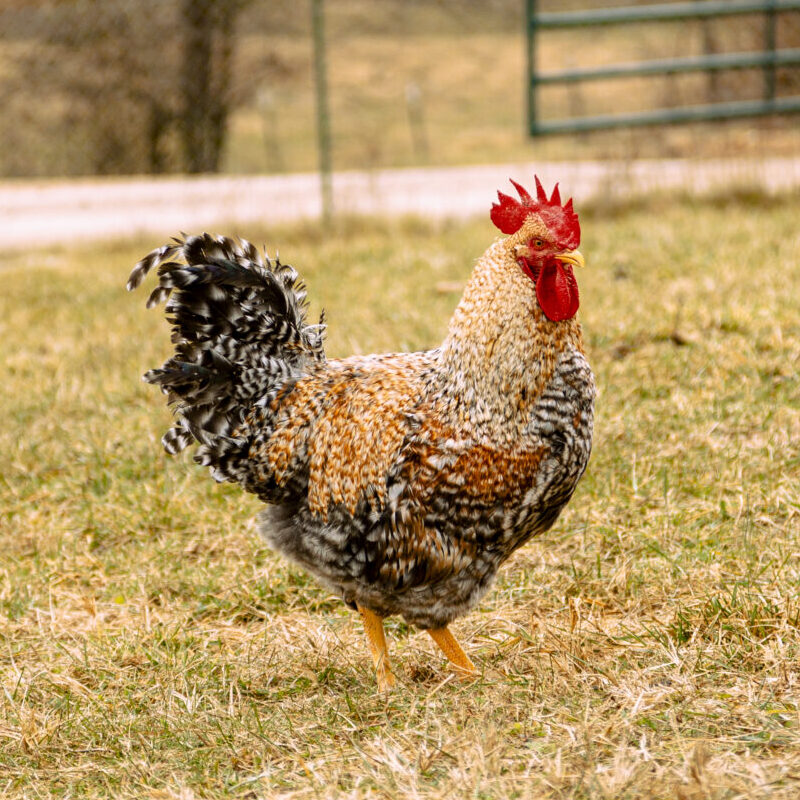
- Sussex: Adaptable chickens available in attractive varieties such as Speckled Sussex.
- Sex Links: Production-oriented hybrids developed to make chick sex identification easier at hatch.
Choosing the Best Brown Egg Layers
The right breed depends on more than egg color. Consider your climate, available coop space, desired egg production, preferred temperament, flock size, and whether you want chickens primarily for eggs or as dual-purpose birds.
Compare these characteristics before ordering:
- Expected egg production and egg size
- Light, medium, dark, or chocolate-brown shell color
- Adult body size and space requirements
- Heat and cold tolerance
- Temperament and flock compatibility
- Broodiness and mothering tendencies
- Comb type and frostbite susceptibility
- Foraging ability and confinement tolerance
Understanding Brown Egg Color
Eggshell color is determined primarily by genetics. Different breeds may produce eggs ranging from pale cream or tan to deep reddish brown or chocolate. Individual hens within the same breed can produce slightly different shades.
Shell color may also become lighter as a laying cycle progresses. Egg color does not determine nutritional quality; nutrition depends mainly on the hen’s diet, health, environment, and overall care.
Preparing for Brown Egg Layer Chicks
Prepare a secure brooder before your chicks arrive. It should include a suitable heat source, chick starter feed, clean bedding, shallow waterers, ventilation, and protection from drafts and predators. Provide enough feeder and waterer space so every chick can eat and drink comfortably.
As the chicks grow, move them into appropriately sized housing with secure nesting areas, roosting space, ventilation, and predator protection. Always research the mature size and climate needs of your selected breeds.
Explore Related Chicken Categories
- All Baby Chicks
- Colored Egg Layers
- White Egg Layers
- Rare Chicken Breeds
- Meat and Broiler Chickens
- Nesting Supplies
Frequently Asked Questions
Which chickens lay brown eggs?
Many breeds lay brown eggs, including Rhode Island Reds, Plymouth Rocks, Australorps, Orpingtons, Brahmas, Wyandottes, Sussex, Delawares, and Marans.
Which chickens lay dark brown eggs?
Marans are among the breeds most commonly associated with dark brown or chocolate-colored eggs. The exact shade varies between varieties and individual hens.
Are brown eggs healthier than white eggs?
Shell color does not determine nutritional value. A hen’s diet, health, living conditions, and care have a greater effect on the egg’s nutritional characteristics.
When do brown egg layer chicks begin laying?
The starting age varies by breed, development, nutrition, season, and environment. Productive breeds may begin earlier than larger or slower-maturing heritage chickens.
Can different brown egg laying breeds live together?
Many breeds can live in a mixed flock when they have sufficient space and are introduced carefully. Monitor temperament, body-size differences, feeder access, and flock behavior.